

Top Recommendations and Selection Criteria for Managing Frequent and Urgent Urination in Cats
Frequent and urgent urination in cats are symptoms that pose a significant threat to urinary tract health. It is important to choose the right management products and methods.
Frequent and Urgent Urination in Cats: A Warning Sign for Urinary Tract Health
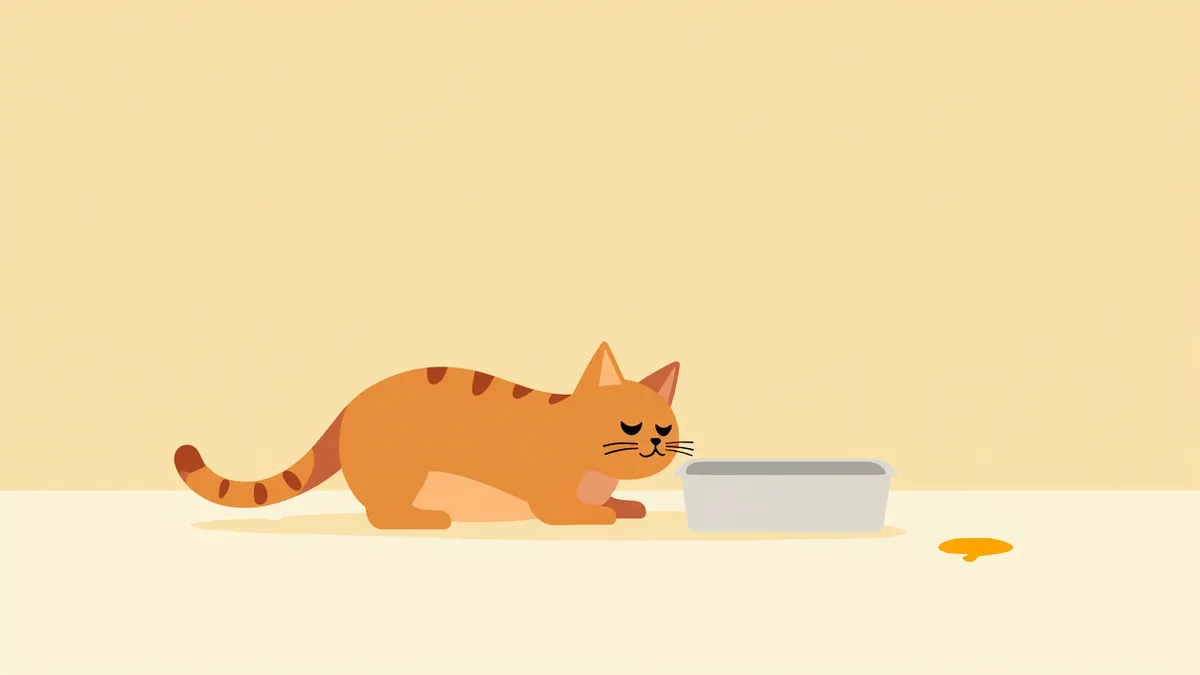
Selection Criteria: Key Factors for Urinary Tract Health
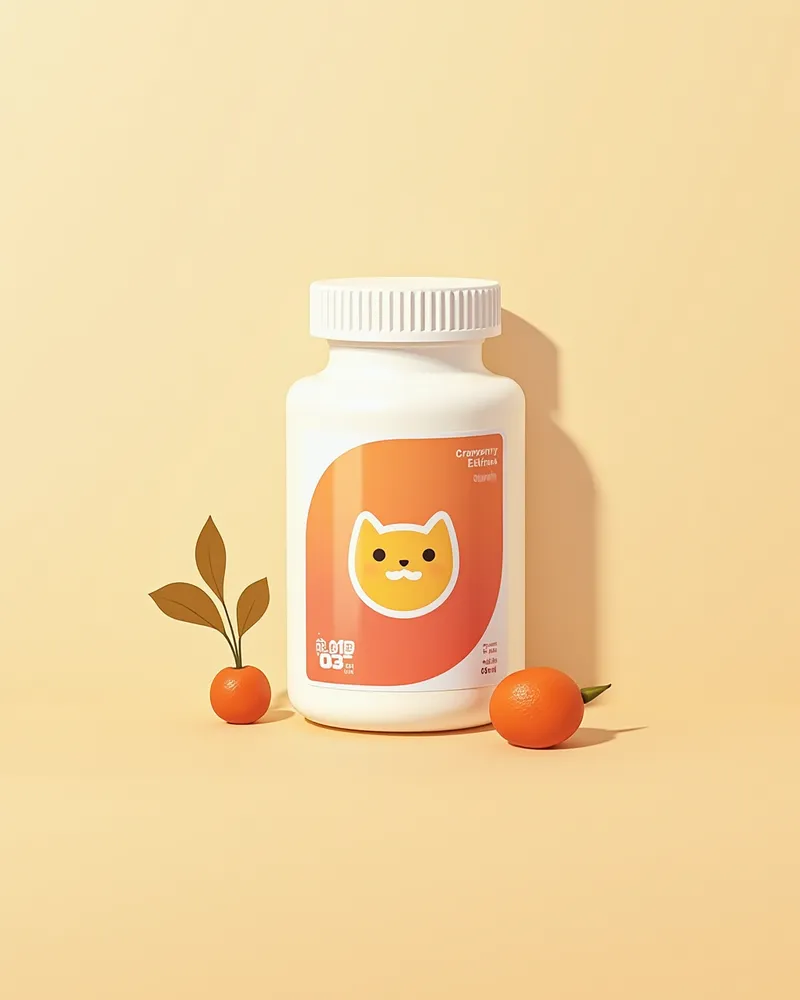
BEST 1: Premium Urinary Tract Health Capsules
BEST 2: Natural Ingredient Urinary Tract Health Powder
BEST 3: Cat-Specific Urinary Tract Health Liquid
Comparison of BEST 1–3 Products: Ingredients, Forms, and Advantages
| Item | Form | Main Ingredients | Advantages |
|---|---|---|---|
| BEST 1 | Capsule | Cranberry extract, D-mannose, magnesium | Accurate dosage, suitable for long-term use |
| BEST 2 | Powder | Cranberry extract, garlic extract, lactic acid bacteria | Natural ingredients, easy to consume |
| BEST 3 | Liquid | Cranberry extract, D-mannose, antioxidant ingredients | Good taste, easy to administer |
The table above summarizes the form, ingredients, and features of each product. However, some ingredients such as cranberry and D-mannose still lack clinical evidence of efficacy and safety in cats, and some ingredients like garlic extract have safety concerns. Supplements are for prevention and support purposes only, not treatment, and if there are symptoms of frequent or urgent urination, veterinary diagnosis takes priority over product selection.
Caution: Acute Symptoms Require Immediate Veterinary Visit
If your cat is trying to urinate but nothing comes out, or if they show signs of pain, they may be experiencing a urinary tract obstruction. This is a life-threatening emergency, so you should take them to the vet immediately. Remember that supplements are for prevention only and are not a treatment.
Usage Tips: Practical Tips to Maximize Effectiveness
Reviewed by a veterinarian

Dr. Tony — Punnawat Phongkittirak
VeterinarianA veterinarian who majored in veterinary medicine at Khon Kaen University, Thailand, and completed the IVSA program at North Carolina State University in the United States. Drawing on clinical experience at animal hospitals, he works in the pet healthcare field and is dedicated to building a digital care environment that connects pet parents with veterinarians.
Reviewed 2026-06-29
Frequently Asked Questions
When should I start giving the supplement?
What should I do if the symptoms persist even after giving the supplement?
Can all cats take supplements?
How long should I give my pet the supplement?
Can giving supplements make my pet urinate more frequently?
Share
Related Guides
Top 5 Prescription Diets for Feline FLUTD — Comparison by Struvite and Calcium Oxalate Stones
Top 7 Prescription Diets for Feline Bladder and Urinary Tract Health Recommended by Veterinarians — Including Selection Criteria

Top 5 Cranberry Urinary Supplements for Dogs — Preventing Cystitis
7 Key Points for Managing Ventricular Tachycardia in Cats, Selected by Veterinarians
7 Key Points for Evaluating Heart Size on Feline Chest X-rays — VHS Measurement and Interpretation Criteria

7 Key Management Tips for Feline Taurine-Deficient Cardiomyopathy Recommended by Veterinarians
7 Key Management Strategies for Feline Pulmonary Artery Stenosis Explained by Veterinarians
7 Key Points for Feline Pimobendan Treatment Compiled by Veterinarians — Dosage, Side Effects, and Precautions
7 Key Emergency Management Tips for Feline Pericardial Effusion and Cardiac Tamponade Recommended by Veterinarians
7 Key Management Tips for Cats After Pacemaker Implantation, Recommended by Veterinarians
References
[1] Feline Emergency and Critical Care Medicine, 2nd Ed. (2019). Chapter 7: Urinary Tract Emergencies in Cats.
[2] The Cat, Clinical Medicine and Management, 2nd Edition. (2020). Section on Feline Urinary Health and Behavioral Indicators.
[3] Applied Veterinary Clinical Nutrition, 2nd Ed. (2021). Dietary Management of Feline Lower Urinary Tract Disease.