Like
Share
멍실장
고양이 만성 재발 요로 감염 관리 추천 BEST와 고르는 기준 총정리

The Best Products for Managing Feline Chronic Recurrent Urinary Tract Infections and Selection Criteria: A Complete Guide

UrinaryTop PicksMeongsiljang Veterinary Advisory Board

Feline chronic recurrent urinary tract infections are a condition characterized by repeated urinary abnormalities and pain, making proper management essential. Here’s a summary of effective management products and the criteria for choosing them.

Feline Chronic Recurrent Urinary Tract Infections Are a Condition Characterized by Repeated Urinary Abnormalities and Pain
An image of a cat lying on a soft bed, with a clinical atmosphere related to veterinary care.
Feline chronic recurrent urinary tract infections are defined as a condition in which abnormal urination symptoms recur three or more times within one year, or two or more times within six months. These episodes can manifest as pain, frequent urination, difficulty urinating, and hematuria. The underlying causes are multifactorial, involving infections, urinary stones, and stress, making accurate diagnosis essential. A veterinarian’s assessment is necessary to identify the root cause and develop a tailored management plan. Early detection and appropriate management significantly help reduce recurrences, and consistent care is key to improving your cat’s quality of life.

Three Key Selection Criteria: Effectiveness, Safety, and Palatability
When selecting a product to manage chronic recurrent urinary tract infections in cats, be sure to check three key criteria: - Effectiveness: The product should contain key ingredients that support urinary tract health. - Safety: It should have minimal side effects even with long-term use and be safe for cats to consume. - Palatability: The form should be one that cats readily accept and can easily integrate into their daily routine. By considering these three factors together, you can ensure effective and sustainable management. When choosing a product, look beyond just the ingredients and also take your cat’s lifestyle and habits into account.
An image showing a cat food bowl alongside supplement pills.

BEST 1: Urinary Health-Specific Supplement (Ingredient-Focused)
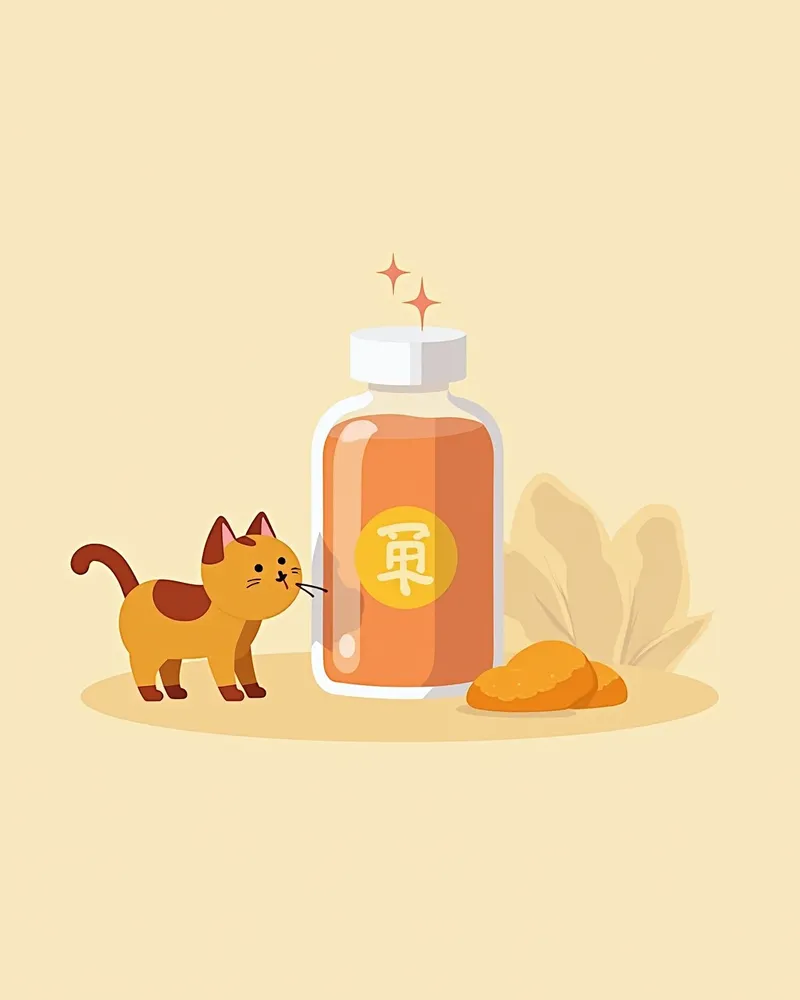
This product contains omega-3 fatty acids, vitamin E, and stress-relieving ingredients. It helps soothe inflammation in the urinary tract and reduce the impact of stress on urinary health. Most cats enjoy the taste, making it easy to incorporate into daily care, and it can be used long-term under veterinary guidance. It is especially beneficial for cats prone to recurrent urinary tract infections, providing targeted support as needed. The administration is simple and seamlessly integrates into your cat’s routine. Regular use, as directed by your veterinarian, helps maintain optimal urinary tract health.
An image of a cat holding a urinary health supplement bottle.

BEST 2: Moisture-Supplementing Urinary Care Food
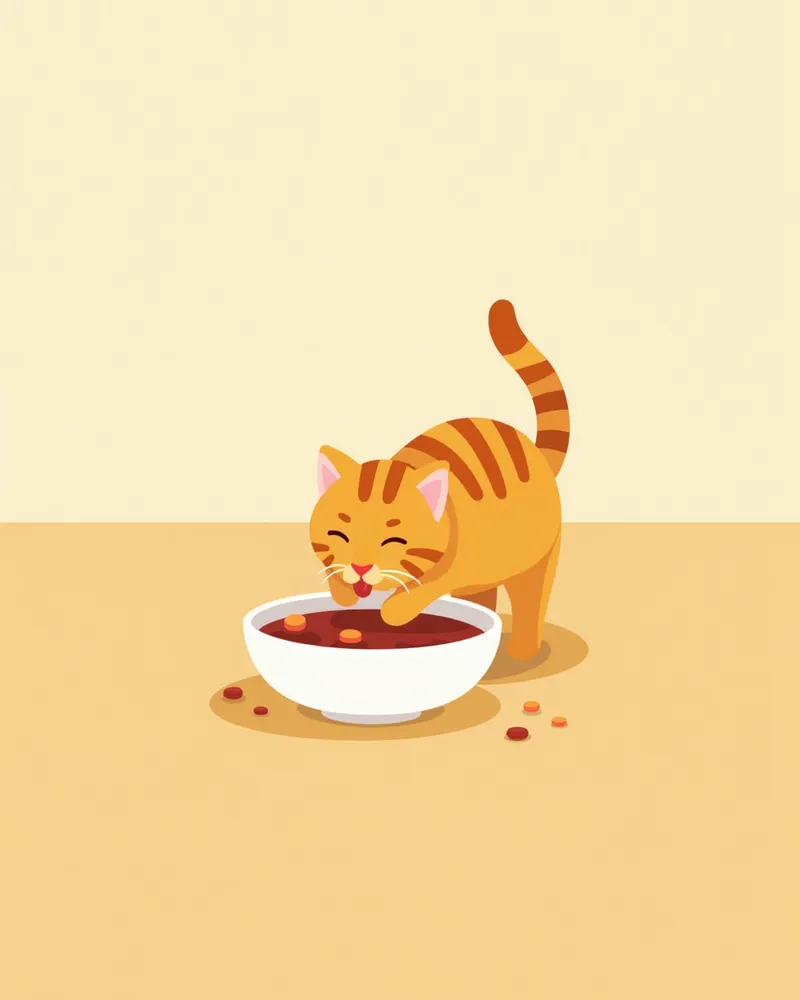
This food has a high moisture content, which helps maintain urinary tract health. Even if your cat doesn’t drink much water, it can naturally increase its fluid intake. Ensuring adequate hydration to dilute urine is the most important factor in protecting urinary tract health. A formula that avoids excessive protein, calcium, and salt while properly regulating urine pH can help reduce the risk of stone formation. There are various flavors available to suit your cat’s eating habits. It is especially suitable for cats that drink less water, and like canned food, its high moisture content helps lower urine specific gravity. It’s an effective choice for increasing fluid intake.
An image of a cat eating moist food

BEST 3: Stress Relief + Urinary Care Combined Supplement
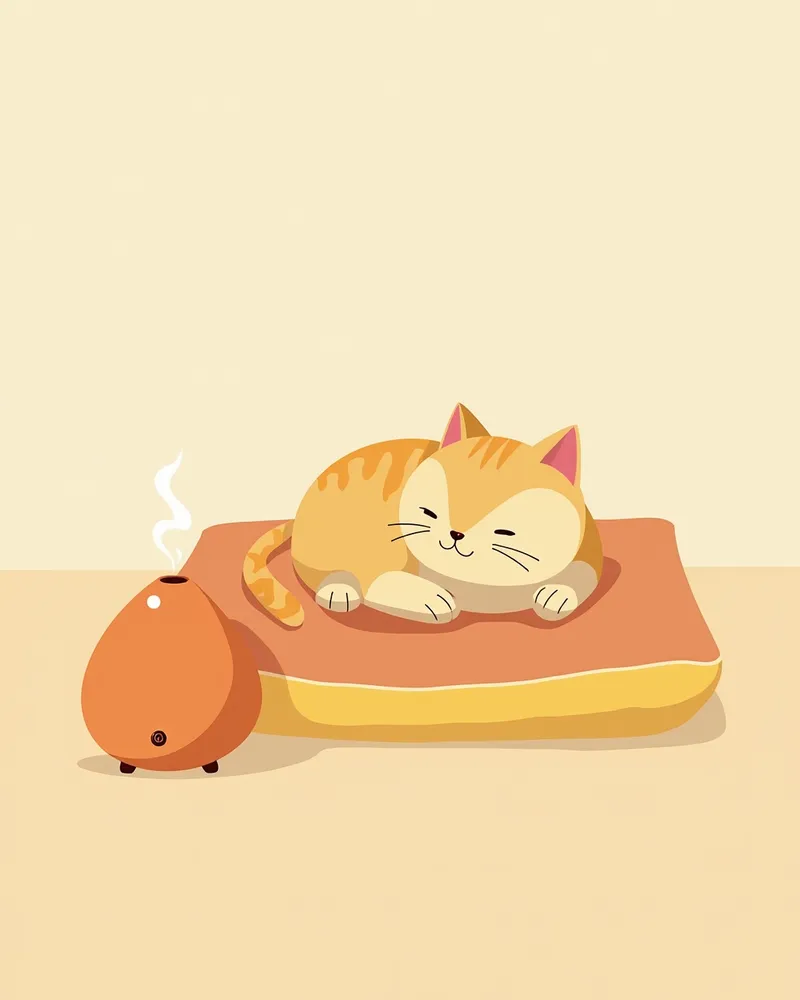
This product contains ingredients that support urinary tract health, along with components that help alleviate stress. In cats, urinary tract infections are closely linked to stress, so this formula offers the combined benefit of reducing stress while protecting the urinary tract. It is especially effective in multi-cat households or homes where environmental changes are frequent. It helps maintain your cat’s emotional well-being while supporting urinary health, and can also be useful in minimizing everyday stressors. Always consult your veterinarian for a proper diagnosis and assessment of your cat’s condition before use to ensure safe administration.
An image of a cat lying comfortably on a cushion, with a calm and soothing atmosphere.

Comparison Table of BEST 1–3 Products

ItemBEST 1 (Supplement)BEST 2 (Food)BEST 3 (Combination Product)
Key IngredientsOmega-3 fatty acids, vitamin E, stress-relief ingredientsAppropriate protein, low sodium, high moistureUrinary ingredients + stress-relief ingredients
Main EffectsInflammation relief combined with stress reliefIncreased water intake, maintenance of urinary healthStress reduction combined with urinary protection
Ease of UseTablet or powder form, easy to supplementFood form, daily feedingTablet or powder, combined supplementation
Recommended ForCats with chronic urinary problems accompanied by inflammation and stressCats that don't drink waterCats in high-stress environments

Choose a product suited to your cat's condition through consultation with a veterinarian.

Caution: Immediate Veterinary Visit Is Necessary If Feline Urinary Tract Infection Recurs

If your cat has trouble urinating or seems to be in pain while trying to go, it’s important to take them to the vet right away. Urinary blockage is a life-threatening emergency. Male cats are especially at risk because their urethra is narrower, making blockages more likely. If you notice these symptoms, don’t wait—visit an animal hospital immediately.

Usage Tips: Manage Your Cat’s Dietary Habits and Environment Together
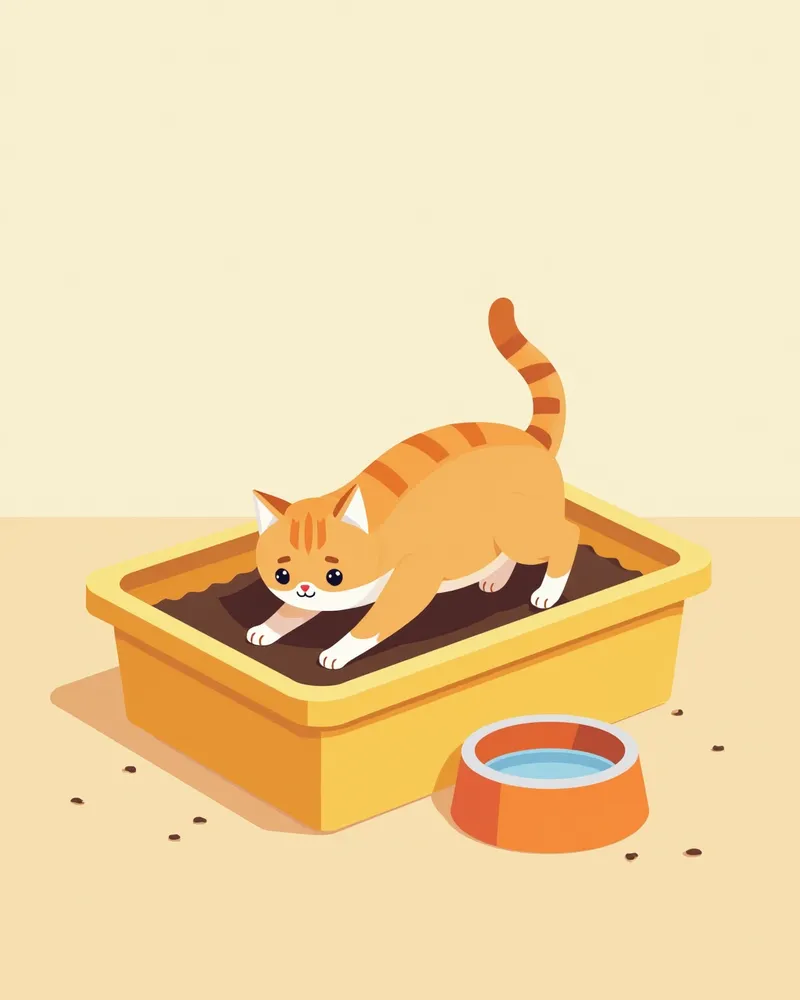
Managing urinary tract infections goes beyond simply taking supplements; it requires a holistic approach that includes environmental and dietary care. Always provide fresh, clean water and replace the water bowl regularly. Keep the litter box clean and ensure you have enough boxes for the number of cats in your household. Maintaining a consistent routine is also important to minimize stress. Observing your cat’s eating habits and encouraging fluid intake through wet food or other hydration methods can be helpful. Balancing environment and diet is key to maintaining long-term urinary health.
An image showing a clean cat litter box placed alongside a water bowl.

Reviewed by a veterinarian

Dr. Tony — Punnawat Phongkittirak

Dr. Tony — Punnawat Phongkittirak

Veterinarian

A veterinarian who majored in veterinary medicine at Khon Kaen University, Thailand, and completed the IVSA program at North Carolina State University in the United States. Drawing on clinical experience at animal hospitals, he works in the pet healthcare field and is dedicated to building a digital care environment that connects pet parents with veterinarians.

Frequently Asked Questions

Can feline urinary tract infections be completely cured?
The outlook depends on the underlying cause. Infectious urinary tract diseases can often be cured with treatment, whereas chronic recurrent cases require consistent, ongoing management. It’s important to work with your veterinarian to develop a long-term care plan.
How long should I continue giving my pet the supplement?
The decision depends on the veterinarian’s diagnosis and assessment of your pet’s condition. Even after symptoms improve, continued medication may be necessary, but whether to keep giving it should be determined through regular check-ups.
Is it okay if my pet doesn’t have a habit of drinking water?
No. Insufficient water intake can negatively impact urinary tract health. Encourage your pet to drink more by offering moist food, using a water fountain, or changing the water in their bowl more frequently.
Can stress affect urinary tract infections?
Yes, stress can have a significant impact on your cat's urinary tract health. When stress builds up, it can worsen or trigger a recurrence of urinary inflammation, so maintaining a stable environment is crucial.
What is the most effective way to prevent recurrent urinary tract infections?
Increasing water intake, reducing environmental stress, regular check-ups, and management strategies recommended by your veterinarian (such as canned food and environmental adjustments) are the most effective approaches.

Share

Related Guides

References

[1] Westropp JL, Buffington CA. Feline idiopathic cystitis: current understanding of pathophysiology and management. Vet Clin North Am Small Anim Pract. 2004;34:1043–1055.

[2] Osborne CA, Lulich JP, Sanderson SL. Medical management of iatrogenic rents in the wall of the urinary bladder. Vet Clin North Am Small Anim Pract. 1996;26(3):551–562.

[3] Pressler BM, Vaden SL, Lane IF, et al. Candida spp. urinary tract infections in 13 dogs and seven cats: predisposing factors, treatment, and outcome. J Am Anim Hosp Assoc. 2003;39(3):263–270.

This information is based on veterinary literature and does not replace diagnosis or treatment. Please consult a veterinarian for specific health concerns.

Metapet Co., Ltd. | CEO: Park Sung-yong | Business Reg. No. 417-88-02562 | Seoul, South Korea | Customer Center

Cat Chronic Recurrent UTI: Best Products & Criteria | Meongsiljang