
Top Recommended Products for Managing Aspiration Pneumonia in Dogs and Selection Criteria
Aspiration pneumonia in dogs is a serious lung condition that occurs when food or stomach contents enter the airways. Choosing the right management products and preventive measures is essential.
Aspiration pneumonia in dogs is a serious lung condition that occurs when food or stomach contents enter the airway.
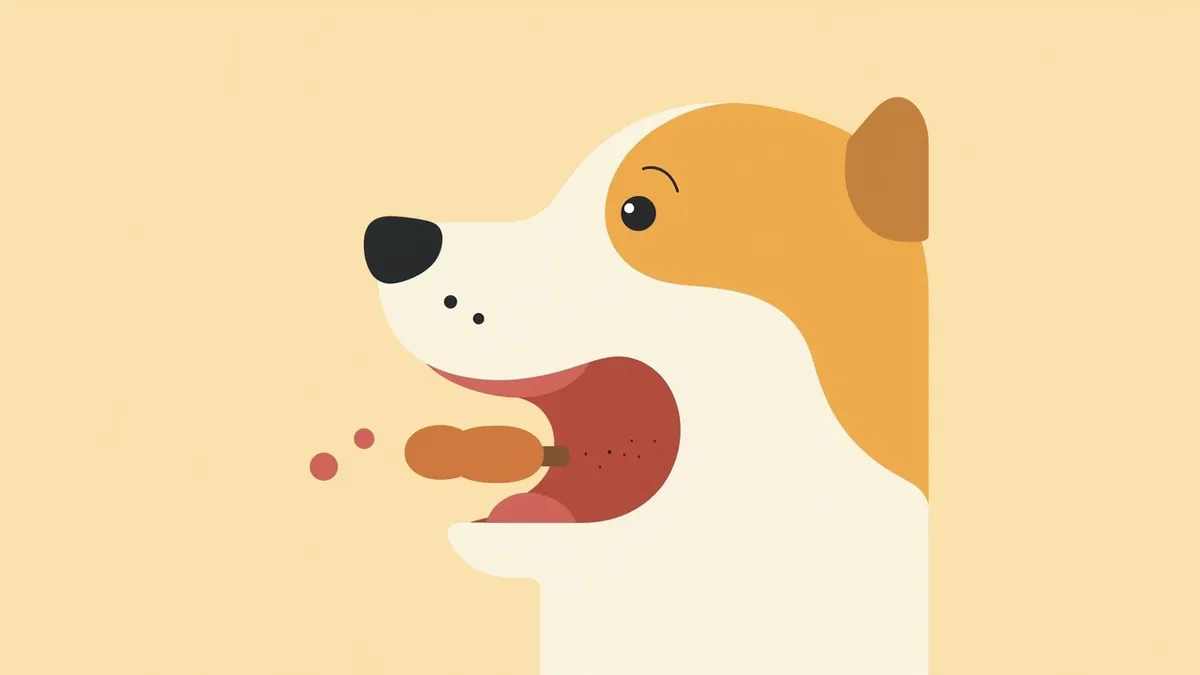
Key Criteria for Selecting Products to Manage Aspiration Pneumonia in Dogs

BEST 1: Premium Bowl Set with Strong Aspiration Prevention Features

BEST 2: Supplement Containing Airway Protection Ingredients
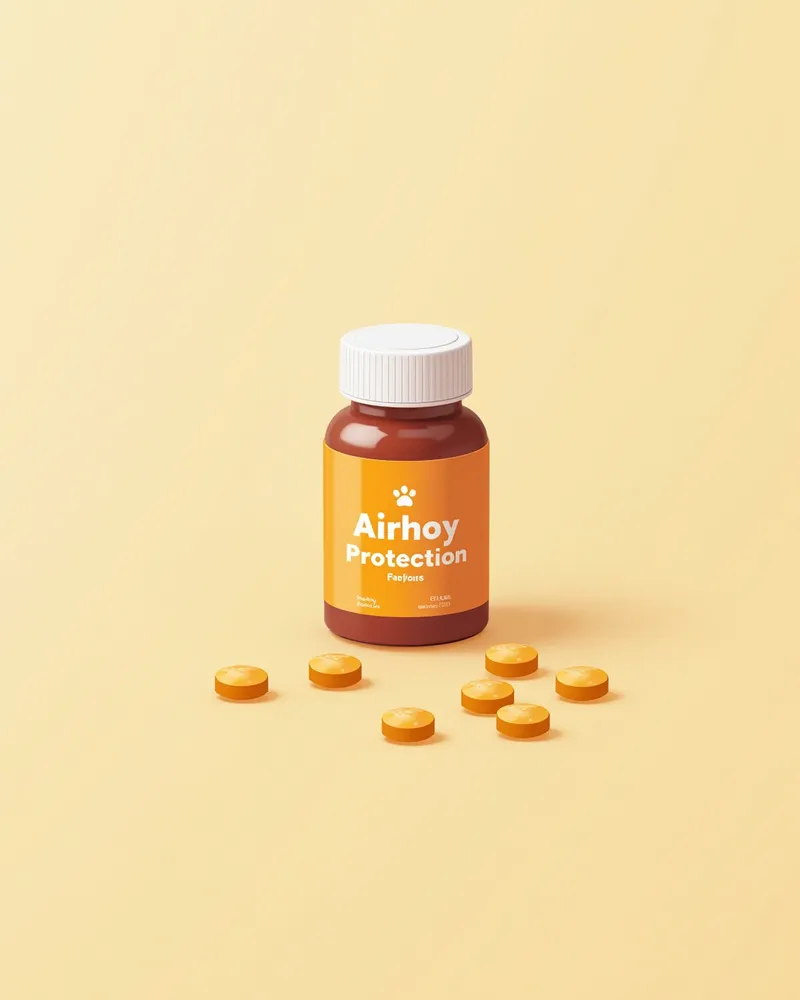
BEST 3: Gastrointestinal Health Capsule with Gastric Acid Neutralization Function
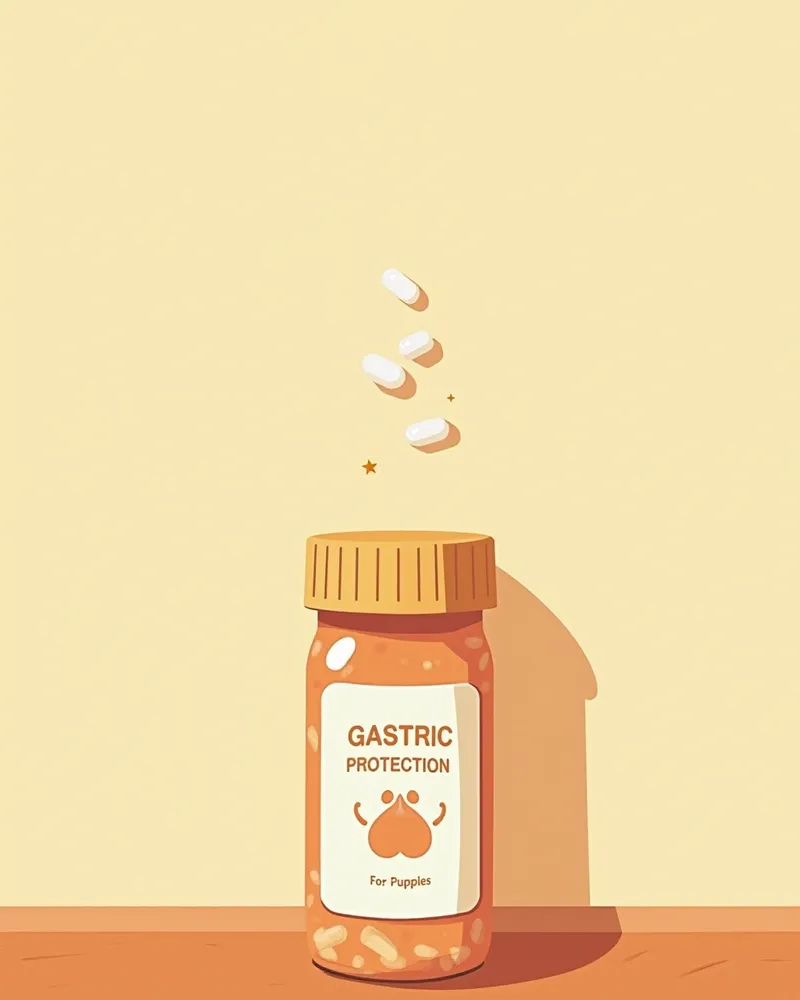
Comparison Table of BEST 1–3 Products
| Item | Main Ingredients | Effects | Directions for Use |
|---|---|---|---|
| BEST 1 Bowl Set | Complex internal structure | Slows down swallowing speed, helps prevent aspiration | Use during meals |
| BEST 2 Supplement | Glucosamine, collagen, vitamin C | Contains ingredients that aid mucosal protection and regeneration | 1 tablet per day, taken after meals (per veterinarian's instructions) |
| BEST 3 Capsule | Magnesium aluminum silicate | Neutralizes stomach acid and protects the mucosa | Taken within 1 hour after meals (considering individual differences) |
All products are recommended for use after consulting a veterinarian.
Caution: Immediate Veterinary Visit Required if Aspiration Pneumonia Is Suspected
If your dog is experiencing persistent coughing, difficulty breathing, noisy breathing, and vomiting after coughing, there’s a high chance they may have aspiration pneumonia. This condition can worsen quickly, so it’s important to visit the vet immediately for diagnosis.
Tips for Managing Aspiration Pneumonia in Dogs

Reviewed by a veterinarian

Dr. Tony — Punnawat Phongkittirak
VeterinarianA veterinarian who majored in veterinary medicine at Khon Kaen University, Thailand, and completed the IVSA program at North Carolina State University in the United States. Drawing on clinical experience at animal hospitals, he works in the pet healthcare field and is dedicated to building a digital care environment that connects pet parents with veterinarians.
Reviewed 2026-06-29
Frequently Asked Questions
Is aspiration pneumonia curable?
Do young puppies frequently develop aspiration pneumonia?
Can switching to a different bowl prevent aspiration pneumonia?
Is it safe to take stomach acid neutralizing capsules long-term?
What are the ways to prevent aspiration pneumonia from recurring?
Share
Related Guides

Top Recommended Feline Bronchodilators and Selection Criteria: A Complete Guide

Best Recommendations and Selection Criteria for Monitoring Your Cat’s Respiratory Rate (RR) During Sleep for Heart Care

Best Recommendations and Selection Criteria for Monitoring Your Dog’s Respiratory Rate (RR) During Sleep for Heart Care

Top 5 Dog Skin Barrier Cream Recommendations — Comparison Guide for Ceramide and Cholesterol-Containing Products

Dog Hot Spots (Acute Moist Dermatitis) — Complete Guide to Causes, Symptoms, and Treatment Timing

Top 5 Dietary Fiber Supplements for Feline Constipation — Psyllium and Pumpkin Content Comparison

Top 5 Dog Bone Broths for Post-Surgical Recovery — A Guide for Owners of Dogs with Loss of Appetite

Top 5 Dog Synbiotics Recommended — Comparison of Gut Health Supplements with Simultaneous Prebiotic and Probiotic Supplementation

Top 5 Emergency Poisoning Kits for Dogs Recommended by Veterinarians
Top 5 Feline Urinary Supplements Recommended — Comparison of Key Ingredients: Methionine and Cranberry
References
[1] Reinhard, C.L. et al. (2020). A randomized, placebo-controlled pilot study of famciclovir in shelter cats with naturally occurring upper respiratory tract disease. Animals, 11: 3096.
[2] Wayne, A. et al. (2017). Outcomes in dogs with uncomplicated, presumptive bacterial pneumonia treated with amoxicillin-clavulanate. Journal of Veterinary Internal Medicine, 31(4): 1125-1132.
[3] Radhakrishnan, A. et al. (2007). Community-acquired infectious pneumonia in puppies: 65 cases (1993–2002). Journal of the American Veterinary Medical Association, 230(10): 1491–1497.