Like
Share
멍실장
고양이 3안검 돌출 관리 추천 BEST와 고르는 기준 총정리

Top 7 Cat Third Eyelid Prolapse Care Products Recommended by Veterinarians — Including Selection Criteria

Eye HealthTop PicksMeongsiljang Veterinary Advisory Board

Third eyelid prolapse in cats is a condition that can lead to eye complications, making proper care and product selection crucial. In this article, we’ve compiled the top three effective care products and key criteria for choosing them.

Cat Third Eyelid Prolapse Is an Important Signal for Eye Health

A photo of a cat’s eye with a protruding third eyelid
Third eyelid prolapse in cats occurs when the nictitating membrane on the inner corner of the eye becomes more prominent than usual, and it can stem from various causes. In young cats, cherry eye—where the tear gland protrudes due to a defect in the connective tissue that anchors the nictitating membrane—is a common example, with certain breeds like the Birman being more predisposed. It can also signal systemic or ocular conditions such as Horner’s syndrome, autonomic dysfunction, pain, or tumors. If the prolapse persists, exposure and dryness can cause irritation, potentially leading to secondary conjunctivitis, discharge, and infection. Therefore, rather than using products arbitrarily, it is most important to first have a veterinarian diagnose the underlying cause. While topical medications (such as antibiotics or anti-inflammatories) may provide relief, surgical correction is often necessary to address the root issue, and regular monitoring and veterinary care are key to preventing complications and maintaining your cat’s quality of life.

4 Selection Criteria to Check

When choosing a product to manage your cat’s third eyelid protrusion, be sure to check these four key criteria. It’s essential to ensure both safety and efficacy, as each factor plays a crucial role in selecting the right product.
Ingredient Purity: Opt for products containing natural ingredients that are gentle on the eyes. Avoid artificial fragrances and preservatives.
Skin Irritation Testing Completed: Products that have undergone animal testing have proven safety profiles.
Veterinarian-Recommended: Products used in actual clinical practice offer higher reliability.
Ease of Use: The cap should open easily, and the dropper should allow for precise application.
Photo of a bottle of eye drops for third eyelid care

BEST 1: Nunbit Pro Collagen Eye Drops
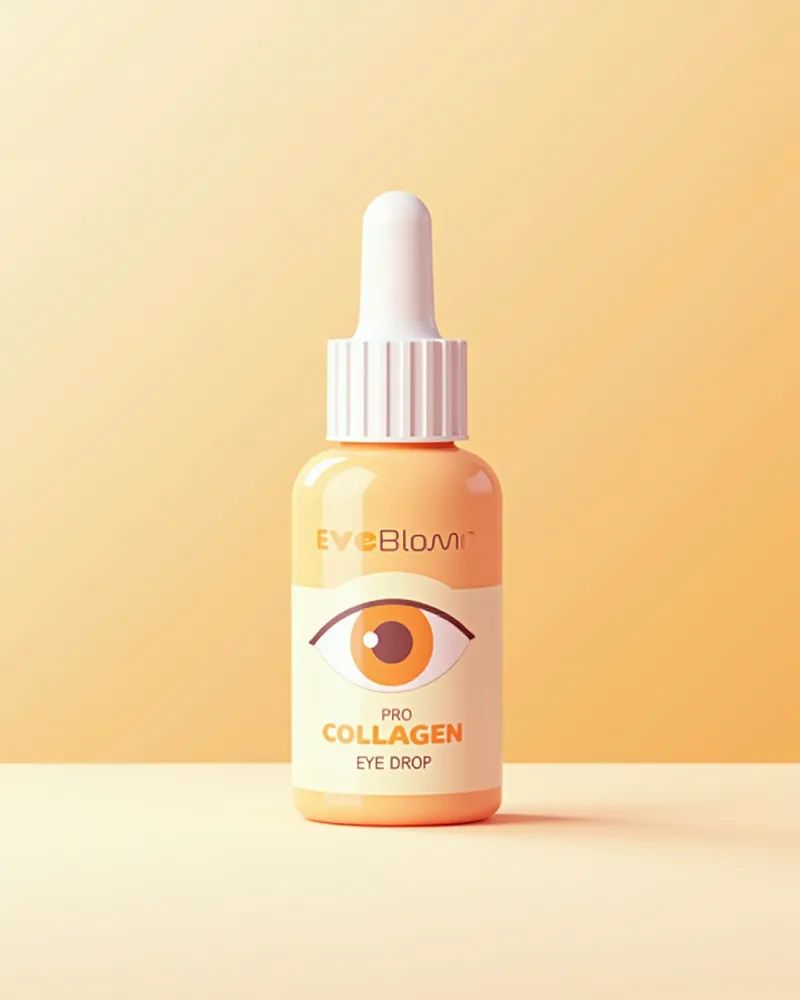
Nunbit Pro Collagen Eye Drops contain collagen and hyaluronic acid as their main ingredients, helping to maintain moisture on the eye surface and relieve irritation caused by dryness. However, eye drops only serve to replenish the tear film and soothe the surface; they cannot return a prolapsed third eyelid or displaced lacrimal glands to their proper position. Please remember that correcting the prolapse itself often requires medical or surgical intervention after diagnosis. Follow the product label and your veterinarian’s instructions for frequency and duration of use. If redness, pain, or discharge increases during use, stop immediately and seek veterinary care. These drops can be helpful as a supportive measure for cats with dry or frequently irritated eyes, but they should never replace a professional veterinary diagnosis.
Product photo of Nunbit Pro Collagen Eye Drops

BEST 2: Pet Mind Third Eyelid Care Gel
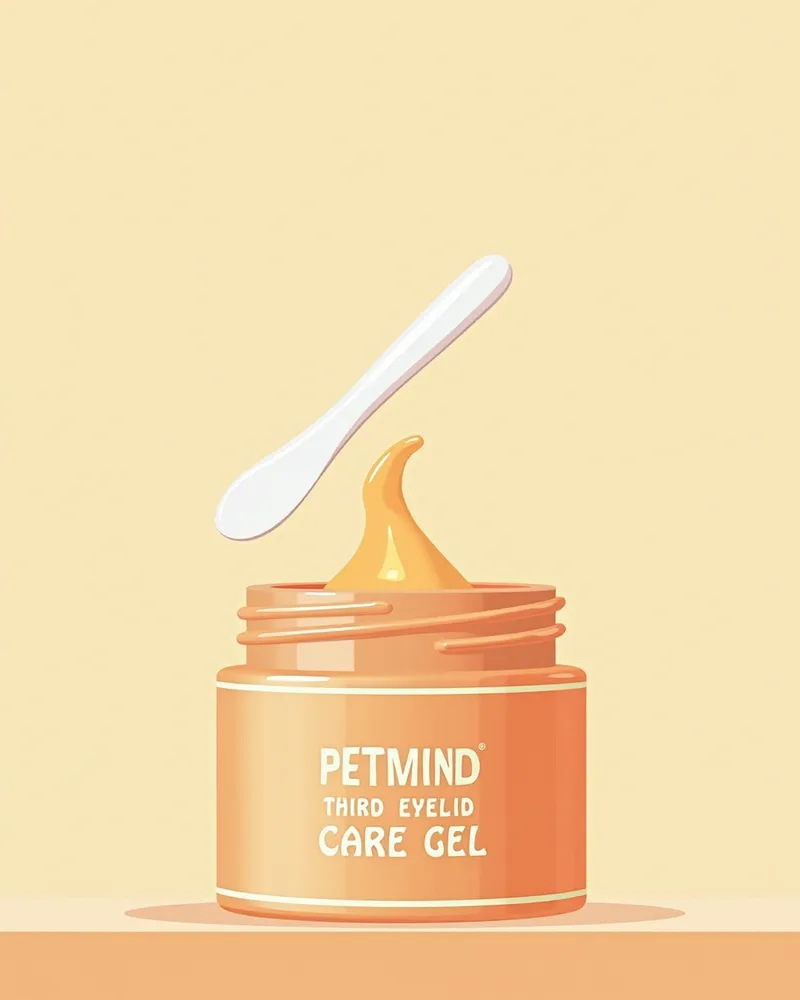
Pet Mind’s Third Eyelid Care Gel is a supportive product designed to soothe the skin around the eyes. Its gel formula minimizes dripping, making it easy to apply around the eye area. However, as a topical gel, it only helps calm irritation on the skin surrounding the eyes; it does not correct a protruding third eyelid or treat the underlying cause of the protrusion. Be careful to avoid getting the gel directly into the eye, and gently apply it only to the surrounding skin. If the protrusion persists, or if you notice swelling, pain, or discharge, do not rely on home care alone—consult a veterinarian for a proper diagnosis. This product can be used as a supplementary aid when the skin around the eyes becomes rough due to dry weather.
Product photo of Petmind Third Eyelid Care Gel

BEST 3: Lightcare Eye Protection Wipes

This wipe gently removes debris and discharge from around the eyes caused by cherry eye. It can be used without water, and its fine fiber structure prevents irritation to the eyes. Gently wipe around the eyes once or twice daily. It is especially effective after going out or in dry weather. The portable packaging makes it convenient for use at home or on the go. It helps keep the skin around the eyes clean and enhances your cat’s comfort.
Photo taken while using LightCare Eye Care Wipes

Comparison Table of BEST 1–3 Products

ItemMain IngredientsFrequency of UseRecommended For
BEST 1: Nunbit Pro Collagen Eye DropsCollagen, hyaluronic acidPer product labelingAuxiliary care for dry, irritated ocular surface
BEST 2: Petmind Third Eyelid Care GelNatural plant extracts, cooling agentsPer product labelingAuxiliary soothing of skin irritation around the eyes
BEST 3: LightCare Eye Protection TissueNatural fibers, fine filterPer product labelingCleaning around the eyes after going out

The above products are for reference for cleaning and auxiliary care around the eyes, and diagnosis and treatment of the third eyelid protrusion itself require a veterinary examination. Protrusion often requires surgical reduction, so consult your veterinarian before using products and choose according to the condition.

Caution: Visit a Vet Immediately if Protrusion Is Severe or Painful

If your pet’s third eyelid remains protruded, tear production increases, or they repeatedly rub their eyes, there may be an infection or inflammation. In such cases, the safest course of action is to have a veterinarian examine them. Be cautious, as self-treatment alone can worsen the condition.

4 Usage Tips to Enhance Effectiveness

To get the most out of your third eyelid prolapse management products, follow these tips. Consistent care is key to seeing results.
Wash your hands before use: Always clean your hands thoroughly before applying the product to prevent the spread of bacteria.
Regular check-ups: Monitor your pet’s eyes daily and keep a record of any changes you notice.
Storage instructions: Store the product at room temperature, away from direct sunlight. Do not refrigerate.
Do not combine with other products: Products with multiple ingredients can irritate the eyes, so it’s best to use only one product at a time.
Photo of someone washing their hands before using the product

Reviewed by a veterinarian

Dr. Tony — Punnawat Phongkittirak

Dr. Tony — Punnawat Phongkittirak

Veterinarian

A veterinarian who majored in veterinary medicine at Khon Kaen University, Thailand, and completed the IVSA program at North Carolina State University in the United States. Drawing on clinical experience at animal hospitals, he works in the pet healthcare field and is dedicated to building a digital care environment that connects pet parents with veterinarians.

Frequently Asked Questions

Is third eyelid prolapse common in cats?
Third eyelid (nictitating membrane) protrusion is a fairly common sign in cats. Cherry eye, in which the tear gland prolapses, is associated with a defect in the connective tissue that anchors the third eyelid and has been reported in breeds with a predisposition, such as the Birman. However, other causes such as Horner’s syndrome, pain, and tumors are also possible, so an accurate diagnosis requires a veterinary examination.
Is it okay to use the eye drops three times a day?
Recommended usage frequency varies by product, and overuse can irritate the eyes. For safety, follow the product label and your veterinarian’s instructions, and avoid increasing the frequency on your own.
Can simply wiping with a tissue help?
Yes, it can help remove debris and discharge around the eyes. However, since the underlying cause itself requires treatment, it’s important to have your pet evaluated by a veterinarian.
Even after using the product, the protrusion does not disappear.
In many cases, including cherry eye, medication alone may not be sufficient, and surgical correction may be necessary. Consulting with your veterinarian to develop a treatment plan tailored to the underlying cause is the safest approach.
Can kittens use this too?
Kittens have delicate eye tissues, and since the recommended age and ingredients vary by product, making your own judgment can be risky. For safety, always consult your veterinarian before use and have the underlying cause of the eye protrusion diagnosed first.

Share

Related Guides

References

[1] Maggs DJ. Third eyelid. In: Maggs DJ, Miller PE, Ofri R, Slatter DH, editors. Slatter’s fundamentals of veterinary ophthalmology. 5th ed. St. Louis, MO: Elsevier; 2013. p. 151-6.

[2] Chahory S, Crasta M, Trio S, Clerc B. Three cases of prolapse of the nictitans gland in cats. Vet Ophthalmol. 2004;7(6):417–419.

[3] Dugan SJ, Severin GA, Hungerford LL, Whiteley HE, Roberts SM. Clinical and histologic evaluation of the prolapsed third eyelid gland in dogs. J Am Vet Med Assoc. 1992;201(12):1861–1867.

This information is based on veterinary literature and does not replace diagnosis or treatment. Please consult a veterinarian for specific health concerns.

Metapet Co., Ltd. | CEO: Park Sung-yong | Business Reg. No. 417-88-02562 | Seoul, South Korea | Customer Center

7 Best Cat Third Eyelid Prolapse Care Products + Criteria | Meongsiljang