

Top 5 Single-Protein Dog Food Recommendations (Rabbit/Fish) — For Allergy Diagnosis
Single-protein dog food is a prescription diet that uses only one novel protein source, such as rabbit, fish, or kangaroo, to help diagnose and manage food allergies.
What Is Single-Protein Dog Food?

Dogs That Need Single-Protein Food
Important Checks Before Starting Single-Protein Food
Diagnosing food allergies should never be left to self-assessment; it must always be done in collaboration with a veterinarian. Many symptoms that appear to be allergic reactions are actually caused by mites, ticks, atopic dermatitis, or hormonal disorders, so simply switching to a single-protein diet may not resolve the issue. Additionally, even single-protein diets can contain trace amounts of other proteins due to cross-contamination during manufacturing, so a hydrolyzed prescription diet may provide more accurate results when food allergies are suspected.
Key Point 1: What Is Single-Protein Food and When Is It Used?
Key Considerations for Single-Protein Food
| Item | Key Points |
|---|---|
| Concept | Uses a single protein source; intended for managing food allergies and sensitivities |
| Selection Check | Check the ingredient list to confirm it is a true single-protein source with no cross-contamination |
| Novel Protein | Whether it is a protein not previously eaten also matters for allergy management |
| Elimination Diet | Accurate diagnosis requires a vet-guided elimination diet, blocking all other treats |
| Consultation | Diagnose the cause first; discuss how to try it with your veterinarian |
This is not a table recommending specific products or devices, but key points to reference for at-home care. Always consult your veterinarian for interpreting measurements and making treatment decisions.
Key Point 2: Conduct Elimination Diets Under Veterinary Supervision

Key Point 3: Single-Protein Food Is Not a Panacea
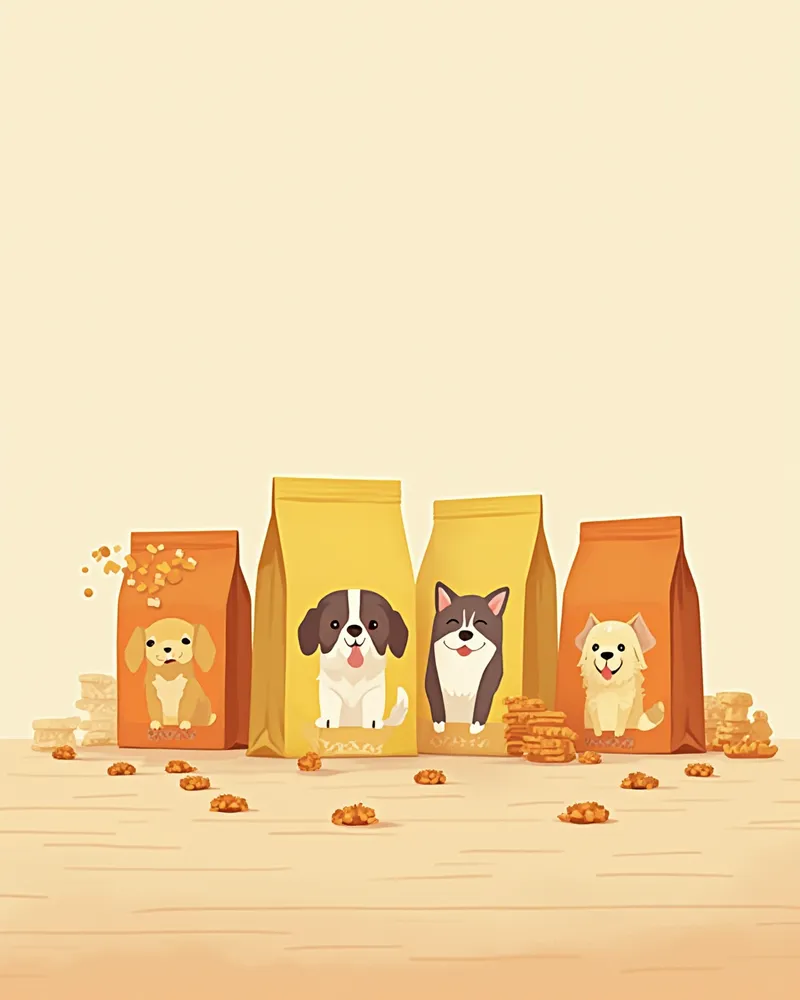
Key Nutritional Components of Single-Protein Food
토끼 단백질
한국 강아지 노출률이 낮은 신규 단백질로 알러지 진단 정확도 높음
Dosage: 사료 라벨 권장량
수의피부과 교과서 권장
연어 오일(오메가-3)
EPA·DHA로 피부 염증 완화, 가려움 감소
Dosage: 체중 1kg당 50~100mg
감자/완두콩
곡물 대체 탄수화물원, 글루텐 프리
Dosage: 사료 라벨 권장량
가수분해 단백질
단백질 분자 크기를 면역세포가 인식 못하는 수준으로 분해
Dosage: 사료 라벨 권장량
Mueller 연구팀(2018) 권장
Absolute Rules to Follow During an Elimination Diet
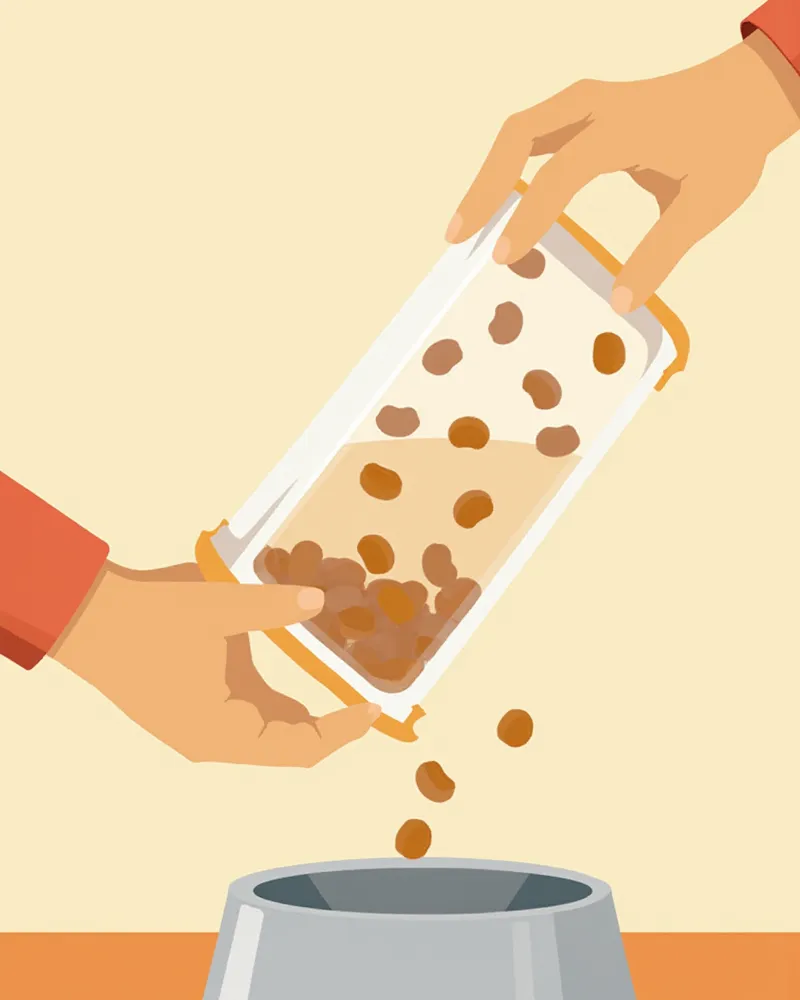
Once you begin an elimination diet, your dog should not be given any food other than the specified protein source. While responses are typically assessed after four to six weeks, many dogs require eight to twelve weeks of exclusive feeding before improvement is confirmed. During this period, even a single piece of human food, another protein-based treat, or a flavored medication, treat, or chew toy can compromise the results, potentially requiring you to restart the process from the beginning. Be sure to check for hidden flavorings (such as chicken or beef) in supplements, toothpaste, and heartworm preventatives. Once significant improvement is confirmed, you must conduct a food challenge by reintroducing the original diet to see if symptoms recur, followed by a stepwise reintroduction of individual proteins for approximately seven days each to monitor reactions. This systematic approach is essential to identify the true culprit protein. This entire process must be carried out under the guidance of a veterinarian.
Single-Protein Dog Food Feeding Guide
Reviewed by a veterinarian

Dr. Tony — Punnawat Phongkittirak
VeterinarianA veterinarian who majored in veterinary medicine at Khon Kaen University, Thailand, and completed the IVSA program at North Carolina State University in the United States. Drawing on clinical experience at animal hospitals, he works in the pet healthcare field and is dedicated to building a digital care environment that connects pet parents with veterinarians.
Reviewed 2026-05-05
Frequently Asked Questions
Is it okay to feed a single-protein diet for life?
Won’t my dog get bored of eating the same food for 8 weeks?
Which is better, rabbit food or salmon food?
Can an allergy be diagnosed using over-the-counter single-protein pet food that doesn’t require a prescription?
Even though my pet is eating a single-protein diet, the itching hasn’t decreased. Why is that?
Share
Related Guides

My Senior Cat Won’t Eat — A Complete Guide to Choosing Food for Cats with Weak Digestion

Top 5 Prescription Diets for Feline Pancreatitis Recommended by Veterinarians — Low-Fat, Highly Digestible Food Guide

Royal Canin vs Hill’s vs Purina vs Orijen — Which Brand Is Right for Your Pet, According to Veterinarians?

7 Warning Signs of Oral Pain in Cats and Management Tips Recommended by Veterinarians
Top 7 Cat Oral Hygiene Products Selected by Veterinarians — How to Choose Based on Ingredients and Efficacy

7 Signs of Feline Oral Fungal Infection and Management Tips for Bad Breath and Ulcers

7 Essential Management Points for Feline Oral Cysts Highlighted by Veterinarians

Oral Bacteria in Cats Linked to Heart and Kidney Disease? 7 Key Oral Care Tips to Prevent Systemic Conditions

Veterinarian-Recommended Top 7 Products for Managing Feline Malocclusion — Including Selection Criteria

Why Is My Cat’s Bad Breath So Bad? — A Complete Guide to Causes and Management Criteria
References
[1] Fascetti A.J., Delaney S.J., Applied Veterinary Clinical Nutrition, 2nd Ed — Commercial and Home-Prepared Diets, Wiley-Blackwell, 2024
[2] Schaer M., Clinical Medicine of the Dog and Cat, 4th Ed — Nutrition and Dietary Therapy, CRC Press, 2017
[3] Olivry T. et al., Critically appraised topic on adverse food reactions of companion animals, BMC Veterinary Research, 2017
[4] Mueller R.S. et al., Diagnosis of canine adverse food reactions, Veterinary Dermatology, 2018