Like
Share
멍실장
강아지 털 관리·빗질 관리 추천 BEST와 고르는 기준 총정리

Top 3 Recommended Dog Grooming and Brushing Tools and Selection Criteria: A Complete Guide

Lifestyle & Age CareTop PicksMeongsiljang Veterinary Advisory Board

We’ve compiled the top three essential grooming tools and techniques for maintaining your dog’s healthy coat, helping to reduce shedding, manage thick fur, and prevent skin issues.

Dog Coat Care and Brushing Are Essential for Healthy Coat and Skin
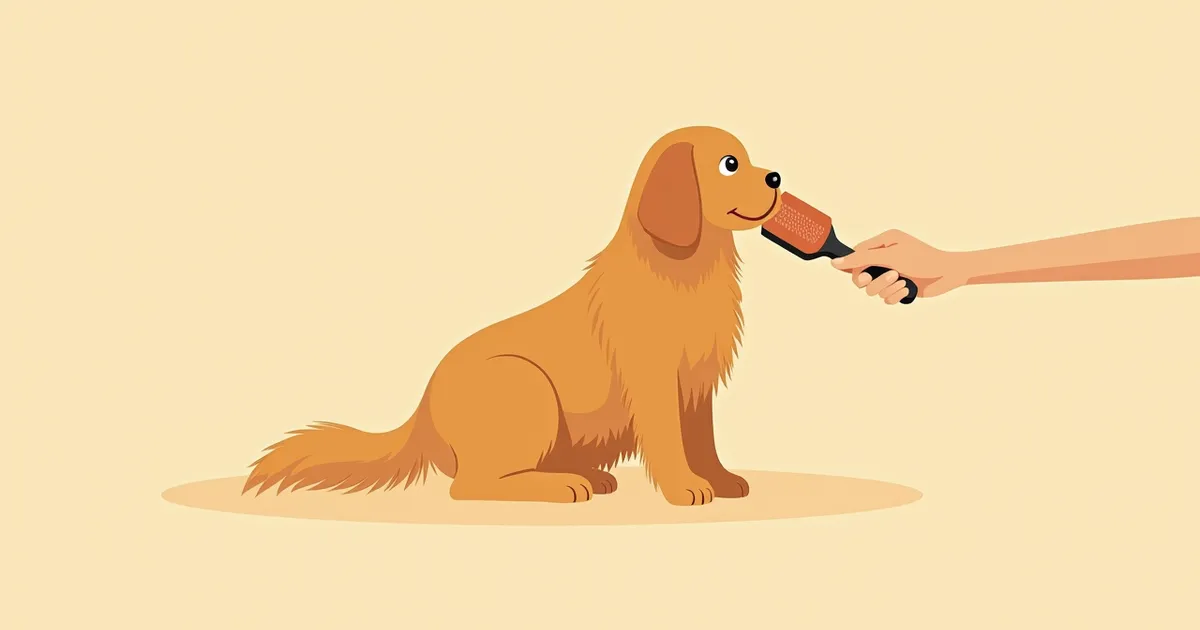
A scene of brushing a dog's fur for grooming.
Brushing your dog’s coat helps manage shedding, allows you to check their skin condition, and strengthens the bond between you and your pet. Regular brushing removes tangles and debris, preventing mats that can irritate the skin if left untreated. This is especially important for breeds with long or dense coats, which benefit greatly from regular grooming. However, be gentle when using brushes or combs, as excessive pressure can cause micro-tears in the skin. Brushing is more than just cleaning—it’s an opportunity to monitor your dog’s skin and coat health while bonding with them. Consistent brushing helps remove loose hair and keeps both the skin and coat in good condition.

6 Key Criteria to Check When Choosing Dog Grooming Tools
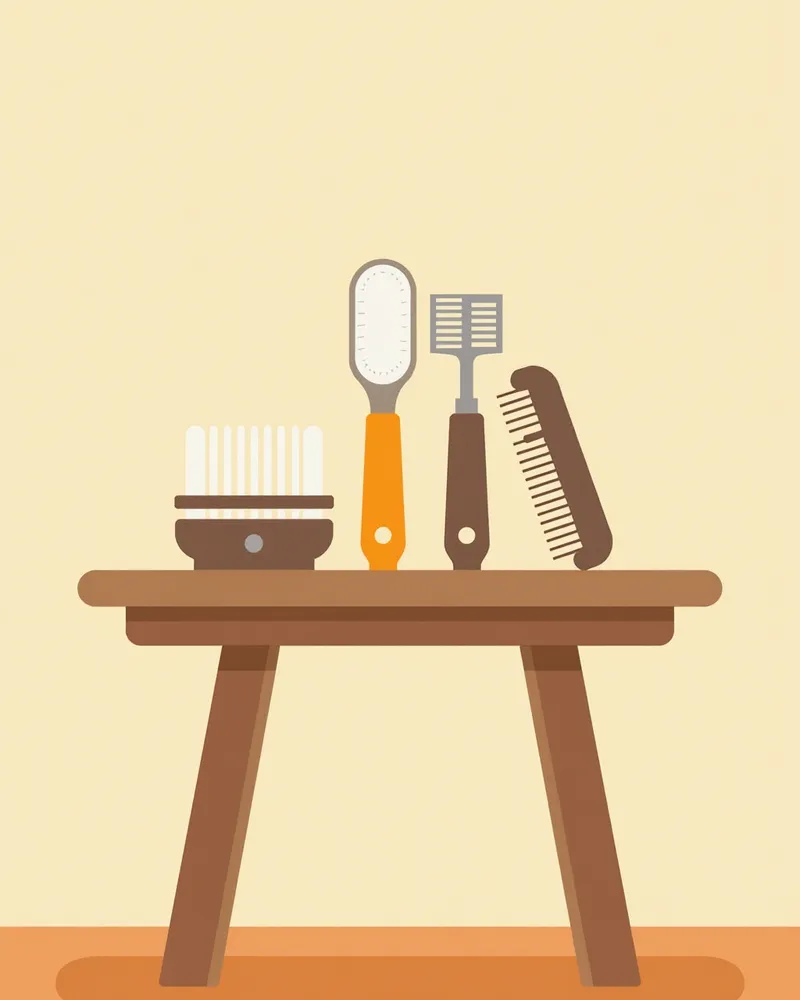
When choosing grooming tools for your dog, consider their coat type, length, and skin sensitivity. The tool should not damage the fur and should have an ergonomic design that feels comfortable in your hand. Make sure it’s made of sturdy materials so the bristles don’t fall out, and check whether it’s easy to clean. For long-haired breeds, pay attention to the spacing between the bristles, as their fur is more likely to get tangled. After brushing, always clean and dry the tool thoroughly. Also, keep your dog’s reaction in mind when selecting the right grooming tool.
A Comparison of Different Dog Grooming Tools

BEST 1: Petplus Slicker Brush (For Long-Haired Breeds)
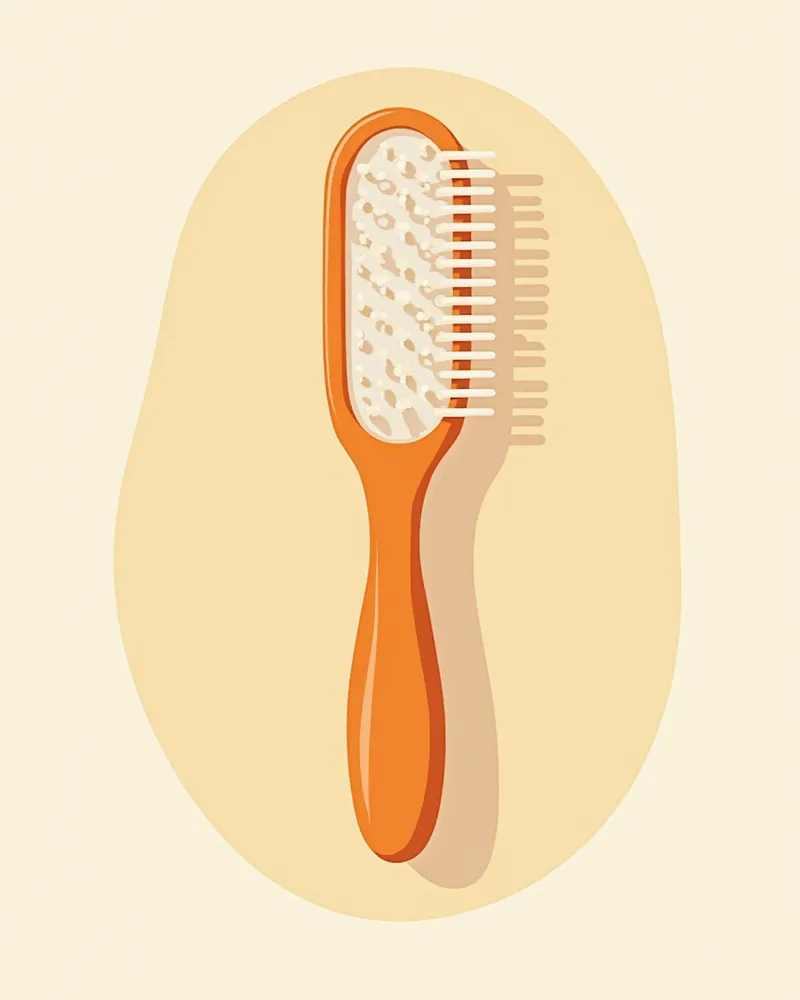
The Petplus Slicker Brush is a useful tool for long-haired breeds. Its fine, pin-like bristles help remove tangles and loose undercoat, and many models are built for durability. While it can be used on breeds prone to matting, the brush’s sharp pins may cause minor skin irritation or scratches if used too aggressively, so it’s important to monitor your dog’s comfort and coat condition and always brush gently. After brushing, your dog’s coat will look smoother and more neatly groomed, with less shedding. Always clean and dry the brush thoroughly after use, and regularly check that the pins are intact and not bent or missing.
Pet Plus Slicker Brush product image

BEST 2: Bristle Pin Brush (For Dogs with Sensitive Skin)
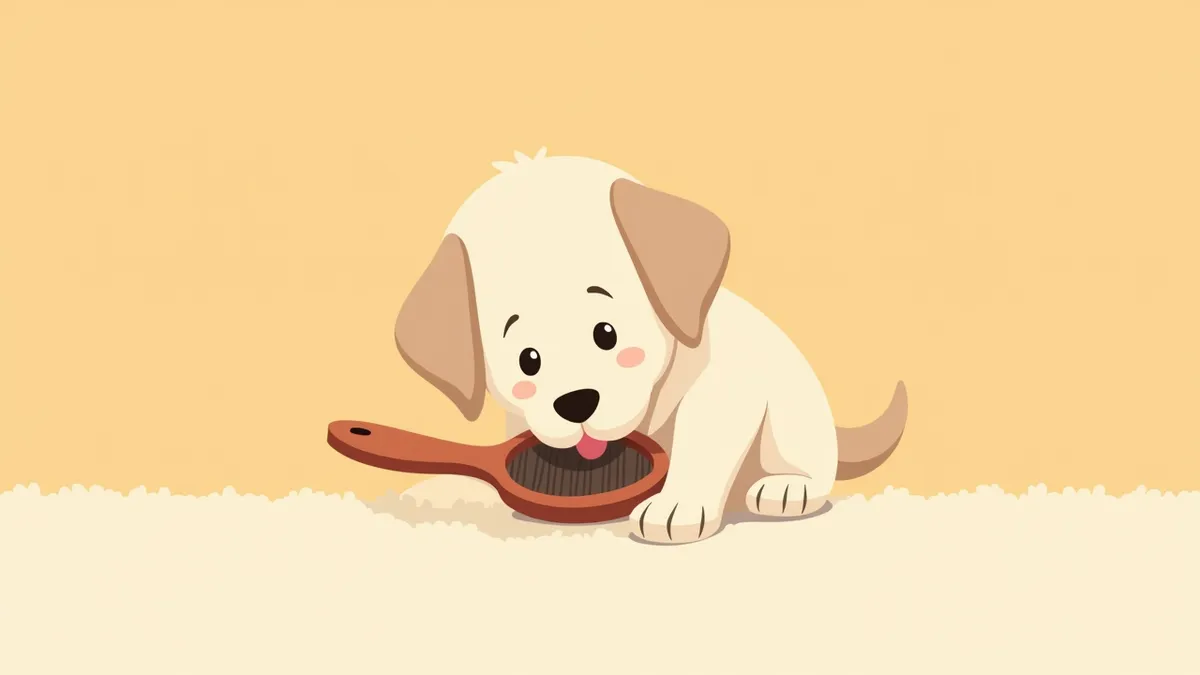
The bristle pin brush is a great tool for dogs with sensitive skin. Instead of sharp bristles, it features pins with rounded tips designed to minimize irritation, allowing for a gentler brushing experience. This can be especially helpful for breeds with fine coats and delicate skin, as it helps reduce stimulation. However, keep in mind that any tool can cause redness or itching if used too harshly, so it's important to adjust the pressure and monitor your dog’s skin response. Properly spaced pins can help reduce tangles and make cleaning easier. If your dog dislikes brushing, start with short sessions and gradually build up their comfort level.
Scene showing the use of a bristled pin brush

BEST 3: Petmate Undercoat Rake (For Shedding and Hair Loss Prevention)
The Petmate Undercoat Rake is a helpful tool for dogs with thick, dense undercoats. It gently removes loose undercoat hair, helping to reduce matting and clear away shed fur. The wide-spaced teeth are designed to glide through the coat without snagging, making it relatively gentle on the skin. However, even with a rake, pulling too hard can irritate the skin, so always brush gently. After brushing, your dog’s coat will look noticeably neater and more groomed. The rake is also easy to clean and dry, making maintenance simple, but be sure to regularly check the condition of the teeth to ensure they remain in good shape.
Scene of using Petmate Undercoat Rake

Comparison Table of BEST 1–3 Dog Grooming and Brushing Tools

ItemProduct nameSuitable coat typeSkin sensitivityPrice rangeRecommended breeds
BEST 1: Pet Plus Slicker BrushSlicker brushLong coatNormal$10Golden Retriever, Siberian Husky
BEST 2: Bristled Pin BrushPin brushFine coatSensitive$10Poodle, Terrier
BEST 3: Petmate Undercoat RakeUndercoat rakeThick house coatNormal$20Alaska Drama, Red Later

Prices are average consumer prices as of 2024. The choice varies depending on coat type and your dog's reaction.

Caution: Incorrect Brushing Methods Can Lead to Skin Damage

Brushing your dog’s coat too vigorously or for too long can irritate the skin or cause injuries. Dogs with sensitive skin, in particular, may develop redness or itching after brushing. It’s best to gently separate any matted areas with your fingers before brushing, and to clean the brush thoroughly afterward. Replace grooming tools regularly, and stop using any brush immediately if the bristles are missing or bent.

5 Dog Coat Care Tips
Grooming your dog’s coat involves more than just brushing. Brushing is especially helpful during shedding seasons or for long-haired breeds, and it’s best to adjust the frequency and duration based on your dog’s response and coat condition. The amount of shedding can vary depending on external temperature and humidity, as well as your dog’s nutritional and overall health status, so complementing brushing with a high-quality, balanced diet is beneficial. Gently detangling the coat before brushing makes the process smoother and reduces strain on the skin. After brushing, remove the loose hair and thoroughly clean and dry the brush. Adjust the brushing session length according to your dog’s comfort level, and keep the experience positive for better results. Since brushing also provides an opportunity to check your dog’s skin and coat condition, aim to make it a consistent, stress-free routine.
Grooming time for dogs and their owners

Reviewed by a veterinarian

Dr. Tony — Punnawat Phongkittirak

Dr. Tony — Punnawat Phongkittirak

Veterinarian

A veterinarian who majored in veterinary medicine at Khon Kaen University, Thailand, and completed the IVSA program at North Carolina State University in the United States. Drawing on clinical experience at animal hospitals, he works in the pet healthcare field and is dedicated to building a digital care environment that connects pet parents with veterinarians.

Frequently Asked Questions

How many times a day should you groom your dog’s coat?
Regular brushing is key. During shedding seasons or for long-haired breeds, more frequent brushing can be helpful. Adjust the frequency based on your dog's response and coat condition.
How do I clean grooming tools?
After brushing, remove any hair caught between the bristles by hand, rinse with water, and dry thoroughly. Regular cleaning is essential, and the brush should be completely dried after each wash to maintain hygiene. Since shared cleaning products used for multiple pets can contribute to infections, it’s best to keep individual grooming tools clean and well-maintained.
My dog hates being brushed. What should I do?
Start with short sessions and gradually build the habit using positive reinforcement. Pay close attention to your dog’s reactions and avoid pushing too hard. Offering a treat after brushing can also help.
When should I replace my grooming tools?
Stop using the brush and replace it immediately if any bristles come out or bend. Bent or damaged bristles can cause tiny scratches on the skin, so it’s a good idea to check them regularly and replace the brush if you notice any wear.
Do short-haired dogs need brushing too?
Yes, brushing is necessary for short-haired dogs as well. It helps you check the condition of their skin and coat, remove loose hair, and strengthen the bond with your dog. Brushing also provides a great opportunity to examine your dog’s skin health.

Share

Related Guides

References

[1] The Cat, Clinical Medicine and Management, 2nd Edition, 2023

[2] A Professional’s Guide to Feline Behaviour, 2024

[3] Plumb's Veterinary Drug Handbook, 10th Edition, 2022

This information is based on veterinary literature and does not replace diagnosis or treatment. Please consult a veterinarian for specific health concerns.

Metapet Co., Ltd. | CEO: Park Sung-yong | Business Reg. No. 417-88-02562 | Seoul, South Korea | Customer Center

Top 3 Dog Grooming & Brushing Tools: How to Choose the Best | Meongsiljang