Like
Share
멍실장
강아지 공포 기반 공격성 관리 추천 BEST와 고르는 기준 총정리

Top Recommended Management Strategies for Fear-Based Aggression in Dogs and Selection Guidelines

Brain & CognitionTop PicksMeongsiljang Veterinary Advisory Board

Fear-based aggression in dogs is a defensive behavior rooted in fear. We’ve compiled the top five evidence-based management strategies from veterinary behaviorology, along with guidelines for selecting products and training methods.

What Is Fear-Based Aggression in Dogs?

Characteristics of a dog’s defensive posture when exhibiting fear-based aggression
Fear-based aggression in dogs is a defensive behavior where a frightened dog growls or bites to protect itself. The most important thing to understand is that this isn’t about a “bad temperament.” It’s a survival instinct triggered when a dog feels trapped and unable to escape from a frightening stimulus. Responding with punishment can deepen the fear and worsen the aggression. This article outlines the top five evidence-based management strategies from veterinary behaviorology, along with guidelines for choosing the right approach.

Fear-Based vs. Dominance-Based Aggression — Distinguish First
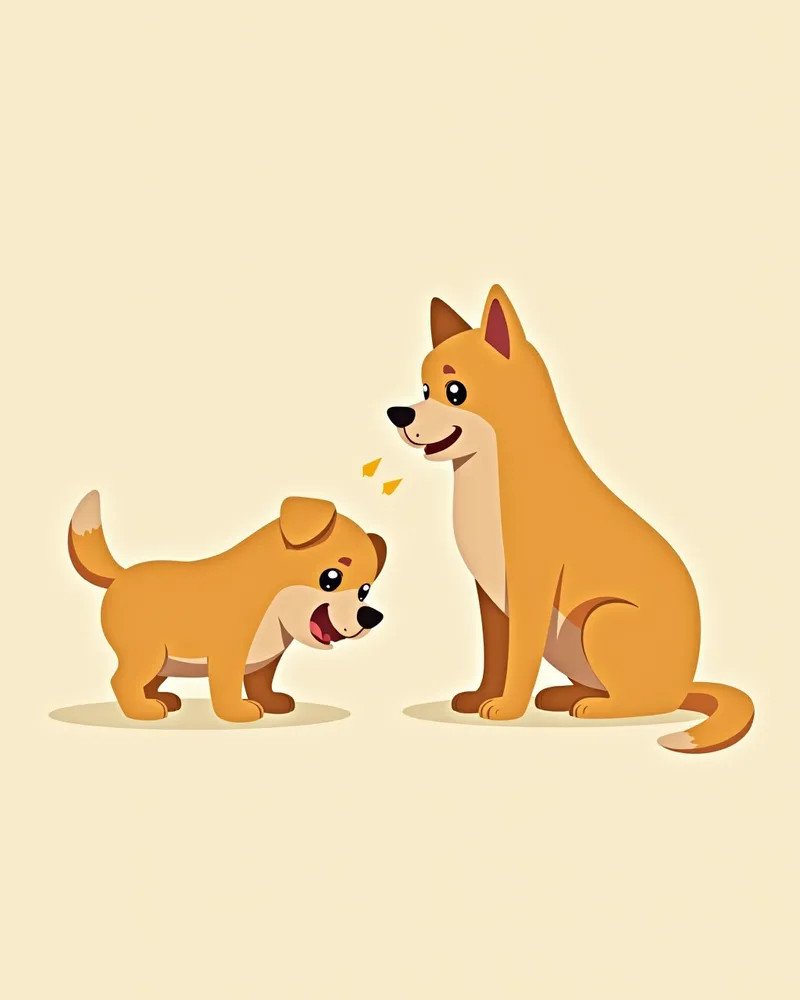
Because the management approach differs entirely, it is essential to distinguish between the two.
Fearful (defensive) aggression: The ears are pinned back, the tail is tucked, and the body is lowered. The dog shifts its weight backward, retreats, and may open its mouth wide to expose all teeth. The reaction intensifies when escape is impossible.
Dominant (offensive) aggression: The head and tail are held high, and the body is stiff. A characteristic feature is a steady, direct stare at the other party, with primarily the front teeth bared.
Veterinary behavior textbooks classify these as "defensive" and "offensive" aggression. This classification, based on emotional state, is more accurate than the outdated explanation using the concept of "dominance (hierarchy)." Since the two types often overlap or transition into one another, it is safest to have a veterinary behavior specialist determine the exact type.
Comparing the body language of fear-based aggression and dominance-based aggression in dogs

Contact a Professional Immediately in These Situations

If your dog has a bite that breaks the skin, starts biting suddenly without warning, or shows rapidly worsening aggression, you should consult a veterinary behavior specialist immediately. Households with young children or elderly members need to seek help even more urgently. If aggression appears suddenly, it’s important to first rule out underlying medical issues, such as pain.

BEST 1 — Identifying and Avoiding Triggers

According to veterinary behavior textbooks, the first step in managing any aggression is to identify the triggers and prevent exposure to them. Continued exposure to triggers can lead to a worsening pattern where the dog reacts to even milder stimuli.
Trigger Logging Method: Record the date, location, and circumstances immediately preceding each aggressive incident in a note-taking app to help reveal patterns. Common triggers include strangers, specific sounds, other dogs, and hands reaching over the head. Sharing this log with a professional enables a much more accurate diagnosis.
How to Record and Identify Your Dog’s Aggression Triggers

BEST 2 — Systematic Desensitization and Counterconditioning Training
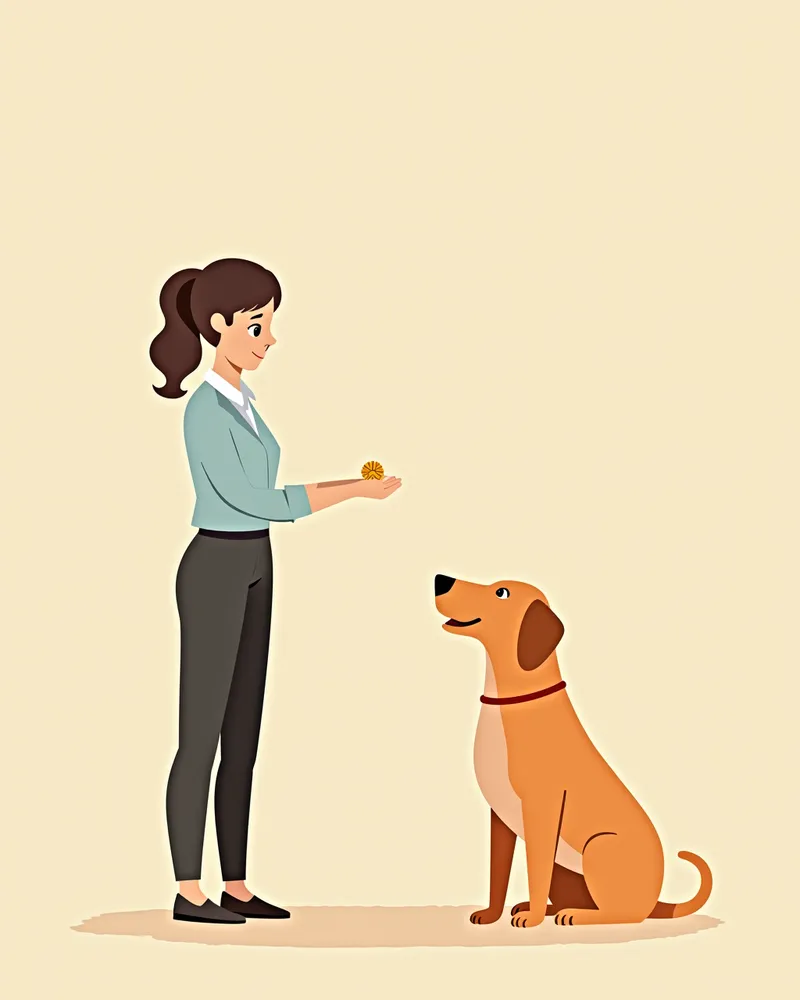
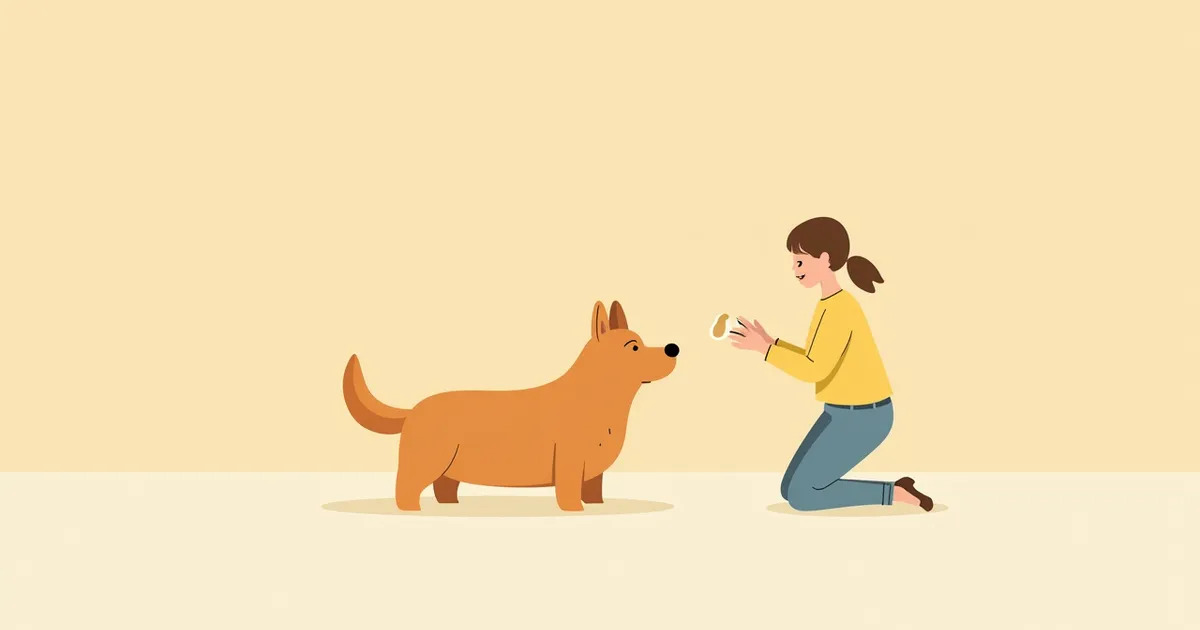
This is the most evidence-based training method in veterinary behaviorology for managing fear-based aggression. It involves repeatedly exposing the dog to a fearful stimulus at a very low intensity (systematic desensitization) while simultaneously pairing it with positive experiences like treats and praise (counterconditioning). The key to desensitization is keeping the exposure intensity very low so as not to trigger fear.
Key Points:
- Starting Intensity: Begin only at a level where the dog shows no tension at all. - Pacing: Practice consistently every day, never rushing—typically, improvement signs appear within 4 to 6 weeks of daily sessions for a single stimulus. - Success Signal: If the dog looks at you without tension upon seeing the trigger, you can move to the next step. We strongly recommend starting with a professional trainer.
Systematic desensitization and counterconditioning training for fear-based aggression in dogs

BEST 3 — Fear-Inhibiting Pheromone Products

There are products that synthesize the calming pheromone mother dogs secrete for their puppies. They work best when combined with behavior modification training, and their effectiveness is limited when used alone.
Selection criteria by product type:
- Diffuser type: Suitable when constant exposure in a specific area of the home is needed. - Collar type: Ideal when continuous calming effects are required during outings or travel. - Spray type: For temporary use in carriers or specific spaces. We do not recommend using pheromone products alone without training.
How to use the puppy fear-inhibiting pheromone diffuser

BEST 4 — Selecting Muzzles and Safety Equipment

Muzzles are safety management tools, not punishment devices. Veterinary behavior textbooks recommend using safety equipment such as muzzles, harnesses, and head collars for aggressive dogs to ensure the safety of owners and others.
Selection criteria:
- Basket muzzles: Allow the dog to drink water and receive treats without fully closing the mouth, making them suitable for extended wear during training. - Band muzzles: Should only be used for short procedures or grooming sessions; prolonged wear is prohibited. - Double-leash systems and harnesses: Help prevent escape and improve control (front-clip harnesses reduce pulling, making it easier to redirect the dog away from stimuli). Muzzle training requires gradual desensitization with sufficient time and patience to help the dog become comfortable. Forcing a muzzle on without proper adaptation can intensify fear. Muzzle training is a fundamental safety skill recommended even for non-aggressive dogs.
How to Choose a Safe Basket Muzzle for Your Dog

BEST 5 — Consultation with a Veterinary Behavior Specialist and Medication
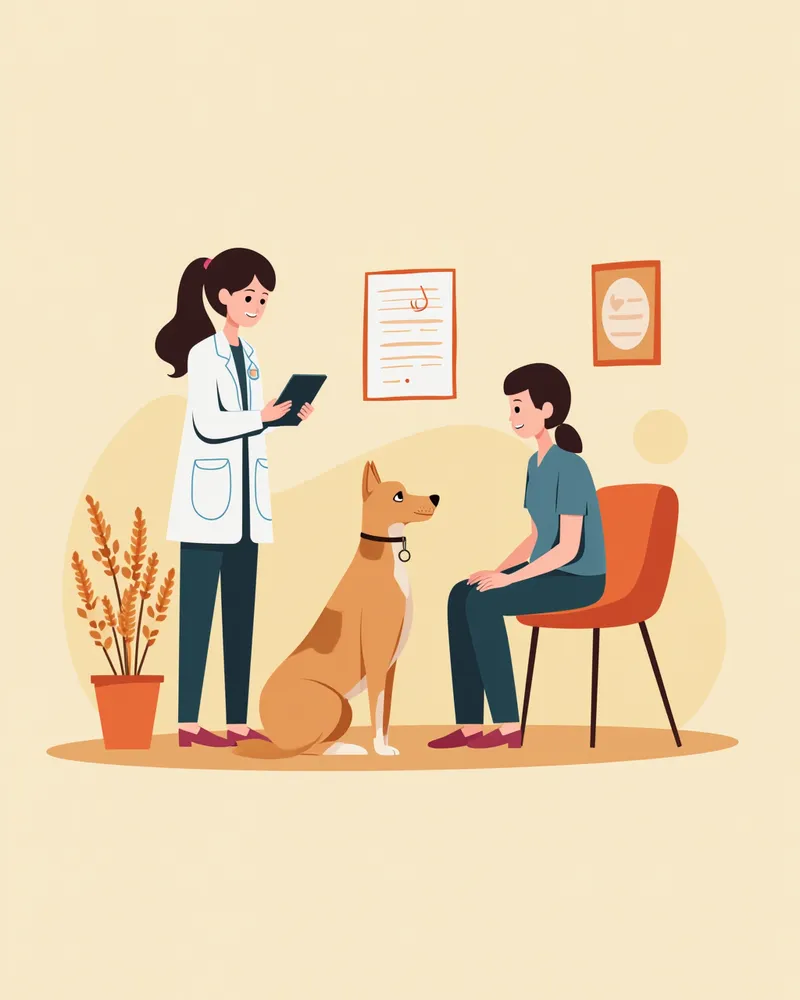
Severe fear-based aggression may be difficult to improve with behavior modification training alone. A veterinary behavior specialist can guide you in using medication alongside behavior modification to help alleviate fear and anxiety, making it easier for your pet to learn during training. Medication is most effective when used in combination with behavior modification—it is not a standalone cure, but rather a supportive tool to aid training. Additionally, as fear, anxiety, and stress intensify, your pet may respond more slowly to medication and require higher doses, making early consultation crucial.
When a specialist consultation is essential:
- When a bite breaks the skin - Unpredictable aggression without an identifiable trigger - When no improvement is seen after three months of training
Consultation with a veterinary behavior specialist for fear-based aggression in dogs

What You Must Never Do

Punishing fear-based aggression (e.g., with shock collars, water sprays, or yelling) may seem to suppress the behavior in the short term, but it actually deepens the dog’s fear and lowers its aggression threshold. Punishing growls to eliminate them can create a far more dangerous situation where the dog bites without warning. Growling and baring teeth are important communication signals from your dog—do not suppress them.

Reviewed by a veterinarian

Dr. Tony — Punnawat Phongkittirak

Dr. Tony — Punnawat Phongkittirak

Veterinarian

A veterinarian who majored in veterinary medicine at Khon Kaen University, Thailand, and completed the IVSA program at North Carolina State University in the United States. Drawing on clinical experience at animal hospitals, he works in the pet healthcare field and is dedicated to building a digital care environment that connects pet parents with veterinarians.

Frequently Asked Questions

Can fear-based aggression in dogs be completely cured?
It’s more realistic to approach this as “management” rather than a “cure.” With systematic training and environmental management, you can significantly reduce both the frequency and intensity of aggressive episodes. Progress may be gradual and subject to fluctuations, but with consistent effort, many dogs improve to a point where aggression no longer interferes with daily life.
Can neutering help with fear-based aggression?
There isn't enough evidence to suggest that neutering is generally effective for fear-based aggression. While it may help with some hormone-related aggression, fear-based aggression is a separate issue. Consult with your veterinarian to make a decision based on the individual situation.
Should I manage my dog’s aggression if it’s only directed at a specific person?
Yes, it’s necessary. Target-specific aggression can lead to accidents in unpredictable situations involving delivery personnel, guests, and others. Even if the behavior isn’t severe right now, start using safety equipment and managing triggers, and seek a professional evaluation if possible.
Is it possible to train your pet at home on your own?
If the issue is mild, you can practice at home under professional guidance. However, if your pet has a history of biting or unpredictable aggression, attempting this on your own could be dangerous. Always have a professional conduct the initial assessment.
Can older dogs still benefit from training?
Yes, senior dogs can learn new behavioral patterns. However, they may progress more slowly than younger dogs, and physical discomfort such as joint pain can lower their aggression threshold, potentially influencing aggressive behavior. Therefore, it is advisable to approach training alongside a thorough physical examination.

Share

Related Guides

References

[1] Maddison, J., Page, S., Church, D. 100 Top Consultations in Small Animal General Practice. Wiley-Blackwell, 2011. Ch.86 Inter-dog and Territorial Aggression.

[2] Hammerle, M., et al. Veterinary Guide to Preventing Behavior Problems in Dogs and Cats. American Veterinary Society of Animal Behavior, 2015. Ch.9 Aggression in Dogs.

[3] Neidhart, L., Boyd, R. Introduction to Animal Behavior and Veterinary Behavioral Medicine. Wiley-Blackwell, 2023. Ch.15 Canine Aggression.

This information is based on veterinary literature and does not replace diagnosis or treatment. Please consult a veterinarian for specific health concerns.

Metapet Co., Ltd. | CEO: Park Sung-yong | Business Reg. No. 417-88-02562 | Seoul, South Korea | Customer Center

Fear-Based Aggression in Dogs: 5 Best Ways to Manage It | Meongsiljang