Like
Share
멍실장
강아지 분리 시 파괴 행동 관리 추천 BEST와 고르는 기준 총정리

Dogs That Chew When Left Alone — 7 Management Strategies for Separation-Related Destructive Behavior and How to Choose

Brain & CognitionTop PicksMeongsiljang Veterinary Advisory Board

When left alone, dogs may exhibit destructive behaviors like chewing furniture or scratching doors, often due to separation anxiety or boredom. Here are the top four management strategies, along with guidelines for choosing the right approach based on the underlying cause and severity.

What Is Destructive Behavior in Dogs When Left Alone?
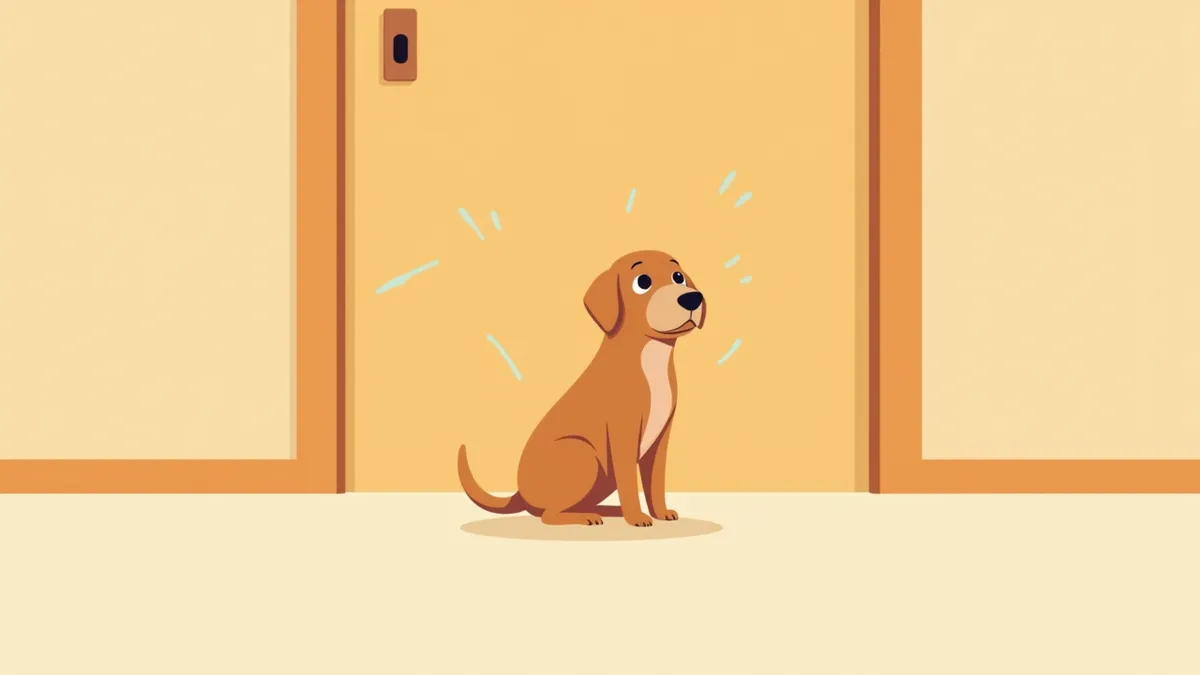
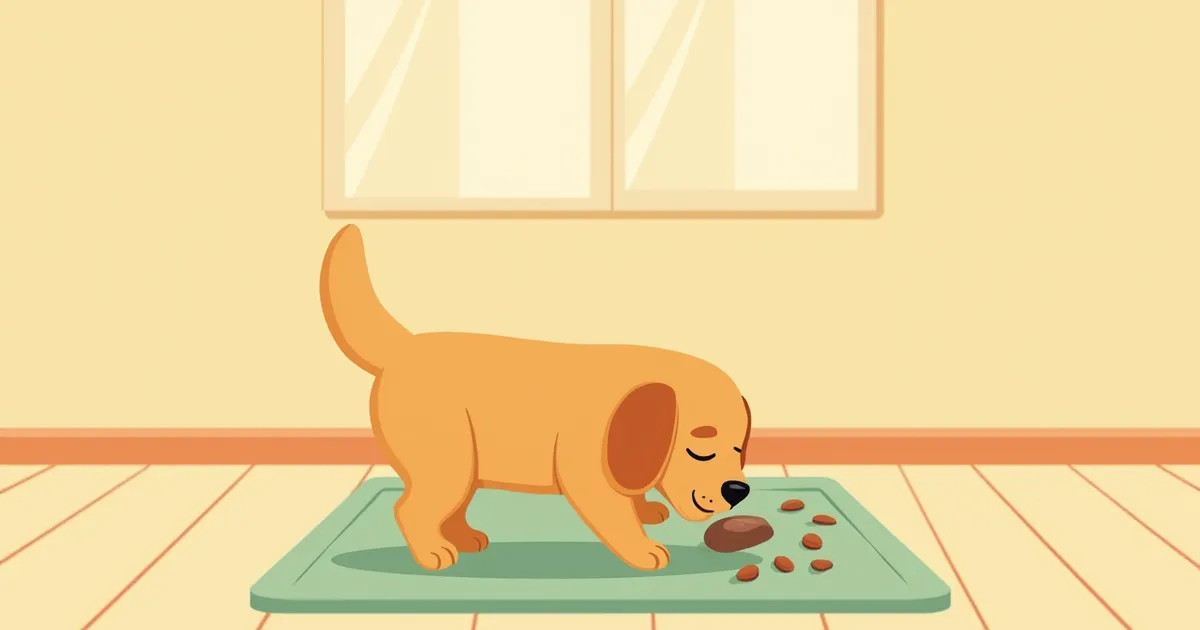
A puppy waiting alone by the door
Destructive behavior in dogs when left alone is a separation-related behavioral disorder that manifests as chewing furniture, scratching doors, or gnawing on objects while separated from their owners. What’s truly important is understanding that this behavior isn’t driven by “revenge” or “stubbornness,” but rather represents the dog’s attempt to self-soothe anxiety that feels overwhelming. Because management strategies differ significantly depending on whether the root cause is genuine separation anxiety or simply boredom, accurate assessment is essential.

Two Causes of Destructive Behavior — Separation Anxiety vs. Boredom

While the causes of destructive behavior are often complex and multifaceted, they can be broadly categorized into two main types from a management perspective.
Separation Anxiety: This can stem from an excessive attachment to a specific caregiver or an inability to cope with being alone. Common signs include barking, panting, drooling, and pacing, along with attempts to escape by scratching at cages or doors.
Boredom and Exploration Drive: This is common in puppies who lack sufficient walks or playtime, but even normal adult dogs explore their environment with their mouths by chewing and tearing objects. While both causes require correction, the approach differs. Keep in mind that separation anxiety can also manifest as a multifactorial issue, overlapping with other factors such as frustration or general anxiety.

5-Point Checklist to Check for Separation Anxiety
If several of the following signs overlap and appear in a consistent pattern, separation anxiety may be suspected. However, this is only for self-assessment reference; an accurate diagnosis requires a thorough evaluation of the onset timing, patterns around departures and returns, and the degree of attachment.
Pre-departure anxiety: Barking or whining as soon as you start preparing to leave the house.
Prolonged post-return excitement: Excitement that does not subside for several minutes after your return.
Shadowing syndrome: Excessive attachment, constantly following the owner around.
Destruction only when alone: No problematic behaviors when the owner is present.
Reduced appetite when alone: Refusing treats or food while the owner is away.
Note that gastrointestinal symptoms such as vomiting or diarrhea are often caused by medical conditions rather than separation anxiety. If these symptoms are present, it is essential to have a veterinary examination to rule out medical causes before attributing the behavior to a behavioral issue.
A dog that follows its owner around like a shadow

Go to the Vet First If You See These Symptoms

If your dog is engaging in self-harmful scratching severe enough to injure its paw pads or teeth, sustaining injuries while attempting to escape its cage, experiencing defecation or vomiting, or continuing to tremble for an extended period even after you return home, behavioral modification alone may not be sufficient. In such cases, it is important to consult a veterinary behavior specialist or a veterinarian to develop a treatment plan that may include medication as part of the therapy.

BEST 1 — Systematic Desensitization Training (The Most Fundamental Approach)
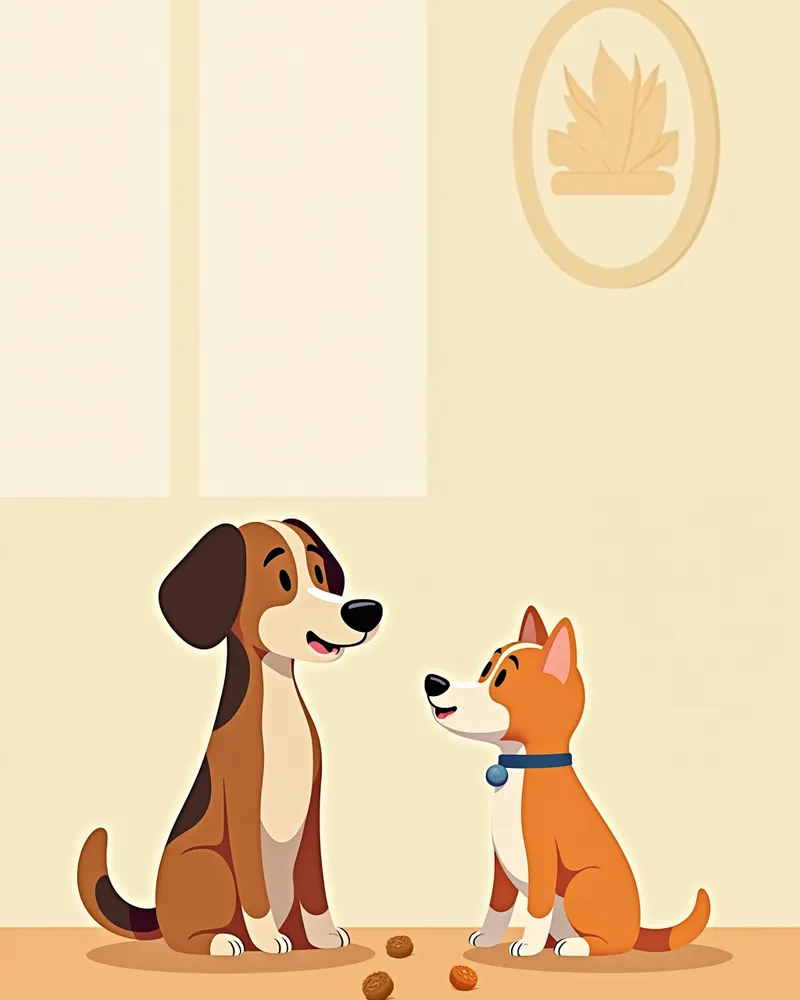
This approach directly addresses the core cause of separation anxiety: the fear of being alone. Start by leaving your dog alone for just 30 seconds. If they remain calm, gradually increase the duration over time.
Key Point: Training is only effective when conducted just before your dog shows signs of anxiety. It’s crucial to begin with very low-intensity exposure so as not to trigger fear. If your dog has already started barking or scratching, shorten the duration even further.
Duration: With consistent daily practice, improvement typically begins within 4 to 6 weeks. In severe cases, it may take several months or longer, requiring significant patience. While this is the most effective method, it also demands the greatest patience.
A puppy undergoing desensitization training

BEST 2 — Environmental Enrichment (Relieving Boredom and Exploration Drive)

This approach is especially effective for high-energy breeds and young puppies. Before you leave, take your dog for a good 30- to 40-minute walk to help them burn off excess energy, then use treat-dispensing toys (such as Kong toys, snuffle mats, or puzzle feeders) to create positive associations with alone time.
Note: Dogs with severe separation anxiety often show little interest in toys. Environmental enrichment is effective for alleviating boredom, but should be used only as a supplementary measure for separation anxiety.

BEST 3 — Independence-Building Training (Starting with Daily Habits)
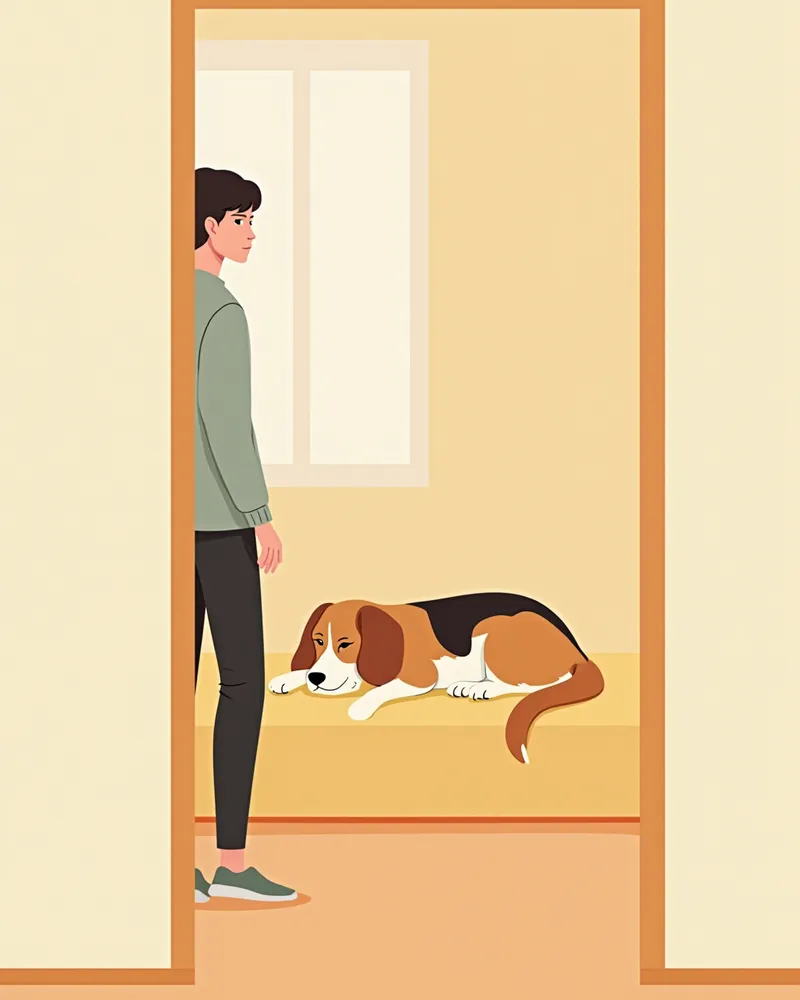
This approach helps gradually change the habit of always following you around.
How to do it: Even when you’re home, give your dog time alone in a room. Start with the door open, then gradually increase the time with the door closed. It’s also important not to overreact when you come home. Come in calmly and greet your dog only after they’ve settled down.
Effect: Effective in preventing and improving mild separation anxiety.
A dog resting comfortably in its own spot

BEST 4 — Consultation with a Veterinary Behavior Specialist (Essential for Severe Cases)

If consistent efforts using the methods described above yield no improvement, or if destructive behaviors escalate to the point of self-harm, professional consultation is necessary. A veterinarian will assess the severity of the anxiety and determine whether anti-anxiety medication is appropriate.
The role of medication: Medication serves as an "adjunct tool" to training. Behavioral modification must be conducted concurrently with medication for it to be effective; discontinuing medication without implementing training can lead to relapse.
Costs: Fees for veterinary behavioral consultations vary by clinic, so please inquire directly for specific pricing.

Comparison of the 4 Management Approaches at a Glance

ItemDesensitization TrainingEnvironmental EnrichmentIndependence TrainingProfessional Consultation
Suitable ForSevere separation anxietyBoredom & need for activityMild cases & preventionSevere cases at self-harm level
Time Required2–6 months+Immediate effect2–8 weeksAt veterinarian's discretion
Owner EffortVery highModerateHighLow (delegated)
CostLowToy purchase costLowConsultation & medication cost
Can Be Used AlonePossible for mild casesBoredom onlyPossible for mild casesEssential for severe cases

Combined application recommended depending on severity

Scolding After Returning Home or Confining in a Cage Is Ineffective

Scolding your dog while showing them the damaged item won’t help them understand what behavior led to the punishment. In fact, it may cause them to associate your presence with fear. Similarly, using a cage isn’t a solution if the dog is so anxious that they injure themselves inside. Instead of punishment, training that addresses the underlying cause is necessary.

Reviewed by a veterinarian

Dr. Tony — Punnawat Phongkittirak

Dr. Tony — Punnawat Phongkittirak

Veterinarian

A veterinarian who majored in veterinary medicine at Khon Kaen University, Thailand, and completed the IVSA program at North Carolina State University in the United States. Drawing on clinical experience at animal hospitals, he works in the pet healthcare field and is dedicated to building a digital care environment that connects pet parents with veterinarians.

Frequently Asked Questions

Can you determine whether your pet has separation anxiety by reviewing footage from a pet camera while they’re home alone?
Yes, it’s very helpful for diagnosis. If barking, panting, and pacing are concentrated within the first 30 minutes after you leave, separation anxiety is likely. On the other hand, if your dog chews up items out of boredom while waking from a long nap, it’s more likely due to boredom, which requires a different approach.
My dog shows no interest in nose work or treat-dispensing toys. Why is that?
Dogs with severe separation anxiety are often so overwhelmed by fear that they lose interest in eating altogether. If your dog shows no interest in toys, it’s likely not just boredom but genuine separation anxiety. In such cases, desensitization training or consultation with a professional should be the first step.
Even though I played with my dog enough before leaving for work, they still engage in destructive behavior. Could the issue be insufficient exercise?
The issue may not be a lack of exercise. If the destructive behavior is concentrated immediately after you leave, the root cause is likely separation anxiety. In such cases, systematic desensitization training or consultation with a professional is necessary.
Will destructive behavior decrease if I keep two pets together?
Not necessarily. If your dog's separation anxiety stems from an attachment to a specific caregiver, having another dog won't help—and may even cause both dogs to become more anxious. It's important to address the root cause of your current dog's anxiety before bringing a new pet into the home.
My dog has shown destructive behavior since puppyhood. Can it improve once he becomes an adult?
It can get better. Adult dogs can also improve with systematic training and a consistent routine. However, the longer the habit has been ingrained since puppyhood, the more time it will take. In severe cases, seeking help from a veterinary behaviorist can lead to much faster improvement.

Share

Related Guides

References

[1] Overall KL. Manual of Clinical Behavioral Medicine for Dogs and Cats. Elsevier Mosby, 2013

[2] Horwitz DF, Mills DS (eds). BSAVA Manual of Canine and Feline Behavioural Medicine, 2nd ed. BSAVA, 2009

[3] Bowen J, Heath S. Behaviour Problems in Small Animals: Practical Advice for the Veterinary Team. Elsevier Saunders, 2005. Chapter 89: Separation problems in the dog

[4] De Assis LS, Matos R, Pike TW et al. Developing Diagnostic Frameworks in Veterinary Behavioral Medicine: Disambiguating Separation Related Problems in Dogs. Front Vet Sci. 2020

This information is based on veterinary literature and does not replace diagnosis or treatment. Please consult a veterinarian for specific health concerns.

Metapet Co., Ltd. | CEO: Park Sung-yong | Business Reg. No. 417-88-02562 | Seoul, South Korea | Customer Center

Dogs That Chew When Left Alone: 7 Ways to Stop Destruction | Meongsiljang