Like
Share
멍실장
고양이 고혈압성 심장 질환 관리 추천 BEST와 고르는 기준 총정리

7 Key Strategies for Managing Feline Hypertensive Heart Disease Recommended by Veterinarians

HeartTop PicksMeongsiljang Veterinary Advisory Board

Feline hypertensive heart disease occurs when high blood pressure places excessive strain on the heart, leading to impaired cardiac function. Here’s a summary of effective management products and guidelines.

What is Feline Hypertensive Heart Disease?
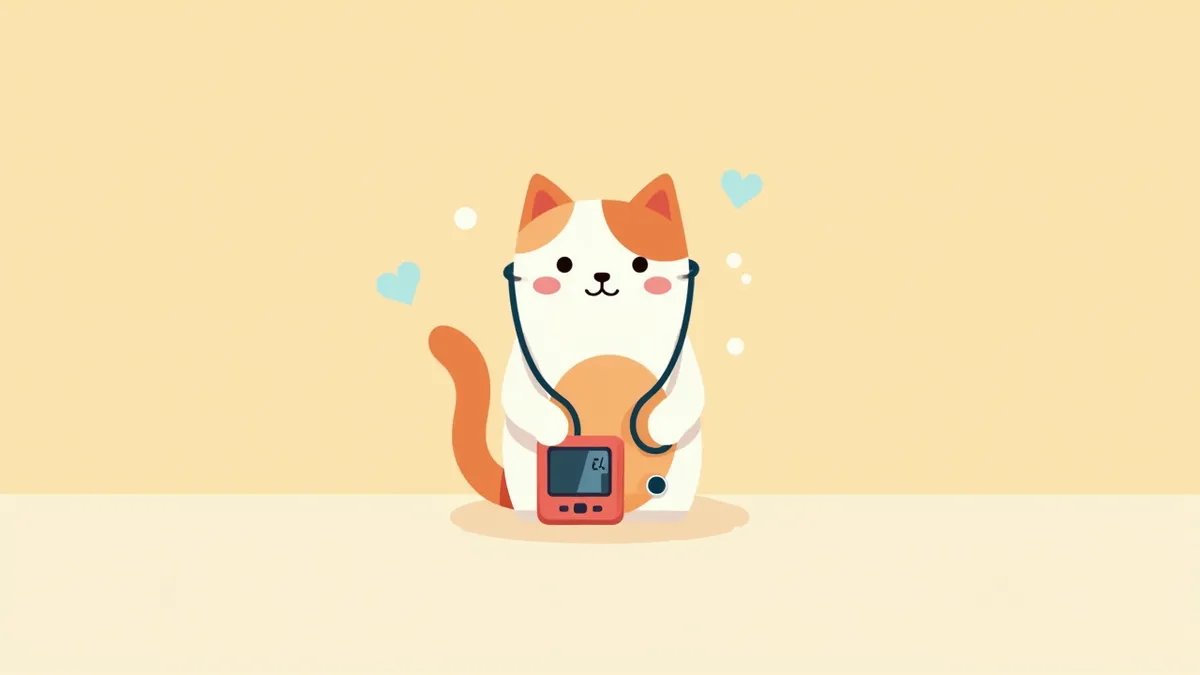
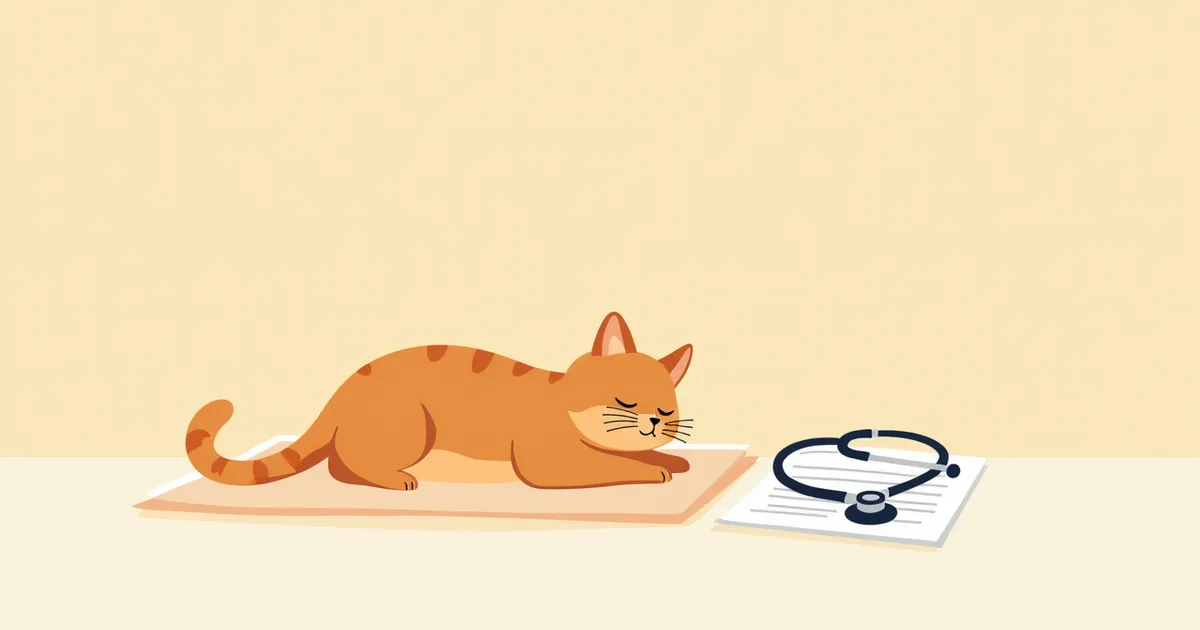
An image of a cat having its heart rate measured, with a blood pressure monitor and stethoscope visible.
Feline hypertensive heart disease refers to a condition in which persistent high blood pressure places strain on the heart, causing thickening of the left ventricular wall (left ventricular hypertrophy). In fact, some degree of left ventricular hypertrophy is observed in a significant number of cats with systemic hypertension. As the heart muscle thickens, the heart cannot relax adequately (diastolic dysfunction), which can ultimately lead to heart failure. Unlike in humans, hypertension in cats is most often secondary, resulting from an underlying disease. It is common in middle-aged to senior cats, with chronic kidney disease and hyperthyroidism being frequent causes. - Blood pressure measurement: Regular blood pressure monitoring is key to early detection. - Identifying the cause: It is important to work with your veterinarian to identify the underlying cause and develop a treatment plan. - Early management: Starting management before symptoms appear is effective. Early intervention greatly supports long-term health maintenance.

Selection Criteria: Tips for Choosing Products to Manage Hypertensive Heart Disease
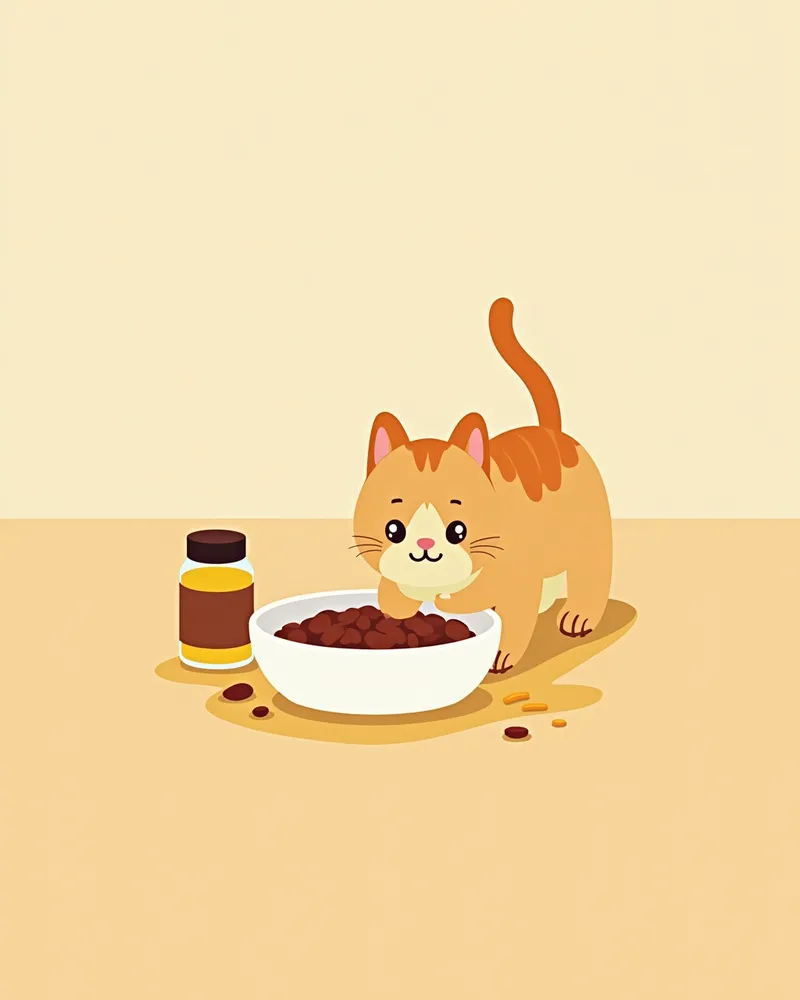
When choosing a supplement for managing hypertensive heart disease in cats, carefully evaluate the ingredients, stability, ease of administration, and whether it is recommended by veterinarians. However, it is important to remember that systemic hypertension in cats is not controlled by supplements alone; primary treatment requires veterinarian-prescribed medications such as amlodipine, a calcium channel blocker. Since there is no clear evidence that ingredients like potassium or magnesium directly lower blood pressure, it is safest to view supplements solely as aids to support prescribed medications and the treatment of underlying conditions, such as kidney disease or hyperthyroidism. Additionally, liquid or jelly formulations are easier to administer, and regardless of the supplement used, regular health check-ups and blood pressure monitoring should always be performed alongside treatment.
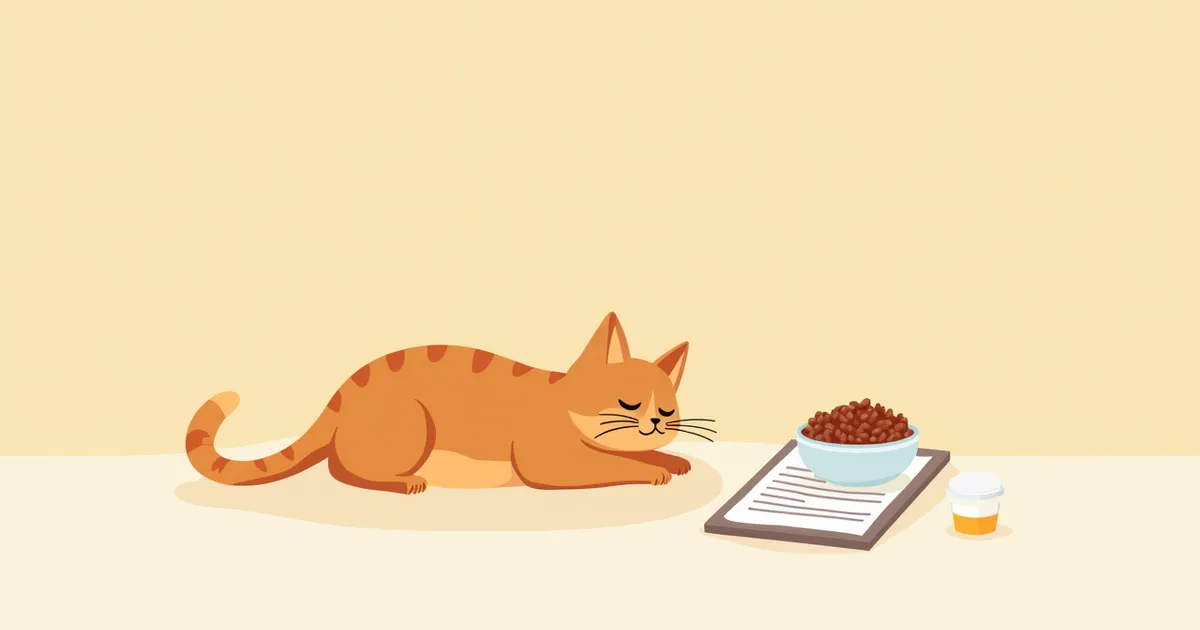
A liquid supplement bottle placed next to a cat’s food bowl, in a cozy setting bathed in natural light.

BEST 1: Premium Renewal Cardiovascular-Specific Supplement
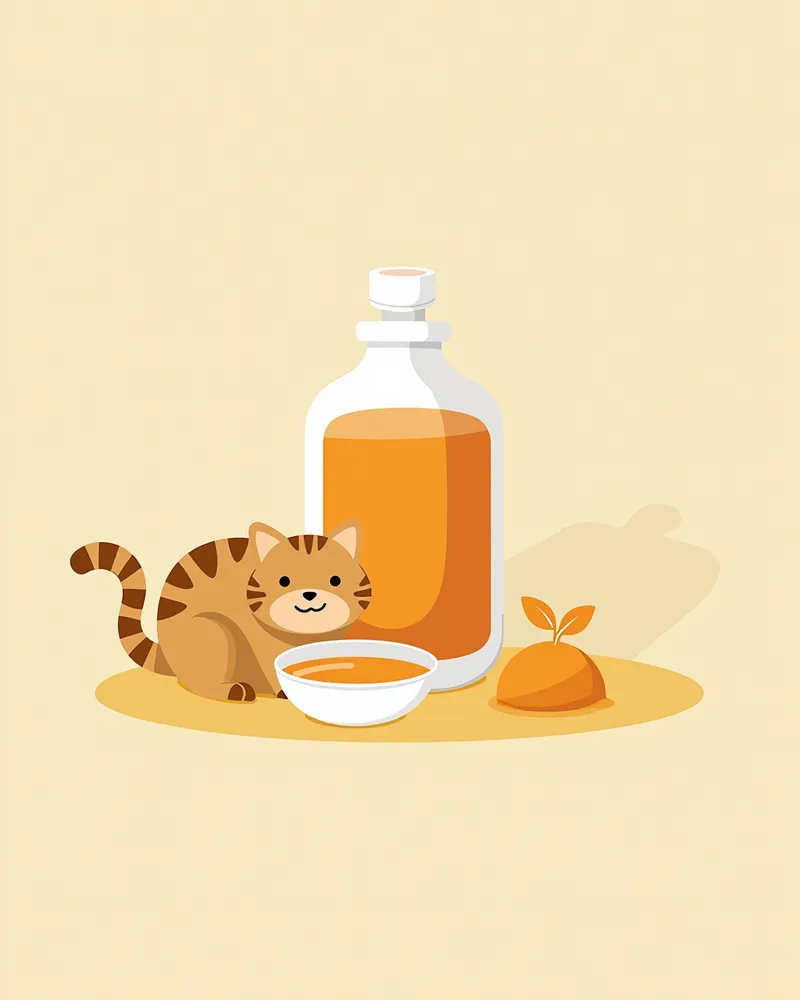
This product is formulated specifically for cats with hypertensive heart disease and contains potassium, magnesium, omega-3 fatty acids, and lutein. However, veterinary textbooks do not support the claim that these ingredients directly lower blood pressure or restore cardiac function in cats. The primary treatment for systemic hypertension remains prescription medications such as amlodipine. Therefore, this supplement should be used only as an adjunct to, and not a replacement for, medical therapy. Its liquid form makes it relatively easy for cats to consume, with minimal palatability issues. Always consult your veterinarian before use, adjust the dosage according to your cat’s body weight once daily, and monitor blood pressure regularly.
A cat consuming a liquid supplement, with the bottle and bowl shown together in the image.

BEST 2: Naturally Derived Heart Protection Capsules
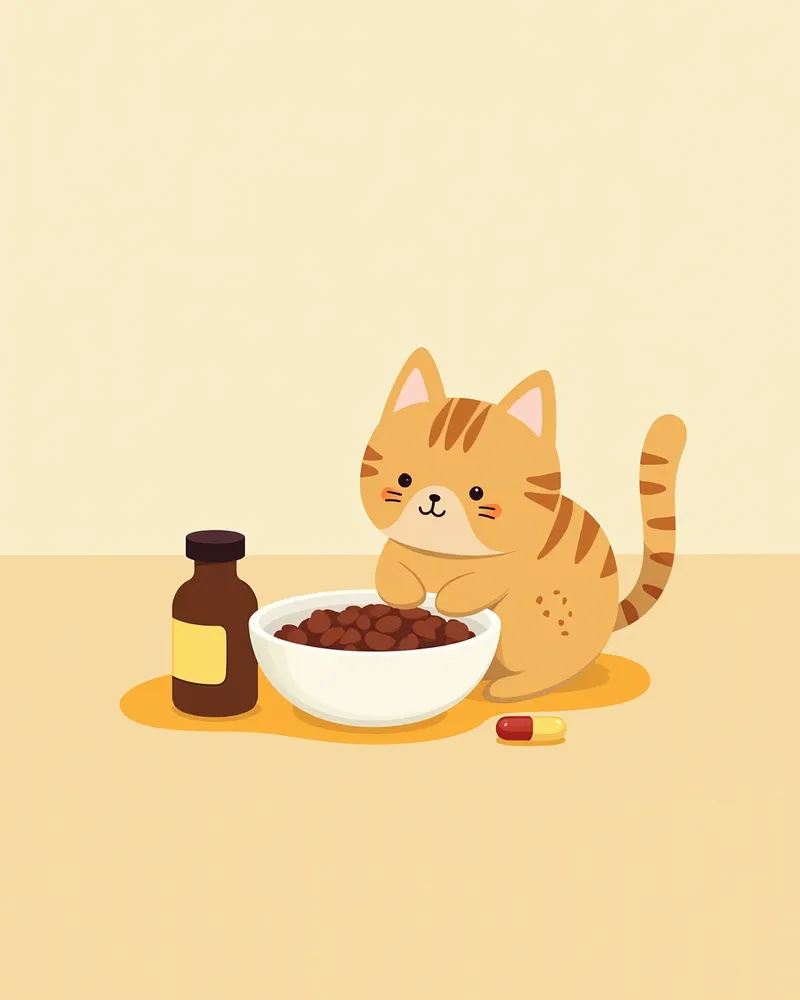
This product is a capsule-form supplement made with naturally derived ingredients, featuring taurine, coenzyme Q10, and resveratrol as its key components. While taurine supplementation is recommended for cats with dilated cardiomyopathy (DCM), there is no evidence to support the claim that these ingredients stabilize high blood pressure or enhance myocardial contractility. Since primary treatment for systemic hypertension in cats involves prescription medications such as amlodipine, please use this supplement only as a supportive aid and not as a replacement for medical treatment. If your cat has difficulty swallowing capsules, you can open them and mix the contents with food. Always consult your veterinarian before use and adjust the dosage according to your cat’s weight.
An image of a capsule supplement bottle placed next to a cat's food bowl, in a comfortable setting under natural light.

BEST 3: Jelly-Style Supplement for Hypertension Management
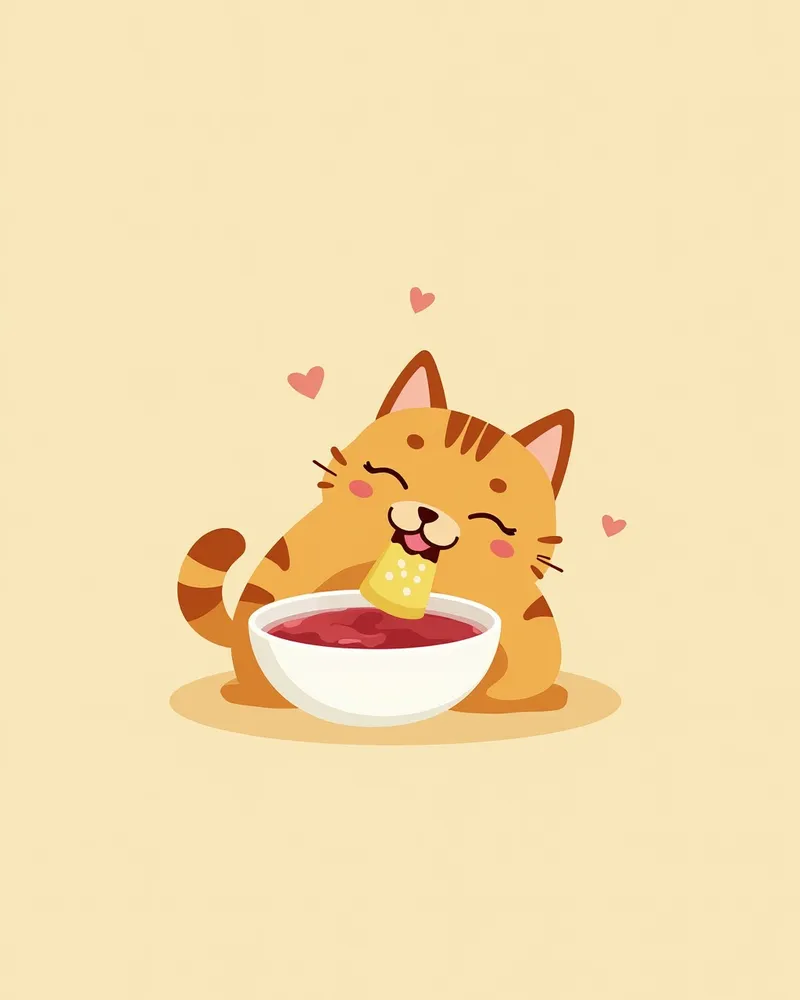
This jelly-style supplement is formulated with flavors cats love, making it very easy to administer. While it contains omega-3 fatty acids, magnesium, and vitamin E, there is no evidence to support the claim that these ingredients lower blood pressure or improve heart function in cats. Please remember that the primary treatment for systemic hypertension in cats is prescription medication such as amlodipine. You can offer one to two pieces daily as a treat, and senior cats tend to accept it well. Since supplements do not replace medical treatment, please consult your veterinarian before use, adjust the dosage based on your cat’s weight, and combine use with regular blood pressure monitoring and health check-ups.
A cat happily eating jelly-type supplements, in a bright atmosphere under natural light.

Comparison Table of BEST 1–3 Products

ItemFormMain IngredientsRecommended Weight Range
Cardiovascular Dedicated Supplement Premium RenewalLiquidPotassium, Magnesium, Omega-3, Lutein3kg and above
Naturally Derived Heart Protection CapsuleCapsuleTaurine, Q10, Resveratrol2–6kg
Hypertension Management Dedicated Jelly SupplementJellyOmega-3, Magnesium, Vitamin E2kg and above

Dosage adjustment needed according to weight. Use is recommended after consulting a veterinarian.

Precautions: Always Consult Your Veterinarian Before Use

Hypertensive heart disease can lead to serious complications, so it is essential to consult with a veterinarian before starting any supplements. Cats taking blood pressure-lowering medications may experience interactions with supplements. If side effects occur, discontinue use immediately and seek veterinary care.

Usage Tips: Effective Management Methods
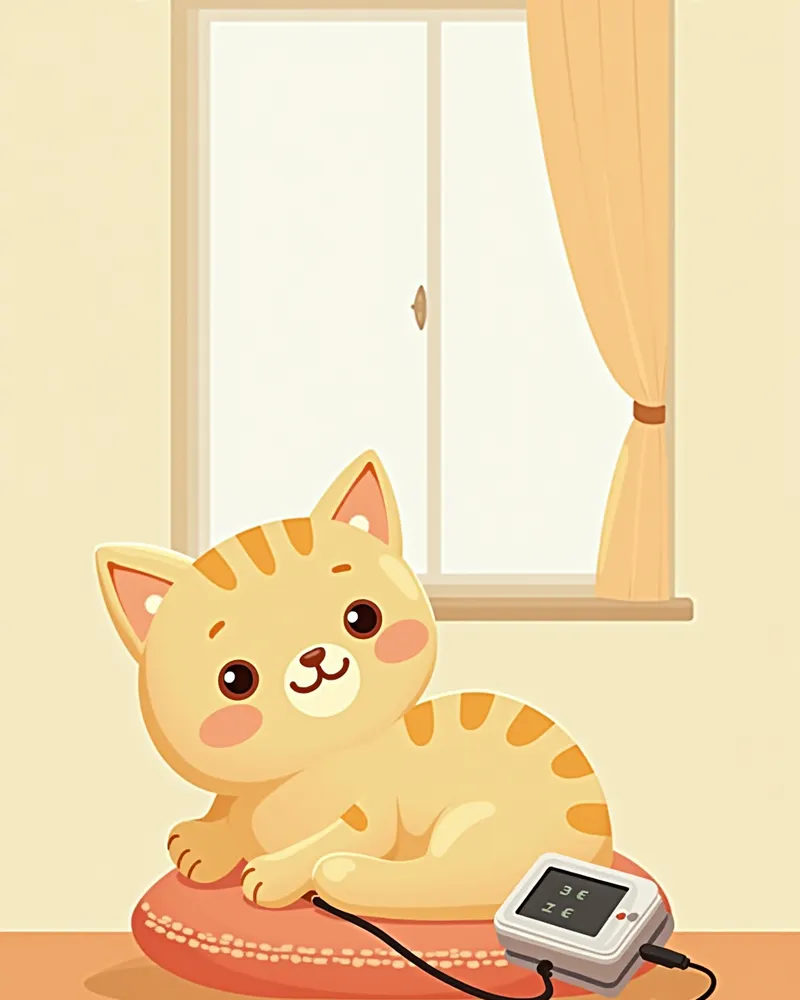
Managing feline hypertensive heart disease requires lifestyle changes in addition to supplement use. Regular meals and adequate hydration help reduce the burden on the heart. It is also important to provide a quiet, stable environment to minimize stress for your cat. - Blood pressure monitoring: Regularly measure blood pressure to monitor your cat’s condition. - Dietary management: Consider a low-sodium diet or a heart-supportive diet. - Collaborate with your veterinarian: It is safest to plan supplement use together with your veterinarian. Consistent management is key to maintaining long-term health.
An image of a cat resting comfortably by the window, with a blood pressure monitor nearby.

Reviewed by a veterinarian

Dr. Tony — Punnawat Phongkittirak

Dr. Tony — Punnawat Phongkittirak

Veterinarian

A veterinarian who majored in veterinary medicine at Khon Kaen University, Thailand, and completed the IVSA program at North Carolina State University in the United States. Drawing on clinical experience at animal hospitals, he works in the pet healthcare field and is dedicated to building a digital care environment that connects pet parents with veterinarians.

Frequently Asked Questions

Can feline hypertensive heart disease be cured?
Once the underlying condition is treated, symptoms may improve, but in most cases, ongoing management is necessary. Early detection and consistent care are key.
Can I give my pet the supplement multiple times a day?
Each product has its own recommended dosage, so be sure to follow the instructions carefully. Overdosing can lead to side effects.
Will giving a supplement help lower blood pressure quickly?
Supplements help support blood pressure regulation, but they don’t provide immediate results. They’re designed for long-term management.
Is it safe for senior cats as well?
If the product has stable ingredients and minimal side effects, it can be safely used for senior cats as well. It is recommended to consult with a veterinarian before administering.
Is it okay to take supplements and medications together?
While generally safe to use alongside other medications, potential drug interactions may occur, so always consult your veterinarian before administering.

Share

Related Guides

References

[1] Brown SA, Henik RA. Diagnosis and treatment of systemic hypertension. Vet Clin North Am Small Anim Pract 1998;28(6):1481–94.

[2] Sansom J, Barn... Cardiovascular Diseases in The Cat, Clinical Medicine and Management, 2nd Edition.

[3] Gilson SD, Withrow SJ, Wheeler SL, Twedt DC: Pheochromocytoma in 50 dogs, J Vet Intern Med 8:228-232, 1994.

This information is based on veterinary literature and does not replace diagnosis or treatment. Please consult a veterinarian for specific health concerns.

Metapet Co., Ltd. | CEO: Park Sung-yong | Business Reg. No. 417-88-02562 | Seoul, South Korea | Customer Center

7 Key Strategies to Manage Feline Hypertensive Heart Disease | Meongsiljang