

Top 5 Feline HCM Genetic Test Kits Recommended by Veterinarians and Selection Criteria
Genetic testing for hypertrophic cardiomyopathy in cats helps identify genetic risks early on, especially in Maine Coon and Ragdoll breeds. Based on the results, you can develop a tailored management plan.
What Is Genetic Testing for Feline Hypertrophic Cardiomyopathy?

Selection Criteria: Tips for Choosing a Clinic for HCM Genetic Testing
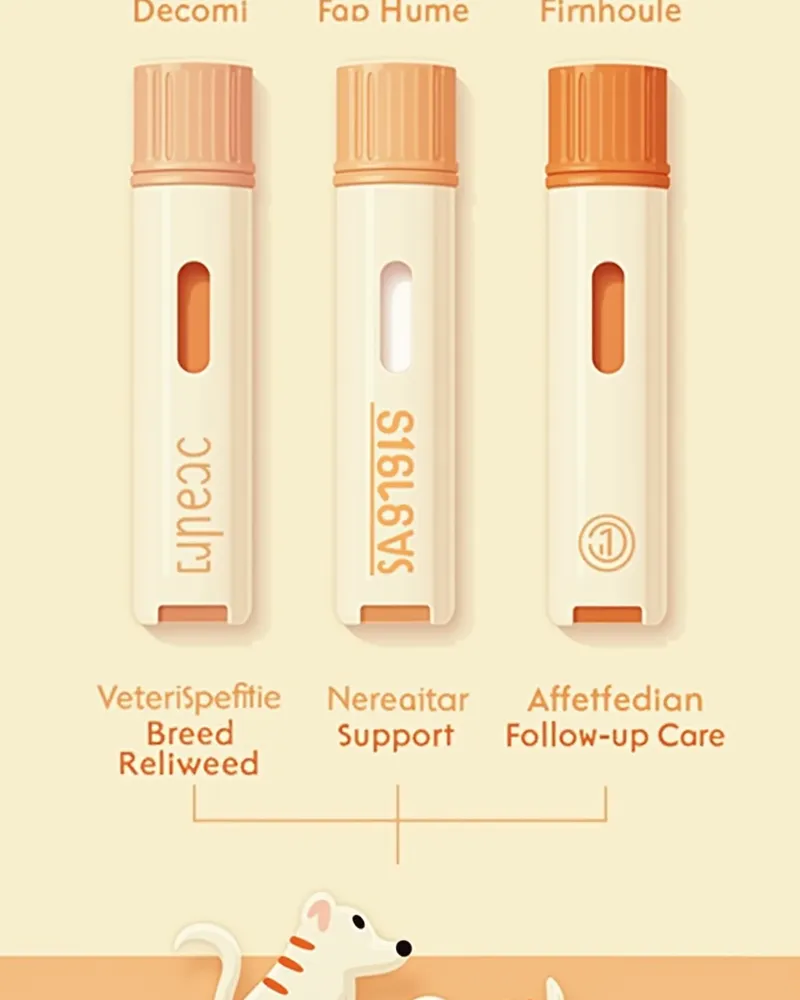
Check 1: Whether It Uses a Validated Genetic Panel for Each Breed

Check 2: Whether It Explains the Difference Between a Positive Genetic Result and Disease Onset

Check 3: Whether It Is Linked to Echocardiography and Regular Cardiac Exams

Checklist for Selecting a Clinic for HCM Genetic Testing
| Item | Recommended Criteria |
|---|---|
| Test Items | A place that refers validated breed-appropriate mutations (e.g., MYBPC3) to a trustworthy institution |
| Test Operation | A place that guides the context of use, such as breeding plans and high-risk breeds |
| Interpretation Ability | A vet who accurately explains the difference between a positive gene result and actual onset |
| Result Interpretation | A place that links results to long-term management alongside echocardiography and regular cardiac checkups |
| Cost Guidance | A place that informs you in advance of expected costs and the possibility of additional tests before testing |
This table does not recommend specific products or clinics; it's a reference for when you consult your veterinarian. Always make treatment and testing decisions together with your vet through an examination.
Caution: Always Review Test Results with Your Veterinarian
Genetic test results are not simply a binary “positive/negative” verdict; they provide important clues for assessing overall heart health. A positive result doesn’t necessarily mean symptoms will appear, and a negative result doesn’t rule out the possibility of future disease. Always consult your veterinarian about additional tests, such as an echocardiogram, to ensure a comprehensive evaluation.
Usage Tips: Post-Genetic Testing Management Checklist

Reviewed by a veterinarian

Dr. Tony — Punnawat Phongkittirak
VeterinarianA veterinarian who majored in veterinary medicine at Khon Kaen University, Thailand, and completed the IVSA program at North Carolina State University in the United States. Drawing on clinical experience at animal hospitals, he works in the pet healthcare field and is dedicated to building a digital care environment that connects pet parents with veterinarians.
Reviewed 2026-06-03
Frequently Asked Questions
When is the best time to have a genetic test done?
If the test result is positive, do I absolutely need to visit the clinic?
Can I rest assured if the ultrasound results are normal?
Are examination costs covered by insurance?
Can my cat experience stress after the examination?
Share
Related Guides

Coenzyme Q10 Benefits and Administration Guide

Dog Pulmonary Edema Warning — 7 Best Diuretics (Furosemide) for Heart Management

7 Best Prescription Diets for Feline Heart Disease Recommended by Veterinarians — Criteria for Choosing Low-Sodium Food

Top Recommended Cat Hematuria Management Products and Selection Criteria

Top Recommended Products for Managing Feline Idiopathic Cystitis and Selection Criteria

Top Recommended Products and Selection Criteria for Managing Feline Dysuria (Straining to Urinate)

Top Recommended Products and Selection Criteria for Managing Feline Calcium Oxalate Uroliths

Top Recommended Feline Bladder Ultrasound Management Tools and Selection Criteria

Top Recommended Products and Selection Criteria for Managing Feline Bladder Polyps and Growths

Top Recommendations and Selection Criteria for Feline Bladder Nerve Stimulation Therapy
References
[1] Textbook of Cardiovascular Medicine in Dogs and Cats, 2023, Elsevier
[2] The Cat, Clinical Medicine and Management, 2nd Edition, 2022, Elsevier
[3] Plumb's Veterinary Drug Handbook, 9th Edition, 2023, Wiley