Like
Share
멍실장
고양이 심내막염 관리 추천 BEST와 고르는 기준 총정리

7 Key Management Tips for Feline Infective Endocarditis Recommended by Veterinarians

HeartTop PicksMeongsiljang Veterinary Advisory Board

Feline endocarditis is an infectious disease of the heart’s inner lining, and early diagnosis along with proper management are key to improving survival rates. We’ve put together a clear overview of recommended products for treatment and prevention, along with guidelines for choosing the right ones.

Feline endocarditis is an infectious heart disease, and early management is key to survival
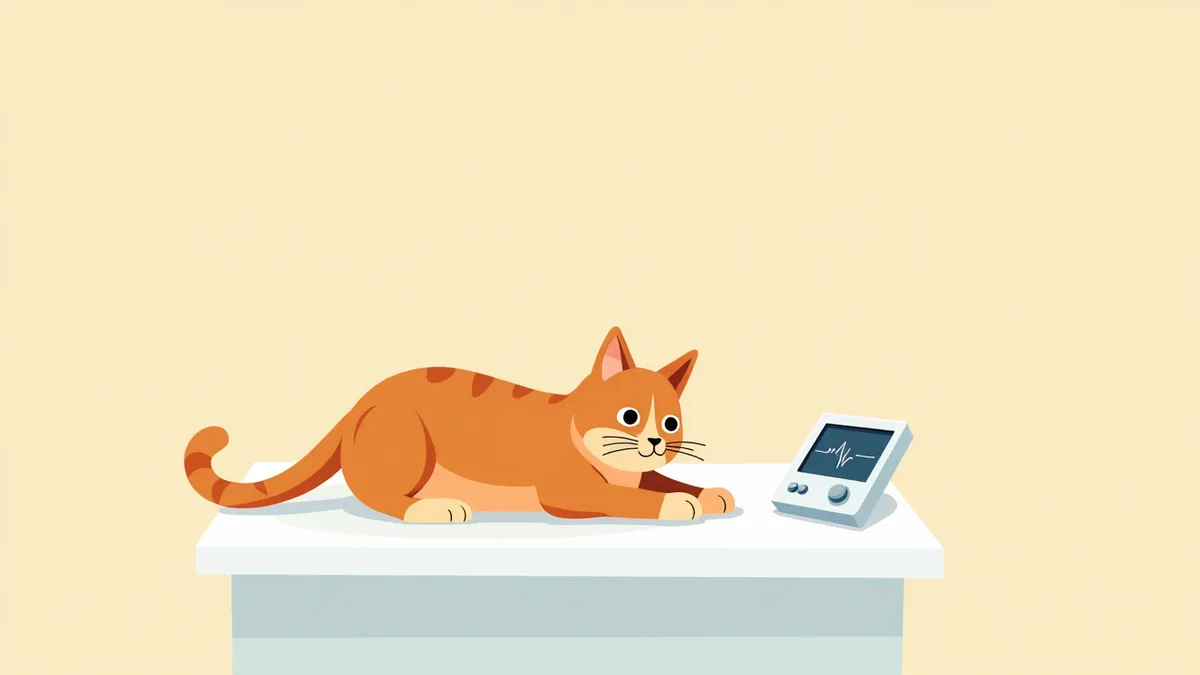
A veterinarian examining a cat's heart
Feline infective endocarditis is an infectious disease in which bacteria invade the heart valves and cause inflammation, most commonly affecting the mitral or aortic valves. In the early stages, symptoms are often nonspecific and subtle—such as difficulty breathing, decreased appetite, and lethargy—making the condition easy to overlook. If diagnosis is delayed, the disease can progress to congestive heart failure or thromboembolism, posing a life-threatening risk and carrying a poor prognosis. Therefore, early diagnosis and aggressive treatment are critical for survival, with the cornerstone of therapy being long-term administration of bactericidal antibiotics to eradicate the causative bacteria. Because supplements alone cannot treat the infection, veterinary diagnosis and prescription are essential for proper management. A comprehensive approach is necessary to maintain heart health.

Selection criteria: effectiveness, safety, and palatability for cats
- Effectiveness: It’s important to first understand that supplements do not treat endocarditis itself; they only support management. Rather than looking for products that make definitive claims about directly improving heart function, it’s crucial to verify whether a veterinarian has determined the product to be helpful within the overall treatment plan. - Safety: Choose products that have undergone verified quality manufacturing processes and have few side effects in cats. Be aware that overdosing can cause adverse reactions. - Palatability and Administration: The supplement should come in a form that is easy for your cat to consume, such as capsules, liquids, or food toppers, and should not have a strong odor or taste. It must also be a stable product suitable for long-term use. Most importantly, always confirm with your veterinarian that the supplement is not replacing formal treatments, such as antibiotics. Consider these three criteria comprehensively when selecting a product.
A cat sniffing food mixed with supplements

BEST 1: Heart-support probiotic capsules
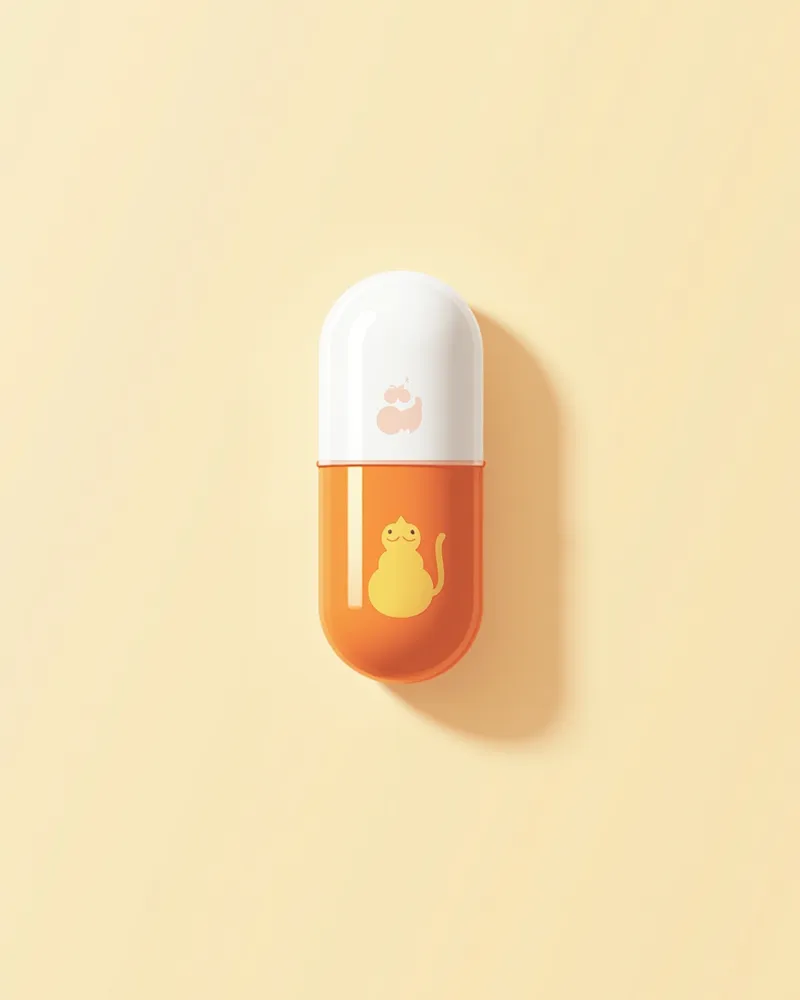
Heart-support probiotic capsules are a capsule-form product designed to support gut health. However, veterinary textbooks do not confirm that probiotics reduce cardiac inflammation or infection in feline endocarditis, so it is difficult to assert any definitive heart-treatment effects. The cornerstone of actual endocarditis therapy is long-term antibiotic administration to eradicate the causative bacteria. While the capsule format is easy for cats to swallow, has minimal odor, and generally offers good palatability, whether to use it and at what dosage must always be determined in consultation with your veterinarian. Consider it only as a complementary aid alongside formal treatment, and ensure regular veterinary check-ups even with long-term use for safety.
Probiotic capsules for heart health

BEST 2: Liquid supplements for heart support
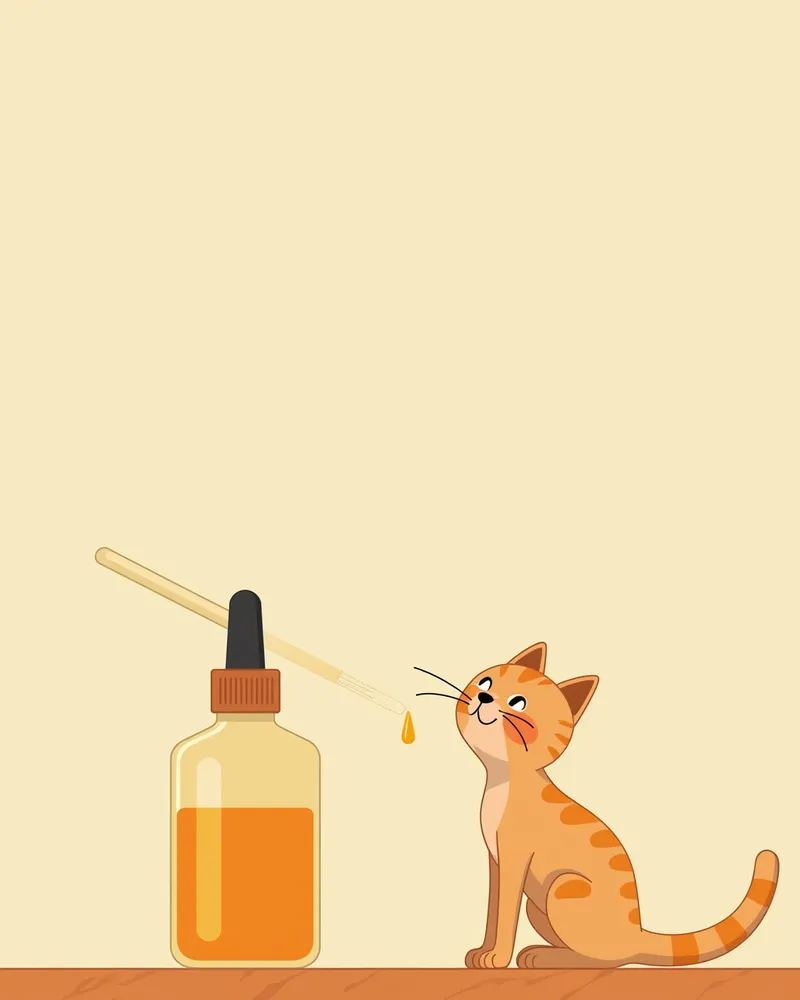
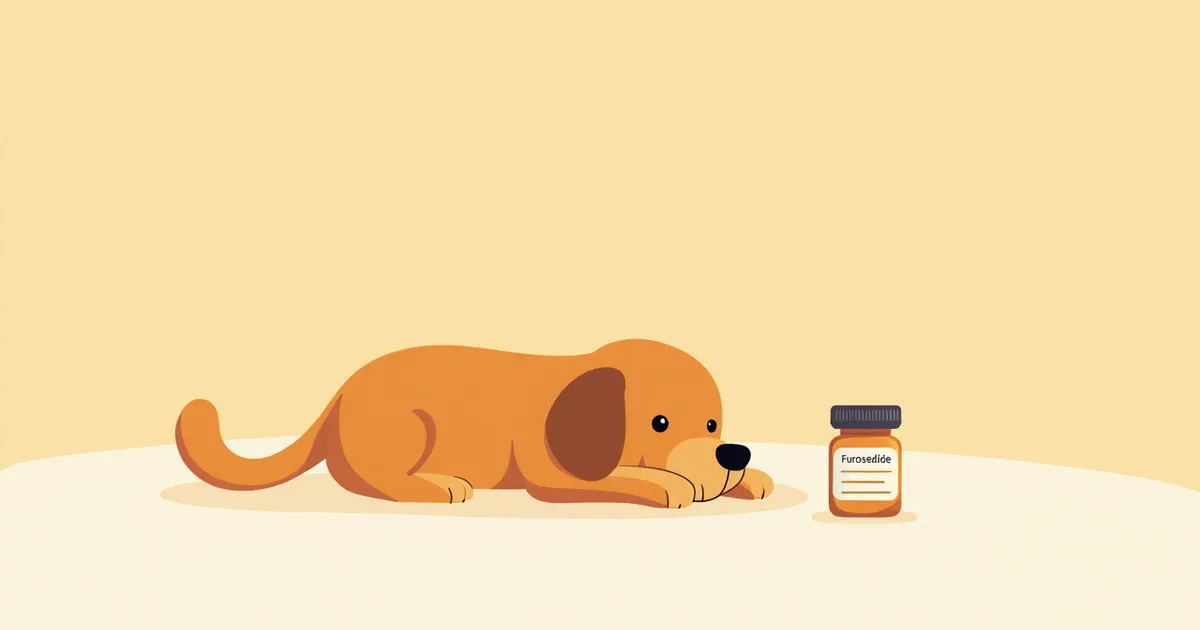
Liquid supplements for heart support are formulated in a liquid form that is easy for cats to consume. However, there is no evidence in veterinary textbooks to support the claim that liquid supplements enhance the contractility of heart muscle. Medications that directly increase heart contractility, such as pimobendan, are prescription drugs that require a veterinarian's prescription. The treatment for endocarditis primarily involves long-term antibiotic therapy, and if heart failure is present, diuretics and ACE inhibitors are also used. Even if your cat enjoys the sweet taste and consumes it readily, this product should only be considered a supportive aid and not a replacement for treatment. It is safest to consult with your veterinarian to determine whether it is appropriate for your cat to take this supplement.
A liquid heart supplement and a bottle with a cap

BEST 3: Cat food for heart health

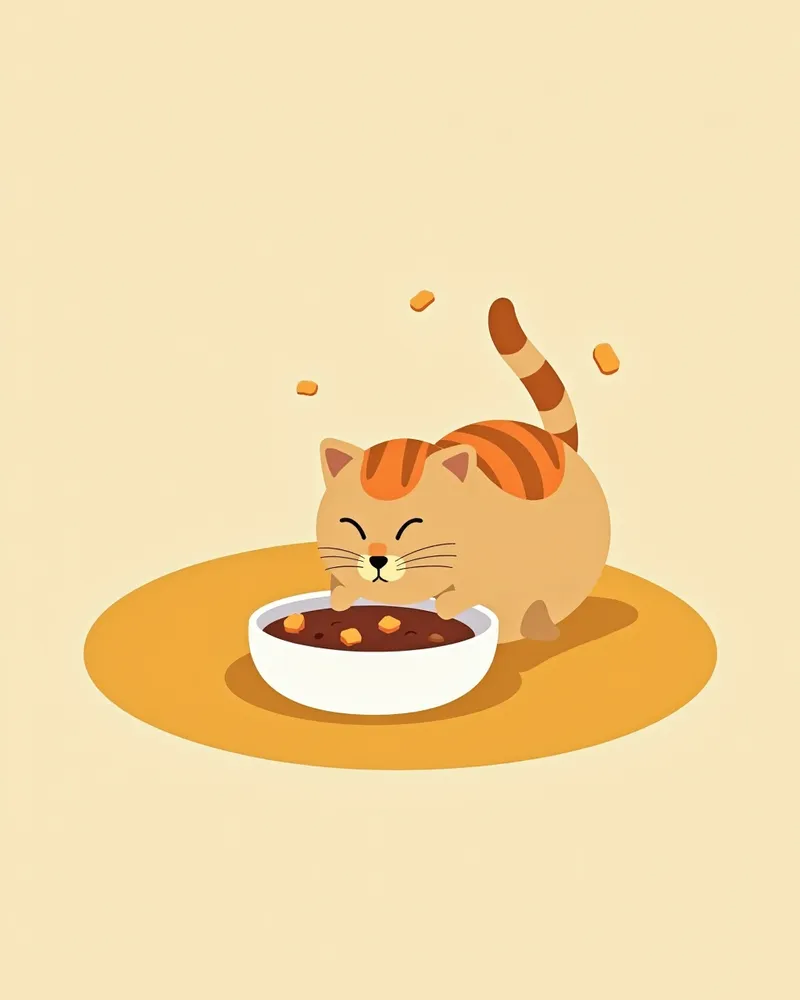
Cat food for heart health: This premium food contains omega-3 fatty acids, lutein, and vitamin E. While providing a balanced diet can support overall management in cats with heart disease, there is no textbook evidence that these ingredients suppress the inflammation or infection associated with feline endocarditis. Treatment for endocarditis centers on antibiotics, with dietary management used as an adjunctive measure if heart failure is present. Even if a product is formulated to appeal to your cat’s taste and texture preferences, it is safest to introduce any dietary changes gradually into their routine and only after consulting your veterinarian.
A cat eating heart-healthy food

Comparison table of BEST 1–3 products

ItemProductFormKey IngredientsReason for Recommendation
BEST 1Heart-Protective Probiotic CapsulesCapsuleProbiotics, anti-inflammatory ingredientsIntended to support the gut environment; cardiac therapeutic effect unconfirmed
BEST 2Cardiac Function-Enhancing Liquid SupplementLiquidOmega-3, antioxidantsGood palatability for cats, but no evidence of improved contractility
BEST 3Heart Health FoodFoodOmega-3, lutein, vitamin EFor balanced dietary support; cannot replace antibiotic therapy

Supplements cannot replace the standard treatment for endocarditis (long-term antibiotic therapy to eliminate the causative bacteria). Always obtain a veterinarian's diagnosis and prescription before deciding whether to give them. The appropriate product varies depending on your cat's health condition.

Caution: Supplements are not a substitute for treatment

Endocarditis management supplements are strictly supportive aids and cannot replace veterinary treatment. The actual treatment for endocarditis involves long-term administration of antibiotics to eradicate the causative bacteria, so diagnosis and prescriptions must always be obtained from a veterinarian. To avoid side effects from overdosing, adhere to the recommended dosage, and remember that early, proactive treatment is paramount.

Usage tips: Closely monitor your cat’s response

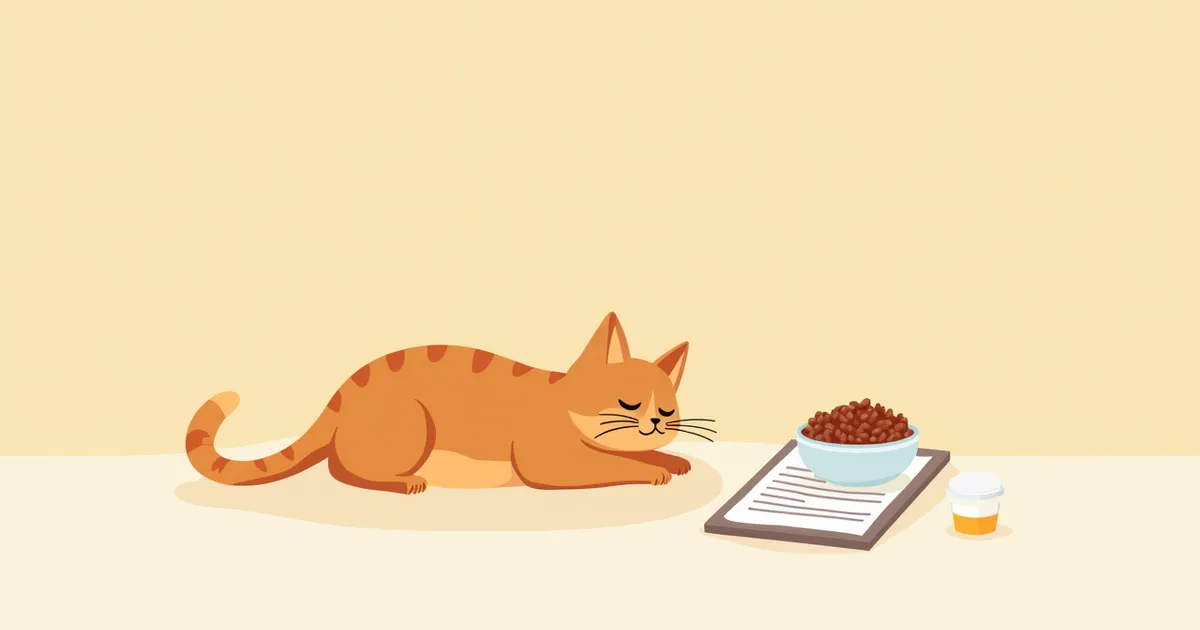
After starting the supplement, monitor your cat’s appetite, activity level, and breathing daily. If you notice any unusual symptoms such as constipation, vomiting, or lethargy, stop administering the product immediately and consult your veterinarian. When switching products or adjusting the dosage, make changes gradually. Keeping a record of your cat’s responses will be helpful during veterinary consultations. Consistent observation is key to safe management. Even if no side effects occur, regular check-ups are essential.
A journal to track your cat's health status

Reviewed by a veterinarian

Dr. Tony — Punnawat Phongkittirak

Dr. Tony — Punnawat Phongkittirak

Veterinarian

A veterinarian who majored in veterinary medicine at Khon Kaen University, Thailand, and completed the IVSA program at North Carolina State University in the United States. Drawing on clinical experience at animal hospitals, he works in the pet healthcare field and is dedicated to building a digital care environment that connects pet parents with veterinarians.

Frequently Asked Questions

When should I start giving my pet a supplement for endocarditis?
The primary treatment for endocarditis is long-term antibiotic therapy prescribed by your veterinarian. Please consider any supplements only as supportive measures to be used alongside formal treatment after diagnosis. Early detection and proactive care are key.
Will giving supplements improve heart health?
Veterinary textbooks do not support the claim that supplements improve heart inflammation or infection in endocarditis. Since antibiotics are the primary treatment for cardiac infections, it is difficult to expect supplements to cure the disease.
How many times a day should I feed it?
It varies depending on the product. Generally, it is recommended to administer it once a day with meals.
What should I do if my cat isn’t eating?
You can mix the capsules into your cat’s food, or if using the liquid form, squeeze it onto a piece of bread or a treat. Adjust the method based on your cat’s preferences.
Is it safe to give supplements to my pet for a long time?
It’s more important to ensure that supplements don’t replace proper treatments like antibiotics than to worry about long-term use itself. For safety, consult your veterinarian regularly to determine whether and for how long your pet should take the supplement.

Share

Related Guides

References

[1] The Cat, Clinical Medicine and Management, 2nd Edition, 2022

[2] Textbook of Cardiovascular Medicine in Dogs and Cats, 2021

[3] Small Animal Critical Care Medicine, 3rd Ed, 2020

This information is based on veterinary literature and does not replace diagnosis or treatment. Please consult a veterinarian for specific health concerns.

Metapet Co., Ltd. | CEO: Park Sung-yong | Business Reg. No. 417-88-02562 | Seoul, South Korea | Customer Center

7 Key Tips to Manage Feline Infective Endocarditis | Meongsiljang