
Like
Share
멍실장
똑똑한 강아지 품종 TOP 7

Top 7 Intelligent Dog Breeds Selected by Veterinarians and Trainers — IQ Rankings and Trainability

Brain & CognitionTop PicksMeongsiljang Veterinary Advisory Board

We’ve compiled the key traits and care tips for seven dog breeds that consistently rank at the top in canine intelligence studies, from Border Collies to Labrador Retrievers.

Which Breeds Are Considered Intelligent Dogs?
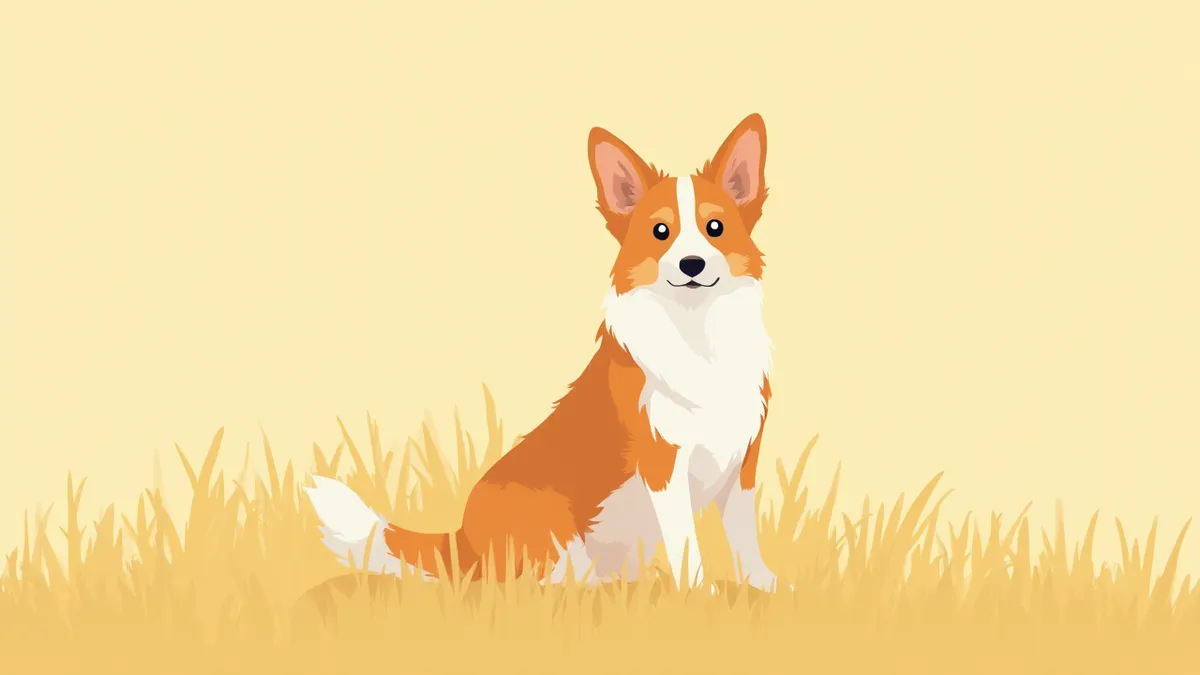
The Border Collie, a quintessential example of an intelligent dog breed, gazes straight ahead with its keen, perceptive eyes.
Intelligent dog breeds are those that quickly grasp human instructions and can learn new commands with minimal repetition, thanks to their high cognitive abilities. According to animal behavior research, top-ranking breeds are known for their exceptional ability to rapidly understand and accurately perform new commands after only a few repetitions. What truly matters is that the smarter the breed, the more essential adequate mental stimulation becomes. Without sufficient stimulation, these dogs may actually develop problem behaviors such as excessive barking or destructive chewing.

How Is a Dog’s Intelligence Evaluated?

We evaluate a dog’s intelligence across three main categories.
Obedience intelligence: This measures how quickly a dog learns new commands through repetition and how accurately it follows the first instruction.
Instinctive intelligence: This refers to the innate working abilities inherent to a breed, such as herding, hunting, or guarding.
Adaptive intelligence: This is the ability to solve problems independently in unfamiliar situations.
When people talk about "rankings of smart dog breeds," they are usually referring to obedience intelligence. However, a lower score in obedience intelligence does not mean a dog is less intelligent. Breeds with strong independent spirits often understand commands but choose to prioritize their own judgment.

No. 1 Border Collie · No. 2 Poodle

Border Collie: Ranked as the most intelligent of all breeds, Border Collies were originally bred for herding sheep, which has endowed them with exceptional cognitive abilities, including the capacity to interpret human gestures and eye contact. Research supports their remarkable ability to quickly learn new commands with minimal repetition and their high sensitivity to human communication signals. They have very high exercise requirements, needing at least 30 minutes of vigorous aerobic activity almost every day.
Poodle: Recognized for their high intelligence and low-shedding curly coats, Poodles come in three sizes: Standard, Miniature, and Toy. Regardless of size, they are highly trainable, capable of quickly mastering complex tricks—so much so that they have historically performed as circus dogs—and they respond sensitively to human emotions.
A Border Collie, ranked first in intelligence, and a Poodle, ranked second, sitting side by side.

No. 3 German Shepherd · No. 4 Golden Retriever

German Shepherd: This breed is most commonly seen serving as police, military, and guide dogs. With top-tier obedience and instinctive intelligence, they can accurately perform even complex tasks. Because they have a strong protective instinct, it is important to begin socialization training from an early age.
Golden Retriever: Golden Retrievers have a high desire to train and a strong tendency to please their owners, making them a great fit for first-time dog owners. They frequently work as guide and therapy dogs and get along well with children. However, they are known to be susceptible to certain breed-specific conditions, such as some types of tumors, so regular health check-ups for early detection are recommended.
A German Shepherd, ranked third in intelligence, and a Golden Retriever, ranked fourth, sitting side by side on the grass.

No. 5 Doberman Pinscher · No. 6 Shetland Sheepdog · No. 7 Labrador Retriever

Doberman Pinscher: Among guard dog breeds, the Doberman Pinscher is one of the most intelligent. They quickly grasp commands and excel at assessing situations. While deeply loyal, insufficient socialization can lead to excessive wariness around strangers.
Shetland Sheepdog: As a small herding dog, the Shetland Sheepdog possesses learning abilities comparable to the Border Collie. Their manageable size makes them well-suited for home life, and they respond rapidly to training.
Labrador Retriever: One of the world’s most popular breeds, the Labrador Retriever is known for its gentle temperament and exceptional trainability, making it a top choice for guide and detection work. However, their strong appetite requires careful weight management.
A Doberman Pinscher, ranked 5th in intelligence, a Shetland Sheepdog, ranked 6th, and a Labrador Retriever, ranked 7th, are pictured together.

At-a-Glance Comparison of the 7 Intelligent Dog Breeds

ItemBorder ColliePoodleGerman ShepherdGolden RetrieverDobermanShetland SheepdogLabrador Retriever
Intelligence rank1st2nd3rd4th5th6th7th
Body sizeMediumSmall–largeLargeLargeLargeSmallLarge
Exercise needsVery highHighHighHighHighModerateHigh
Suitability for beginnersLowHighModerateHighModerateHighHigh
Conditions to watchHip dysplasiaEye disordersHip dysplasiaHemangiosarcoma (HSA)Skin depigmentation (vitiligo)Skin disorders (dermatomyositis, lupus erythematosus)Skin allergies (atopy)

Based on Dr. Stanley Coren's research on obedience intelligence

Important Things to Know Before Raising an Intelligent Dog

Highly intelligent breeds require ample daily mental stimulation. Without sufficient nose work, puzzle toys, or training sessions, they may develop behavioral issues such as furniture destruction, excessive barking, or separation anxiety. Assuming that a smart dog is easy to raise can actually make ownership more challenging. Before adopting, be sure to confirm that you can dedicate adequate time each day for exercise and training.

Training Tips for Highly Intelligent Dogs

Positive reinforcement training is especially effective for intelligent dogs.
Short and frequent: Two to three sessions of 5–10 minutes each per day are more effective than a single 30-minute session.
Novel stimuli: Repeating the same commands can become boring. Periodically introduce new tricks or games to keep them engaged.
Utilize nose work: Activities that engage their sense of smell consume significant mental energy, making them just as important as walks.
Maintain consistency: All family members should use the same commands and rules to minimize confusion.
Training is not just about teaching commands; it’s an opportunity to build a bond with your pet.

Reviewed by a veterinarian

Dr. Tony — Punnawat Phongkittirak

Dr. Tony — Punnawat Phongkittirak

Veterinarian

A veterinarian who majored in veterinary medicine at Khon Kaen University, Thailand, and completed the IVSA program at North Carolina State University in the United States. Drawing on clinical experience at animal hospitals, he works in the pet healthcare field and is dedicated to building a digital care environment that connects pet parents with veterinarians.

Frequently Asked Questions

Is the ranking of dog intelligence absolute?
Not necessarily. The rankings most commonly cited are based on “obedience intelligence.” Breeds with strong independent streaks, such as Shiba Inus and Afghan Hounds, may score lower on these lists, but they can possess excellent adaptive intelligence, allowing them to make their own judgments.
Can mixed-breed dogs be smart too?
Absolutely. Intelligence is influenced not only by breed but also by individual differences and environmental factors. Many mixed-breed dogs are quick to respond to training and have excellent learning abilities.
Are smarter dogs easier to train?
They may grasp commands quickly, but that doesn’t mean training is easy. In fact, the smarter they are, the more likely they are to spot inconsistencies in your approach and find ways to bend the rules. That’s why consistent training is so important.
Which small dog breeds are known for being particularly intelligent?
Papillons, Pomeranians, and Miniature Schnauzers are known to be among the most intelligent small-breed dogs. In particular, Papillons stand out for their exceptional learning ability and responsiveness to training, despite their small size.
Can older dogs still learn new tricks?
Yes, it’s possible. While learning speed may slow down with age, consistent repetition and positive reinforcement enable pets to master new skills. In fact, mental stimulation helps maintain cognitive function.

Share

Related Guides

References

[1] Coren, S., The Intelligence of Dogs: A Guide to the Thoughts, Emotions, and Inner Lives of Our Canine Companions, Free Press, 2006

[2] The Dog Care Handbook: Things I Wish My Vet Had Told Me, Chapter 3: Breed Behaviour and Genetics

[3] Serpell, J.A. & Hsu, Y., Development and Validation of a Novel Method for Evaluating Behavior and Temperament in Guide Dogs, Applied Animal Behaviour Science, 2005

This information is based on veterinary literature and does not replace diagnosis or treatment. Please consult a veterinarian for specific health concerns.

Metapet Co., Ltd. | CEO: Park Sung-yong | Business Reg. No. 417-88-02562 | Seoul, South Korea | Customer Center

Top 7 Smartest Dog Breeds: IQ Rankings & Trainability | Meongsiljang