Like
Share
멍실장
초소형 강아지 품종 TOP 5 (2kg 이하)

Top 5 Ultra-Small Dog Breeds (2 kg or Less)

ImmunityTop PicksMeongsiljang Veterinary Advisory Board

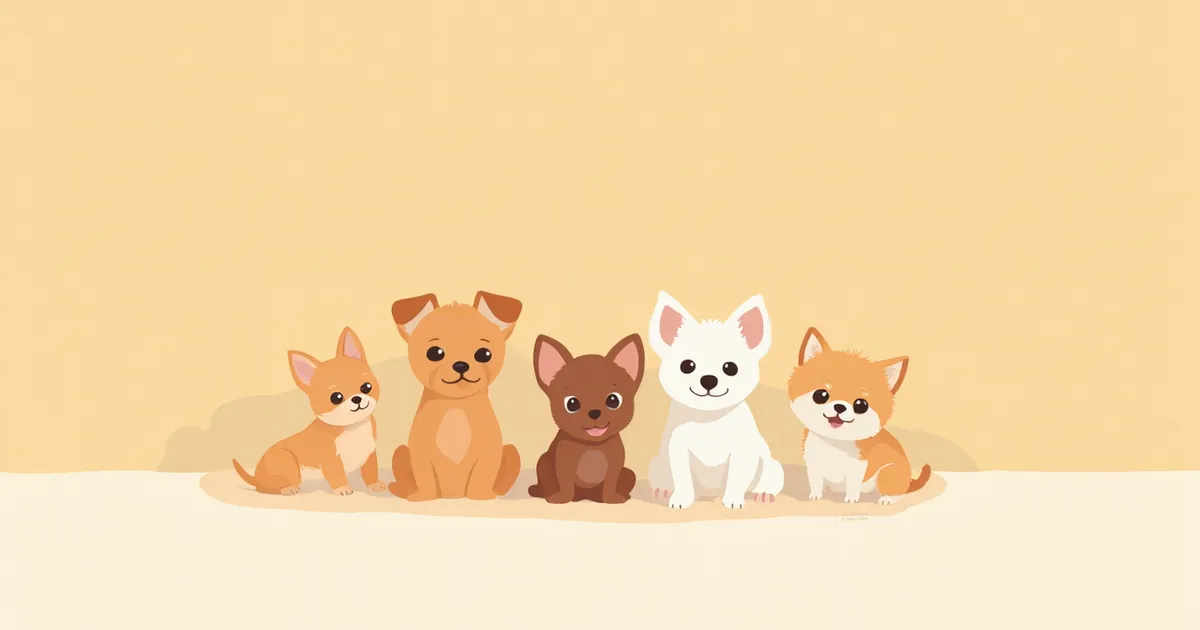
We’ve introduced five ultra-small dog breeds that weigh 2 kg or less as adults, along with their breed-specific traits and key health care tips.

What Breeds Are Considered Ultra-Small Dogs?
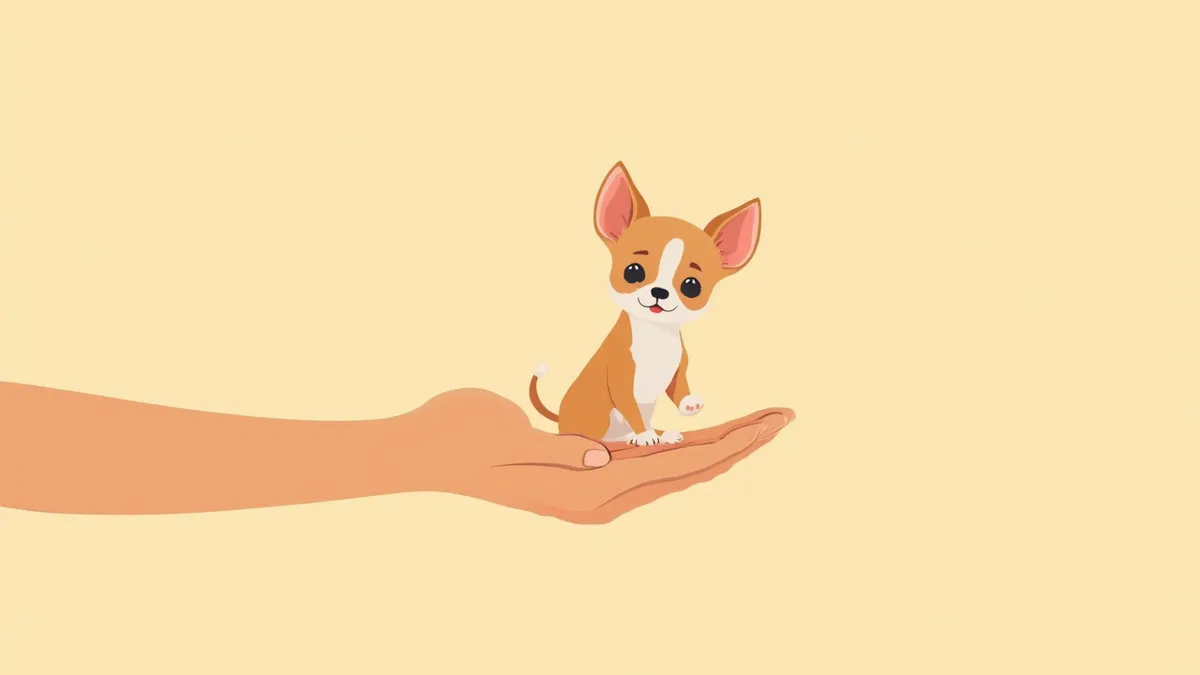
A tiny Chihuahua puppy sitting on the palm of your hand
Ultra-small dogs are a general term for small breeds, such as Chihuahuas and Yorkshire Terriers, that typically weigh 2 kg or less as adults. Their compact size makes them well-suited for living in small indoor spaces, but it also makes them more susceptible to health issues like hypoglycemia, patellar luxation, and dental disease. What truly matters is looking beyond their small, cute appearance and understanding the specific health traits of each breed in advance. This article introduces five popular ultra-small breeds weighing 2 kg or less in Korea and outlines the essential health care points you should know for each breed.

At-a-Glance Comparison of 5 Ultra-Small Breeds

ItemChihuahuaYorkshire TerrierRussian ToyPomeranianMaltese (Small)
Average Weight1.5-2kg1.5-2kg1-2kg1.8-2kg1.8-2kg
Average Lifespan14-18 years13-16 years12-14 years12-16 years12-15 years
PersonalityBold/loyalActive/curiousAffectionate/sensitiveSociable/smartGentle/attached
Diseases to WatchPatellar luxation, hydrocephalusTracheal collapse, hypoglycemiaFractures, dental diseasePatellar luxation, alopeciaTear stains, patellar luxation
Care DifficultyModerateHigh (grooming)ModerateHigh (grooming)High (grooming)

Weights are based on adult dogs and individual variation may occur

No. 1: Chihuahua — The Quintessential Ultra-Small Breed
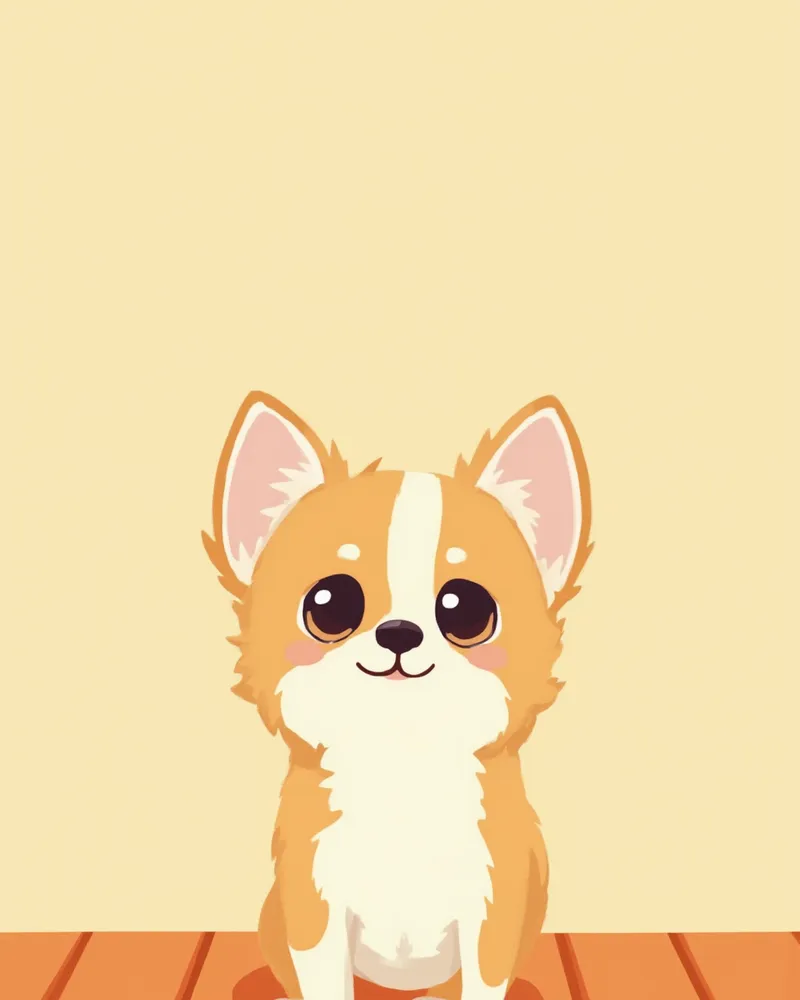
Weight: Weighing 1.5–2 kg in adulthood, this is the quintessential ultra-small breed.
Temperament: Despite their tiny size, they are bold and fiercely loyal to their owners, though they tend to be wary of strangers.
Health Points: They have a high incidence of patellar luxation and may retain an open fontanelle (molera), where the skull bones do not fully close. They are also at greater risk for hydrocephalus than other breeds, so care should be taken to prevent head injuries. Additionally, they are prone to hypoglycemia, so it is important to avoid long gaps between meals.
A Chihuahua standing on a wooden floor, looking up.

No. 2: Yorkshire Terrier — A Small but Energetic Breed
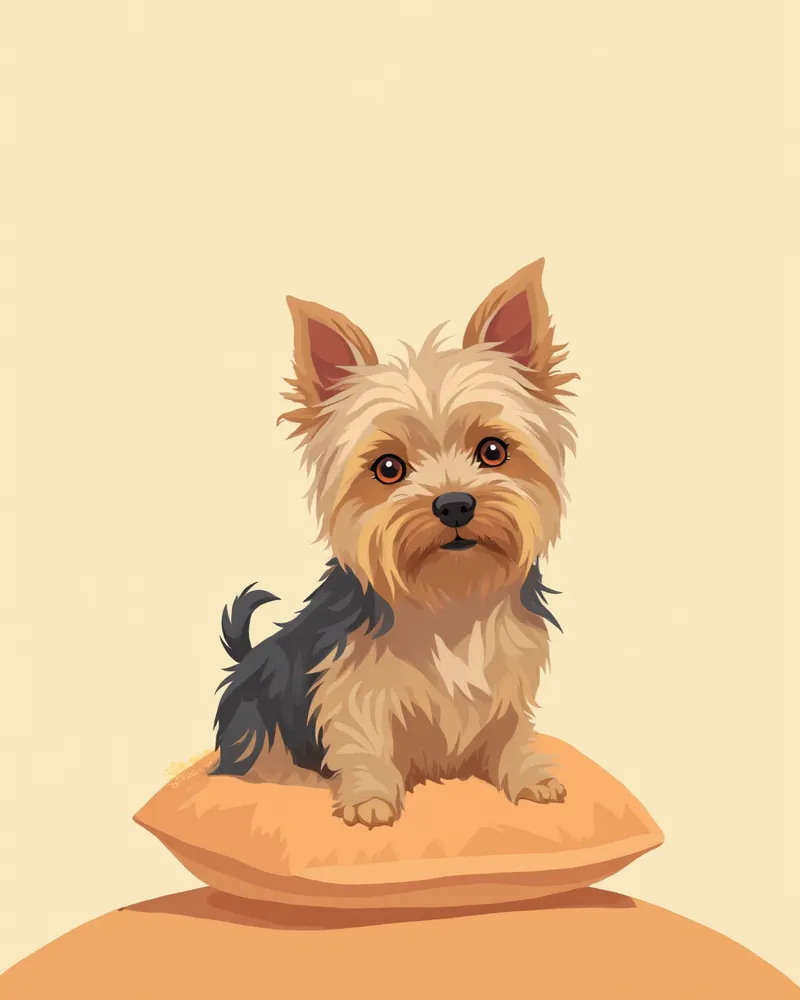
Weight: Most adult dogs weigh between 1.5 and 2 kg, though some may weigh less than 1.5 kg.
Temperament: Curious and lively, they keep busy around the house despite their small size. They’re also very affectionate with their owners.
Health Tips: Be mindful of tracheal collapse, a condition where the trachea (the airway from the neck to the lungs) becomes compressed, causing coughing. Use a harness instead of a collar to avoid pressure on the neck. Dental issues are also common, so daily brushing is essential for good oral hygiene. Their silky, long coat is beautiful but requires daily brushing to prevent tangles.
A Yorkshire Terrier with silky, long hair sitting on a cushion

No. 3: Russian Toy — The Lightest Recognized Breed
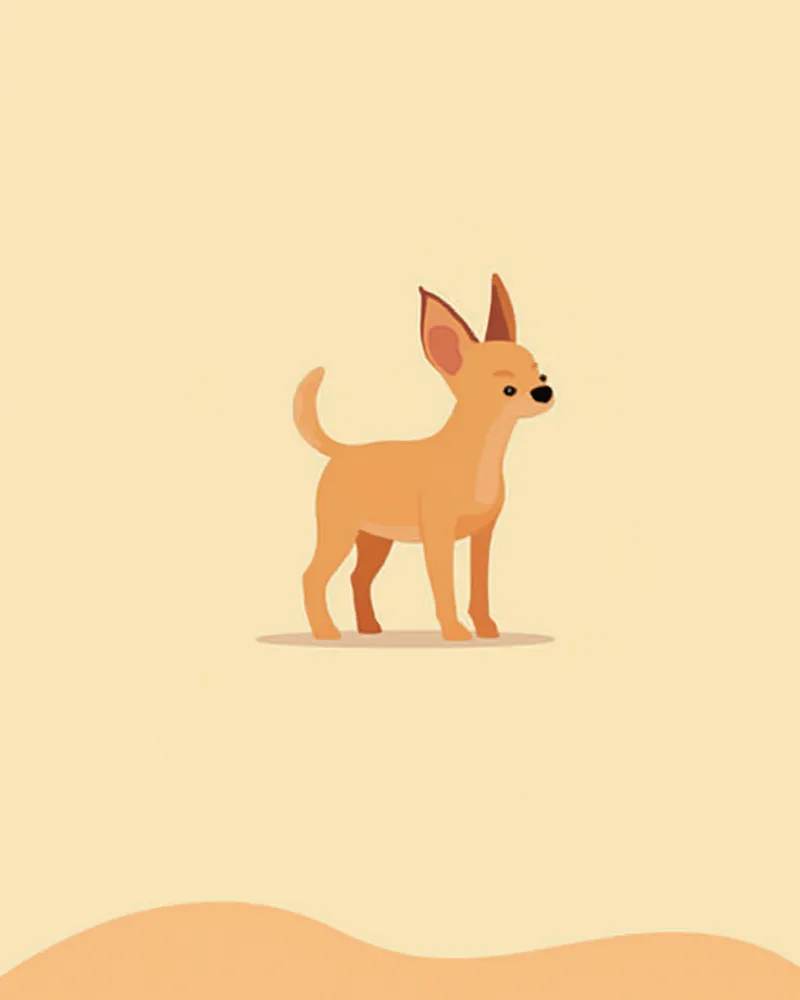
Weight: Adults typically weigh between 1 and 2 kg, making them one of the lightest recognized breeds.
Temperament: They are affectionate and expressive with their owners, but may become sensitive in unfamiliar environments.
Health Considerations: Their bones are extremely delicate, so even jumping off a sofa or bed can lead to fractures. It’s important to minimize height differences at home and use ramps or stairs. Their small, closely spaced teeth are prone to rapid tartar buildup. There are two coat types: long-haired and short-haired. The long-haired variety is characterized by feather-like fur around the ears.
A Russian Toy standing with its large ears perked up

No. 4: Pomeranian — A Small Frame Beneath Abundant Coat
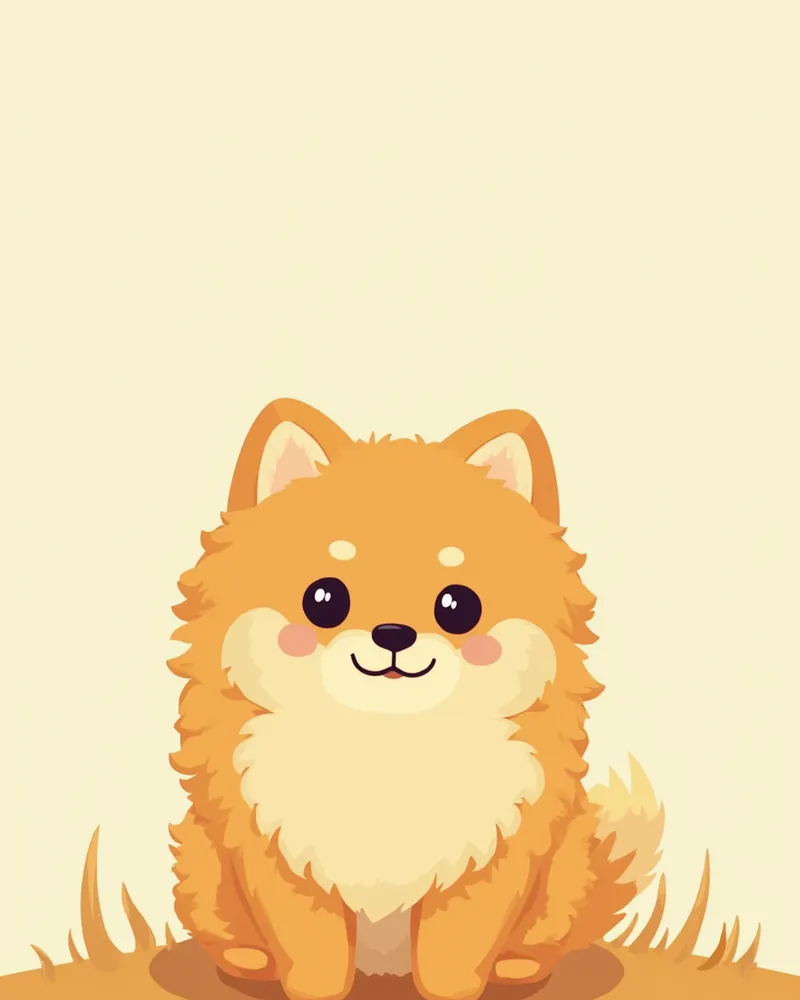
Weight: Most adult dogs of this breed weigh between 1.8 and 2 kg. Their abundant coat makes them appear larger than they actually are, but once the fur is brushed back, they’re surprisingly small.
Temperament: They are sociable and intelligent, picking up basic training quickly. However, they tend to bark frequently, so it’s important to start barking control training from an early age.
Health Notes: This breed has a higher incidence of patellar luxation, and skin and coat-related issues are observed more frequently compared to other small breeds. If hair loss occurs, an accurate diagnosis by a veterinarian is essential, as management strategies vary depending on the underlying cause. Their double coat sheds heavily during seasonal transitions, so regular grooming and skin care are important. Despite their small size, they are quite active, so consistent daily short walks are recommended.
A fluffy orange Pomeranian sitting on the grass

No. 5: Maltese (Small) — The Ultra-Small Type of the National Pet

Weight: Standard Maltese dogs typically weigh between 2 and 3 kg, though smaller individuals may stay within the 1.8 to 2 kg range.
Temperament: They are gentle and form strong bonds with their owners. Since they are prone to separation anxiety, it’s helpful to gradually accustom them to being alone from an early age.
Health Points: Tear staining is the most common concern. Because their tear ducts are often blocked or narrow, daily cleaning around the eyes is essential. Patellar luxation is also frequent, and their white coats make skin issues more noticeable. A grooming cycle of 4 to 6 weeks is appropriate.

Common Health Precautions for Ultra-Small Breeds

Ultra-small breeds are particularly prone to hypoglycemia and patellar luxation. Dental care is also an area that’s easy to overlook, so please maintain consistent oral hygiene through regular tooth brushing. Divide meals into three to four feedings per day, and modify the environment to prevent jumping from heights. Due to their small size, small breeds may require a more delicate approach during medical procedures, so it’s recommended to schedule regular check-ups with a veterinarian experienced in treating small-breed dogs.

Teacup Dogs: Key Facts You Must Know

“Teacup” is not a recognized breed classification. It’s a marketing term used by some breeders who intentionally mate extremely small dogs to produce even smaller offspring. The smaller the puppy, the more vulnerable it may be to various health issues, and a “well-bred” lineage doesn’t necessarily guarantee good health. Therefore, before adopting, always review the puppy’s health check records and the genetic screening results for hereditary diseases in both parents. If possible, also assess the overall health of the parent dogs. If you have any concerns, we recommend having a veterinarian examine the puppy in person before finalizing the adoption.

Reviewed by a veterinarian

Dr. Tony — Punnawat Phongkittirak

Dr. Tony — Punnawat Phongkittirak

Veterinarian

A veterinarian who majored in veterinary medicine at Khon Kaen University, Thailand, and completed the IVSA program at North Carolina State University in the United States. Drawing on clinical experience at animal hospitals, he works in the pet healthcare field and is dedicated to building a digital care environment that connects pet parents with veterinarians.

Frequently Asked Questions

Do I really need to walk my tiny dog?
Not at all. Even small dogs need regular exercise. Daily short walks help relieve stress and maintain muscle tone. However, during hot summers or cold winters, it's better to replace outdoor walks with indoor play.
For puppies weighing 2 kg or less, which is better: a harness or a collar?
We recommend using a harness. Toy breeds often have delicate tracheas, so a collar can put pressure on the airway. An H-style harness that distributes pressure across the chest and back is safer.
Is it okay to have multiple tiny dog breeds live together?
It depends on their personalities and level of socialization. Since there’s usually less size disparity among toy breeds, the risk of injury is lower, but it’s important to start with brief, supervised introductions and give them time to adjust to each other.
How should I feed my teacup puppy?
To help prevent hypoglycemia, it's best to divide daily meals into three or four smaller feedings. Small-breed-specific kibble is a good choice because the smaller kibble size makes it easier for them to eat. Treats should only be given in small amounts and never as a substitute for regular meals. The ideal portion size should be determined in consultation with your veterinarian, based on your dog's weight and activity level.
Can a toy breed be raised in a home with children?
Please exercise caution. Toy-breed puppies have fragile bones, so they are at risk of fractures if accidentally dropped or held too tightly by children. For safety, teach your child how to handle the puppy gently, and only allow interaction when an adult is present and supervising.

Share

Related Guides

References

[1] Englar RE, The Veterinary Workbook of Small Animal Clinical Cases, 2024

[2] O'Neill DG et al., Longevity and mortality of owned dogs in England, The Veterinary Journal, 2013

[3] Gough A et al., Breed Predispositions to Disease in Dogs and Cats, 3rd Edition, Wiley-Blackwell, 2018

This information is based on veterinary literature and does not replace diagnosis or treatment. Please consult a veterinarian for specific health concerns.

Metapet Co., Ltd. | CEO: Park Sung-yong | Business Reg. No. 417-88-02562 | Seoul, South Korea | Customer Center

Top 5 Tiny Dog Breeds Under 2kg: Popular Choices and Health Care Tips | Meongsiljang