
Like
Share
멍실장
강아지가 처방 식사와 함께 편안히 누워 있는 이미지

How to Choose Prescription Heart Diets for Dogs — 7 Key Criteria You Must Know

HeartTop PicksMeongsiljang Veterinary Advisory Board

We’ve compared and analyzed the best prescription diets for managing heart disease in dogs, along with key factors to consider when making an effective choice. Choose products that meet veterinary recommendations.

Prescription Heart Diets for Dogs Are Essential for Heart Health Management
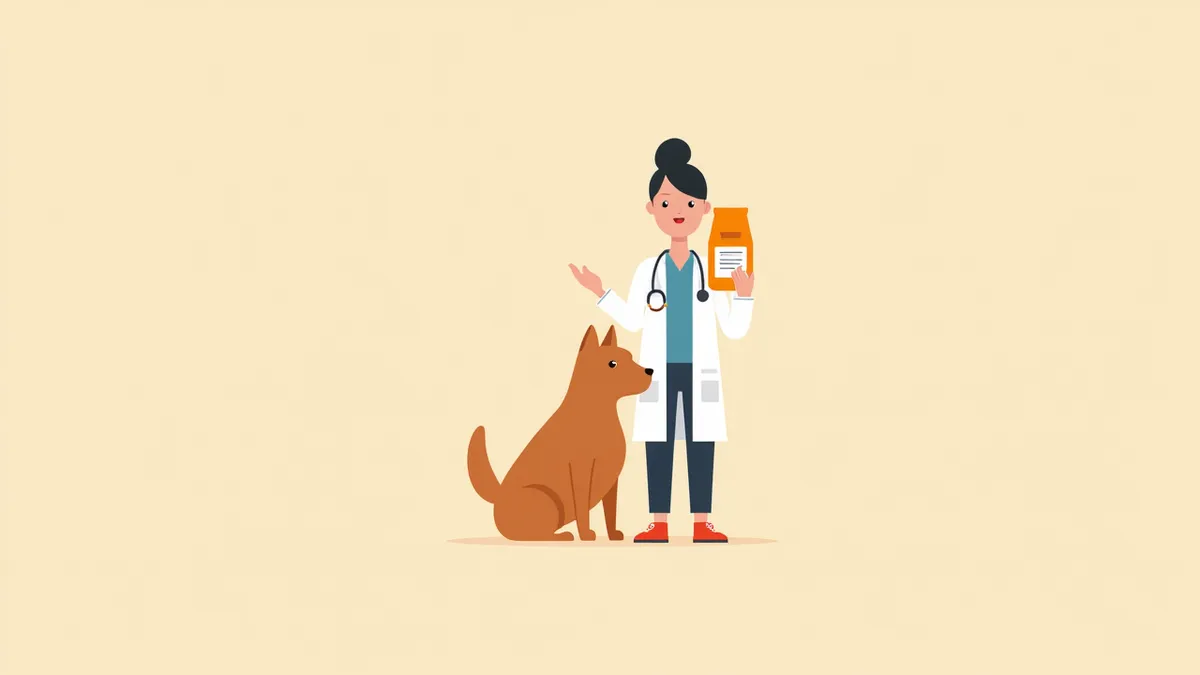
A scene where a veterinarian explains a prescription diet for a puppy's heart condition.
Managing heart disease in dogs involves not only medication but also careful dietary adjustments. Proper nutritional support can help reduce the need for certain medications, lower the risk of complications, improve quality of life, and slow disease progression. - Mild sodium restriction: This can help reduce fluid retention and pulmonary congestion in dogs with congestive heart failure. However, excessive sodium restriction isn’t always beneficial, so veterinary guidance is essential. - Cardiac nutritional supplements: Ingredients like L-carnitine, Coenzyme Q10, and taurine have been reported to support heart health, though the strength of evidence varies by ingredient. - Maintaining appropriate body condition and muscle mass: Preventing muscle loss (cardiac cachexia) and maintaining an optimal body weight are crucial. - Supporting appetite: Loss of appetite is common in dogs with heart failure, so encouraging regular eating is important. Consistent feeding routines and ongoing veterinary guidance are key to effective management.

Note: Dietary Management for Dogs with Heart Disease
When selecting a prescription diet, it’s helpful to check a few key factors. Nutritional management tailored to the type and stage of heart disease is most important, and choosing a product recommended by your veterinarian is the safest approach.
Mild sodium restriction: Mild sodium restriction is recommended during the asymptomatic stage. However, since excessive low-sodium diets are not always beneficial, veterinary guidance is necessary.
Potassium management: For patients with congestive heart failure, especially those taking diuretics or ACE inhibitors, regular monitoring of blood potassium levels is essential.
Maintaining an ideal body condition: A combination that prevents muscle loss and maintains an optimal body condition score (BCS) is ideal.
Individual customization: There is no single ideal diet for every dog, so it’s important to consider any concurrent diseases and individual characteristics.
Main ingredients listed on the packaging of a prescription heart diet for dogs

Note 1: Why Dietary Management Is Necessary for Dogs with Heart Disease
In adult dogs, the majority (about 75–80%) of heart diseases are myxomatous (degenerative) mitral valve disease (MMVD), while a smaller portion (about 5–10%) is dilated cardiomyopathy (DCM). As these conditions progress, the heart’s pumping function declines, which can lead to congestive heart failure, where fluid accumulates in the lungs or chest cavity. At this stage, excessive sodium intake can worsen fluid retention. Additionally, as the disease advances, muscle loss known as cardiac cachexia often occurs, making adequate protein and calorie intake essential. Dietary management plays a key role alongside medication in reducing the heart’s workload and maintaining quality of life.
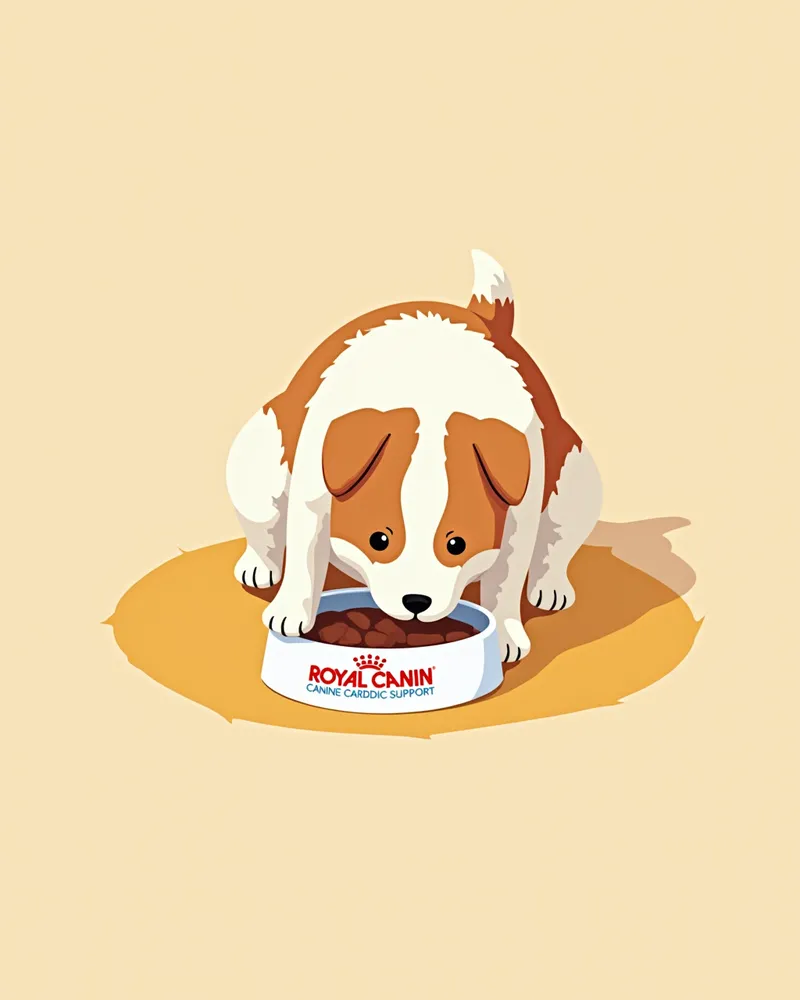
A puppy eating Royal Canin Heart Support diet food.

Note 2: General Principles and Treatment Options for Prescription Heart Diets

Prescription heart diets are formulated to limit sodium content while providing appropriate levels of taurine and L-carnitine, which support myocardial function. In cases of dilated cardiomyopathy, taurine deficiency can be a contributing factor, so nutritional supplementation may be included as part of the treatment plan. Medical therapy may involve diuretics, medications to regulate cardiac contractility, and anticoagulants, depending on the stage of the disease. Prescription diets alone cannot treat heart disease; they must always be used in conjunction with medication prescribed by a veterinarian following a proper diagnosis.
A Labrador Retriever eating Hill's h/d food

Note 3: Daily Care Precautions and the Importance of Veterinary Prescription

When transitioning to a heart-prescription diet, it’s best to make the change gradually over one to two weeks, as a sudden switch can cause stress. Avoid treats and human foods, which often contain high levels of sodium. If your pet’s appetite remains low for an extended period, consult your veterinarian promptly, as prolonged loss of appetite can lead to muscle loss and nutritional imbalances. Be cautious with heart supplements or homemade raw-food recipes sold online, as their safety and efficacy are often unproven. Never start these without professional guidance, and always have your veterinarian approve any changes to your pet’s diet or supplements.
A terrier puppy enjoying Purina’s heart-support diet.

What Owners Should Know About Prescription Heart Diets for Dogs

ItemKey points
ConditionA condition in which the heart's pumping function declines due to mitral valve disease, cardiomyopathy, etc., and fluid may accumulate
CauseIn adult dogs it is mostly mitral valve disease; some cases arise from dilated cardiomyopathy due to genetics, taurine deficiency, etc.
DiagnosisDiagnosed by a veterinarian via echocardiography, chest X-ray, and blood tests
TreatmentPrescription of diuretics and heart medications combined with a mild sodium-restricted prescription diet
CautionUnverified supplements or natural diets are prohibited without veterinary confirmation

This is not a table recommending specific products or hospitals, but a reference for when consulting a veterinarian. Always make treatment and testing decisions together with a veterinarian through an examination.

Caution: Unauthorized Changes to Prescription Diets Can Cause Serious Side Effects

Prescription heart diets should only be fed under the precise diagnosis and prescription of a veterinarian. Sudden changes in diet can lead to food refusal or decreased appetite, so it’s best to transition gradually over at least 3 to 5 days. In cases of acute heart failure, do not attempt to change the diet, and always consult your veterinarian before making any dietary or supplement changes.

Usage Tips: How to Help Your Dog Eat Well

To help your dog accept a prescription diet, a gradual transition is essential. Over about seven days, slowly mix in the new food, starting with one-quarter of the total meal and increasing the proportion daily. Warming the food slightly with warm water can enhance its aroma and make it more appealing. Feed at consistent times in a quiet environment. Avoid overfeeding and strictly adhere to the daily recommended amount. Always follow the feeding guidelines provided by your veterinarian. Monitor your dog’s response after meals and consult your vet immediately if you notice any unusual symptoms.
A pet owner measuring their dog's food

Reviewed by a veterinarian

Dr. Tony — Punnawat Phongkittirak

Dr. Tony — Punnawat Phongkittirak

Veterinarian

A veterinarian who majored in veterinary medicine at Khon Kaen University, Thailand, and completed the IVSA program at North Carolina State University in the United States. Drawing on clinical experience at animal hospitals, he works in the pet healthcare field and is dedicated to building a digital care environment that connects pet parents with veterinarians.

Frequently Asked Questions

Will feeding a prescription diet cause my puppy to gain weight?
Prescription diets are designed with optimal body condition score (BCS) maintenance in mind. By following the recommended feeding amounts, you can manage your pet’s weight without worrying about excessive gain.
If my pet is on a prescription diet, can I also give them other types of food?
Many regular dog foods, treats, and human foods are high in sodium, which can place a strain on the heart. In fact, studies have shown that a significant number of dogs with heart disease consume treats or human food daily. Please consult your veterinarian before offering any additional foods alongside your dog’s prescribed diet.
Will I see immediate results after starting my pet on a prescription diet?
Prescription diets alone do not restore impaired heart function. However, when used consistently alongside medication, they can help reduce the required drug dosage, lower the risk of complications, and maintain your pet’s quality of life. It is generally recommended to reassess your pet’s condition one to two weeks after starting treatment, followed by regular check-ups every three to six months.
Will my dog dislike prescription diet food?
Prescription diets are formulated with your dog’s taste preferences in mind. While your dog may be hesitant at first, they will gradually adjust. If needed, your veterinarian can recommend a flavor enhancer to help.
How long should I feed my pet a prescription diet?
Heart disease is a chronic condition, so it may require long-term medication as determined by your veterinarian. Regular check-ups are essential to monitor your pet’s condition.

Share

Related Guides

References

[1] Freeman, L.M. et al. (2003). Dietary sodium intake in dogs with heart disease. Journal of Veterinary Internal Medicine, 17(5), 678–683.

[2] Smith, J.D. et al. (2007). Omega-3 fatty acids and cardiac arrhythmias in dogs. Veterinary Clinical Nutrition, 14(2), 45–52.

[3] American College of Veterinary Internal Medicine (ACVIM). (2020). Consensus Guidelines for the Management of Canine Heart Disease. Journal of Veterinary Internal Medicine, 34(3), 899–915.

This information is based on veterinary literature and does not replace diagnosis or treatment. Please consult a veterinarian for specific health concerns.

Metapet Co., Ltd. | CEO: Park Sung-yong | Business Reg. No. 417-88-02562 | Seoul, South Korea | Customer Center

How to Choose Prescription Heart Diets for Dogs: 7 Key Criteria | Meongsiljang