

Top Recommended Products and Selection Criteria for Managing Canine Fungal Respiratory Infections (Aspergillosis)
Aspergillosis, a fungal respiratory infection in dogs, is a challenging condition to treat, making early diagnosis and proper management essential. Here’s a summary of effective management products and standards.
What Are Canine Fungal Respiratory Infections (Aspergillosis)?
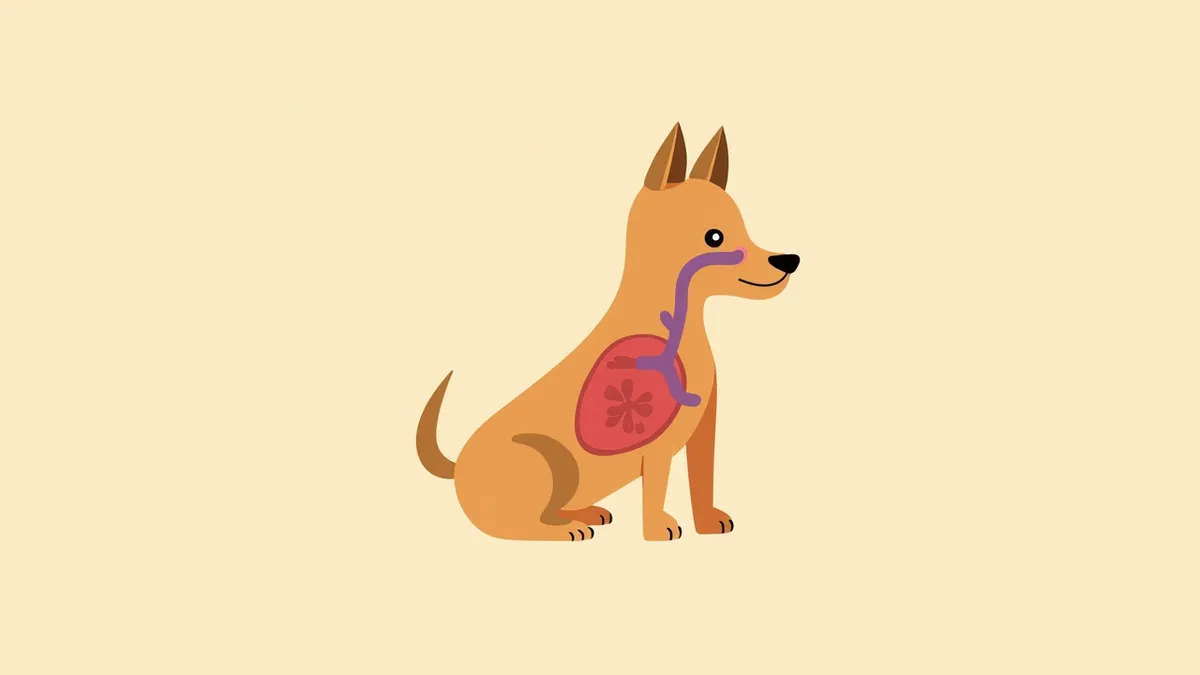
Key Information: Managing Canine Fungal Respiratory Infections (Aspergillosis)

Key Information 1: What Is the Condition and How Serious Is It?

Key Information 2: Diagnosis and Treatment Options

Key Information 3: Daily Care and Precautions for Owners

What Owners Should Know About Canine Fungal Respiratory Infections (Aspergillosis)
| Item | Key Points |
|---|---|
| Symptoms | Chronic nasal discharge, nosebleeds, sneezing, nasal swelling, ocular discharge, turbinate destruction, nasosinal hyperplasia |
| Cause | Invasion of the nasal cavity and sinuses by environmental fungi (such as Aspergillus fumigatus) |
| Diagnosis | Requires combined diagnosis including endoscopy, CT, tissue and cytology tests, and fungal culture |
| Treatment | Long-term oral administration of veterinarian-prescribed antifungals, direct intranasal administration of antifungals (clotrimazole, enilconazole, etc.) |
| Caution | Do not stop arbitrarily or use non-prescribed folk remedies; regular re-examination is essential; treatment response may be uncertain |
This is not a table recommending specific products or clinics, but a reference for consulting with your veterinarian. Always make treatment and testing decisions together with your veterinarian through an examination.
Precautions and Contraindications
Products for managing fungal respiratory infections in dogs require a veterinarian’s prescription. Self-diagnosis or indiscriminate use can lead to liver damage or drug interactions. Caution is especially necessary when using antifungal medications in dogs with pre-existing liver dysfunction.
Usage Tips and Management Points

Reviewed by a veterinarian

Dr. Tony — Punnawat Phongkittirak
VeterinarianA veterinarian who majored in veterinary medicine at Khon Kaen University, Thailand, and completed the IVSA program at North Carolina State University in the United States. Drawing on clinical experience at animal hospitals, he works in the pet healthcare field and is dedicated to building a digital care environment that connects pet parents with veterinarians.
Reviewed 2026-06-29
Frequently Asked Questions
Can fungal respiratory infections in dogs be treated?
Can natural remedies also be effective?
Can this product also be used for prevention?
I’m experiencing side effects while taking the medication. What should I do?
Can this product be taken with other medications?
Share
Related Guides

Top Recommended Feline Bronchodilators and Selection Criteria: A Complete Guide

Best Recommendations and Selection Criteria for Monitoring Your Cat’s Respiratory Rate (RR) During Sleep for Heart Care

Best Recommendations and Selection Criteria for Monitoring Your Dog’s Respiratory Rate (RR) During Sleep for Heart Care

Complete Guide to Cat Breeds (Long-haired, Short-haired, Large, and Small)

Top 5 Cat Hairball Supplements for 2026 — Dietary Fiber & Moisturizing Ingredients

Top 5 Cat Coat Supplements for 2026 — Omega & Biotin

Top Recommended Products for Managing Canine Urinary Incontinence and Urethral Sphincter Dysfunction and How to Choose Them

Top Recommended Products and Selection Criteria for Managing Frequent and Urgent Urination in Dogs

Top 3 Recommendations and Key Criteria for Managing Feline Urethral Obstruction

The Best Cat Urethral Catheter Care Products and Selection Criteria: A Complete Guide
References
[1] Lisciandro, G.R., Fulton, R.M., Fosgate, G.T., and Mann, K.A. (2017). Frequency and number of B-lines using a regionally based lung ultrasound examination in cats with radiographically normal lungs compared to cats with left-sided congestive heart failure. J. Vet. Intern. Med. 14: 534–541.
[2] Peeters, E., Valdes, M., and others (2006, 2020). Cytokine responses in nasal aspergillosis of dogs. Veterinary Immunology and Immunopathology, 135(1-2), 123–130.
[3] Clercx, C., McEntee, K., Snaps, F., et al. (1996). Bronchopulmonary and disseminated granulomatous disease associated with Aspergillus fumigatus and Candida species infection in a golden retriever. J Amer Anim Hosp Assoc 32:139-145.