
Like
Share
멍실장
강아지 확장성 심근병증(DCM) 관리 추천 BEST와 고르는 기준 총정리

7 Essential Management Tips for Canine Dilated Cardiomyopathy (DCM)

HeartTop PicksMeongsiljang Veterinary Advisory Board

Dilated cardiomyopathy (DCM) in dogs is a condition in which the heart muscle weakens and the heart enlarges, making early detection and proper management essential. Here’s a clear overview of recommended products and what to look for when choosing them.

Dilated cardiomyopathy (DCM) in dogs is a condition in which the heart muscle weakens and the heart enlarges.
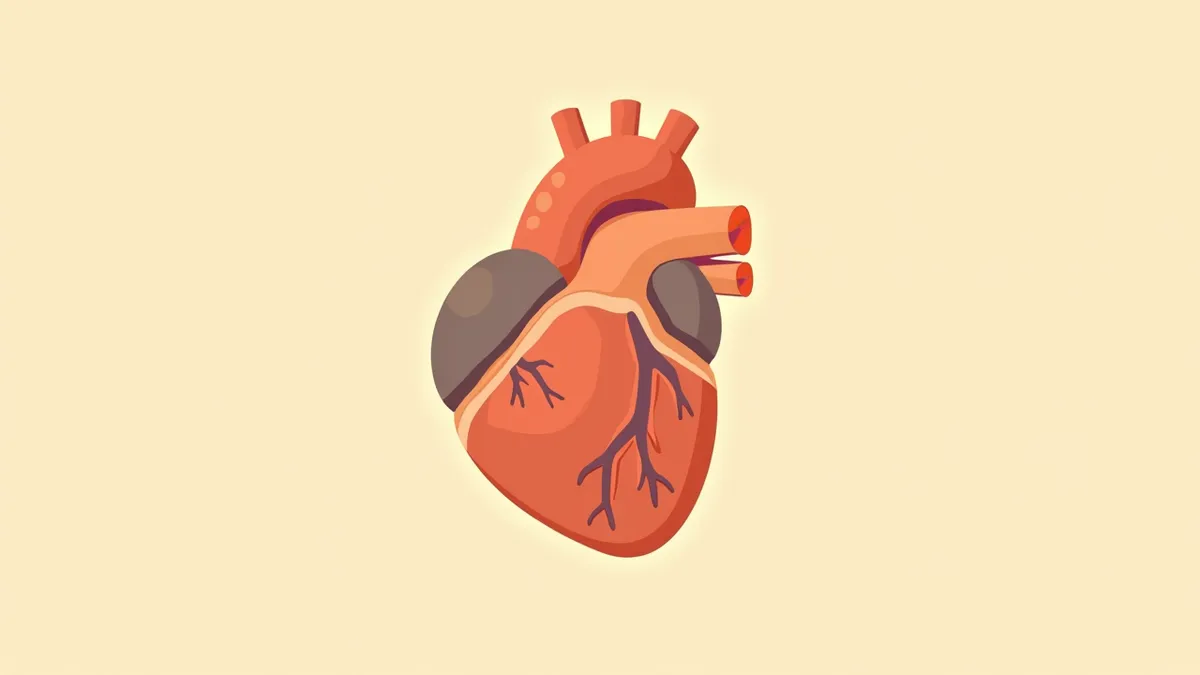
Structural changes in the heart associated with dilated cardiomyopathy in dogs
Dilated cardiomyopathy (DCM) in dogs is a condition in which the heart’s pumping ability weakens, causing the ventricles to stretch and the heart to enlarge. It is most commonly seen in large and giant breeds, with Doberman Pinschers, Great Danes, and Irish Wolfhounds being particularly prone. DCM is typically a progressive disease with a genetic predisposition, though in some breeds or with certain diets it can occur secondary to nutritional factors such as taurine deficiency. However, in most dogs, taurine deficiency is not the direct cause of DCM. During the early (latent) stage, symptoms are often absent, but as the disease progresses, the enlarged heart can lead to pulmonary congestion and edema, resulting in coughing, difficulty breathing, and reduced activity levels, ultimately progressing to heart failure. Therefore, it is crucial for high-risk breeds to undergo regular veterinary check-ups and echocardiographic evaluations to detect changes early.

What are the criteria for selecting key ingredients for managing canine DCM?

When selecting supplements to support the management of canine dilated cardiomyopathy (DCM), it is important to carefully verify the scientific evidence behind each ingredient. Remember that supplements are only supportive aids; diagnosis and treatment should always be left to your veterinarian. - Taurine: In certain breeds, such as Cocker Spaniels and Golden Retrievers, or with specific diets, taurine deficiency has been linked to DCM. Supplementation is recommended if a deficiency is confirmed. - Coenzyme Q10: This ingredient is of interest because it plays a role in mitochondrial energy production in heart cells and has antioxidant properties. - Omega-3 Fatty Acids: These help reduce inflammation by converting inflammatory mediators into less stimulating forms and may help mitigate muscle loss in dogs with heart disease. - Antioxidants like Lutein: While classified as antioxidants, their effectiveness for canine DCM has not yet been sufficiently proven. Along with considering the concentration and bioavailability of ingredients, it is most important to consult your veterinarian to choose the right option for your dog’s specific condition.
A supplement containing key ingredients that support heart health

BEST 1: Taurine-Coenzyme Q10 Combination Heart Supplement

This product is a heart supplement that combines taurine and coenzyme Q10. - Taurine: An amino acid recommended for supplementation in dogs with dilated cardiomyopathy (DCM) where a taurine deficiency has been confirmed. Correcting this deficiency may help improve cardiac contractility. However, in most dogs, taurine deficiency is not the direct cause of DCM. - Coenzyme Q10: An ingredient of interest for its role in energy production within heart cells and its antioxidant properties, which help reduce oxidative damage. These two ingredients are used to correct deficiencies and support antioxidant activity and energy metabolism. Efficacy and safety can vary from dog to dog. Please follow the product label for dosage instructions (e.g., one tablet daily, weight-based dosing), but it is safest to administer this supplement only under the guidance of your veterinarian.
A dog taking a taurine and coenzyme Q10 supplement

BEST 2: Omega-3 Fatty Acid-Based Heart Health Capsules
This supplement is formulated primarily with omega-3 fatty acids rich in EPA and DHA. - Omega-3 (EPA and DHA): n-3 fatty acids help reduce inflammation by converting inflammatory mediators (eicosanoids) into less stimulating forms. - Muscle protection: Studies suggest that omega-3 supplementation may help reduce muscle loss (cardiac cachexia) in dogs with heart disease. - Usage notes: It typically takes 4 to 6 weeks of consistent use to assess the effects of omega-3s. Additionally, their efficacy for arrhythmias or blood clots has not yet been clearly established in dogs with dilated cardiomyopathy (DCM). Please follow the label instructions for dosage (e.g., one capsule daily with food) and ensure consistent administration under veterinary guidance.
Omega-3 fatty acid-based heart health capsule product

BEST 3: Lutein-Taurine Combination Cardioprotective Powder

This product is a heart-support powder that combines lutein and taurine. - Lutein: Although known for its antioxidant properties, there is currently insufficient evidence to establish its cardioprotective effects in dogs with dilated cardiomyopathy (DCM). - Taurine: This amino acid is recommended as a supplement for DCM cases linked to taurine deficiency, and supplementation can be beneficial if a deficiency is confirmed. However, deficiency is not the underlying cause in all dogs. These two ingredients are used for their antioxidant properties and to correct deficiencies. Please follow the label instructions for administration (e.g., mixing one teaspoon into your dog’s food daily). For safety, always consult your veterinarian to adjust the dosage appropriately. Please note that supplements alone do not guarantee an extension of survival time, so they should be used alongside accurate diagnosis and proper medical treatment.
Lutein-Taurine Complex Heart Protection Powder Product

Comparison Table of Products BEST 1–3

ItemIngredientsMain effectsFormulationRecommended weight
BEST 1 (Taurine-Coenzyme Q10)Taurine, Coenzyme Q10Taurine supplementation when deficient, energy metabolism and antioxidant supportChewable supplement20kg and above
BEST 2 (Omega-3 focused)EPA, DHAAnti-inflammatory support, helps mitigate muscle lossCapsule15kg and above
BEST 3 (Lutein-Taurine)Lutein, TaurineAntioxidant and deficiency-correction support (limited evidence)Powder10kg and above

The effects in the table are supportive in meaning and do not replace treatment. Adjust the dose according to weight and always use after consulting a veterinarian.

Caution: Overdose May Increase Cardiac Burden

Cardiac supplements are not a substitute for medical treatment, so it is important to avoid arbitrary overuse. Recommended dosages and safety profiles vary by ingredient and individual pet, so it is crucial to follow the dosage prescribed by your veterinarian based on your pet’s weight and condition. If your pet is already taking other heart medications, there may be potential interactions between ingredients, so be sure to consult your veterinarian. If symptoms such as abnormal heart rhythm, difficulty breathing, or decreased energy occur while taking the supplement, stop administration immediately and visit a veterinary clinic.

Practical Usage Tips for Managing Canine DCM

Cardiac supplements are typically given with meals, but recommended usage varies by product, so please follow the label instructions and your veterinarian’s guidance. Regular cardiac ultrasounds and weight monitoring are crucial for managing DCM. Pay close attention to weight loss (cardiac cachexia), as it can be a warning sign. Remember, supplements are only supportive aids; your veterinarian’s diagnosis and prescription are paramount. Visit the clinic immediately if symptoms change, and consistent management starting from the asymptomatic latent stage, along with early intervention, can improve prognosis. Maintain a healthy life together with your family.
Scene of a puppy undergoing an echocardiogram (heart ultrasound) examination.

Reviewed by a veterinarian

Dr. Tony — Punnawat Phongkittirak

Dr. Tony — Punnawat Phongkittirak

Veterinarian

A veterinarian who majored in veterinary medicine at Khon Kaen University, Thailand, and completed the IVSA program at North Carolina State University in the United States. Drawing on clinical experience at animal hospitals, he works in the pet healthcare field and is dedicated to building a digital care environment that connects pet parents with veterinarians.

Frequently Asked Questions

Can dogs with DCM be treated?
While a complete cure may not be possible, the goal is to manage clinical symptoms, delay their progression, and maintain quality of life through veterinary diagnosis, treatment, and care. Supplements play a supportive role in this process.
When should I start giving the supplement?
There is currently no clear evidence that supplements can prevent dilated cardiomyopathy (DCM). Instead, it is recommended that high-risk breeds, such as Doberman Pinschers, undergo regular cardiac screenings starting from the asymptomatic latent stage. Please consult your veterinarian to determine whether supplements are appropriate and when to begin them.
Is it safe to give this supplement alongside other supplements?
While it’s generally safe, there may be interactions if used alongside other medications. Always consult your veterinarian before administering.
Will giving supplements improve my pet’s heart health?
Supplements are merely supportive aids for heart function; accurate diagnosis and proper treatment must be provided by a veterinarian. If symptoms worsen, immediate veterinary care is necessary.
Is DCM largely influenced by genetic factors?
Yes, it is a progressive condition with a strong genetic predisposition, especially in large-breed dogs, and specific gene mutations have been identified in Doberman Pinschers. If your dog has a family history of the disease, consider early screening and genetic testing.

Share

Related Guides

References

[1] Berg J et al. (2020) Canine Dilated Cardiomyopathy: Pathophysiology and Nutritional Management. Journal of Veterinary Cardiology, 25, 123-135.

[2] Plumb's Veterinary Drug Handbook (9th ed.). (2023). Wiley-Blackwell.

[3] American College of Veterinary Internal Medicine (ACVIM). (2021). Consensus Statement on the Management of Canine Dilated Cardiomyopathy.

This information is based on veterinary literature and does not replace diagnosis or treatment. Please consult a veterinarian for specific health concerns.

Metapet Co., Ltd. | CEO: Park Sung-yong | Business Reg. No. 417-88-02562 | Seoul, South Korea | Customer Center

7 Essential Care Tips for Canine Dilated Cardiomyopathy (DCM) | Meongsiljang