Like
Share
멍실장
강아지가 산소 마스크를 착용하고 편안히 누워 있는 이미지

7 Key Points for Emergency Management of Canine Congestive Heart Failure Recommended by Veterinarians

HeartTop PicksMeongsiljang Veterinary Advisory Board

Canine heart failure can lead to sudden respiratory distress and pulmonary edema, making emergency care crucial. Here’s a summary of effective management products and standards.

Emergency Care for Canine Heart Failure Is Key to Saving Lives
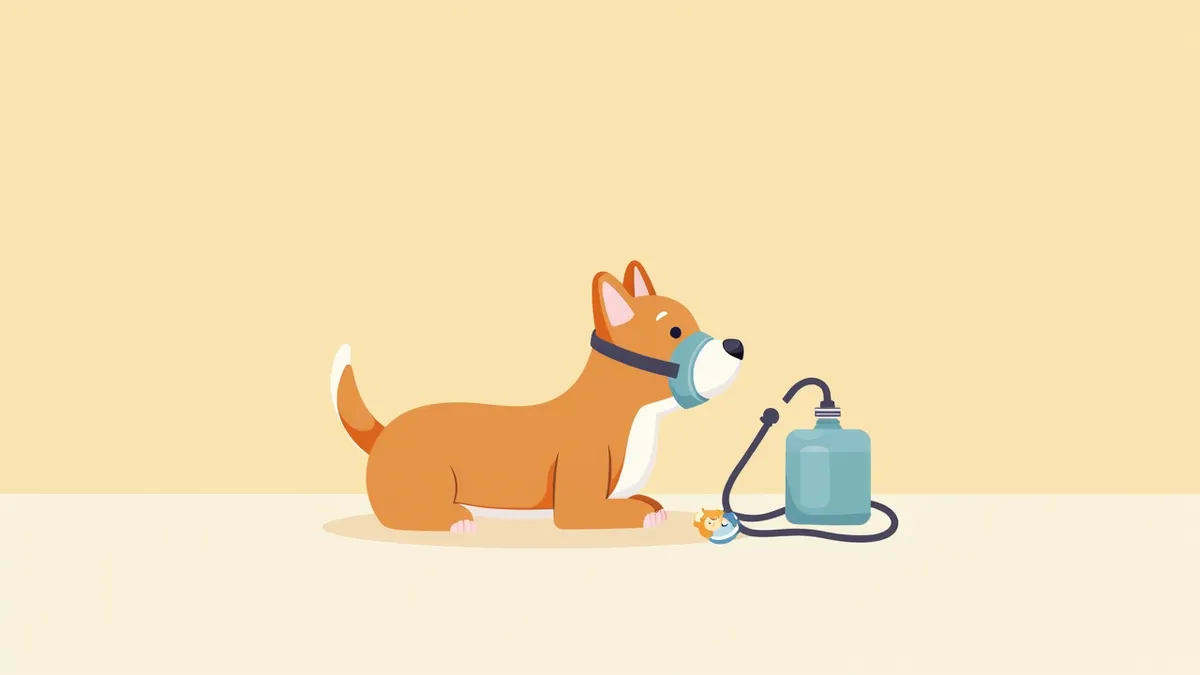
An image of an emergency situation where a puppy is wearing an oxygen mask.
Canine heart failure is a dangerous condition in which declining heart function leads to fluid accumulation in the lungs (pulmonary edema). If your dog shows symptoms such as difficulty breathing, rapid breathing, exercise intolerance, or fatigue, immediate veterinary care is essential. Emergency treatment focuses on stabilizing respiration and sustaining life through oxygen therapy and medications such as diuretics and cardiac stimulants (pimobendan). While oxygen therapy helps relieve breathing difficulties, some dogs cannot tolerate oxygen delivered near their nose, making it challenging to maintain adequate oxygenation; therefore, it is safest to let the veterinarian determine the most appropriate method based on the dog’s condition. Owners should be familiar with basic first-aid measures, but following the veterinarian’s guidance is the safest approach. Since all these interventions are only temporary measures, transporting the dog to a veterinary hospital is absolutely essential.

Know This: When You Notice a Heart Failure Emergency
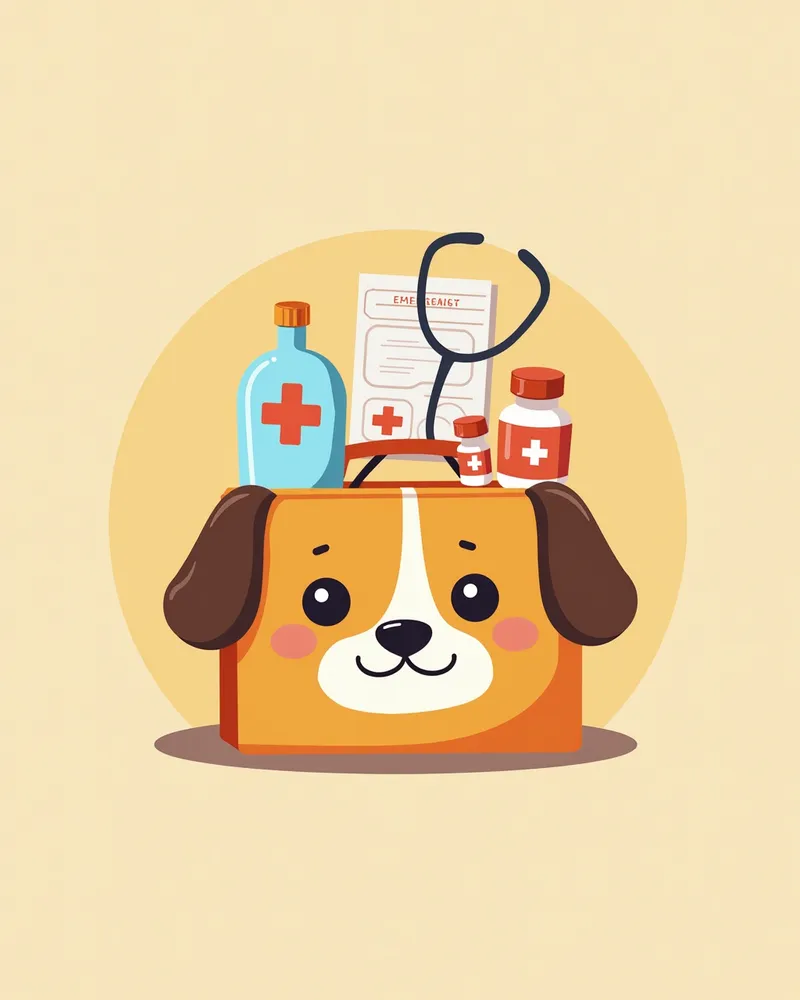
- Immediate effectiveness and safety: In emergencies, the product should work quickly while placing minimal stress on your dog. - Ease of use: It should be easy for pet owners to administer and in a form that dogs are unlikely to reject. - Functionality: Ideally, the product should support oxygen supply, promote diuresis, and improve heart function. - Veterinarian recommendation: Always choose products under the guidance of a veterinary professional. - Stability and reliability: It is important to select products that have undergone rigorous quality verification. - Long-term manageability: Look for products that are suitable not only for short-term emergency use but also for ongoing care.
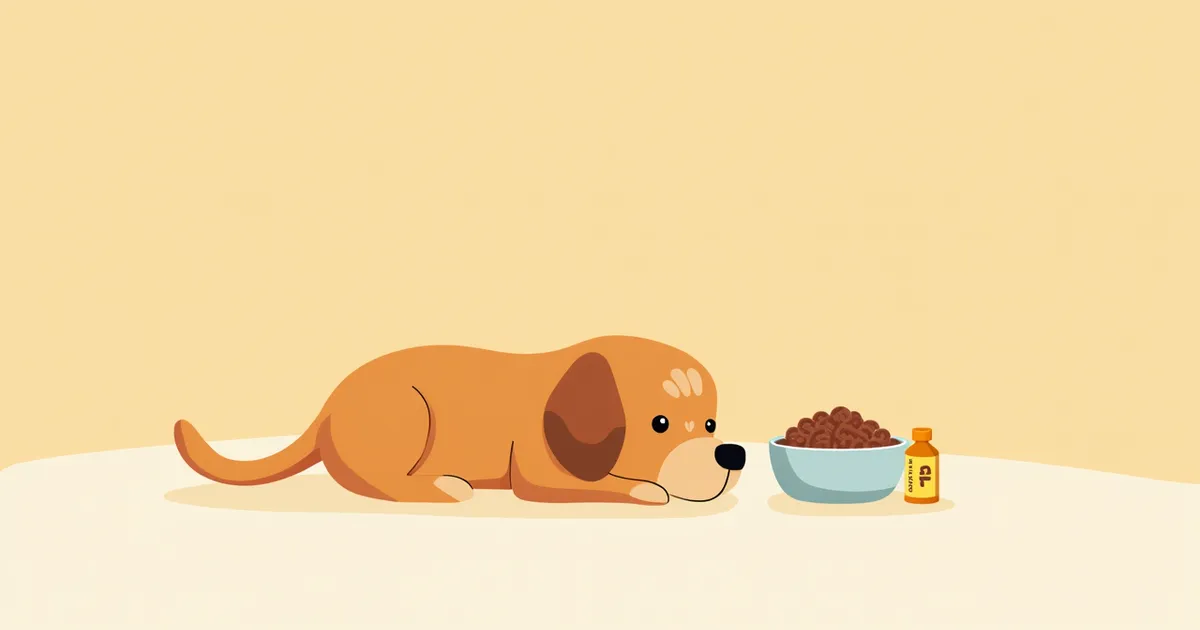
Image of the contents inside the puppy heart failure emergency kit

Know This 1: Respiratory Distress Is the Key Sign of a Heart Failure Emergency
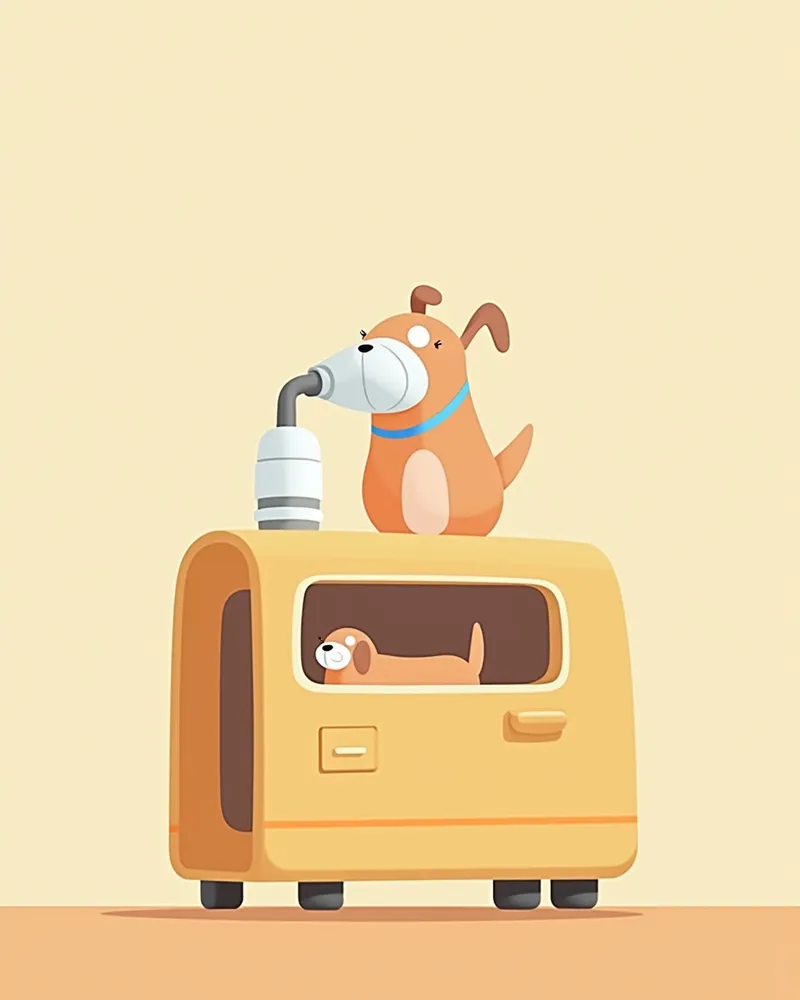
When heart failure worsens, fluid can accumulate in the lungs (pulmonary edema) or chest cavity (pleural effusion), leading to severe breathing difficulties—a medical emergency that can be life-threatening and requires immediate attention. Dogs often mask the signs of heart disease until they suddenly develop respiratory distress, so it’s helpful to monitor whether their resting breathing rate increases. Never overlook any changes in breathing, as they can signal serious underlying issues.
Image of a portable oxygen concentrator for dogs

Know This 2: Emergency Signs and What to Do on the Spot
If your dog is panting with its mouth open, breathing rapidly with visible abdominal movements, and its gums and tongue appear bluish, seek veterinary care immediately. Avoid holding or agitating your dog, as this can worsen the situation; instead, keep the environment calm and quiet while transporting your pet to the clinic as quickly as possible. Rather than attempting aggressive first aid like CPR at home, focus on moving your dog to the hospital promptly while ensuring its airway remains unobstructed. It’s wise to identify a nearby emergency veterinary clinic in advance.
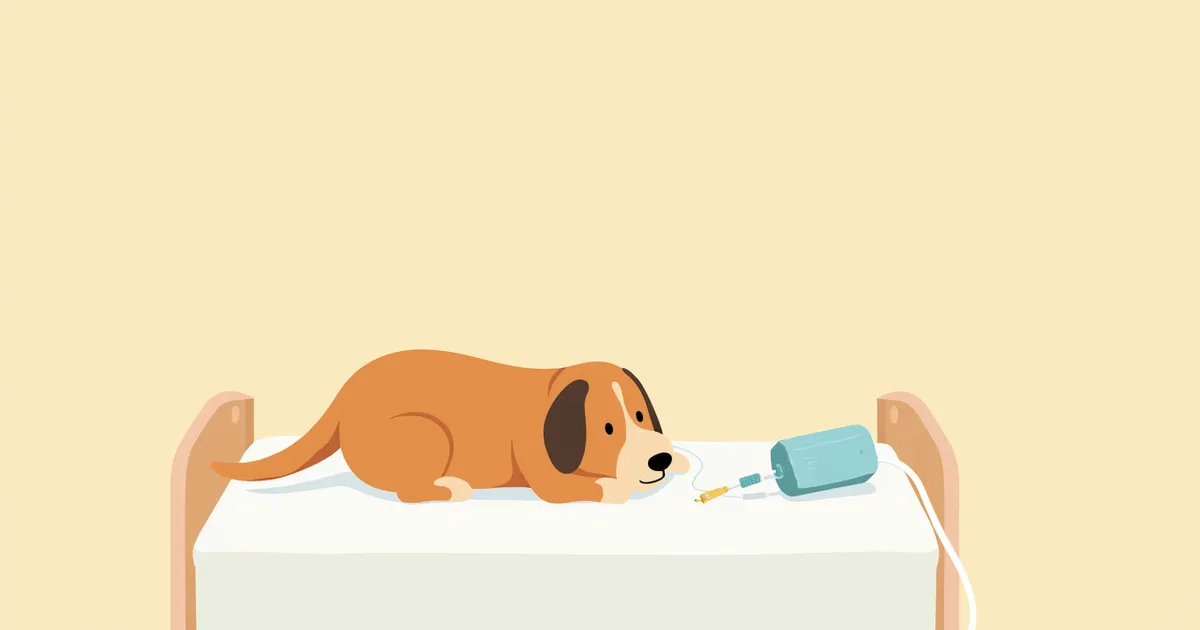
Image of the components in the heart failure emergency medication kit

Know This 3: Hospital Treatment and Subsequent Management

In an emergency, treatment involves providing oxygen, removing fluid from the lungs and chest cavity with diuretics, and stabilizing the heart. Once the crisis has passed, a medication plan is developed based on cardiac testing, and consistent management is essential to reduce the risk of recurrence. At home, it is important to monitor your pet’s resting respiratory rate to detect deterioration early, ensure medications are administered as prescribed, and keep up with regular veterinary check-ups. If you notice any changes, consult your veterinarian rather than making decisions on your own.
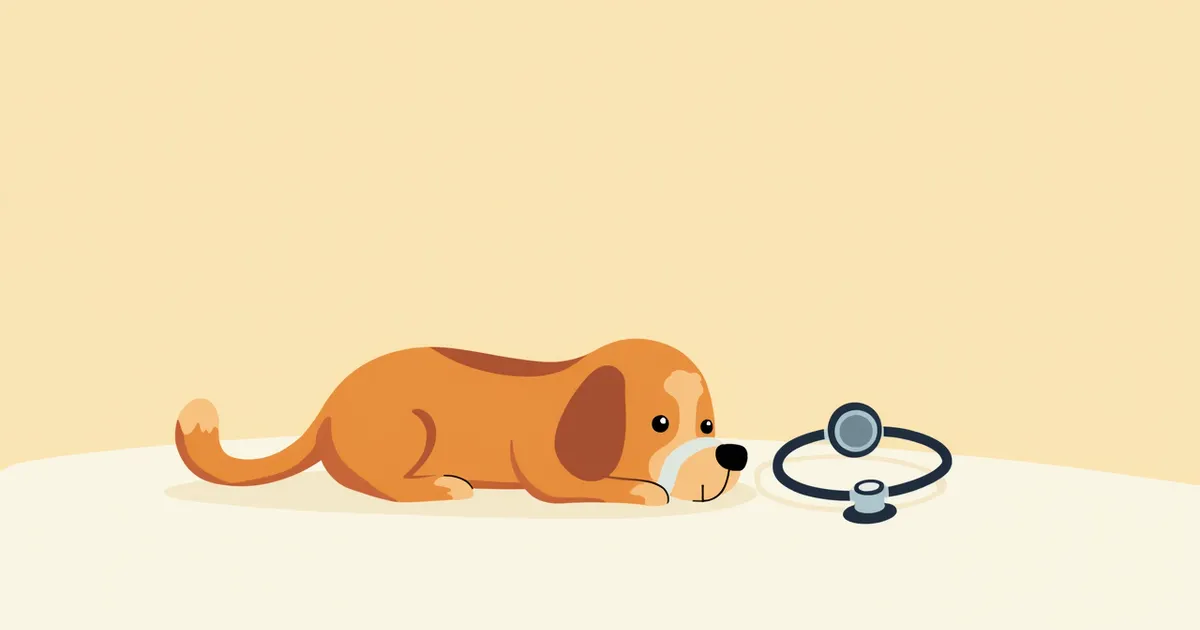
An image of a puppy wearing a heart monitoring band

Heart Failure Emergencies: What Pet Owners Should Know

ItemKey points
Key signsDifficulty breathing due to pulmonary edema or pleural effusion, potentially life-threatening
Emergency symptomsOpen-mouth or abdominal breathing, rapid breathing, bluish gums and tongue
On-the-spot responseDo not excite the dog; keep it quiet, transport quickly in a position that does not obstruct breathing
Hospital treatmentRemove fluid with oxygen and diuretics, plan medication therapy after stabilization
Subsequent managementWhen stable, manage recurrence by recording respiratory rate, taking medication, and regular check-ups

This is not a table recommending specific products or hospitals, but a reference for when consulting a veterinarian. Always make treatment and testing decisions together with a veterinarian through an examination.

Emergency Situation: If Respiratory Distress Worsens, Transport to the Hospital Immediately

If your dog is panting heavily with its mouth wide open or if its lips turn blue, these are signs that heart failure is worsening. While providing oxygen can help, immediate veterinary care is essential. Home measures are only temporary and should not replace professional treatment.

Usage Tips: Be Careful to Avoid Stressing Your Dog
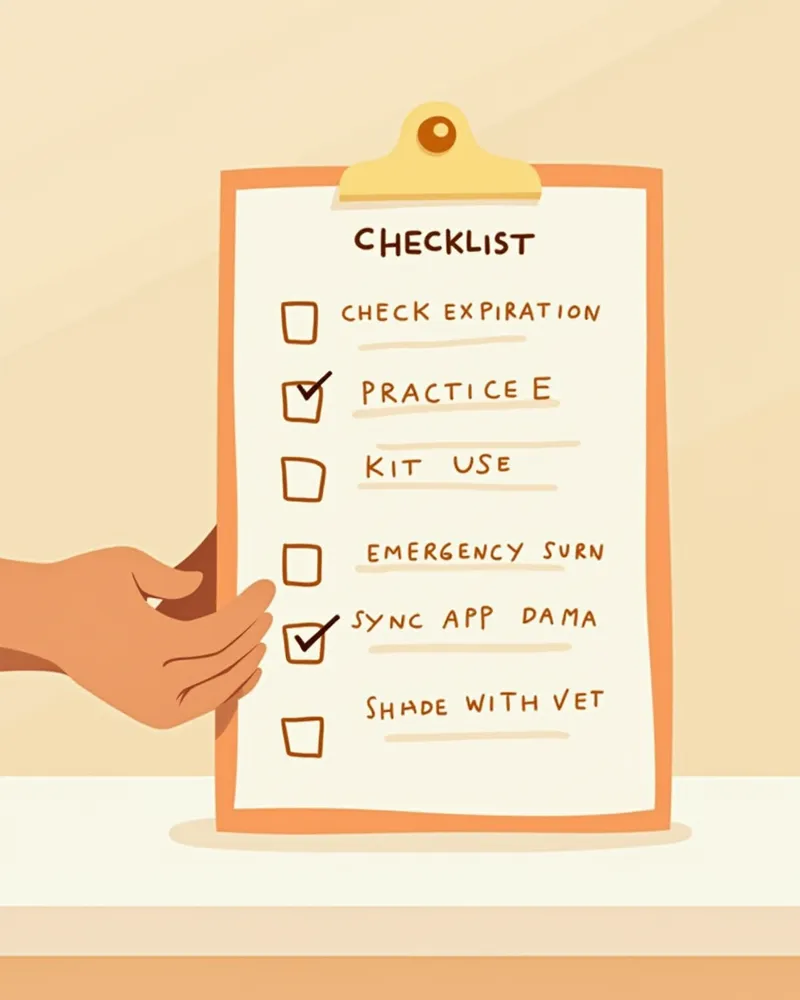
- Take action in a quiet environment: Dogs become extremely stressed in emergencies, so handle the situation in a calm, well-lit space. - Approach gently: When putting on a muzzle or administering medication, approach slowly and use gentle touch. - Monitor responses closely: Continuously check your dog’s breathing, behavior, and reactions. - Stop immediately if anxious: Excessive stress can strain the heart, so consult your veterinarian right away. - Provide comfort: Offer a blanket or a familiar, comfortable space to help your dog feel secure. - Stay calm yourself: Keep your own composure to reassure your dog and maintain a sense of stability.
Checklist of tips for emergency first aid in heart failure

Reviewed by a veterinarian

Dr. Tony — Punnawat Phongkittirak

Dr. Tony — Punnawat Phongkittirak

Veterinarian

A veterinarian who majored in veterinary medicine at Khon Kaen University, Thailand, and completed the IVSA program at North Carolina State University in the United States. Drawing on clinical experience at animal hospitals, he works in the pet healthcare field and is dedicated to building a digital care environment that connects pet parents with veterinarians.

Frequently Asked Questions

Can I perform emergency first aid for my dog’s heart failure at home?
While temporary oxygen supplementation or administering medication may be possible, the cornerstone of care is a veterinarian’s diagnosis and treatment. Home care measures are only temporary steps to take before reaching the clinic.
How do I use an oxygen mask?
Use the flow rate prescribed by your veterinarian, and administer the treatment in a quiet environment to keep your dog comfortable. However, dogs with breathing difficulties may not tolerate oxygen delivered directly to their nose well, so ensure the mask fits properly and consult your vet if your dog shows significant resistance.
Is it safe to give diuretics frequently?
No. You must strictly follow the dosage and schedule prescribed by your veterinarian. Arbitrarily increasing or decreasing the amount can disrupt your pet’s fluid and electrolyte balance and place a burden on the kidneys. If any changes occur, consult your veterinarian to adjust the treatment accordingly.
Is it safe to take Pimobendan long-term?
Pimobendan is a medication commonly used in the management of heart failure and is often prescribed for long-term use under veterinary guidance. It is essential to strictly follow the dosage and administration schedule set by your veterinarian, as well as to regularly monitor your pet’s condition through routine check-ups and cardiac evaluations.
What should I do if congestive heart failure recurs?
If the condition recurs, please visit the clinic immediately. Restart first aid measures, and have your veterinarian adjust the treatment plan accordingly.

Share

Related Guides

References

[1] Handbook of Veterinary Pharmacology, 2023, Chapter 307: Drugs Used in Heart Failure Therapy

[2] Notes on Canine Internal Medicine, 4th Edition, 2022, Section 751: Management of Congestive Heart Failure

[3] Textbook of Cardiovascular Medicine in Dogs and Cats, 2021, Chapter 719: Therapeutic Approaches to Canine CHF

This information is based on veterinary literature and does not replace diagnosis or treatment. Please consult a veterinarian for specific health concerns.

Metapet Co., Ltd. | CEO: Park Sung-yong | Business Reg. No. 417-88-02562 | Seoul, South Korea | Customer Center

7 Vet Tips for Emergency Care of Canine Congestive Heart Failure | Meongsiljang