Like
Share
멍실장
강아지 백내장 수술 후 회복 중인 모습

7 Key Post-Cataract Surgery Care Tips and Criteria Recommended by Veterinarians

Eye HealthTop PicksMeongsiljang Veterinary Advisory Board

Cataract surgery in dogs primarily uses phacoemulsification, and postoperative care is the key to success. Choosing the right products and care methods can speed up recovery and reduce the risk of complications.

What is Dog Cataract Surgery (Phacoemulsification)?
A veterinarian performing ultrasonic emulsification
Cataract surgery for dogs, known as phacoemulsification, involves using an ultrasonic device to break up and remove the clouded lens from the eye, followed by the insertion of an artificial intraocular lens in its place. This procedure can restore vision that was lost due to the cataract. Since general anesthesia is required, preoperative examinations are essential to assess the dog’s overall health and determine if they can safely undergo anesthesia. The decision to proceed with surgery is also based on detailed ophthalmic evaluations, including retinal function tests. Postoperatively, the most critical aspects are managing inflammation and preventing complications such as increased intraocular pressure. The risk of complications rises and recovery outcomes may vary as cataracts progress to mature or hypermature stages. Recovery time and when to resume normal activities depend on each dog’s individual condition, so it’s important to closely follow your veterinarian’s instructions and attend regular follow-up visits to monitor progress.

Note: Points to Check Before Cataract Surgery
Post-surgical care hinges on safety and consistent use as directed by your veterinarian. When selecting a product, consider the following five points, but always consult your vet during a clinical examination to determine whether it’s appropriate for your pet. Each factor can influence recovery and help prevent complications.
Safe ingredient profile: Check whether any ingredients may irritate the eye, and discuss their use with your vet.
Anti-inflammatory management: After cataract surgery, locally or systemically administered anti-inflammatory medications (steroidal or non-steroidal) prescribed by your vet are essential.
Intraocular pressure control: If needed, medications to lower intraocular pressure may be used concurrently—follow your vet’s prescription.
Veterinarian-prescribed or approved products: Rather than choosing products on your own, use those recommended by your vet after an examination.
Ease of use: Consider whether the formulation allows you to administer drops consistently according to the prescribed schedule.
Dog eye drops product

Note 1: What is Cataract Surgery and When Should It Be Considered?
Cataracts are a condition in which the lens inside the eye becomes cloudy, leading to vision loss. Phacoemulsification is a surgical procedure that breaks up and removes the clouded lens, then implants an artificial lens to restore vision. Not all cataracts require immediate surgery; it is considered when vision impairment interferes with daily life or when there is a risk of complications such as inflammation or glaucoma. It is important to consult with your veterinarian to determine whether surgery is appropriate for your dog, based on the stage of the cataracts and the dog’s overall health.
Proeye Liposomal Eye Drops Product

Note 2: Thorough Preoperative Evaluation is Essential
Cataract surgery outcomes depend heavily on thorough preoperative evaluations. We assess whether the retina is functioning properly to gauge the likelihood of vision recovery after surgery, and we also check eye pressure, inflammation levels, and overall health to ensure the pet can safely undergo general anesthesia. If an underlying condition like diabetes is contributing to the cataracts, it’s important to stabilize that first. For safety, choose a clinic that offers comprehensive ophthalmic exams and systemic health assessments, and be sure to discuss the specific preoperative tests with your veterinarian.
All Eye Collagen Eye Drops

Note 3: Risks and Postoperative Care Should Be Decided with Your Veterinarian
After cataract surgery, complications such as inflammation, increased intraocular pressure (glaucoma), and retinal issues can occur, making postoperative care crucial. This includes administering eye drops exactly as prescribed and protecting the eye from frequent touching. Regular veterinary ophthalmology check-ups are necessary to monitor progress, and recovery takes time. It is best to thoroughly discuss the benefits, risks, and postoperative care responsibilities with a veterinarian experienced in ophthalmology before making a decision.
Laser Eye Eye Drop Set

What Pet Owners Should Know About Cataract Surgery

ItemKey Points
Surgery OverviewRemove the clouded lens and insert an artificial lens to restore vision
Indication AssessmentDecide with a veterinarian based on the degree of progression, such as vision loss and complication risk
Preoperative EvaluationRetinal function, intraocular pressure, eligibility for general anesthesia, and management of underlying causes such as diabetes
Risks & AftercareComplications such as inflammation and glaucoma; eye drops, protection, and regular ophthalmic examinations needed
ConsultationThoroughly discuss the benefits, risks, and management burden with an ophthalmology-experienced veterinarian

This is not a table recommending specific products or clinics, but a reference for when you consult a veterinarian. Treatment and testing decisions must always be made together with a veterinarian through an examination.

Caution: Never Leave Your Dog Alone for the First 48 Hours After Surgery

In the early stages of recovery after surgery, your dog may try to scratch or rub its eyes, so it’s important for you to keep a close watch during this time. Irritation to the eye can delay healing and increase the risk of complications such as infection or inflammation. To prevent self-injury, fit your dog with an Elizabethan collar (neck collar) to stop it from touching or scratching the surgical site. Administer eye drops exactly as prescribed, and contact your veterinarian immediately if you notice any abnormalities.

Usage Tips: 4 Practical Tips for Successful Postoperative Care
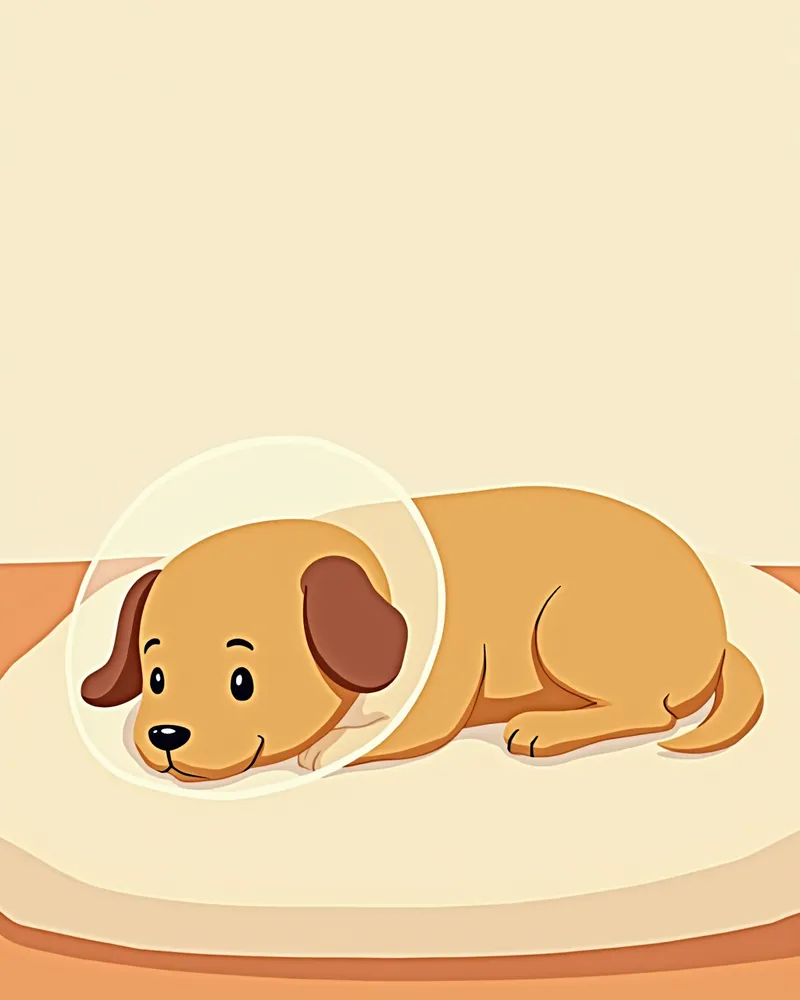
Post-operative care is the key to a smooth recovery. Please follow these essential tips:
Consistent Medication Management: Set reminders to ensure you never miss a dose of the prescribed eye drops or oral medications. Maintaining a consistent schedule for administering medication is crucial.
Keep the Eye Area Clean: If discharge accumulates around the eyes, gently wipe it away with a soft, clean cloth. Avoid any actions that could irritate the eye.
Environmental Adjustments: Avoid areas with excessively bright or dim lighting. Prepare a familiar, safe space where your dog can move around easily without the risk of bumping into objects.
Adhere to Veterinary Follow-up Schedule: Regular ophthalmic examinations are necessary after surgery to monitor progress, so please keep all appointments set by your veterinarian. Recovery takes time, so consistent care is essential.
A puppy resting after surgery

Reviewed by a veterinarian

Dr. Tony — Punnawat Phongkittirak

Dr. Tony — Punnawat Phongkittirak

Veterinarian

A veterinarian who majored in veterinary medicine at Khon Kaen University, Thailand, and completed the IVSA program at North Carolina State University in the United States. Drawing on clinical experience at animal hospitals, he works in the pet healthcare field and is dedicated to building a digital care environment that connects pet parents with veterinarians.

Frequently Asked Questions

Is ultrasonic phacoemulsification always required for cataract surgery in dogs?
No. While ultrasonic lithotripsy is the most common approach, the surgical method depends on your dog’s condition and the veterinarian’s assessment. A thorough preoperative evaluation is necessary.
Will vision fully recover after surgery?
In most cases, vision improves significantly. However, if the cataracts have progressed to the mature or hypermature stages, the long-term success rate may be somewhat lower than that for immature cataracts (approximately 85–90%). Discuss the potential for recovery with your veterinarian based on the results of preoperative diagnostic tests.
What happens if I miss a dose of medication after surgery?
Missing a dose can cause inflammation to flare up again or slow down your pet’s recovery. If you miss more than one dose in a day, contact your veterinarian right away.
My dog isn’t eating after surgery. Is this normal?
It’s normal for your pet’s appetite to temporarily decrease after surgery. If they don’t eat for more than 24 hours, please contact your veterinarian.
My pet’s eye is red or has discharge after surgery. Is this normal?
Redness or discharge from the eyes can indicate not only infection but also complications such as inflammation (uveitis) or increased intraocular pressure (glaucoma). If you notice these symptoms, do not ignore them—seek veterinary care immediately.

Share

Related Guides

References

[1] Fossum TW. Preoperative and intraoperative care of the surgical patient. In: Small Animal Surgery. 3rd ed. Elsevier; 2007.

[2] Hosgood G, Scholl DT. Evaluation of age as a risk factor for perianesthetic morbidity and mortality in the dog. J Vet Emerg Crit Care. 1998;8(3):222-36.

[3] Reader RC, McCarthy RJ, Schultz KL, et al. Comparison of liposomal bupivacaine and 0.5% bupivacaine hydrochloride for control of postoperative pain in dogs undergoing tibial plateau leveling osteotomy. J Am Vet Med Assoc. 2020;256:1011–19.

This information is based on veterinary literature and does not replace diagnosis or treatment. Please consult a veterinarian for specific health concerns.

Metapet Co., Ltd. | CEO: Park Sung-yong | Business Reg. No. 417-88-02562 | Seoul, South Korea | Customer Center

7 Vet-Recommended Post-Cataract Surgery Care Tips for Dogs | Meongsiljang