Like
Share
멍실장
강아지 고혈압성 망막증 관리 추천 BEST와 고르는 기준 총정리

7 Key Points for Managing Canine Hypertensive Retinopathy Highlighted by Veterinarians

Eye HealthTop PicksMeongsiljang Veterinary Advisory Board

Hypertensive retinopathy in dogs can lead to vision loss due to damage to the blood vessels in the eye caused by high blood pressure. Proper management and product selection are important.

What Is Hypertensive Retinopathy in Dogs?

A veterinarian examining a dog suspected of having hypertensive retinopathy
Hypertensive retinopathy in dogs is a condition in which the blood vessels of the retina are damaged due to systemic hypertension, potentially leading to vision loss or blindness through retinal hemorrhage or retinal detachment. Although ocular changes are often the first sign of systemic hypertension, the early stages typically lack obvious symptoms, making early detection difficult and regular ophthalmic examinations essential. Hypertension can occur primarily without an identifiable cause, but it is more commonly secondary in dogs with chronic kidney disease, cardiovascular disease, endocrine disorders such as hyperthyroidism, hyperadrenocorticism, or diabetes mellitus, or tumors. In these cases, both blood pressure control and retinal protection are necessary. Because this condition reflects overall systemic health rather than just a vision problem, comprehensive management, including treatment of the underlying disease, is essential. Early diagnosis and consistent blood pressure management are key to preserving vision.

Selection Criteria: Guide to Choosing Products for Managing Hypertensive Retinopathy
When selecting a supplement to support your dog’s management of hypertensive retinopathy, be sure to check the ingredients, safety profile, and whether it is recommended by a veterinarian. Keep in mind that the core treatment for lowering blood pressure itself involves veterinarian-prescribed medications such as amlodipine or ACE inhibitors, along with treating the underlying disease; supplements cannot replace these treatments and should only be used as an adjunct. Look for products containing ingredients that may help with antioxidant support and the maintenance of retinal and neural function, have minimal side effects, come in a form your dog will readily accept, and are recommended by your veterinarian.
Vascular and retinal protective ingredients: Products containing ingredients that may help maintain the function of retinal and neural tissues are beneficial.
Antioxidant ingredients: These can help reduce oxidative stress and inflammatory responses.
Blood pressure management support: Since blood pressure cannot be controlled by supplements alone, they must always be used in conjunction with veterinary blood pressure treatment.
Veterinary recommendation: Prioritize products whose safety and suitability have been confirmed by your veterinarian.
Palatability and ease of administration: The supplement must be easy for your dog to consume to ensure long-term, consistent use.
Comparison of Products for Managing Hypertensive Retinopathy

BEST 1: Retinal Stability Protector Plus
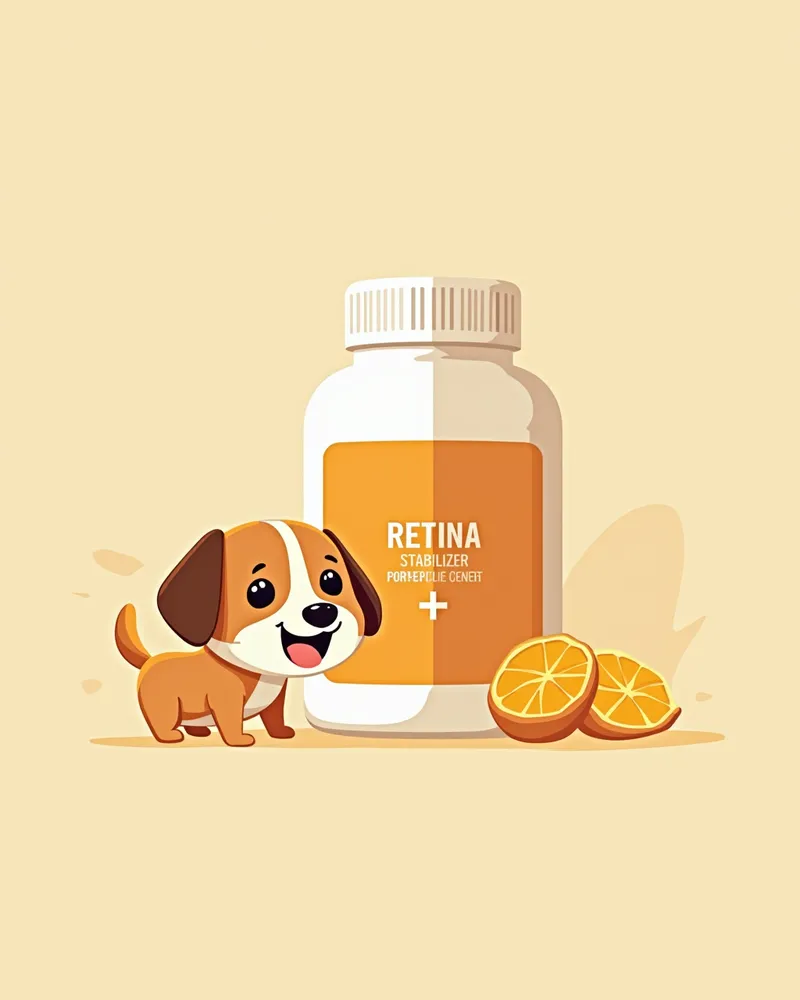
Retinal Stability Protector Plus is a supplemental nutritional product formulated with ingredients that support retinal health. - Lutein: An ingredient that may help reduce oxidative stress in the retina through its antioxidant properties. - Zeaxanthin: Known to work alongside lutein to assist in protecting the retina. - Omega-3 Fatty Acids: Omega-3s such as DHA and EPA are important for maintaining the function of retinal and neural tissues and may help alleviate inflammatory responses. However, since this product is not a treatment for directly lowering blood pressure, dogs with hypertensive retinopathy should use it only as a supplement alongside veterinary blood pressure management. Follow the product instructions and your veterinarian’s guidance for dosage and administration, and discontinue use and consult your veterinarian if any adverse symptoms occur.
Retinal Stability Protector Plus product and dogs

BEST 2: Hyperblood Care Capsules

Hyperblood Care Capsules are a comprehensive nutritional supplement formulated primarily with antioxidant ingredients. - Magnesium and Potassium: While these minerals help maintain electrolyte balance, there is no clear evidence that they can lower a dog’s blood pressure when used as a supplement alone. - Resveratrol, Vitamin E, and Vitamin C: These antioxidants may help reduce oxidative stress and inflammatory responses. However, managing hypertension in dogs primarily requires veterinarian-prescribed medications such as amlodipine or ACE inhibitors, along with treatment of the underlying condition. This product serves only as a supportive aid and does not replace medical treatment. Always consult your veterinarian to use this supplement alongside proper blood pressure management, and ensure regular blood pressure monitoring for safe care.
Hyperblood Care Capsules

BEST 3: Omega-3 Retinal Care Liquid
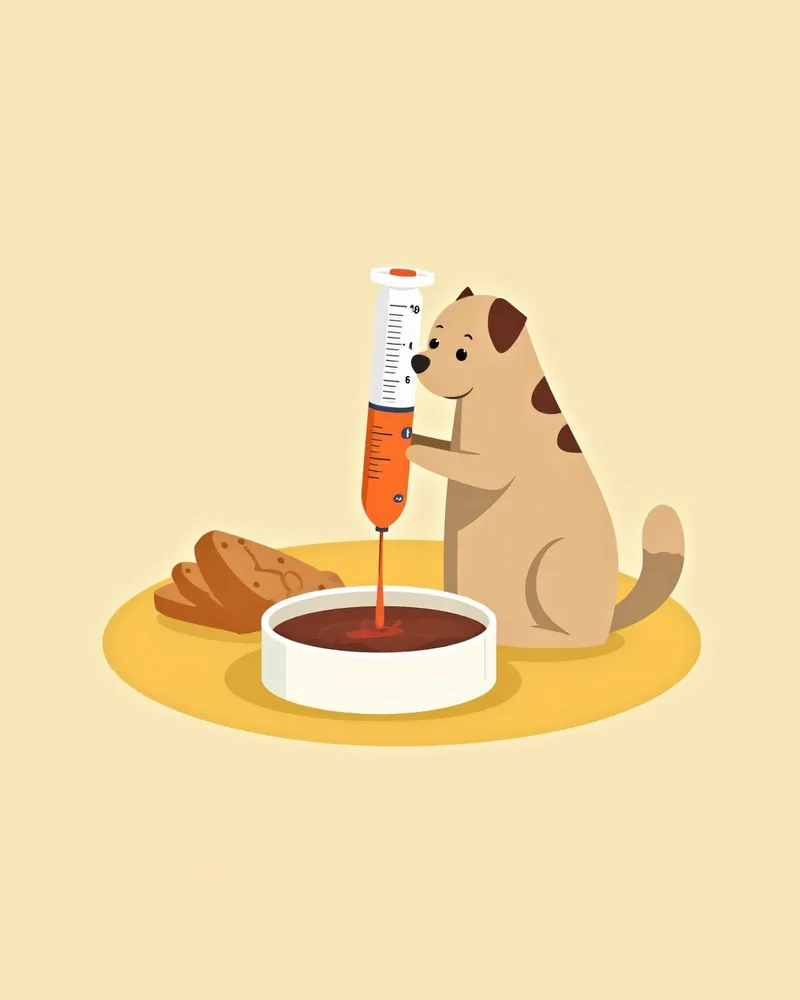
Omega-3 Retinal Care Liquid is a liquid supplement containing highly concentrated omega-3 fatty acids. - Omega-3 Fatty Acids: Essential for maintaining retinal and brain tissue function, these may help alleviate inflammatory responses. - DHA: Plays a key role in supporting the normal function of retinal and nervous tissues. - EPA: Helps reduce inflammation through its anti-inflammatory properties. However, omega-3s are not a direct treatment for lowering blood pressure and should not replace veterinary blood pressure management or treatment of underlying conditions. The palatable formula makes it easy for dogs to consume. Administer according to product instructions and your veterinarian’s guidance, mixing it into your pet’s meals.
Currently using an omega-3 retinal care liquid product

Comparison Table of BEST 1–3 Products

ItemMain IngredientsFormRecommended Timing
Retina Stabilizer Protector PlusLutein, zeaxanthin, omega-3TabletSupportive management (alongside blood pressure treatment)
HyperBlood Care CapsuleMagnesium, potassium, resveratrolCapsuleSupportive management (alongside blood pressure treatment)
Omega-3 Retina Care LiquidOmega-3 fatty acidsLiquidSupportive management (long-term feeding)

These products are not medications that directly lower blood pressure but supplementary nutritional supplements. Blood pressure control centers on veterinarian-prescribed medications (e.g., amlodipine, ACE inhibitors) and treatment of the underlying disease. Always use in consultation with your veterinarian, and if side effects occur, discontinue immediately and consult them.

Caution: Risk of Side Effects from Overdosing

Overdosing on vascular protectants can lead to side effects such as indigestion, diarrhea, and loss of appetite. Capsule formulations, in particular, may irritate the stomach, so it is essential to strictly follow the dosage prescribed by your veterinarian.

Usage Tips: Practical Guide to Maximizing Effectiveness

Managing hypertensive retinopathy in dogs requires more than just products; it’s essential to address lifestyle habits and underlying conditions. Regular, gentle walks within your dog’s comfort level can support overall health, while avoiding high-sodium diets is recommended. - Dietary Management: Avoid high-sodium foods, but be cautious with overly restrictive low-sodium diets, as their effectiveness is unclear and they may even raise blood pressure. Always consult your veterinarian before making dietary changes. - Regular Check-ups: Schedule eye exams and blood pressure checks every 3–6 months to monitor eye health and blood pressure trends. - Medication Management: Use supplements and medications only under veterinary guidance, and adjust promptly if they’re ineffective or cause adverse effects. Treating the underlying condition and maintaining consistent blood pressure control are key to preserving vision.
While walking your dog

Reviewed by a veterinarian

Dr. Tony — Punnawat Phongkittirak

Dr. Tony — Punnawat Phongkittirak

Veterinarian

A veterinarian who majored in veterinary medicine at Khon Kaen University, Thailand, and completed the IVSA program at North Carolina State University in the United States. Drawing on clinical experience at animal hospitals, he works in the pet healthcare field and is dedicated to building a digital care environment that connects pet parents with veterinarians.

Frequently Asked Questions

Is hypertensive retinopathy curable?
Effectively managing the underlying condition (such as kidney disease) and high blood pressure can improve symptoms and, in some cases, restore vision. However, because damaged retinal tissue is difficult to repair, early diagnosis and management are crucial.
How many times a day should I give my pet nutritional supplements?
Dosage varies by product. Generally, administer once daily as directed by your veterinarian. The appropriate dose depends on your pet’s weight and health condition.
Which dogs are more susceptible to hypertensive retinopathy?
Senior dogs, as well as those with chronic kidney disease, cardiovascular disease, endocrine disorders (such as hyperthyroidism, Cushing’s disease, or diabetes), or tumors, are at higher risk. Regular check-ups are essential.
Can supplements and medications be given at the same time?
Please consult your veterinarian before use. Some ingredients may interact with medications, so caution is advised.
Will giving this product restore my pet’s vision?
Once the retina is damaged, recovery is difficult. However, when used alongside blood pressure treatment, it can help prevent further damage and preserve vision. Early intervention and proper blood pressure control are key.

Share

Related Guides

References

[1] Brown SA, Henik RA. Diagnosis and treatment of systemic hypertension. Vet Clin North Am Small Anim Pract 1998;28(6):1481–94.

[2] Komáromy AM, Andrew SE, Denis HM, Brooks DE, Gelatt KN. Hypertensive retinopathy and choroidopathy in a cat. Vet Ophthalmol 2004;7(1):3–9.

[3] Clinical Medicine of the Dog and Cat, 4th Ed. Elsevier, 2020.

This information is based on veterinary literature and does not replace diagnosis or treatment. Please consult a veterinarian for specific health concerns.

Metapet Co., Ltd. | CEO: Park Sung-yong | Business Reg. No. 417-88-02562 | Seoul, South Korea | Customer Center

7 Key Strategies for Managing Hypertensive Retinopathy in Dogs | Meongsiljang