

Veterinarian-Recommended Top 7 for Managing Canine Dry Eye (Cyclosporine)
Canine dry eye, or keratoconjunctivitis sicca, is a condition caused by insufficient tear production, and cyclosporine-based treatments are the primary management approach. Here’s a guide to choosing effective and safe products.
What Is Canine Dry Eye Treatment (Cyclosporine)?
Things to Know: What to Look for in Cyclosporine Eye Drop Therapy
Things to Know 1: What Is the Treatment and When Is It Used?
Things to Know 2: Consistent Eye Drop Application and Prescription Adherence Are Key
Things to Know 3: Adjust with Regular Monitoring
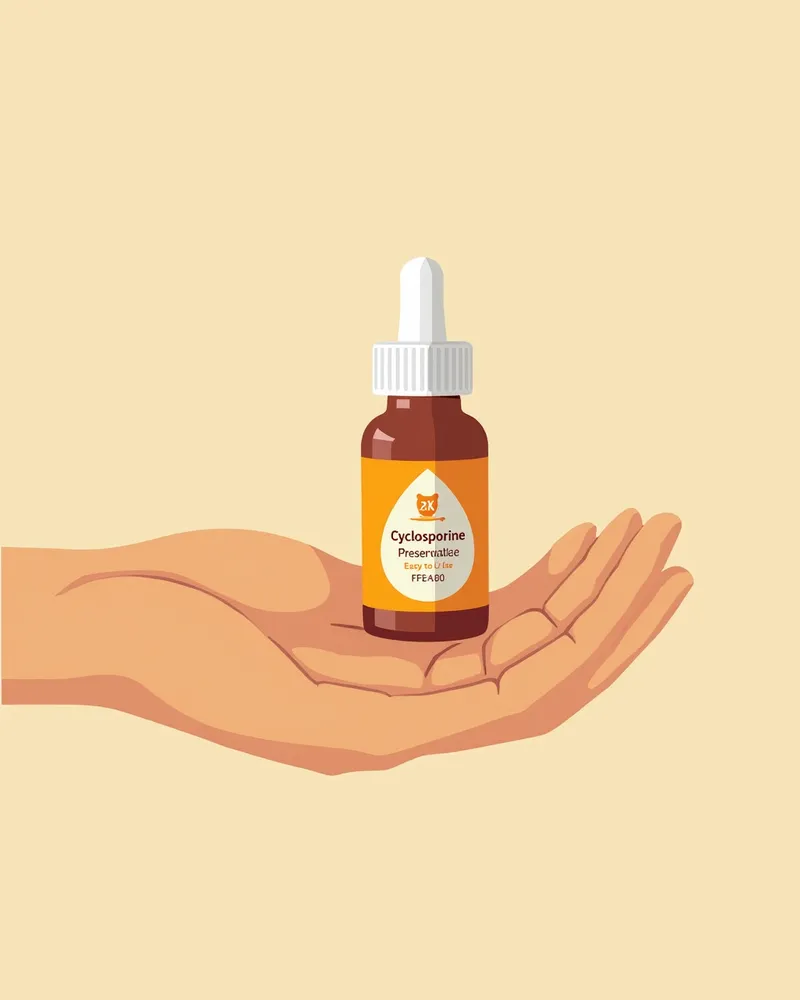
Points to Remember About Cyclosporine Eye Drop Therapy
| Item | Key Points |
|---|---|
| Treatment Overview | Prescription eye drops that modulate the immune response to increase tear production |
| Deciding Suitability | The veterinarian prescribes after confirming tear volume and corneal condition through testing |
| Consistency | It takes several weeks to take effect; apply regularly and do not stop on your own |
| Monitoring | Track tear volume with the Schirmer test and check corneal condition |
| Consultation | Consult your veterinarian if irritation or redness worsens, or for long-term management |
This is not a table recommending specific products or clinics, but a reference for consulting your veterinarian. Treatment and testing decisions must always be made together with your veterinarian through an examination.
Precautions and Contraindications
Cyclosporine eye drops are contraindicated in dogs with hypersensitivity. If you notice redness or severe itching in the eyes, discontinue use immediately and consult your veterinarian. Additionally, because interactions may occur when used with other eye medications, always follow your veterinarian’s instructions.
Usage Tips and Management Points
Reviewed by a veterinarian

Dr. Tony — Punnawat Phongkittirak
VeterinarianA veterinarian who majored in veterinary medicine at Khon Kaen University, Thailand, and completed the IVSA program at North Carolina State University in the United States. Drawing on clinical experience at animal hospitals, he works in the pet healthcare field and is dedicated to building a digital care environment that connects pet parents with veterinarians.
Reviewed 2026-06-03
Frequently Asked Questions
When do cyclosporine eye drops start to take effect?
Can dry eye return if I stop using eye drops?
My dog hates eye drops. What should I do?
Are products containing preservatives safe?
Are there any other treatment options besides cyclosporine?
Share
Related Guides

Top 5 Dog Tear Supplements Recommended for 2026

What is Lutein? Effects on Dog Eye Health

The Best Canine Uveitis Management Products and Selection Criteria: A Comprehensive Guide

Top 5 Joint-Support Mats and Stairs for Dogs and How to Choose Them

Top 5 Recommended Recovery Diets for Dogs After Joint Surgery — Nutritionally Balanced Food for the Recovery Period

When Are Prescription Diets Needed for Dogs? — Selection Criteria by Kidney, Liver, and Obesity Conditions

Top 5 Cat Water Fountains for Increasing Water Intake and Kidney Health

Top 5 Urinary and Digestive Integrated Cat Foods for Stones and Diarrhea — Ingredient Comparison

5 Key Differences in Dog Food Grades Explained by a Veterinarian

Complete Guide to Dog Breeds — Characteristics and Health Checkpoints for Small, Medium, and Large Breeds
References
[1] Dodi PL. Immune-mediated keratoconjunctivitis sicca in dogs: current perspectives on management. Vet Med (Auckl). 2015;6:341–347.
[2] Hendrix DV, Adkins EA, Ward DA, Stuffle J, Skorobohach B. An investigation comparing the efficacy of topical ocular application of tacrolimus and cyclosporine in dogs. Vet Med Int. 2011;2011:487592.
[3] Clinical Atlas of Canine and Feline Ophthalmic Disease, 2nd Ed. Chapter 21: Treating Keratoconjunctivitis Sicca.