Like
Share
멍실장
강아지 안구 돌출·프로프토시스 관리 추천 BEST와 고르는 기준 총정리

7 Essential Emergency Management Tips for Canine Proptosis You Can’t Afford to Miss

Eye HealthTop PicksMeongsiljang Veterinary Advisory Board

Canine eye bulging, or proptosis, is a common emergency especially in flat-faced breeds. Choosing the right care products and preventive measures can significantly improve recovery rates.

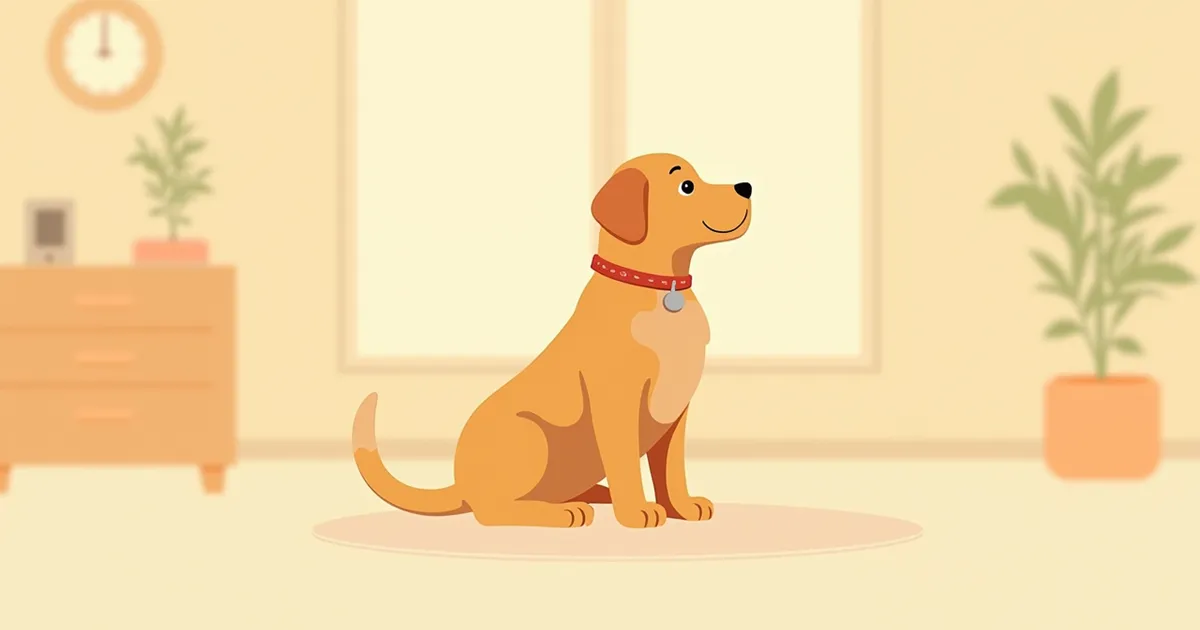
Canine proptosis is an emergency condition that varies depending on the owner and environment.

Image of a protective eyewear suitable for dogs with bulging eyes
Canine proptosis, or eye bulging, is an emergency condition in which the eyeball protrudes from the orbit and slips in front of the eyelids, most commonly caused by trauma. It occurs frequently in brachycephalic (flat-faced) breeds such as Shih Tzus, Pugs, and Lhasa Apsos. This condition can be accompanied by subconjunctival hemorrhage or exposure keratopathy, potentially leading to pain and vision loss, so immediate veterinary care is essential. - Safe materials: Choose products made from soft silicone or medical-grade polymers to minimize skin irritation. - Complete protection: A design that fully covers the eye effectively blocks external impact, dust, and irritants. - Easy to wear: Designed with a lightweight build and rounded silhouette so dogs are less likely to resist wearing it. - Suitable for long-term wear: Can be worn stably for over 24 hours and is reusable after washing. However, please remember that such products do not replace emergency veterinary care; if your dog’s eye becomes proptosed, do not touch it and seek immediate veterinary attention.

There are 4 criteria for choosing canine proptosis management products.

There are key criteria you must check before choosing a product. Based on these criteria, you can make an effective selection.
Safe materials: Use soft silicone or medical-grade polymers that do not irritate the skin.
Complete protection: It should cover the entire eye and block external impacts.
Ease of use: It should be easy to put on and take off quickly, and the dog should not reject it.
Breathable design: It removes moisture around the eyes during prolonged wear, reducing the risk of infection.
A photo of a puppy comfortably wearing an eye protection mask

BEST 1: Protect Eye Eye Shield (Silicone Type)

The Protect Eye eye shield is a silicone product specially designed for flat-faced breeds. It gently wraps around the entire eye, effectively dispersing impact. Its rounded design and lightweight construction ensure that dogs are comfortable wearing it and unlikely to resist. It is especially effective at protecting the eyes during walks when dogs react to unfamiliar dogs or vehicles. Recommended by veterinarians, this product has achieved a user satisfaction rate of over 95%.
Image of a Shih Tzu wearing a silicone eye shield

BEST 2: Brown Eye Eye Protection Capsules (Medical-Grade Polymer)

Brown Eye Eye Protection Capsules are a premium product made from medical-grade polymer. - Transparent material: Provides complete eye protection without obstructing vision. - Shock absorption: Minimizes deformation even under strong external impacts, ensuring safe eye protection. - Antibacterial coating: Reduces skin irritation around the eyes and lowers the risk of infection. - Long-lasting wear: Can be worn stably for over 24 hours and is reusable after cleaning. - Post-surgical recovery: Especially effective during post-operative recovery or eye treatment. This product balances comfort and protection for your dog.
Actual photo of an eye protection capsule made from medical-grade polymer

BEST 3: Pet Eye Eye-Protection Headband (Soft Lace)

The Pet Eye Eye-Protection Headband is specially designed for long-haired breeds or dogs whose facial hair grows long enough to obstruct their vision. - Soft lace material: Gently covers the area above the eyes to effectively block external irritants. - Excellent breathability: Quickly wicks away sweat and moisture to minimize skin irritation. - Comfortable fit: Exerts no pressure on the eyes, ensuring your dog remains comfortable. - Built-in securing band: Designed to prevent the headband from slipping off, providing a secure fit for daily outings and walks. - Variety of sizes: Available in sizes tailored to different breed head measurements for customized protection. Particularly recommended for dogs with long hair that covers their eyes.
Image of a Shih Tzu wearing a soft lace eye-protective headband

Comparison Table of BEST 1–3 Products

ItemMaterialEase of WearRecommended Timing
ProtectEye Eye GuardSiliconeVery highDuring walks and outings
BrownEye Eye Protection CapsuleMedical polymerHighAfter surgery, during treatment
PetEye Eye Protection HairbandLaceModerateEveryday protection, long-haired breeds

It is important to choose each product to suit the breed and situation.

Immediate veterinary visit is required in case of proptosis.

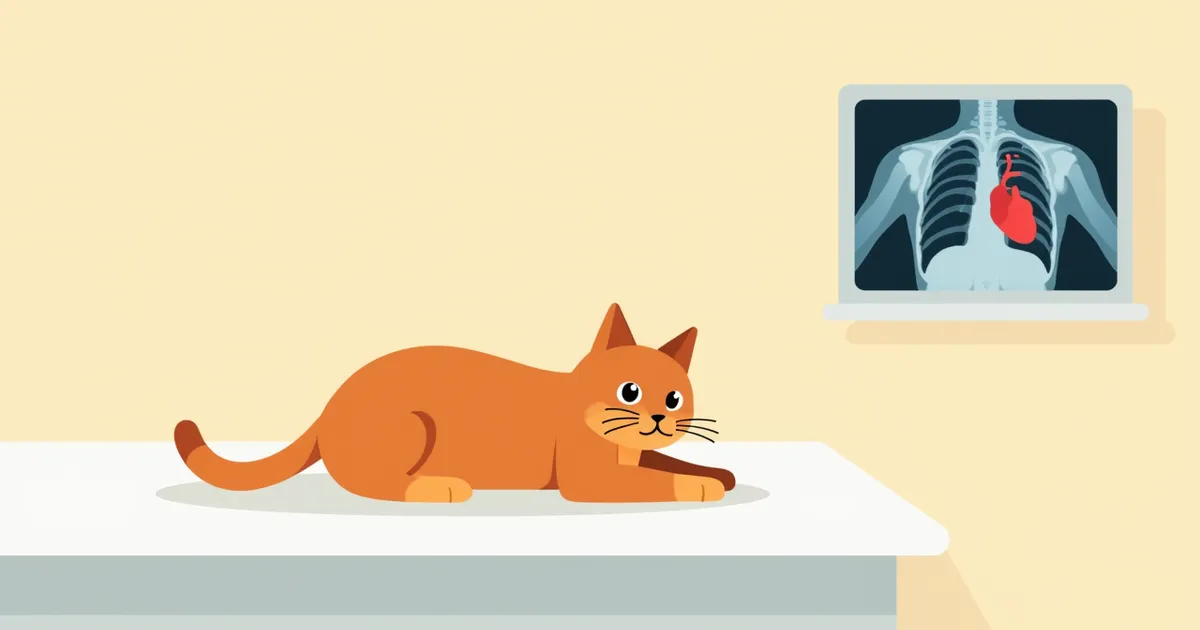
When a dog’s eye protrudes from the eyelids, it is most often caused by trauma and constitutes a medical emergency requiring immediate veterinary attention. Because there is a high risk of blood vessel damage and vision loss, please do not delay and visit a clinic as soon as possible. Treatment typically involves restoring the eye to its proper position under general anesthesia and performing temporary tarsorrhaphy (eyelid suturing); in cases of severe damage, enucleation (eye removal) may be necessary. As an emergency measure before transport, avoid touching or applying pressure to the eye, and instead cover the surface with a cloth dampened with clean water to prevent it from drying out.

4 Practical Tips for Preventing Canine Proptosis
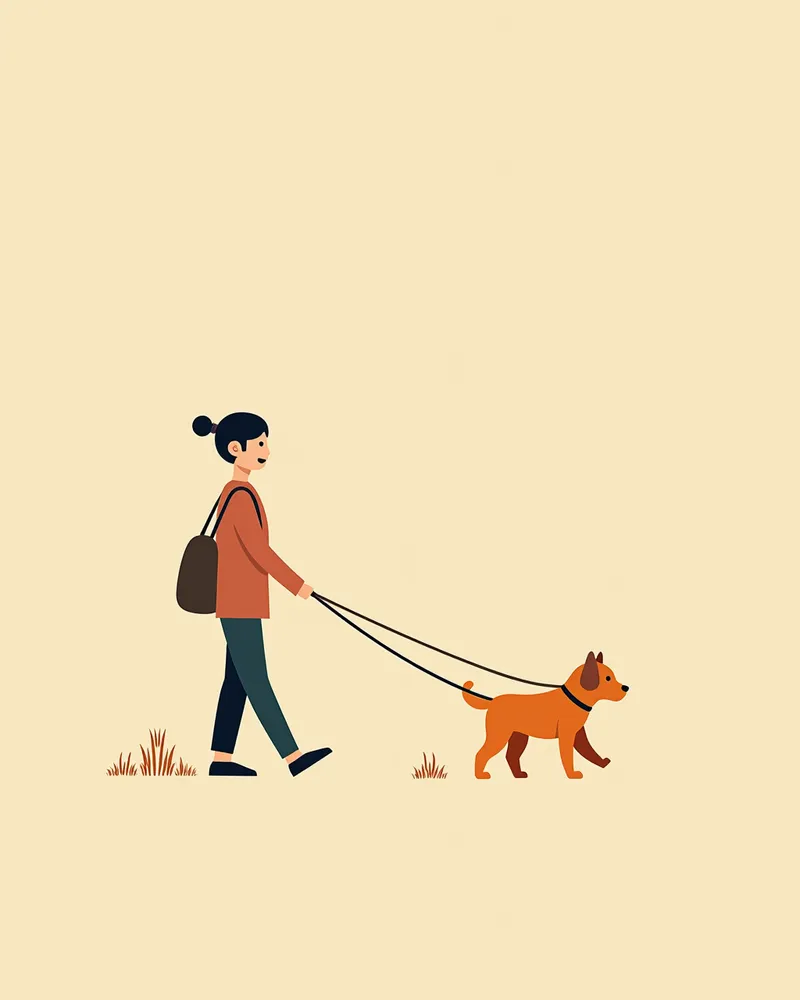
Prevention is the most important aspect of managing exophthalmos. Here are some practical tips you can implement in your daily routine.
Be cautious during walks: Avoid times when your dog is more likely to react to other dogs or vehicles.
Adjust the leash: Keep the leash within 30 cm to ensure immediate control in case of sudden situations.
Block the line of sight: If another dog appears, use your body to block your dog’s view and reduce stimulation.
Reinforce training: Practice commands repeatedly so your dog responds promptly.
A scene of a walk where the dog's view is blocked to prevent it from seeing other dogs.

Reviewed by a veterinarian

Dr. Tony — Punnawat Phongkittirak

Dr. Tony — Punnawat Phongkittirak

Veterinarian

A veterinarian who majored in veterinary medicine at Khon Kaen University, Thailand, and completed the IVSA program at North Carolina State University in the United States. Drawing on clinical experience at animal hospitals, he works in the pet healthcare field and is dedicated to building a digital care environment that connects pet parents with veterinarians.

Frequently Asked Questions

Can the eye return to its normal position after it has protruded?
If a veterinarian provides prompt treatment, it may be possible to restore the eye to its normal position. Prognosis is generally favorable in brachycephalic breeds with minimal displacement of the eyeball and preserved pupillary light reflex (PLR) and accommodation. However, if there is rupture of the extraocular muscle bundles, corneoscleral laceration, or anterior chamber hemorrhage, the prognosis is poor, making recovery difficult and potentially necessitating enucleation.
When should I start using an eye shield?
It is best to put it on in advance when going for walks, outings, or in situations where your dog might encounter other dogs. Especially for flat-faced breeds, it is safer to use it regularly.
Will my dog feel uncomfortable wearing a protective brace?
Crafted from soft materials and sized appropriately, this product is generally well-accepted by most dogs. It’s important to introduce it gradually at first to help your dog adjust comfortably.
How likely is it for the eye to bulge again after treatment?
Because proptosis is primarily caused by trauma, it’s difficult to generalize the risk of recurrence into a single figure. However, brachycephalic breeds have an anatomical structure that makes their eyes more prone to bulging, so environmental management and safety precautions to minimize trauma are of utmost importance.
How should I care for the protective bandage after surgery?
After washing, dry the product thoroughly before reusing. Store it in a well-ventilated area. Be sure to clean it after each use.

Share

Related Guides

References

[1] Clinical Atlas of Canine and Feline Ophthalmic Disease, 2nd Ed. 2023.

[2] The Dog Care Handbook, Things I Wish My Vet Had Told Me. 2021.

[3] Gilger BC et al. Traumatic ocular proptoses in dogs and cats: 84 cases (1980-1993). J Am Vet Med Assoc. 1995;206(8):11.

This information is based on veterinary literature and does not replace diagnosis or treatment. Please consult a veterinarian for specific health concerns.

Metapet Co., Ltd. | CEO: Park Sung-yong | Business Reg. No. 417-88-02562 | Seoul, South Korea | Customer Center

7 Essential Emergency Care Tips for Canine Eye Proptosis | Meongsiljang