

7 Emergency Management Items for Feline Acute Kidney Failure Recommended by Veterinarians — From Causes to Treatment
Acute kidney failure in cats is a rapidly progressing and dangerous condition. Knowing the causes and emergency treatment methods can save your cat's life.
Acute Kidney Failure in Cats Is a Rapidly Progressing, Life-Threatening Condition

Good to Know: When to Suspect Acute Kidney Failure
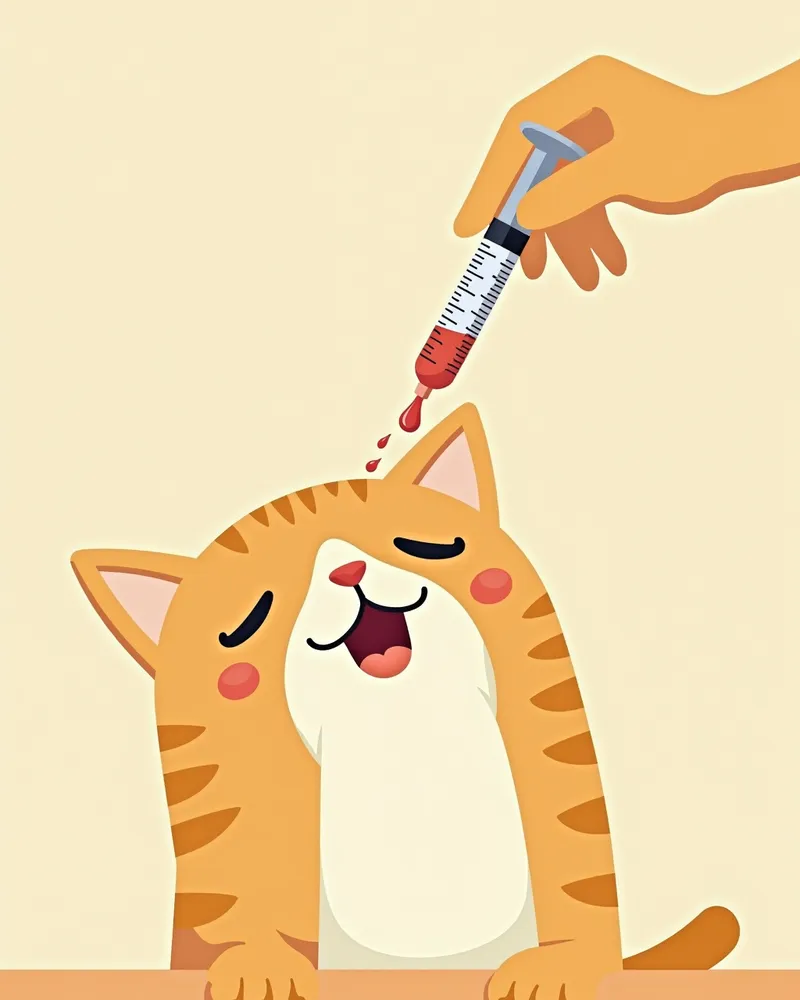
Good to Know 1: Prompt Treatment Is Critical for Acute Kidney Failure

Good to Know 2: Seek Immediate Veterinary Care If You Notice These Signs

Good to Know 3: Understanding Hospital Treatment and Prevention
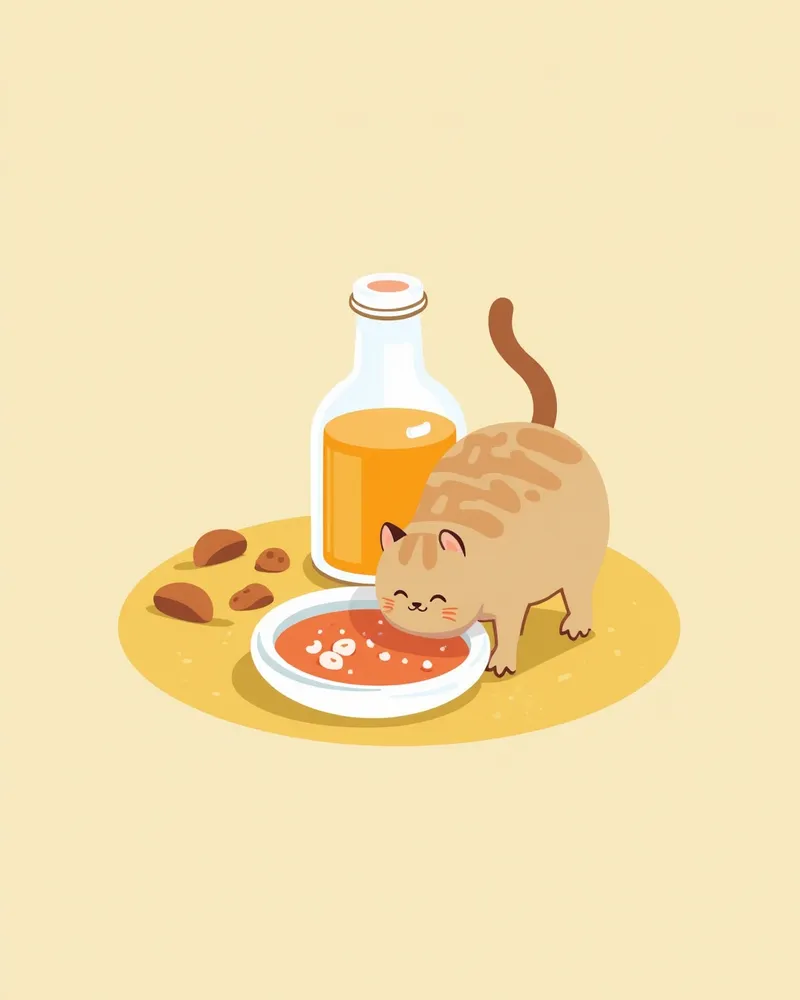
What Pet Owners Should Know About Acute Kidney Failure
| Item | Key points |
|---|---|
| Urgency | Sudden decline in kidney function; prompt treatment determines recovery |
| Common causes | Toxic substances (lilies, antifreeze), urinary obstruction, severe dehydration |
| Emergency signs | Decreased/absent urination, repeated vomiting, lethargy; difficulty urinating in males is a minute-by-minute emergency |
| Clinic treatment | Inpatient fluids, removal of the cause, electrolyte correction |
| Prevention | Block toxic substances, ensure water intake; manage recurrence if there is a history of urinary obstruction |
This is not a table recommending specific products or clinics, but a reference to consider when consulting your veterinarian. Treatment and testing decisions must always be made together with your veterinarian through an examination.
Emergency Situation: Immediate Veterinary Visit Is Essential
If your cat shows symptoms such as loss of appetite, vomiting, dehydration, or decreased urine output, seek veterinary care immediately. Acute kidney failure becomes increasingly dangerous the longer treatment is delayed, so it’s crucial to begin treatment as soon as possible if you suspect any issues. Accurate diagnosis and treatment must be performed by a veterinarian, so home remedies or self-treatment are strictly prohibited.
Usage Tip: Preparation for Emergencies Is Important

Reviewed by a veterinarian

Dr. Tony — Punnawat Phongkittirak
VeterinarianA veterinarian who majored in veterinary medicine at Khon Kaen University, Thailand, and completed the IVSA program at North Carolina State University in the United States. Drawing on clinical experience at animal hospitals, he works in the pet healthcare field and is dedicated to building a digital care environment that connects pet parents with veterinarians.
Reviewed 2026-06-05
Frequently Asked Questions
Why is acute kidney failure in cats dangerous?
Can I use an oral rehydration solution at home?
Which ingredients help protect the kidneys?
What are the early symptoms of acute kidney failure?
Is prevention possible?
Share
Related Guides

Top 5 Prescription Diets for Cats with Chronic Kidney Disease — Stage-Specific Protein Adjustment

7 Emergency Signs and Causes of Acute Kidney Failure in Dogs You Must Not Miss

Top 5 Cat Kidney Supplements Recommended for 2026

7 Best Practices for Pre- and Post-Kidney Biopsy Care in Cats and Selection Criteria According to Veterinarians

7 Key Strategies for Managing Feline Renal Amyloidosis Recommended by Veterinarians

7 Best Cat Proteinuria and UPC Ratio Management Products Recommended by Veterinarians — From Diagnosis to Management

7 Best Cat PU/PD Management Products Recommended by Veterinarians — From Causes to Management
Top 7 Peritoneal Dialysis Management Products for Cats with Kidney Failure Recommended by Veterinarians and Selection Criteria
7 Kidney-Damaging Drugs and Substances in Cats, According to Veterinarians

Top 7 CKD Management Strategies for Cats by IRIS Stage — Selection Criteria by Stage
References
[1] Notes on Canine Internal Medicine, 4th Ed, 2020
[2] Urinalysis in the Dog and Cat, 2019
[3] Clinical Medicine of the Dog and Cat, 4th Ed, 2021