
Medication and Surgical Treatment for Canine Glaucoma — 7 Key Selection Criteria and Management Essentials
Glaucoma in dogs is a serious condition that can lead to vision loss. It can be managed with appropriate medication and surgical treatment.
What Is Medication and Surgical Treatment for Canine Glaucoma?
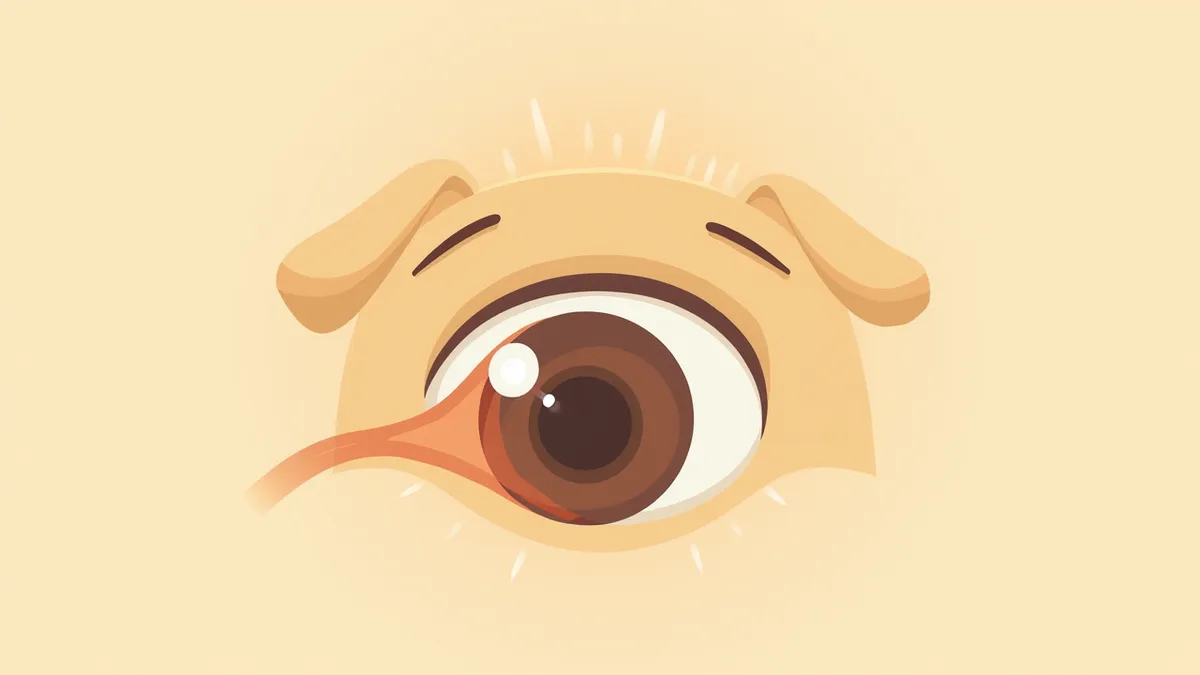
Note: Glaucoma Treatment Options (Veterinary Diagnosis Required)
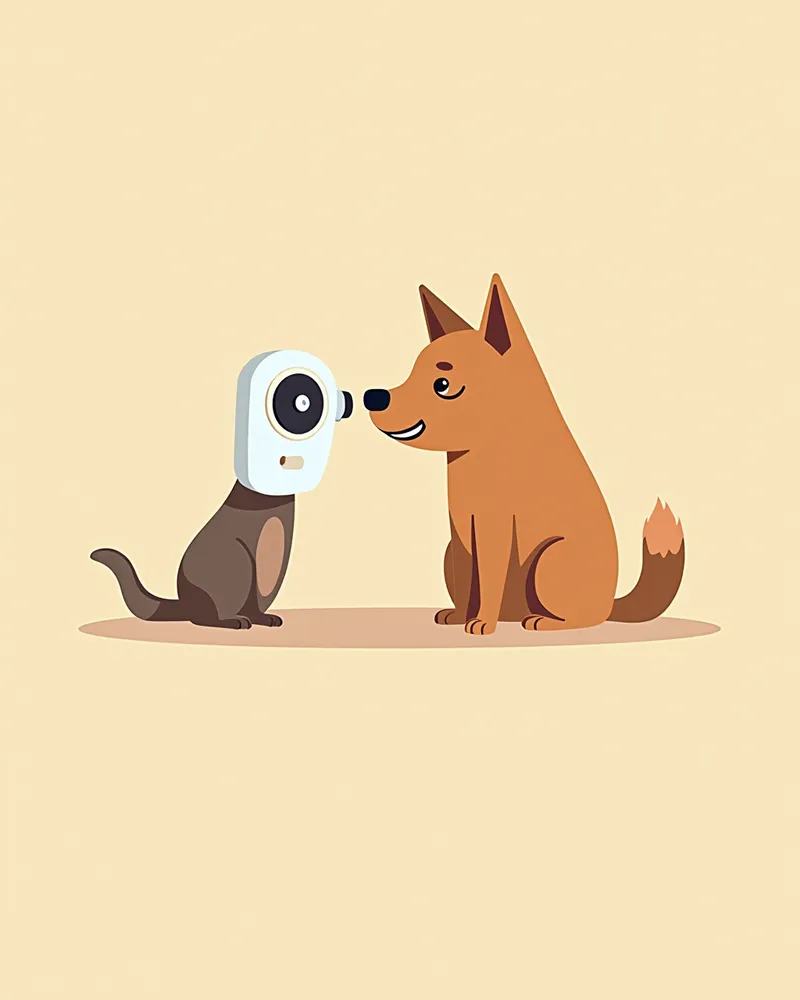
Treatment Option 1: Medication (Eye Drops) to Lower Intraocular Pressure
Treatment Option 2: Laser Surgery (Cyclophotocoagulation)
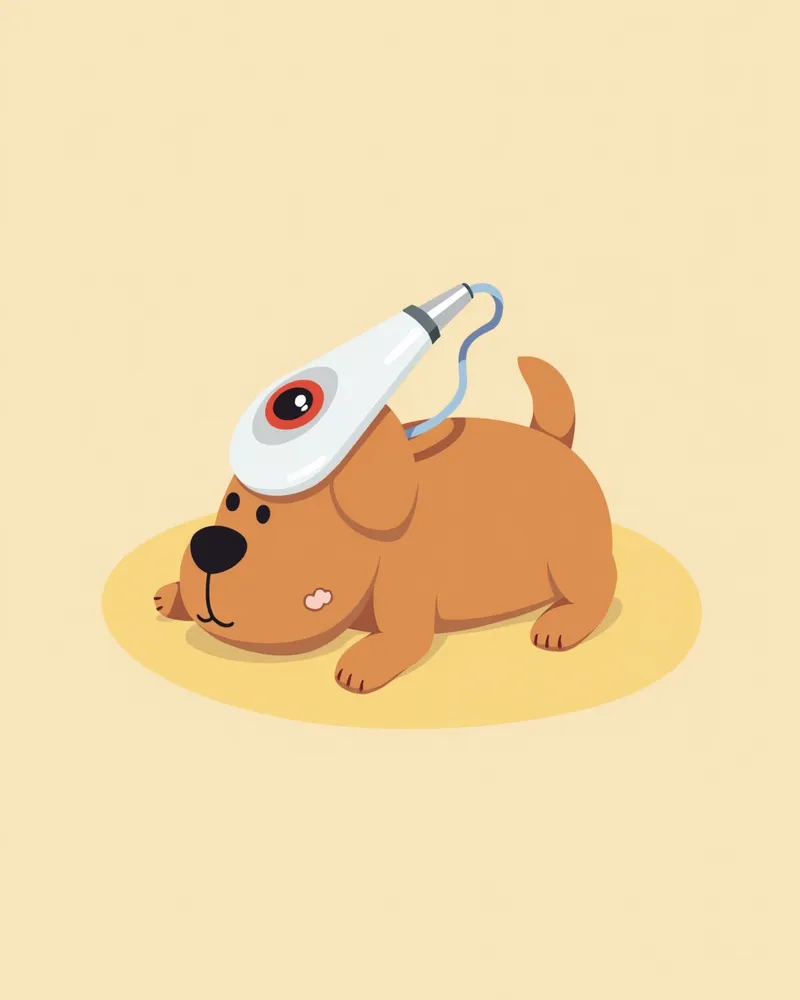
Treatment Option 3: Surgery to Improve Drainage Pathways (Anterior Iridectomy/Goniotomy, etc.)
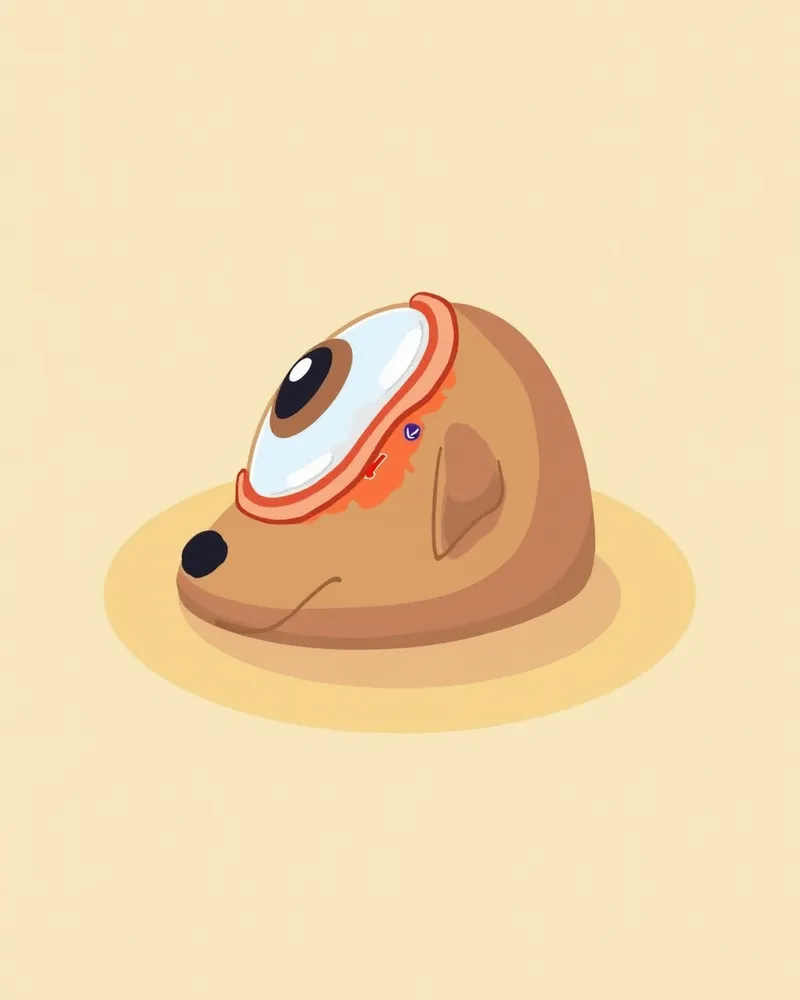
Comparison of Glaucoma Treatment Options (Decided After Veterinary Diagnosis)
| Item | IOP-lowering Eye Drops | Laser Surgery | Drainage-improvement Surgery |
|---|---|---|---|
| Main Purpose | Control intraocular pressure and slow progression | Stabilize IOP by reducing aqueous humor production | Improve aqueous humor drainage |
| When Mainly Considered | Early stage, good response to medication | Insufficient response to medication | Breeds at hereditary risk, early stage |
| Follow-up Care | Regular re-check of IOP | Regular rechecks; medication may be continued | Watch for infection/bleeding, regular checkups |
| Common Cautions | In emergencies, immediately lower IOP with mannitol, etc. | Indications differ by eye condition | Decided based on the likelihood of preserving vision |
This is not a table recommending specific products or clinics, but a reference for consulting your veterinarian. Treatment and testing decisions must always be made together with your veterinarian through an examination.
Caution: Risks of Overdosing Medication
Using more than the prescribed amount of eye drops to lower intraocular pressure can cause symptoms such as eye irritation, stinging, and redness. It is important to follow your veterinarian’s instructions exactly regarding the dosage and frequency of application. If any unusual symptoms occur, please visit the clinic immediately.
Points to Note During Treatment

Reviewed by a veterinarian

Dr. Tony — Punnawat Phongkittirak
VeterinarianA veterinarian who majored in veterinary medicine at Khon Kaen University, Thailand, and completed the IVSA program at North Carolina State University in the United States. Drawing on clinical experience at animal hospitals, he works in the pet healthcare field and is dedicated to building a digital care environment that connects pet parents with veterinarians.
Reviewed 2026-06-03
Frequently Asked Questions
Can glaucoma be cured?
Is medication alone sufficient?
Can the eye pressure rise again after surgery?
Which breeds are predisposed to hereditary glaucoma?
What should I do if I miss a dose of eye drops?
Share
Related Guides
Top 5 Dog Tear Supplements Recommended for 2026
What is Lutein? Effects on Dog Eye Health
The Best Canine Uveitis Management Products and Selection Criteria: A Comprehensive Guide
7 Checkpoints for a Comprehensive Canine Endocrine Checkup Recommended by Veterinarians — Including Selection Criteria
7 Best Products for Managing Canine Endocrine Hypertension Recommended by Veterinarians — Including Selection Criteria
7 Key Tips for Managing Canine Ectopic ACTH Syndrome Recommended by Veterinarians

If Your Dog Is Drinking Too Much Water — 7 Key Signs for Diabetes Insipidus Management
The Best Products and Selection Criteria for Managing Canine Diabetes Complications (Neuropathy and Cataracts)
7 Key Points for Cushing’s Disease Diagnosis in Dogs: From LDDS/HDDS Preparation to Interpretation
7 Best Practices for Managing Feline Thyroid Cancer and Selection Criteria According to Veterinarians
References
[1] Fossum TW. (2007). Small Animal Surgery. 3rd ed. Elsevier.
[2] Plumb's Veterinary Drug Handbook, 9th ed. (2022). Wiley-Blackwell.
[3] Hosgood G, Scholl DT. (1998). Evaluation of age as a risk factor for perianesthetic morbidity and mortality in the dog. J Vet Emerg Crit Care, 8(3):222-236.