Like
Share
멍실장
강아지 임신·수유 중 기생충 관리 관리 추천 BEST와 고르는 기준 총정리

Top 3 Parasite Control Recommendations and Selection Criteria for Pregnant and Nursing Dogs

Infection/ParasitesTop PicksMeongsiljang Veterinary Advisory Board

Parasite control in pregnant and nursing dogs is essential for safeguarding the health of both the mother and her puppies. Here’s a guide to choosing safe and effective products, along with our top three recommendations.

Parasite Management for Pregnant and Nursing Dogs: The First Step in Protecting Lives
A veterinarian examining a pregnant dog.
Parasite management in pregnant and nursing dogs is essential for protecting the health of both the mother and her puppies. Particular caution is needed with roundworms (Toxocara), as they can be transmitted to puppies via the placenta and breast milk. - Parasite infection during pregnancy: Certain parasite infections can lead to miscarriage, stillbirth, or congenital defects in newborns. Roundworms can cross the placenta to infect the fetus, particularly in the later stages of pregnancy. - Risk of transmission during nursing: Roundworm larvae (L3 stage) can be transmitted to puppies through breast milk. Infection via milk is most likely to occur within the first three weeks of nursing. - Choosing safe products: Only use products confirmed to be safe for use during pregnancy and lactation after consulting your veterinarian. Since usage guidelines and timing vary by medication, always follow your veterinarian’s advice. - Regular testing: Periodically check for parasite infections through fecal examinations. Testing prior to breeding or pregnancy allows for safer, more proactive management. - Developing a management plan: Tailored care based on each dog’s individual circumstances is essential. Ideally, prevention should begin before pregnancy.

6 Key Criteria for Choosing Parasite Control Products
Standard deworming medications can be risky for pregnant or nursing puppies. Always consult your veterinarian before use and choose products that balance safety and efficacy. Here are the key criteria to consider:
Safety during pregnancy and lactation: Only select products whose safety has been confirmed through veterinary research.
Efficacy against specific parasites: Verify effectiveness against target parasites such as roundworms, hookworms, and ticks.
Ingredient stability: The product should be free of toxic ingredients and contain components that do not transfer into breast milk.
Ease of administration: Opt for products with convenient application methods, whether injections, oral medications, or topical treatments.
Low risk of side effects: Choose products with minimal side effects, such as vomiting, diarrhea, or lethargy.
Veterinarian-recommended products: Products with a strong track record of use in pregnant and nursing dogs are generally more reliable.
Parasite control products labeled as safe for use during pregnancy and lactation

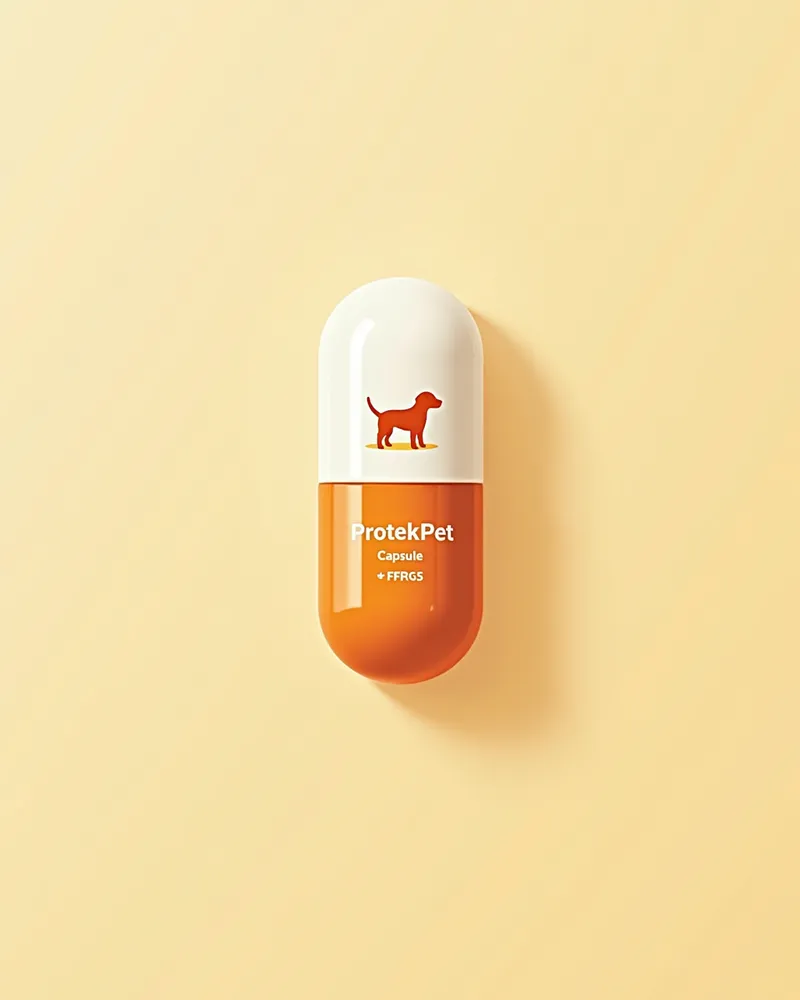
BEST 1: Protect Pet Capsules

Protect Pet Capsules are sometimes recommended by veterinarians as an oral deworming option for pregnant pets, but whether and when they can be used depends on the product’s ingredients and administration method. The safety and timing of deworming medications during pregnancy and lactation vary by drug, so it is essential to consult your veterinarian to confirm whether this specific product is appropriate for use during these stages. While the capsules may be effective against internal parasites such as roundworms, the extent to which their ingredients pass into breast milk varies, so use during lactation should be carefully evaluated. Although capsule formulations are often preferred for their ease of administration and lower risk of side effects, veterinary guidance is crucial during pregnancy and lactation to account for each pet’s individual condition. Ingredients that could affect the fetus or nursing puppies should be avoided, and treatment timing should be adjusted according to your veterinarian’s instructions.
Protect Pet Capsule product packaging

BEST 2: Laser Pet Spray

Laser Pet Spray is a topical product designed to help manage external parasites like ticks. While sprays and spot-on treatments containing topical parasiticides can be effective for controlling external parasites, their safety during pregnancy and lactation varies depending on the specific ingredients, so it is essential to consult your veterinarian before use. The spray format makes it relatively easy to apply, and it can be a helpful addition to your pet’s post-walk or outdoor activity check-ups when tick exposure is a concern. However, for safety reasons, no such product should be used during pregnancy or lactation without first confirming with your veterinarian.
Spraying a laser pet spray on a dog's back

BEST 3: Pet Care Living Pet Supplies Set

The Pet Care Living pet supplies set is a daily essentials kit designed for parasite prevention. It includes a tick-repellent pet pillow, a parasite-blocking pet bed, and antibacterial pet wipes, helping you keep your dog’s favorite resting areas clean and hygienic. This set is ideal for safely managing the living environment of pregnant or nursing dogs, with minimal chemical ingredients to reduce the risk of side effects. It’s especially useful for controlling indoor conditions where parasites are prone to thrive.
A dog bed designed as a pet care living pet supply set

Comparison Table of BEST 1–3 Parasite Control Products

ItemUseWhen It Can Be UsedMain EffectsAdditional Features
Protect Pet CapsuleInternal useCan be used from late pregnancy at the veterinarian's discretion (specific timing varies by product)Roundworms, hookworms, mitesLow likelihood of side effects, one of the veterinarian-recommended products
Laser Pet SprayExternal useDuring pregnancy through lactation (per veterinary guidance)Mites, fliesEasy to use, odorless, requires periodic application
PetCare Living SetEnvironmental productDuring pregnancy through lactationBlocks parasite reproductionProducts with fewer chemical ingredients recommended, contributes to strengthening environmental hygiene

All products should be used only after consulting a veterinarian, and whether they can be used during pregnancy or lactation depends on the ingredients and clinical guidelines.

Caution: Never Self-Prescribe Parasite Medications During Pregnancy and Lactation

Standard parasite medications can be risky for pregnant or nursing dogs. Some ingredients may have fatal effects on the fetus or puppies, so it is essential to consult your veterinarian before use. Self-prescribing is strictly prohibited, and you must carefully verify the product’s ingredients and appropriate timing for use.

5 Tips for Parasite Management
Parasite management for pregnant and nursing puppies starts with small, everyday habits. Try these tips for effective care:
Regular check-ups: Schedule routine parasite screenings with your veterinarian.
Enhanced environmental cleaning: Clean the areas where your puppy spends the most time at least once a week.
Post-walk care: Check and wash your puppy’s body and paws after walks.
Food hygiene: Store food in airtight containers and promptly remove any spoiled kibble.
Set a prevention schedule: Consult your veterinarian to establish a regular parasite prevention schedule.
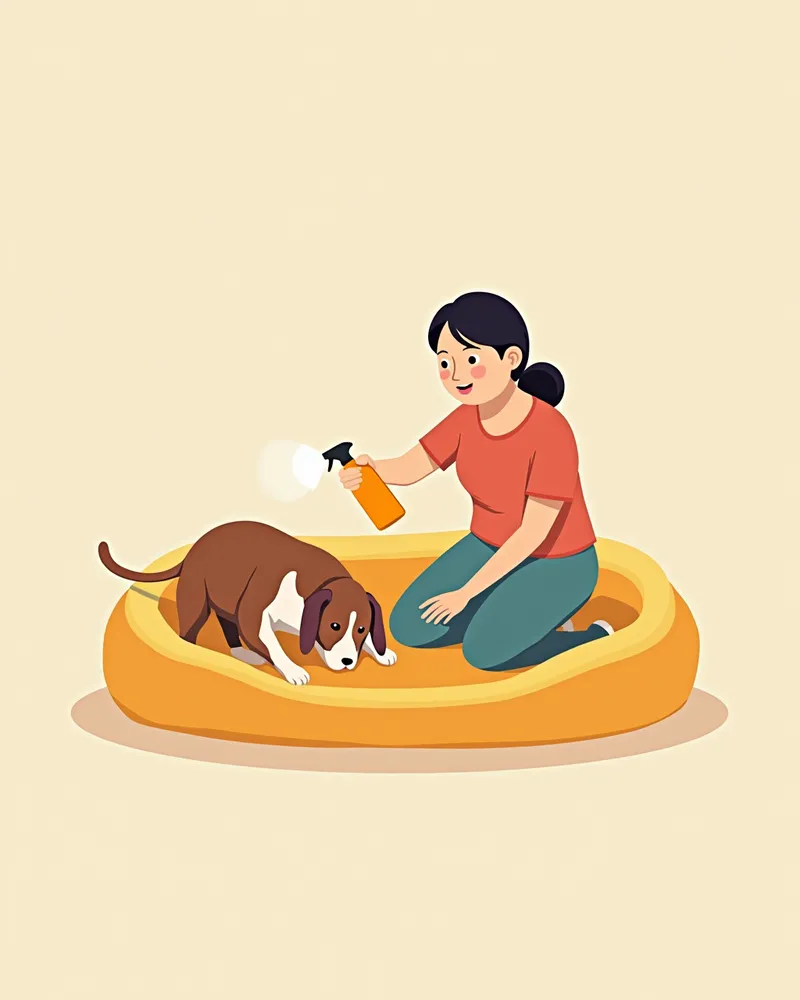
A dog owner cleaning their dog's bed

Reviewed by a veterinarian

Dr. Tony — Punnawat Phongkittirak

Dr. Tony — Punnawat Phongkittirak

Veterinarian

A veterinarian who majored in veterinary medicine at Khon Kaen University, Thailand, and completed the IVSA program at North Carolina State University in the United States. Drawing on clinical experience at animal hospitals, he works in the pet healthcare field and is dedicated to building a digital care environment that connects pet parents with veterinarians.

Frequently Asked Questions

Is it safe to administer deworming medication during early pregnancy?
During early pregnancy, extra caution is needed when using deworming medications, as some drugs can affect the developing fetus. Always consult your veterinarian before administering any treatment. While deworming later in pregnancy can help reduce the risk of passing parasites to the puppies through the placenta or milk, the specific medication and timing depend on the product and the individual dog, so it’s important to follow your veterinarian’s guidance.
Can deworming medications pass into breast milk during nursing?
Even during lactation, some parasitic larvae can be transmitted to puppies through breast milk, with the first three weeks after birth being the most critical period. Since the extent to which medications pass into milk varies by ingredient, only products confirmed safe for use during nursing should be administered under veterinary guidance.
Do I need to give my pet parasite medication every week?
The frequency of parasite medication depends on the product type, your dog's condition, and the risk of external exposure. For external parasite prevention, applying it every 14 days (2 weeks) is generally effective in preventing new infections, but you should consult with your veterinarian to determine the exact schedule.
What are some ways to prevent parasites at home?
It’s important to regularly clean your dog’s bed, play area, and food bowls, and to check their body and paws after going outside. Frequently washing soiled bedding and maintaining a clean environment helps reduce parasite reproduction and environmental contamination.
Can deworming medication cause side effects?
While safe products tend to have fewer side effects, symptoms such as nausea, diarrhea, and lethargy may still occur. If you notice any abnormalities, consult your veterinarian immediately.

Share

Related Guides

References

[1] Serrano et al. (1964) Nutrient Requirements of Dogs and Cats. National Academies Press.

[2] Applied Veterinary Clinical Nutrition, 2nd Ed. (2010). Blackwell Publishing.

[3] 100 Top Consultations in Small Animal General Practice. (2011). Blackwell Publishing.

This information is based on veterinary literature and does not replace diagnosis or treatment. Please consult a veterinarian for specific health concerns.

Metapet Co., Ltd. | CEO: Park Sung-yong | Business Reg. No. 417-88-02562 | Seoul, South Korea | Customer Center

Best Parasite Control for Pregnant and Nursing Dogs | Meongsiljang