
Like
Share
멍실장
고양이 경구 예방약(이소옥사졸린 계열) 관리 추천 BEST와 고르는 기준 총정리

Top Recommended Cat Oral Preventives (Isoxazoline Class) and Selection Criteria

Infection/ParasitesTop PicksMeongsiljang Veterinary Advisory Board

Oral preventive medications for cats (in the isoxazoline class) are an effective choice for parasite prevention. I’ll outline the key features of each product and how to choose the right one.

What Are Cat Oral Preventives (Isoxazoline Class)?

Administering oral medication to a cat
Feline oral preventives in the isoxazoline class are primarily used to protect against external parasites. Key active ingredients include fluralaner, sarolaner, lotilaner, and afoxolaner. After oral administration, these medications are rapidly absorbed and distributed throughout the body via the bloodstream to target parasites. - Isoxazoline class: These offer excellent protection against external parasites such as fleas and ticks. Protection is typically maintained with a single dose every four weeks (approximately 30 days), though some ingredients, like fluralaner, are administered every 12 weeks. - Combination products: Some products combine isoxazolines with milbemycin oxime or moxidectin to address both internal and external parasites. However, separate active ingredients are still required for comprehensive internal parasite prevention. - Cat-friendly design: These medications are palatable, encouraging cats to consume them willingly. - Veterinary prescription required: To ensure safety and efficacy, these products must be used under the guidance of a veterinarian.

Four Selection Criteria

When choosing an oral preventive medication for cats (in the isoxazoline class), be sure to check these four key criteria. - Active ingredient: Select a product containing a proven isoxazoline ingredient such as fluralaner, sarolaner, lotilaner, or afoxolaner. - Dosing frequency and duration of protection: Most products are administered once every 4 weeks (approximately 30 days), but some, like fluralaner, are given every 12 weeks, so check the duration of protection. - Weight-appropriate dosage: Ensure the product provides the correct dosage based on your cat’s weight. - Minimizing side effects: Look for products with fewer adverse effects, such as vomiting, drooling, diarrhea, or neurological abnormalities like ataxia, tremors, or seizures. Regular prevention is the first step in safeguarding your cat’s health.
A cat holding an oral medication while a veterinarian prepares a syringe.

BEST 1: Isoxazoline-Class Oral Medication A

This product is based on the isoxazoline class (lotilaner) and offers excellent protection against external parasites. It’s convenient to administer just once every four weeks (approximately 30 days), with customized dosages available based on your cat’s weight. After oral administration, it is rapidly absorbed; when ticks feed on the cat, they typically die and detach within 12 to 24 hours, with efficacy lasting for about 30 days. The palatable taste makes it easy for cats to take. - Isoxazoline-based: Provides strong protection against external parasites. - Once-a-month dosing: Administer every four weeks for easy routine care. - Long-lasting protection: Efficacy is maintained for approximately 30 days. - Cat-friendly: Easy to administer with minimal stress. A highly safe product recommended by veterinarians.
A cat enjoying a treat infused with medication.

BEST 2: Isoxazoline-Class Oral Medication B

This product is a combination formulation that adds milbemycin oxime to an isoxazoline (fluralaner), providing broad-spectrum control against external parasites and certain internal parasites. The fluralaner component offers long-lasting efficacy with just one dose every 12 weeks. It is rapidly absorbed after oral administration and begins working within 12 to 24 hours of a tick feeding. Clinical trials have shown that adverse effects are generally mild and transient. - Combination formula: Provides broad-spectrum action against both internal and external parasites. - 12-week dosing: The extended dosing interval makes routine management more convenient. - Safety profile: It selectively targets invertebrate receptors, offering a relatively high safety margin. - Cat-friendly design: Designed to minimize stress during administration. However, rare neurological adverse reactions may occur.
A long-haired cat having medication applied to its nose.

BEST 3: Isoxazoline-Class Oral Medication C

This product is based on the isoxazoline class (afoxolaner) and offers excellent protection against external parasites. It’s convenient to administer once every four weeks (approximately 30 days), and multiple dosages are available depending on your cat’s weight. After oral administration, it is quickly absorbed, and ticks are typically killed within 12–24 hours of feeding, with effects lasting about 30 days. It has a palatable taste, so most cats will eat it willingly. - Isoxazoline-based: Specifically effective against external parasites. - Once-a-month dosing: Administer every four weeks for easy routine care. - Long-lasting protection: Effects last for approximately 30 days. - Cat-friendly: Easy to administer with minimal resistance. Especially recommended for cats who are vulnerable to external parasites.
A cat with medicine being placed in its mouth

Comparison Table of BEST 1–3 Products

ItemProductIngredientDosing FrequencyDuration of Effect
BEST 1Isoxazoline Class ALotilanerOnce every 4 weeksAbout 30 days
BEST 2Isoxazoline Class BFluralaner + Milbemycin OximeOnce every 12 weeksAbout 12 weeks
BEST 3Isoxazoline Class CAfoxolanerOnce every 4 weeksAbout 30 days

All products must be used based on a veterinarian's prescription, and dosage selection appropriate to body weight is necessary. Separate medication may be needed for internal parasite prevention.

Precautions and Contraindications

Isoxazoline-class medications should be avoided in cats that have previously experienced adverse reactions to the same drug. They should also be used with caution and only after consulting a veterinarian in cats with a history of neurological conditions such as seizures, underlying health issues, or those that are pregnant or nursing. After administration, gastrointestinal symptoms such as vomiting, drooling, or diarrhea, as well as neurological adverse effects like ataxia, tremors, seizures, vocalization, or decreased awareness, may occur. In cats, these symptoms may be accompanied by hypothermia, so please visit a veterinary clinic immediately if you notice any of these signs. Although adverse reactions are rare even at therapeutic doses, they become more common with higher doses, so it is essential to carefully review your cat’s health status and medical history before use.

Usage Tips and Management Points
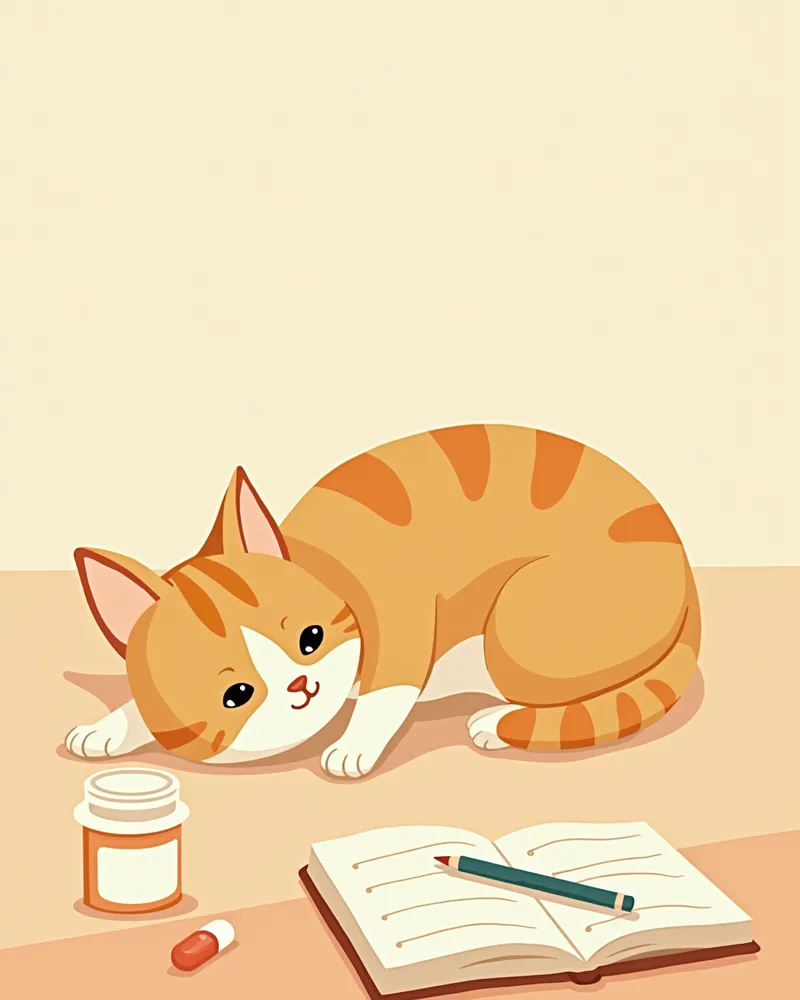
When administering oral preventive medications for cats (isoxazoline class), always follow your veterinarian’s instructions. Do not leave your cat alone immediately after giving the medication; instead, monitor its condition closely. While adverse reactions may appear right after administration, they can sometimes be delayed by up to 20 hours. Therefore, carefully observe your cat for any behavioral changes for about a day after dosing. If you notice symptoms such as vomiting, lethargy, or seizures, do not make your own judgment—contact your veterinarian immediately. Regular preventive care is essential for maintaining your cat’s health. - Post-administration monitoring: Check for any adverse reactions, such as vomiting, drooling, lethargy, ataxia, or seizures. - Regular dosing: It is important to administer the medication at the recommended intervals for each product (typically every 4 weeks, or approximately every 12 weeks for Fluralaner). - Health assessment: Work with your veterinarian to review any weight changes, underlying conditions, or history of seizures. - Safe storage: Keep the medication out of direct sunlight and store it in a place inaccessible to children and pets.
A cat lying next to a medicine bottle with a veterinarian's notebook open.

Reviewed by a veterinarian

Dr. Tony — Punnawat Phongkittirak

Dr. Tony — Punnawat Phongkittirak

Veterinarian

A veterinarian who majored in veterinary medicine at Khon Kaen University, Thailand, and completed the IVSA program at North Carolina State University in the United States. Drawing on clinical experience at animal hospitals, he works in the pet healthcare field and is dedicated to building a digital care environment that connects pet parents with veterinarians.

Frequently Asked Questions

Are isoxazoline-class medications safe for cats?
When used as prescribed by a veterinarian, it is generally safe. Isoxazolines selectively bind to invertebrate receptors, making them relatively safe; however, neurological side effects such as vomiting, drooling, ataxia, and seizures may rarely occur even at therapeutic doses. Extra caution is advised for cats with a history of neurological conditions, such as seizures, or with underlying health issues.
What should I do if my pet vomits after taking the medication?
Gastrointestinal symptoms such as vomiting, drooling, or diarrhea are relatively common after administering medication, but they are usually temporary. However, if vomiting persists or is accompanied by lethargy, ataxia, or seizures, seek veterinary care immediately. Do not decide on your own whether to administer another dose; always consult your veterinarian first.
Which is better, a product administered once a week or one given twice a week?
Isoxazoline is not administered on a weekly basis. Most products are given once every four weeks (approximately 30 days), while fluralaner is administered approximately every 12 weeks. The main differences lie in the dosing interval and duration of action, so choose based on your cat’s frequency of outdoor exposure, risk of parasite exposure, and the convenience of administration for you as the owner.
What should I do if my cat becomes lethargic after taking medication?
If lethargy develops after administering the medication, immediate veterinary attention is required. This may indicate a neurological side effect, and because symptoms can be delayed for up to 20 hours after administration, prompt action is essential.
Can isoxazoline-class medications also prevent internal parasites?
Isoxazoline-based products are primarily effective against external parasites, so a separate medication is needed for internal parasite prevention. Internal parasite prevention should be achieved through combination products that include milbemycin oxime, moxidectin, pyrantel, or other similar ingredients, or by using a dedicated internal parasite preventive.

Share

Related Guides

References

[1] The Cat, Clinical Medicine and Management, 2nd Edition, 2023

[2] American Association of Feline Practitioners (AAFP) Guidelines on Parasite Prevention, 2022

[3] Plumb's Veterinary Drug Handbook, 9th Edition, 2023

This information is based on veterinary literature and does not replace diagnosis or treatment. Please consult a veterinarian for specific health concerns.

Metapet Co., Ltd. | CEO: Park Sung-yong | Business Reg. No. 417-88-02562 | Seoul, South Korea | Customer Center

Best Cat Oral Preventives (Isoxazoline) and How to Choose | Meongsiljang