Like
Share
멍실장
강아지 새끼 강아지 구충 시기 관리 추천 BEST와 고르는 기준 총정리

The Ultimate Guide to Puppy Deworming Schedules, Management, and Selection Criteria

Infection/ParasitesTop PicksMeongsiljang Veterinary Advisory Board

The critical window for deworming puppies begins at two weeks of age and continues until they are twelve weeks old. Choosing the right timing and the right deworming product is essential for ensuring healthy growth.

What Is Puppy Deworming Schedule Management?

Gently holding a puppy in your hands
Puppy deworming begins at two weeks of age and involves regular parasite removal based on infection risk and your veterinarian’s assessment. During this period, maternal antibodies wane, leaving puppies highly susceptible to parasites transmitted around birth or acquired from the environment. Intestinal parasites such as roundworms (Toxocara) and whipworms (Trichuris) can cause growth retardation and anemia. Regular deworming helps prevent these issues and supports healthy weight gain. The deworming schedule should be adjusted according to the product used and the individual puppy’s condition; typically, the first dose is administered at two weeks of age, followed by a second dose two to three weeks later. Subsequent intervals should be determined by your veterinarian’s recommendations, as proper management during this critical stage lays the foundation for your puppy’s long-term health.

Criteria for Choosing the Right Deworming Schedule for Puppies
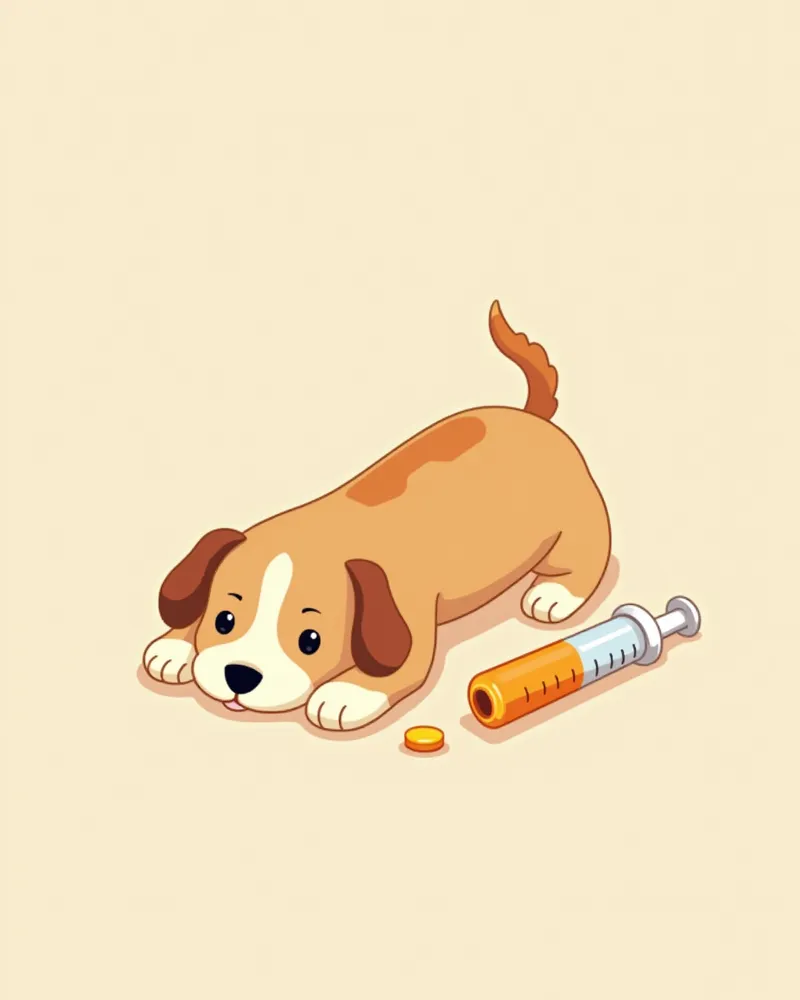
When choosing the right time to deworm your puppy, carefully consider the product’s safety, its effectiveness against specific parasites, the method of administration, and age and weight guidelines. The product should be suitable for use from two weeks of age onward and provide accurate dosages based on your puppy’s weight. Products recommended by veterinarians are often safer with fewer side effects and have proven efficacy. The method of administration is also important—products that can be given orally are easier to administer and help reduce stress for your puppy. Additionally, products containing probiotics may offer the added benefit of supporting digestive health. When selecting a dewormer, it’s important to consider overall health management rather than just immediate effectiveness. Since the recommended timing and frequency vary by product, it’s essential to consult with your veterinarian before making a decision.
Deworming tablets and syringes for puppies

BEST 1: Dewormer with Probiotics
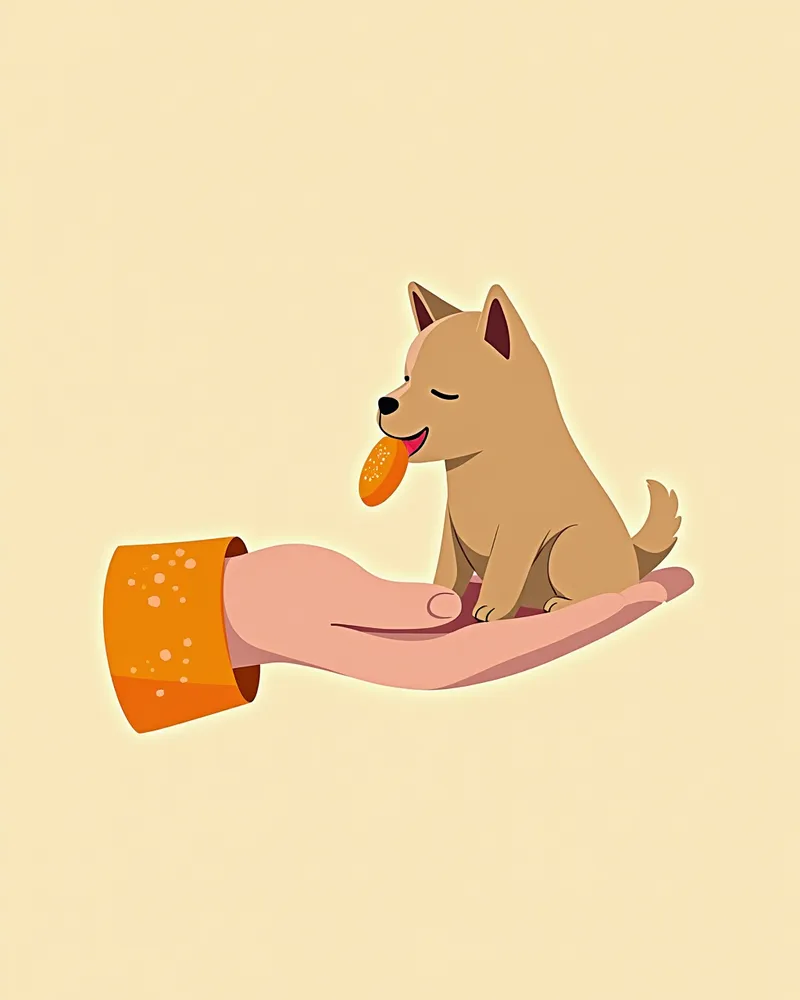
This product can be used from two weeks of age and is effective against major intestinal parasites such as roundworms (Toxocara) and whipworms (Trichuris). It contains probiotics to help protect digestive function and maintain gut health. Administration is simple and oral, making it easy for puppies to take. Be sure to confirm the correct dosage based on your dog’s weight, and note that it can be administered from two weeks of age. A key benefit is its ability to help maintain a stable intestinal environment, allowing you to expect both deworming efficacy and improved digestion. This product is ideal for supporting both the growth and overall health of puppies.
Your dog happily enjoying deworming treats

BEST 2: Liquid Dewormer (Injectable)

Liquid dewormers suitable for puppies from two weeks of age onward are administered via injection, ensuring high accuracy. The deworming effect appears relatively quickly, and it is particularly helpful in eliminating intestinal parasites transmitted around the time of birth. However, since most dewormers cannot completely eradicate larvae dormant in the mother’s tissues, repeated administration is necessary. For safety, injections should be administered directly by a veterinarian, with the dosage precisely adjusted according to the puppy’s weight and age. Side effects are rare, but pain or swelling may occur at the injection site. Regular care and consultation with a veterinarian are essential. This product is ideal for those who prioritize efficacy and precision.
A veterinarian administering liquid dewormer to a puppy via injection

BEST 3: Powdered Dewormer (Food-Mixable)

Powdered dewormers suitable for puppies from two weeks of age can be mixed into their food, making them easy to administer without resistance. They are effective against various intestinal parasites, including roundworms (Toxocara) and whipworms (Trichuris). Dosage can be adjusted according to body weight, and they demonstrate relatively stable efficacy even with long-term use. This method simplifies administration and minimizes stress for the puppy. However, the exact timing and frequency of administration vary by product, so it is essential to confirm that the product is approved for use from two weeks of age. Food-mixed dewormers are an excellent choice for maintaining hassle-free parasite control.
Mixing deworming powder into pet food

Comparison Table of Dewormers BEST 1–3

ItemProduct TypeUsable TimingMain ParasitesAdministration Method
BEST 1 (with probiotics)TabletAfter 2 weeks of ageRoundworm (Toxocara canis), whipwormOral administration
BEST 2 (liquid injectable)LiquidAfter 2 weeks of ageMajor intestinal parasitesInjection
BEST 3 (powder mix-in)PowderAfter 2 weeks of ageRoundworm (Toxocara canis), whipwormMixed into food

Veterinarian-recommended products have few side effects and can be used relatively safely from 2 weeks of age.

Caution: Do Not Overdose on Deworming Medication

Deworming medication should be administered accurately according to your pet’s body weight. Overdosing can cause side effects such as nausea, diarrhea, and lethargy. Puppies under two weeks of age are especially vulnerable because their liver and systemic metabolic functions are still immature, making it difficult for them to process medications.

Tips for Managing Deworming Schedules

Start deworming puppies at two weeks of age, then administer a second dose two to three weeks later, and adjust the interval thereafter based on your veterinarian’s assessment. The deworming schedule and number of treatments may vary depending on the puppy’s age, the parasite’s life cycle, infection risk, and environment. It is recommended to perform a fecal examination after a certain period following deworming to check for parasites. Depending on the test results, additional treatment may be necessary, so consultation with your veterinarian is essential. Deworming medications must be administered accurately according to body weight, and overdosing should be avoided. In addition to deworming, maintaining environmental cleanliness and practicing parasite prevention are also effective. All of these steps are fundamental to supporting your puppy’s healthy growth.
A calendar to record your pet’s deworming schedule

Reviewed by a veterinarian

Dr. Tony — Punnawat Phongkittirak

Dr. Tony — Punnawat Phongkittirak

Veterinarian

A veterinarian who majored in veterinary medicine at Khon Kaen University, Thailand, and completed the IVSA program at North Carolina State University in the United States. Drawing on clinical experience at animal hospitals, he works in the pet healthcare field and is dedicated to building a digital care environment that connects pet parents with veterinarians.

Frequently Asked Questions

Is it safe to give deworming medication to a puppy in its first week of life?
No. During the first week of life, a puppy’s immune system is weak and its ability to metabolize medications is still immature. It is generally considered safe to begin after two weeks of age.
What should I do if my pet develops diarrhea after taking deworming medication?
Occasional diarrhea is usually nothing to worry about. However, if it persists or if you notice blood in the stool, consult your veterinarian right away.
Should I give deworming medication every month?
No. Puppies require deworming at intervals recommended by your veterinarian, starting from two weeks of age. Adult dogs are typically dewormed every three months (four times a year), though the frequency may vary depending on their living environment.
Will parasites be expelled after administering deworming medication?
Yes, dead or paralyzed parasites may be passed in the stool after deworming. The amount and timing of passage vary depending on the severity of the infection and the type of parasite, and this is generally a normal response.
Should I feed my pet before giving deworming medication?
Administration methods vary by product—some should be given on an empty stomach, while others are best taken with food. Always follow the instructions on the product label and your veterinarian’s guidance. Proper administration is key to ensuring the product works effectively.

Share

Related Guides

References

[1] Principles and Practices of Canine and Feline Clinical Parasitic Diseases, 2023

[2] Plumb's Veterinary Drug Handbook, 10th Edition, 2022

[3] The Cat, Clinical Medicine and Management, 2nd Edition, 2021

This information is based on veterinary literature and does not replace diagnosis or treatment. Please consult a veterinarian for specific health concerns.

Metapet Co., Ltd. | CEO: Park Sung-yong | Business Reg. No. 417-88-02562 | Seoul, South Korea | Customer Center

Puppy Deworming Schedule: Best Practices and Management Tips | Meongsiljang