Like
Share
멍실장
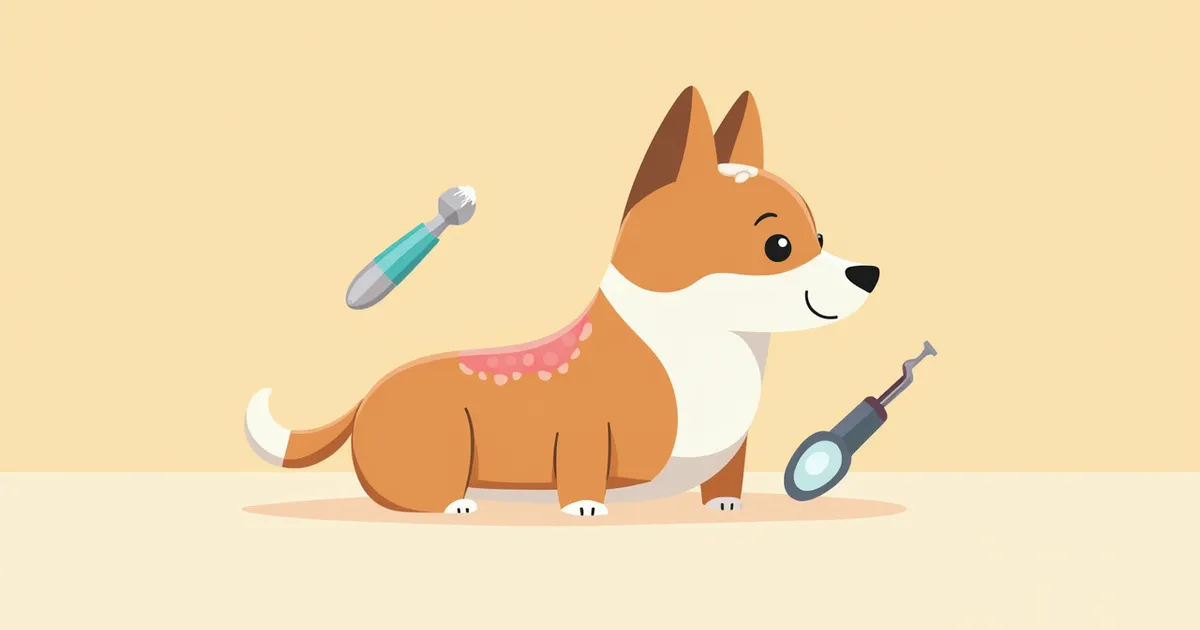
강아지 눈에 형광 염색 각막 검사 중인 수의사의 모습

Dog Fluorescein Corneal Stain Test — 7 Key Points for Detecting Corneal Injuries

Eye HealthTop PicksMeongsiljang Veterinary Advisory Board

Fluorescein staining of the cornea is essential for maintaining your dog’s eye health, as it helps accurately identify any corneal injuries. Learn about effective care methods and recommended products.

The Dog Fluorescein Corneal Stain Test Is a Key Examination for Accurately Confirming Eye Injuries

A veterinarian applying a fluorescent dye to a puppy's eye
Fluorescein staining of the cornea is a basic test that allows for quick and accurate detection of corneal damage. Fluorescein, a water-soluble dye, does not stain intact corneal epithelium but adheres only to areas where the epithelium has been lost. When illuminated with cobalt blue light, these areas fluoresce bright green, enabling the veterinarian to easily identify the location of the damage. This test is performed when abnormalities such as redness, frequent blinking, or rubbing are observed. Since dogs are often poor at expressing pain, early detection plays a crucial role in effective treatment. - Fluorescein Staining Test: A diagnostic method in which the dye adheres to damaged areas of the corneal epithelium, revealing a green reaction under blue light. - When to Perform: Conducted when signs of abnormality such as redness, tearing, or corneal clouding are present. - Performed By: To ensure an accurate diagnosis, this test is performed directly by a veterinarian using specialized equipment. - Light Source: Instead of standard lighting, cobalt blue light or a slit lamp must be used to detect even minute damage. - Removal of Residual Dye: Any remaining dye after the test is gently rinsed away with sterile saline solution. - Post-Test Care: Keep the dog in a quiet environment to prevent eye rubbing and monitor closely.

Selection Criteria: Tips for Choosing a Clinic for the Corneal Fluorescein Stain Test

When choosing where to have your dog undergo a fluorescein corneal stain test, safety and accurate interpretation should be your top priorities. - Performed by a veterinarian: Since fluorescein staining is a medical procedure applied directly to the eye, it’s safest to choose a clinic where a veterinarian performs the test using sterile dye and specialized equipment. - Residual dye removal: After the test, any leftover dye should not be left to absorb on its own. Instead, look for a clinic that gently rinses the eye with sterile saline to prevent residue from accumulating. - Detailed examination: For an accurate diagnosis, the clinic should use appropriate lighting and magnification tools, such as a slit lamp, so that damaged areas appear clearly green under cobalt blue light. - Comprehensive evaluation: It’s best to choose a clinic that evaluates not only surface scratches but also other potential causes, such as infections, foreign bodies, eyelid abnormalities, or dryness. - Clear cost information: Opt for a clinic that provides an estimated cost and explains the possibility of additional tests beforehand, so you can proceed with confidence. Following these guidelines will help ensure a safe and reliable examination.
Fluorescent stains and related products are neatly organized.

Check 1: Whether Fluorescein Staining Is Confirmed Using Blue Light or a Slit Lamp

Corneal fluorescein staining is a diagnostic test that involves applying a special dye to the surface of the eye to detect scratches or ulcers on the cornea. To accurately identify even the most subtle damage, the stained area must be examined under blue light or a slit lamp. Therefore, it’s best to choose a veterinary clinic equipped with proper lighting and magnification tools rather than one that relies solely on standard illumination after staining. The procedure itself is quick and virtually painless, so even dogs experiencing eye discomfort can undergo it with minimal stress.
Pro Eyes Fluorescent Stain Tube Product

Check 2: Whether Indications Are Properly Assessed When Eye Pain or Ulcers Are Suspected

If your dog frequently blinks or rubs its eyes, or if you notice redness, tearing, or cloudiness of the cornea, a fluorescein stain test can help determine whether the cornea is damaged. Corneal ulcers are common in brachycephalic breeds with prominent eyes due to increased exposure, and they can also be caused by trauma, foreign bodies, eyelid abnormalities (such as entropion, distichia, or ectopic cilia), or insufficient tear production (keratoconjunctivitis sicca, KCS). It’s important to distinguish between a simple scratch and a bacterial infection, so choosing a clinic that thoroughly evaluates these underlying causes is advisable. Providing detailed information about your dog’s symptoms will assist in accurate diagnosis and interpretation.
Olive Eyes Spray-type Fluorescent Stain Product

Check 3: Whether Ulcer Depth and Cause Are Interpreted and Linked to Treatment
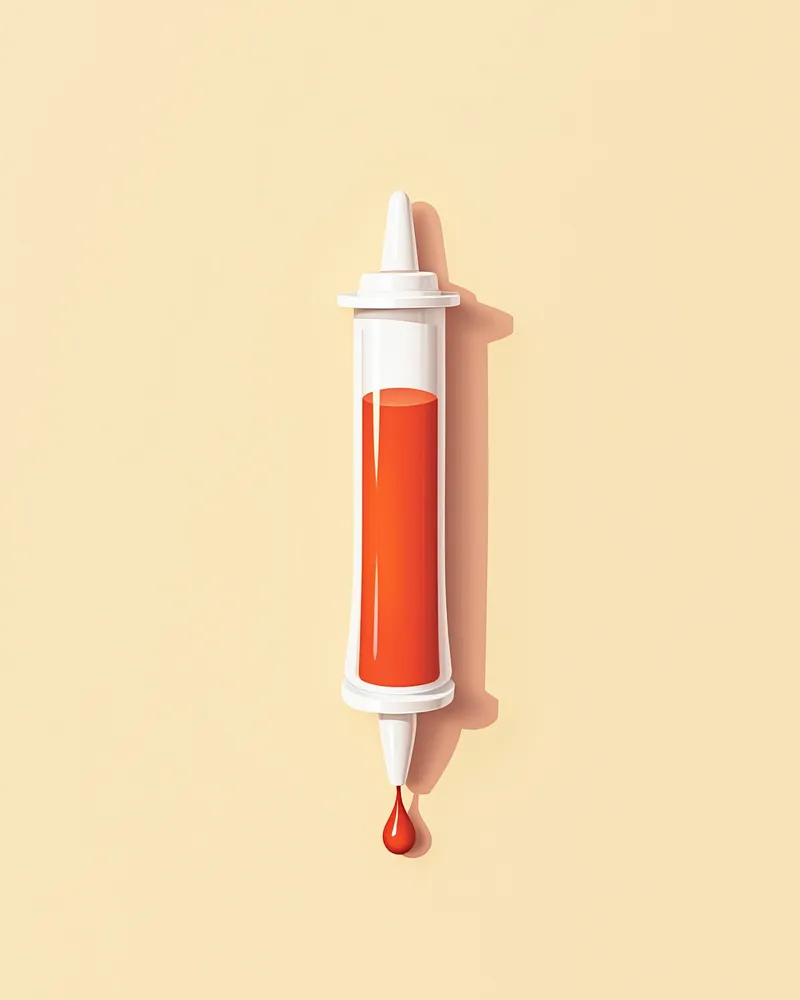
Corneal ulcers require different treatments depending on their depth and underlying cause, so it’s crucial to accurately determine whether the ulcer is superficial or deep. Choose a clinic with a veterinarian experienced in ophthalmology who can assess the staining pattern, explain the severity and potential causes (such as infection, foreign bodies, or dryness), and provide a clear plan for eye drops, protective measures, and follow-up exams. Since deep ulcers require prompt intervention, select a clinic that provides immediate results and seamlessly transitions into treatment.
Laser Eyes Tube-Type Fluorescent Stain Product

Checklist for Selecting a Clinic for the Corneal Fluorescein Stain Test

ItemRecommended Criteria
Testing MethodA clinic that uses fluorescein staining followed by blue light/slit lamp to detect even microscopic damage
Testing ApproachA clinic that also investigates underlying causes such as foreign bodies, eyelid problems, and infection
Interpretation SkillA veterinarian with ophthalmic experience who accurately assesses ulcer depth and cause
Result InterpretationA clinic that promptly provides an eye drop, protection, and recheck plan appropriate to the cause
Cost GuidanceA clinic that informs you in advance of estimated costs and the possibility of additional tests before testing

This is not a table recommending specific products or clinics, but a reference for consulting your veterinarian. Treatment and testing decisions must always be made together with your veterinarian through an examination.

Caution: Quality Verification Is Essential Since the Product Is Used Directly on the Eye

Fluorescent dyes are medical-grade products specifically designed for direct use on the eyes. Inexpensive products purchased for home use or online may be harsh or contaminated. Always choose only medical-grade products used by veterinarians. If you notice any abnormalities in your pet's eyes, seek veterinary care immediately.

4 Tips for Using the Fluorescein Corneal Stain Test

- Pre-examination calming: Conduct the exam in a quiet environment to keep your dog relaxed and reduce stress. - Dye application: The veterinarian gently touches a sterile saline-moistened dye strip to the conjunctiva (the edge of the sclera) or instills dye drops, then has the dog blink several times to spread the dye evenly across the corneal surface. - Rinsing residual dye: After application, gently rinse away any remaining dye with sterile saline to prevent it from pooling; do not attempt to absorb it. - Observing the reaction: Under cobalt blue light, damaged areas fluoresce bright green, allowing for clear identification of lesions. This test requires specialized lighting and equipment, so it is performed at the clinic rather than at home. After the exam, prevent your dog from rubbing its eyes and gently wipe around the eyes with a soft towel to minimize discomfort. Contact your veterinarian immediately if any abnormal symptoms appear. Following these steps ensures a safe and accurate examination.
Wiping around a puppy's eyes

Reviewed by a veterinarian

Dr. Tony — Punnawat Phongkittirak

Dr. Tony — Punnawat Phongkittirak

Veterinarian

A veterinarian who majored in veterinary medicine at Khon Kaen University, Thailand, and completed the IVSA program at North Carolina State University in the United States. Drawing on clinical experience at animal hospitals, he works in the pet healthcare field and is dedicated to building a digital care environment that connects pet parents with veterinarians.

Frequently Asked Questions

Does the fluorescein staining test for the cornea hurt?
It’s virtually painless. If needed, we use a local anesthetic, and while your dog may feel a slight sensation during the dyeing process, there is almost no pain.
Does the eye turn green after the examination?
Right after the test, a greenish tint may linger briefly from the dye, but your veterinarian will rinse away any remaining stain with sterile saline, and the rest will naturally wash out with your pet’s tears.
Do I need to have it checked frequently?
Always have your pet’s eyes examined if there are any abnormalities or after an injury. If a corneal ulcer is diagnosed, the eye is typically re-stained 5–7 days later to check whether it is healing properly. For preventive purposes, perform staining as recommended by your veterinarian.
Can I perform the test at home?
No. For an accurate diagnosis, a veterinarian must perform the examination using specialized equipment and techniques, such as cobalt blue light and a slit lamp.
What should I do if my dog scratches after the examination?
After the examination, your pet may scratch or rub their eyes due to temporary discomfort. Fitting them with an Elizabethan collar (e-collar) helps prevent direct eye irritation and potential injury.

Share

Related Guides

References

[1] Gelatt KN. Essentials of veterinary ophthalmology. Ames, IA: John Wiley & Sons, Inc.; 2014.

[2] Clinical Atlas of Canine and Feline Ophthalmic Disease, 2nd Ed. Wiley-Blackwell; 2018.

[3] Merck Veterinary Manual. Cornea. Available from: https://www.merckvetmanual.com/eye-and-ear/ophthalmology/cornea

This information is based on veterinary literature and does not replace diagnosis or treatment. Please consult a veterinarian for specific health concerns.

Metapet Co., Ltd. | CEO: Park Sung-yong | Business Reg. No. 417-88-02562 | Seoul, South Korea | Customer Center

Dog Fluorescein Corneal Stain Test: 7 Keys to Spot Injuries | Meongsiljang