Like
Share
멍실장
강아지 백내장 관리 추천 BEST와 고르는 기준 총정리

7 Key Tips for Managing Canine Cataracts and Selection Criteria Recommended by Veterinarians

Eye HealthTop PicksMeongsiljang Veterinary Advisory Board

Canine cataracts are an eye condition that can lead to vision loss, making early detection and proper care essential. Here are the top three most effective management products.

Canine Cataracts Are an Eye Condition Where the Lens Becomes Cloudy

A close-up view of cataracts in a dog's eye
Canine cataracts are a condition in which the lens inside the eye gradually loses its transparency and becomes cloudy, leading to vision impairment. The most common cause is genetic predisposition, but cataracts can also develop due to systemic diseases such as diabetes, lens trauma or inflammation, retinal atrophy, or certain medications. They may affect one eye or both. Because the rate and pattern of progression vary widely, early detection through regular eye examinations is crucial, even before symptoms become obvious. - Antioxidant support: While products containing antioxidants may help slow the progression of some cataracts, they do not prevent cataracts from forming or stop blindness from occurring. - Monitoring eye health: If you notice the lens turning grayish or your dog struggling to locate objects in bright light, these could be signs of declining vision. - Key to management: Cataracts cannot be cured with home care alone, so early detection and consultation with a veterinarian are essential for preserving vision.

Key Criteria for Choosing Canine Cataract Management Products

When choosing a cataract management product for your dog, it’s best to first check the stability of the ingredients, storage conditions, and ease of use. While products containing antioxidants are known to potentially help slow the progression of certain cataracts, evidence supporting their ability to prevent cataracts or avert blindness is limited. Therefore, veterinary diagnosis and regular check-ups should always take priority over product selection.
Contains antioxidants: Antioxidants are used to help manage changes associated with oxidative stress in the lens.
Ingredient stability: Ensure the formulation remains stable with minimal degradation during storage.
Ease of use: Look for a form that your dog can take consistently without resistance.
Additive-free formulation: Products with fewer unnecessary artificial flavors or irritating ingredients are preferable to minimize burden.
A photo summarizing three types of supplements for managing cataracts in dogs.

BEST 1: Lutein Plus Eye Health Capsules

Lutein Plus Eye Health Capsules are formulated with antioxidant ingredients such as lutein and ascorbic acid (vitamin C). The capsule format makes administration relatively simple; just provide the recommended amount consistently based on your dog’s weight. However, since supplements alone cannot treat cataracts or halt vision loss, it is advisable to consult your veterinarian before and after use.
Lutein and Antioxidants: Used to support eye health management related to oxidative stress.
Vitamin C: Known for its antioxidant properties.
Ease of Administration: The capsule form makes storage and feeding convenient.
Additive-Free Formula: Contains minimal unnecessary additives such as artificial flavors and preservatives, reducing potential concerns.
A puppy eating Lutein Plus capsules.

BEST 2: Vision Protection Liquid Supplement
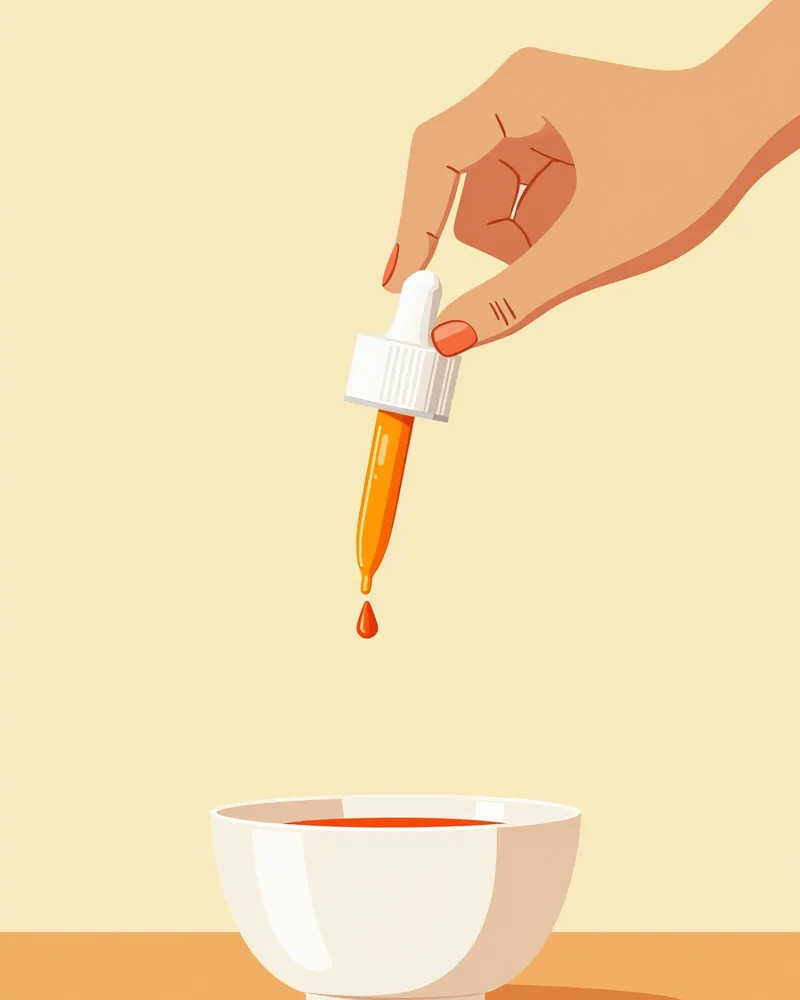
Liquid eye-support supplements are easy to administer thanks to their fluid form. They’re especially convenient for dogs that refuse pills, as they can be mixed into water or food. These products contain antioxidant and nutritional ingredients such as lutein, vitamin E, and omega-3 fatty acids. However, evidence that these ingredients prevent cataracts or halt vision decline is limited, so regular veterinary check-ups and professional guidance remain essential.
Liquid formulation: Easy to give, even to dogs that reject pills.
Antioxidant ingredients: Used to support eye health by helping manage oxidative stress.
Vitamin E: A well-known antioxidant that helps protect cell membranes.
Omega-3 fatty acids: Included as a general supplement for eye and skin health.
Pouring the liquid dog eye supplement into a bowl to feed your puppy

BEST 3: Natural Ingredient Eye Health Complex Supplement

Natural-ingredient eye health complex supplements are products labeled as being manufactured with natural ingredients. They feature a balanced combination of several antioxidant components, including lutein, vitamin C, vitamin E, and omega-3 fatty acids. Available in both capsule and powder forms, you can choose the option that best suits your dog. However, even though these are natural ingredients, they do not directly treat cataracts or completely halt their progression, so it is advisable to consult your veterinarian before starting long-term use.
Claimed natural ingredients: Labeled as using naturally derived ingredients while reducing artificial components.
Diverse antioxidant components: Contains a blend of lutein, vitamins C and E, and omega-3 fatty acids.
Two available forms: You can choose between capsules and powder.
Consistent care alongside supplementation: For safety, do not rely solely on supplements; combine them with regular veterinary check-ups.
A photo showing both the capsule and powder forms of a natural-ingredient eye health supplement.

Comparison Table of BEST 1–3 Products

ItemBEST 1 Lutein PlusBEST 2 Liquid SupplementBEST 3 Natural Ingredient Complex
Key IngredientsLutein, Vitamin C, Omega-3Lutein, Vitamin E, Omega-3Lutein, Vitamin C/E, Omega-3, natural extracts
FormulationCapsuleLiquidCapsule/Powder
Ease of UseModerateVery HighHigh
SafetyHighVery HighVery High
Price RangeMediumLowHigh

Prices are examples based on a one-month supply. They may vary depending on the dog's weight and dosage.

Caution: Surgery May Be Necessary as Cataracts Progress

If cataracts worsen and significantly impair vision, surgery may be necessary. Before the procedure, it’s essential to consult with your veterinarian and have your pet’s overall health evaluated. Consistent post-operative care is also crucial.

Tips for Managing Canine Cataracts
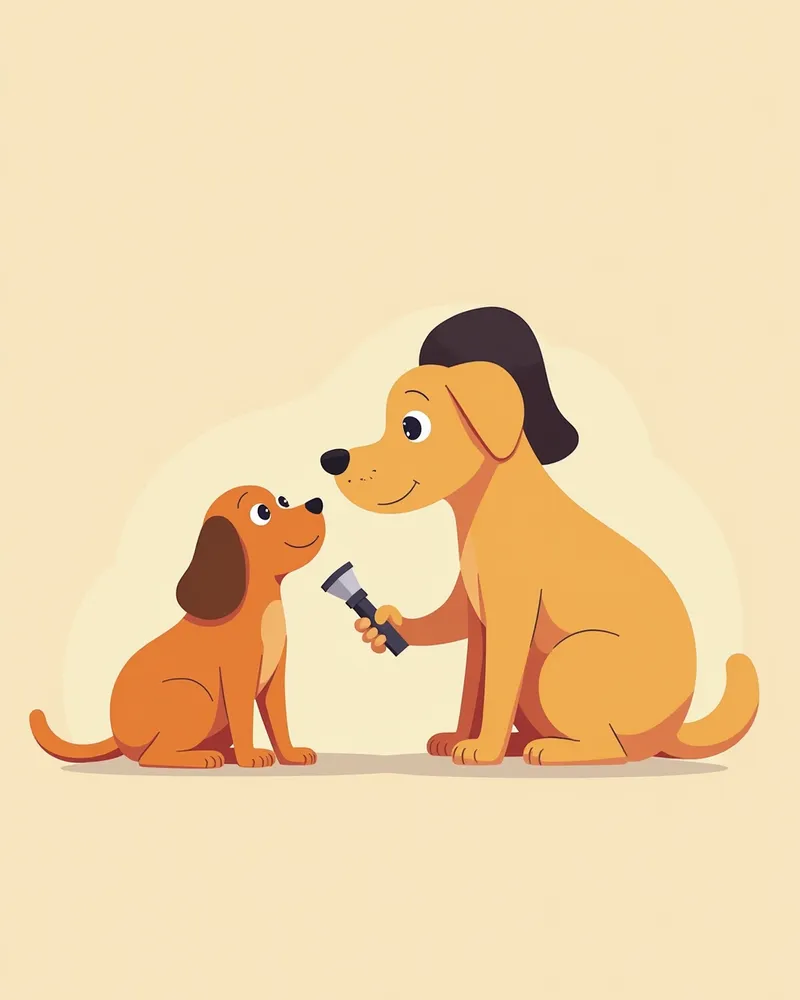
Managing cataracts in dogs requires consistent improvements in daily habits. Regularly check your dog’s eyes and maintain a stable environment. Additionally, it’s most effective to administer supplements at the same time every day.
Regular Eye Checks: Inspect your dog’s eyes once a month.
Maintain a Stable Environment: Avoid sudden changes in noise or lighting.
Consistent Supplementation: Give supplements once daily at the same time.
Consult Your Veterinarian: Visit the clinic immediately if symptoms worsen.
A pet owner carefully checking their dog’s eyes.

Reviewed by a veterinarian

Dr. Tony — Punnawat Phongkittirak

Dr. Tony — Punnawat Phongkittirak

Veterinarian

A veterinarian who majored in veterinary medicine at Khon Kaen University, Thailand, and completed the IVSA program at North Carolina State University in the United States. Drawing on clinical experience at animal hospitals, he works in the pet healthcare field and is dedicated to building a digital care environment that connects pet parents with veterinarians.

Frequently Asked Questions

Can cataracts in dogs be cured?
Cataracts rarely resolve on their own, but vision can often be restored or maintained through surgery (phacoemulsification). However, mature and hypermature cataracts have a slightly lower surgical success rate compared to immature cataracts in young puppies, and consistent post-operative care is essential.
When should I start giving my pet the supplement?
The evidence that supplements can prevent cataracts or halt their progression is limited. Although antioxidant products may help slow progression in some cases, they cannot prevent blindness, so it is best to consult your veterinarian to determine whether and when supplementation is necessary.
Can cataract supplements be taken with other medications?
It is generally safe, but it’s best to consult your veterinarian before using it alongside other medications. Special care should be taken when combining it with antibiotics or immunosuppressants.
Should I continue taking my pet for walks if they develop cataracts?
While you should continue taking your pet for walks, it’s best to avoid dangerous or crowded areas due to their impaired vision. Choose safe walking routes and keep a firm hold on the leash.
Should I avoid touching my pet’s eyes if they have cataracts?
It’s best to avoid touching your pet’s eyes directly. However, you can gently wipe or check the area around the eyes. Always keep your hands clean.

Share

Related Guides

References

[1] BSAVA Manual of Canine and Feline Dermatology, 4th Ed (2017). BSAVA Publications.

[2] Plumb's Veterinary Drug Handbook, 9th Ed (2022). Wiley-Blackwell.

[3] American College of Veterinary Ophthalmologists (ACVO) Guidelines on Canine Cataracts (2021). ACVO.org.

This information is based on veterinary literature and does not replace diagnosis or treatment. Please consult a veterinarian for specific health concerns.

Metapet Co., Ltd. | CEO: Park Sung-yong | Business Reg. No. 417-88-02562 | Seoul, South Korea | Customer Center

7 Vet-Recommended Tips for Managing Canine Cataracts | Meongsiljang