Like
Share
멍실장
강아지 체리아이(제3안검 탈출증) 관리 추천 BEST와 고르는 기준 총정리

Puppy Cherry Eye (Third Eyelid Prolapse) — 7 Symptoms and Treatments You Must Know

Eye HealthTop PicksMeongsiljang Veterinary Advisory Board

Cherry eye in dogs, also known as third eyelid prolapse, is a condition where a red, tumor-like mass appears in the eye. Early intervention is crucial. Learn about effective products and care methods to manage this condition.

Puppy Cherry Eye Is When the Third Eyelid Protrudes from Inside the Eye
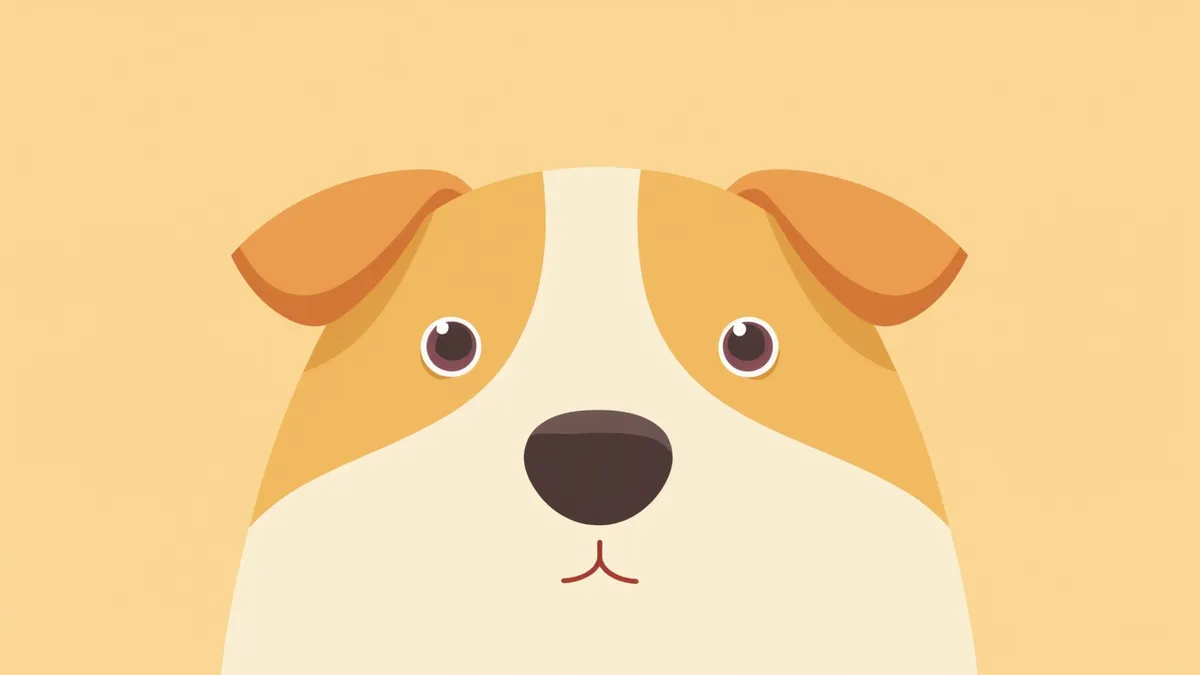
The appearance of cherry eye in a puppy's eyes
Cherry eye in puppies occurs when the tear gland of the third eyelid (nictitating membrane) slips out of its normal position, appearing as a smooth, pink-to-red fleshy mass in the inner corner of the eye. This gland produces tears and spreads them evenly across the eye’s surface; when it prolapses, the tissue can dry out and tear production may decrease. As a result, conjunctivitis or increased eye discharge may occur, and in severe cases, secondary inflammation, bacterial infection, or corneal ulcers can develop. This condition is most common in young puppies and frequently affects breeds with congenitally weak connective tissue supporting the third eyelid. In the early stages, the prolapse may come and go, but it often becomes permanent over time. Signs that owners may overlook include a red mass in the inner eye, conjunctival redness, and increased eye discharge. - Proper treatment: The ideal approach is surgical repositioning to return the prolapsed tear gland to its normal location. Removal of the tear gland should be avoided whenever possible due to the risk of complications. - Supportive care: Lubricating eye drops and anti-inflammatory treatments can provide supportive relief, but always consult your veterinarian rather than making decisions on your own.

5 Key Criteria for Choosing Cherry Eye Management Products
When choosing a cherry eye management product, safety and efficacy are the most important factors. First, confirm whether the product is intended for direct application to the eyes. Next, check that it contains mild, low-irritation ingredients. A common mistake pet owners make is overusing the product because they’re misled by claims like “safe for frequent use.” Always verify that the ingredients won’t irritate the eyes. Additionally, look for products recommended by veterinarians, as choosing those with proven effectiveness is safer. Finally, it’s important to monitor your pet’s response after use.
Eye care product bottle

BEST 1: Eye Health Care Liquid (Tear Stain Removal + Anti-inflammatory Effect)
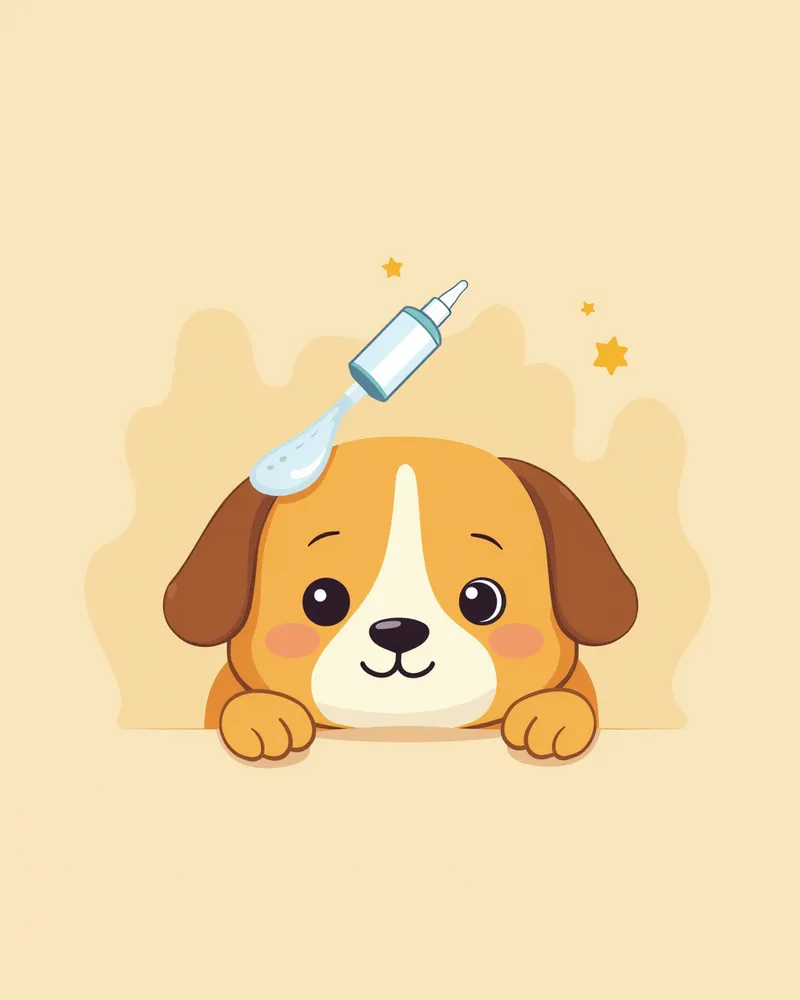
This liquid formula is specially designed to remove tear stains and secretions, effectively managing discoloration caused by cherry eye. Its anti-inflammatory ingredients help reduce swelling and itching around the eyes. Application is simple: just gently apply a few drops around the eyes two to three times daily. Dogs typically accept it well, making the routine easy to establish. It is particularly suitable for breeds prone to excessive tearing. As a veterinarian-recommended product, its safety and efficacy have been proven.
A dog having eye care drops applied to its eyes

BEST 2: Cherry Eye Dedicated Eye Protection Pad (Reduced Irritation + Breathability)

This pad is specially designed for dogs whose eyes are frequently irritated by cherry eye. Its excellent breathability keeps the area around the eyes dry, even during extended wear. Made from soft materials, it minimizes skin irritation while protecting the eyes. It is particularly useful during walks or outings, and dogs tend to wear it without resistance. By reducing irritation around the eyes, it helps prevent the worsening of cherry eye. Crafted from safe materials recommended by veterinarians.
A puppy wearing eye protection pads

BEST 3: Cherry Eye Dedicated Eye Cleanser (Clean Without Irritation)
This cleanser is ideal for removing tear stains around the eyes. Formulated with gentle, non-irritating ingredients, it is safe for use around the eyes. After cleansing, the eyes appear clearer, and swelling and itching are reduced. You can expect to see results with one to two applications per day. It is especially recommended for breeds prone to excessive tearing or dogs with recurring cherry eye. The formula does not cause dryness, making it suitable for long-term use.
Cherry Eye专用 eye cleanser bottle

Comparison Table of BEST 1–3 Products

ItemKey EffectsFrequency of UseRecommended Breeds
BEST 1: Eye Health Care LiquidTear removal, anti-inflammatory2–3 times a dayAll breeds
BEST 2: Cherry Eye Dedicated Eye Protection PadReduced irritation, breathabilityUse when going outBreeds with excessive tearing
BEST 3: Cherry Eye Dedicated Eye CleanserCleansing, gentle washing1–2 times a dayBreeds with recurrent cherry eye

Selected based on veterinarian-recommended products

Caution: Visit the Vet Immediately If Eyes Remain Swollen or Red

If your dog’s tear staining persists or their eyes remain swollen and red, it may signal a worsening infection or inflammation. In such cases, veterinary care is essential. Home care alone may not be sufficient for treatment, so avoid expecting a full recovery without professional intervention. In particular, if tearing is constant or your dog frequently rubs their eyes, seek veterinary attention immediately.

5 Cherry Eye Management Tips
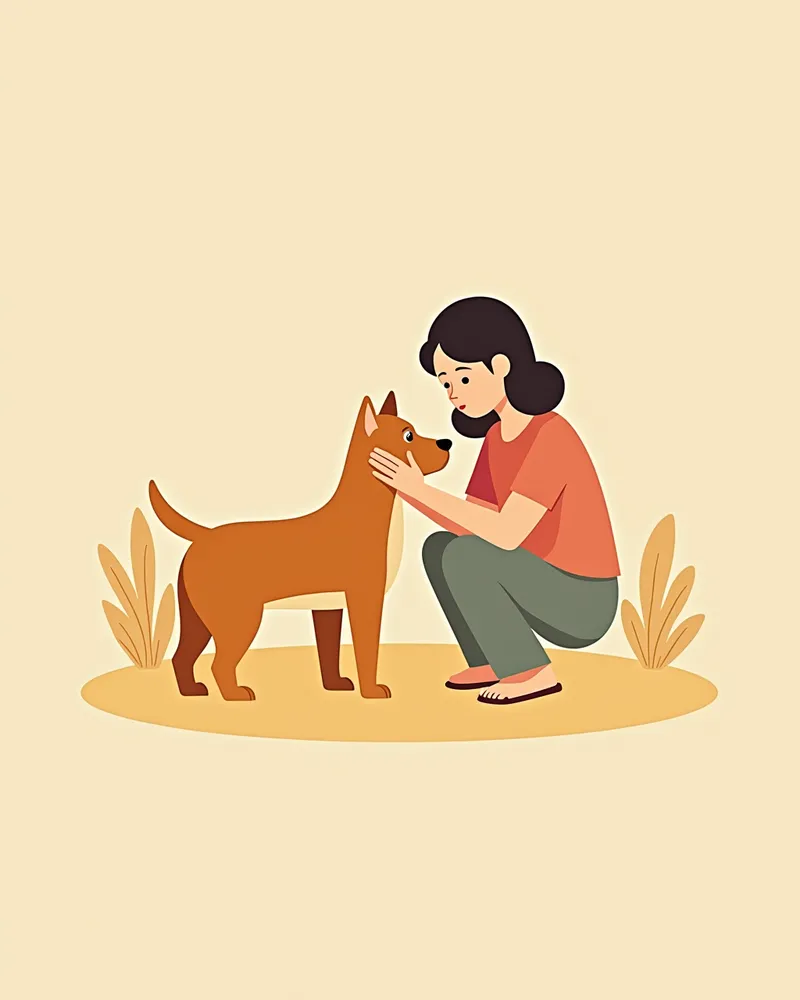
Consistency is key when caring for your dog’s eyes. Start by making it a habit to gently wipe around the eyes regularly. Keep your dog’s nails trimmed to prevent accidental scratches. During walks, minimize contact with other dogs to reduce the risk of irritation. Avoid environments that may irritate the eyes. Finally, always monitor your dog’s response after using any eye care product. If you notice any adverse reactions, stop using the product immediately and consult your veterinarian.
Gently wiping your puppy's eyes

Reviewed by a veterinarian

Dr. Tony — Punnawat Phongkittirak

Dr. Tony — Punnawat Phongkittirak

Veterinarian

A veterinarian who majored in veterinary medicine at Khon Kaen University, Thailand, and completed the IVSA program at North Carolina State University in the United States. Drawing on clinical experience at animal hospitals, he works in the pet healthcare field and is dedicated to building a digital care environment that connects pet parents with veterinarians.

Frequently Asked Questions

Can cherry eye be cured without surgery?
In the early stages, the prolapse may come and go, but over time it often becomes permanent. The ideal treatment, according to standard veterinary practice, is surgical reduction to reposition the displaced lacrimal gland. Excision of the lacrimal gland is not recommended due to the risk of complications. Medical management, such as the use of lubricating and protective eye drops, can be used as an adjunctive therapy, so please consult with your veterinarian.
How many times a day should I use the Cherry Eye management product?
It varies by product. Generally, using it once to three times a day is appropriate. Be sure to check the product instructions.
When a puppy is born, which breeds are at higher risk?
This condition is commonly seen in small to medium-sized breeds such as Basset Hounds, Beagles, Boston Terriers, Cocker Spaniels, English Bulldogs, Lhasa Apsos, Pekingese, and Shih Tzus. It is known to be caused by congenitally weak connective tissue that supports the third eyelid, rather than by protrusion of the eyeball. Because there is a genetic predisposition, it is helpful to check for this condition before adopting.
Can I use Cherry Eye management products on humans?
Absolutely not. Human products can irritate your dog's eyes. Always use products specifically designed for animals.
Should I keep taking my senior dog for walks?
Regular walks are still important, but it’s best to avoid contact with other dogs and choose quieter times of day. Be sure to protect your dog’s eyes from any irritation.

Share

Related Guides

References

[1] Maggs DJ. Third eyelid. In: Maggs DJ, Miller PE, Ofri R, Slat... Clinical Atlas of Canine and Feline Ophthalmic Disease, 2nd Ed. Elsevier; 2020.

[2] Côté E. Clinical veterinary advisor. Dogs and cats. 3rd ed. St. Louis, MO: Elsevier Mosby; 2015.

[3] Ettinger SJ, Feldman EC, Côté E. Textbook of veterinary internal medicine: diseases of the dog and the cat. 8th ed. St. Louis, MO: Elsevier; 2017.

This information is based on veterinary literature and does not replace diagnosis or treatment. Please consult a veterinarian for specific health concerns.

Metapet Co., Ltd. | CEO: Park Sung-yong | Business Reg. No. 417-88-02562 | Seoul, South Korea | Customer Center

Puppy Cherry Eye (Third Eyelid Prolapse): 7 Signs & Fixes | Meongsiljang