Like
Share
멍실장
강아지 담낭 점액종 관리 추천 BEST와 고르는 기준 총정리

7 Warning Signs and Management Tips for Canine Gallbladder Mucocele Recommended by Veterinarians

Liver HealthTop PicksMeongsiljang Veterinary Advisory Board

Canine gallbladder mucocele is a condition characterized by the excessive accumulation of mucus within the gallbladder, making early detection and proper management essential. Here’s a guide on how to choose effective management products, along with our top three recommendations.

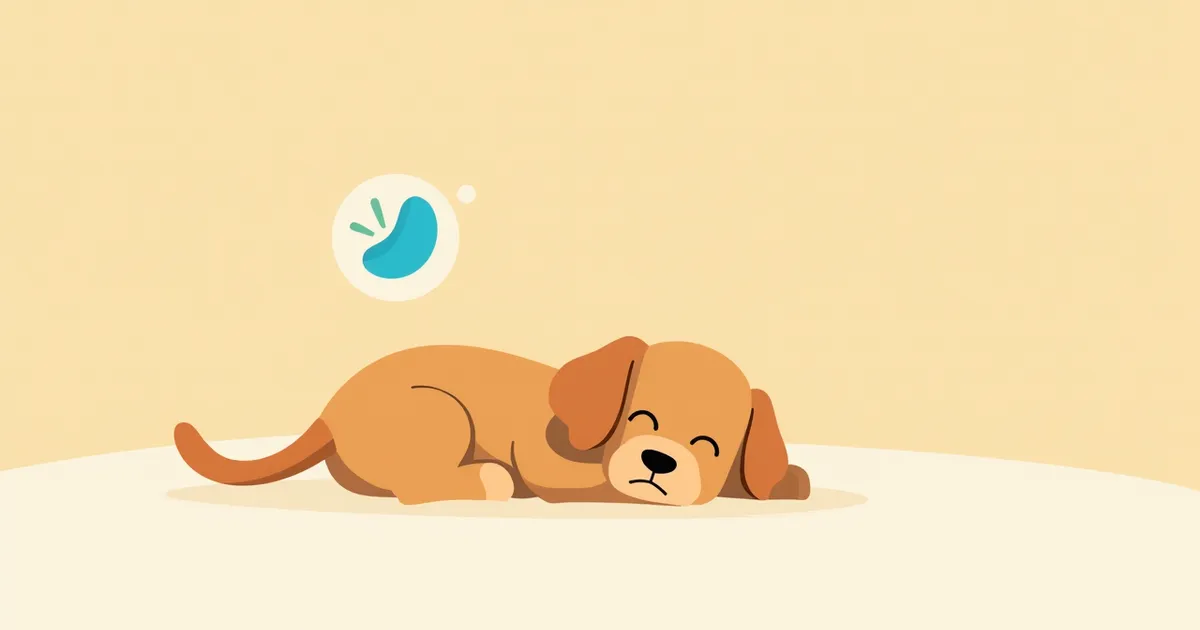
Canine gallbladder mucocele is a condition characterized by excessive accumulation of mucus in the gallbladder
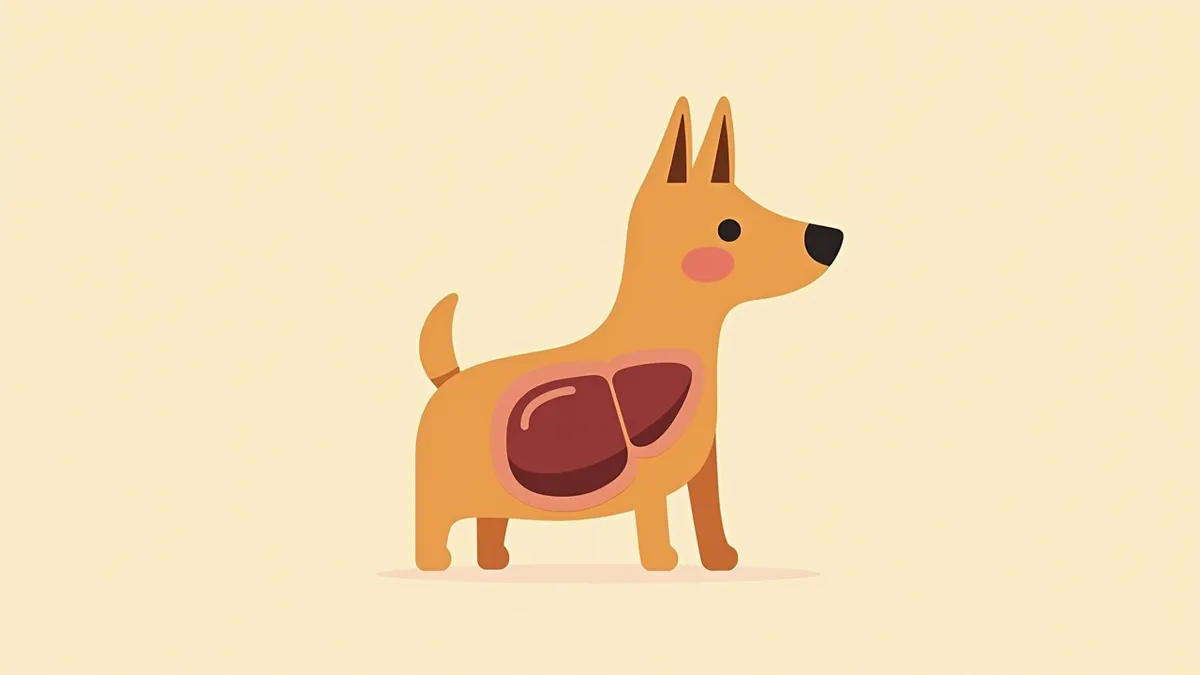
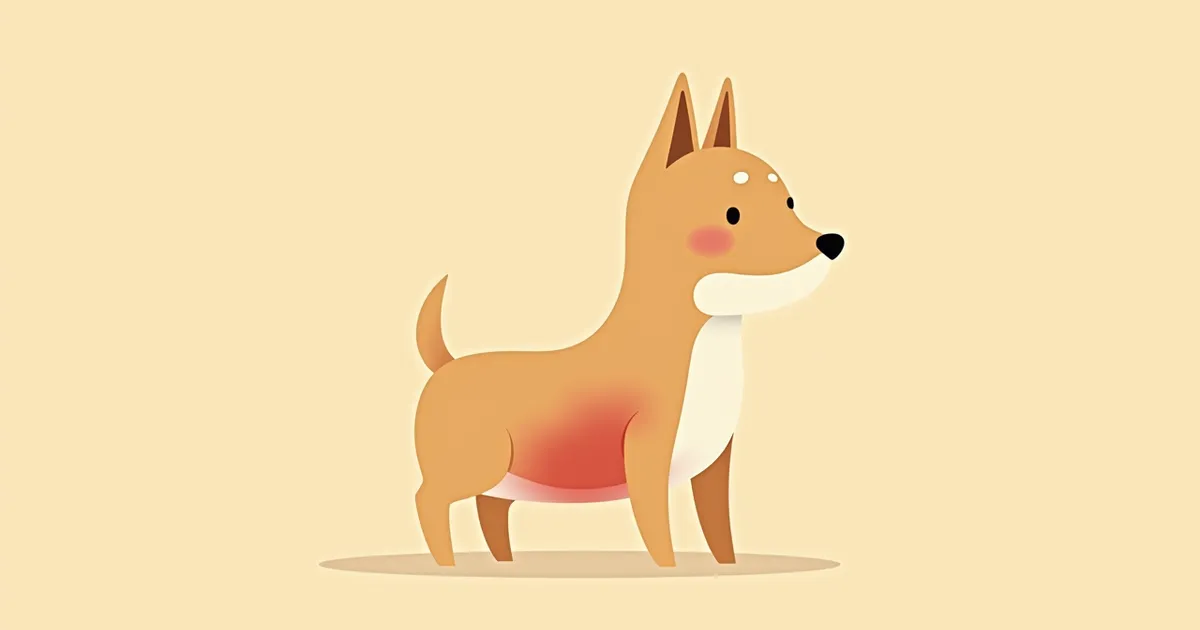
An anatomical illustration showing mucus accumulation within the gallbladder in a dog with gallbladder mucocele
Canine gallbladder mucocele is a condition in which abnormal, gel-like mucus (mucin) is excessively secreted and accumulates in the gallbladder mucosa, most commonly reported in middle-aged and older dogs. As the gallbladder expands, blood flow to its wall decreases, potentially leading to ischemia or necrosis, and in severe cases, gallbladder rupture. In the early stages, symptoms are often vague or absent for months, making the condition easy to overlook; as it progresses, signs such as changes in appetite, abdominal discomfort, and jaundice may appear. - Abnormal mucus secretion: Excessive secretion of gel-like mucin from the gallbladder mucosa can cause gallbladder distension and obstruct bile flow. - Reduced gallbladder motility and mucosal hyperplasia: Impaired gallbladder contraction (motility dysfunction) or cystic mucosal hyperplasia may be associated with mucocele formation, and the condition can also occur alongside underlying disorders such as endocrine diseases. - Early detection is key: It is important to monitor gallbladder health via ultrasound screening even during the asymptomatic stage. Early evaluation and management are crucial for preventing complications such as cholecystitis or gallbladder rupture.

5 Key Criteria for Choosing Management Products for Canine Gallbladder Mucocele
When choosing a supportive supplement for managing gallbladder mucoceles in dogs, it’s important to carefully consider several factors. However, keep in mind that gallbladder mucoceles are not a condition that can be resolved with supplements alone; surgical removal of the gallbladder is the primary recommended treatment. Supplements should always be viewed as an adjunctive aid. Here are some key criteria to consider when selecting a product:
Liver function and antioxidant support ingredients: Look for products that include ingredients such as vitamin E, which may be used as a supportive measure in cholestatic or inflammatory hepatobiliary diseases.
Clear labeling of ingredients and dosages: Ensure the product clearly lists all ingredients and their respective amounts.
Beware of exaggerated claims: Be cautious of definitive statements like “dissolves mucus” or “recovery in just a few days,” as these may lack scientific evidence.
Consider the gallbladder’s condition: If there is a possibility of gallbladder wall damage, choleretic ingredients that promote bile flow may need to be used with caution.
Consult your veterinarian first: Before starting any supplement, it’s most important to have your veterinarian assess your dog’s gallbladder condition and determine whether the product is appropriate.
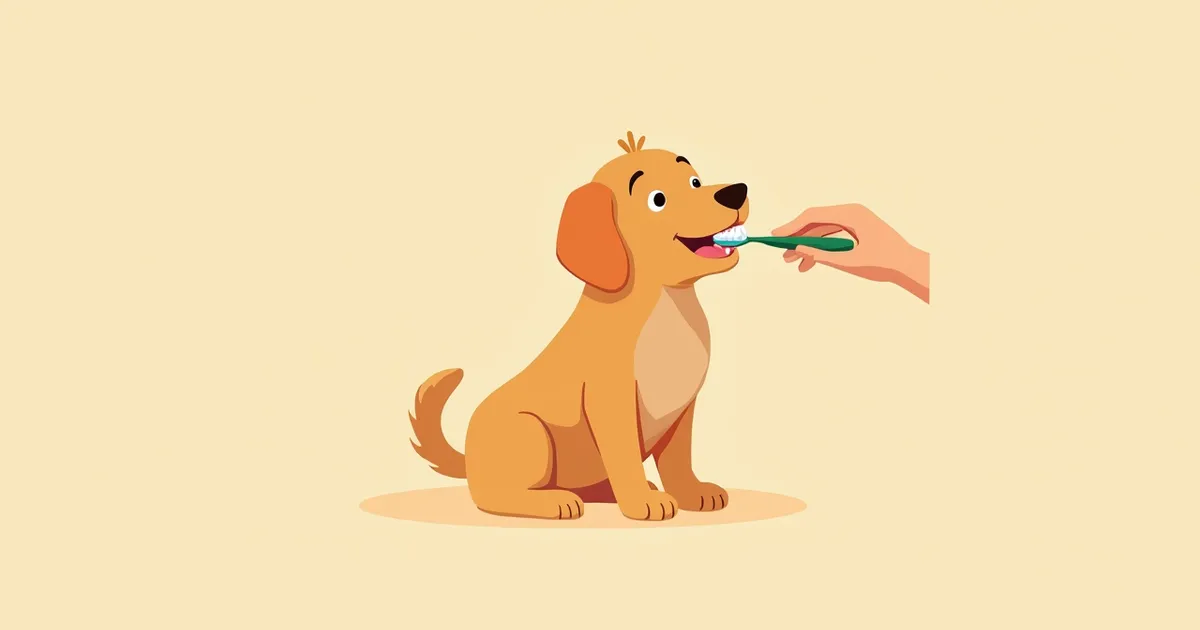
A puppy taking a gallbladder health supplement alongside a nutritious meal.

BEST 1: Gallbladder Protector Plus

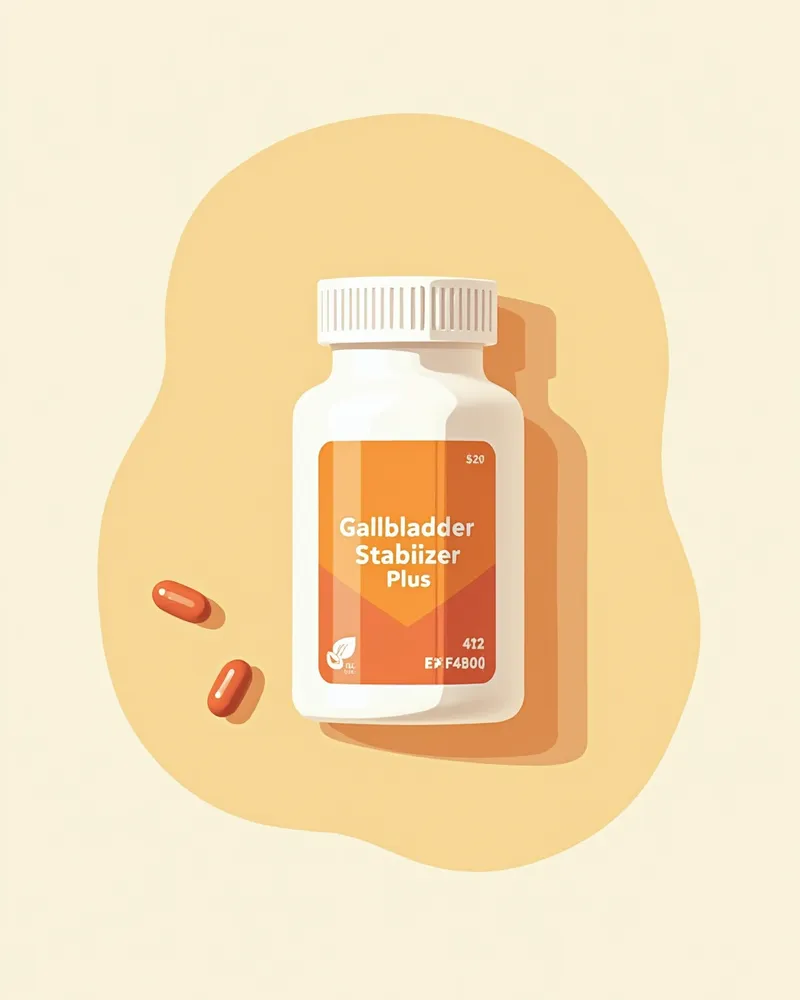
Gallbladder Protector Plus is formulated to support gallbladder and liver health. Its label lists glucosamine, corn oil, lutein, and vitamin E as ingredients. Among these, vitamin E is noted in veterinary textbooks as an antioxidant used as an adjunctive therapy for cholestatic and inflammatory hepatobiliary diseases. However, there is no clear evidence that such supplements can eliminate a mucocele itself, and the degree of benefit and time to recovery vary by individual, making definitive claims like "recovery within 2–4 weeks" unreliable. Since gallbladder mucoceles may not be resolved with supplements alone, it is essential to have a veterinarian evaluate the gallbladder’s condition before starting any treatment.
Front image of the Gallbladder Stabilizer Protector Plus product bottle

BEST 2: Gallbladder Renewal Capsules

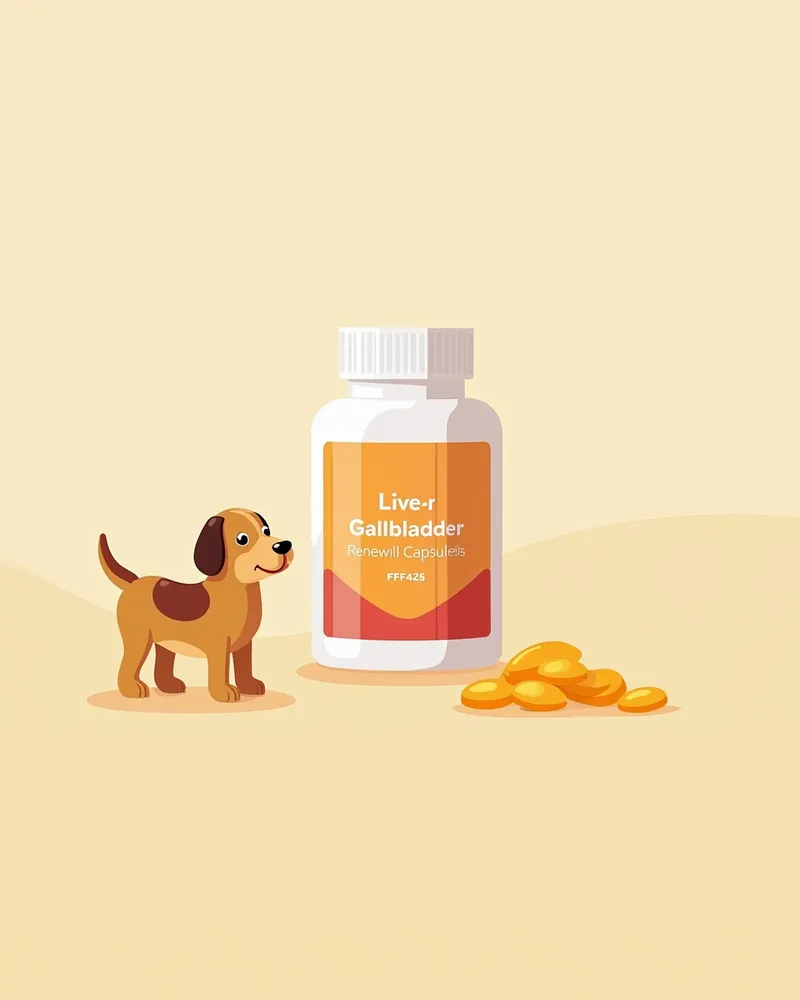
Gallbladder Renewal Capsules are marketed to help manage gallbladder mucus accumulation and support liver function, with ingredients such as magnesium, choline, oxyamine, and lecithin listed on the label. However, there is no veterinary evidence to support the claim that these ingredients improve bile flow or reduce inflammation in cases of gallbladder mucocele. While the capsule form makes administration relatively easy and allows it to be given with meals, it is difficult to definitively state that long-term use carries minimal side effects. Supplements can cause adverse effects such as vomiting, diarrhea, and loss of appetite, and dogs with compromised liver function may be more sensitive to these ingredients. Therefore, please consult your veterinarian to determine whether this product is appropriate for your dog and for how long it should be administered.
A scene showing a puppy looking at the liver and gallbladder renewal capsule product.

BEST 3: Gallbladder Clear Liquid

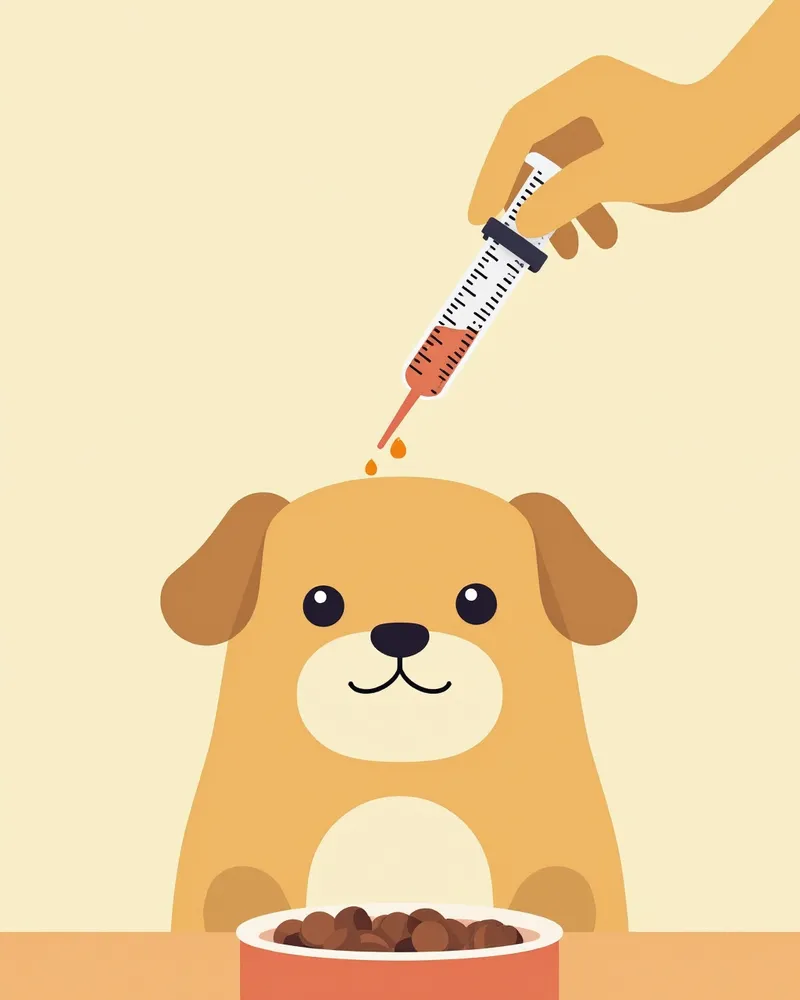
Gallbladder Clear Liquid is a convenient liquid-form supplement designed for easy administration. It contains a blend of natural and herbal ingredients claimed to help expel mucus from the gallbladder. However, there is no scientific evidence provided to support the claim that it rapidly improves mucocoele by reducing bile viscosity, and specific timelines such as "improvement within one week" vary significantly among individual dogs and cannot be guaranteed. Particularly in cases where gallbladder wall damage is suspected, choleretic ingredients that promote bile flow may require caution prior to surgery. While the liquid form can be mixed with water or food, making it easier for dogs that struggle with capsules, always consult your veterinarian before use to ensure it is appropriate for your pet's specific condition.
A scene of adding Gallbladder Clear liquid to a dog's food

Comparison Table of Products BEST 1–3

ItemGallbladder Stabilizer Protector PlusLiver-Gallbladder Renewal CapsuleGallbladder Clear Liquid
Main IngredientsGlucosamine, corn lactic acid, lutein, Vitamin EMagnesium, choline, oxyamine, lecithinNatural herbal ingredients, bile-viscosity-reducing ingredients
FormulationTabletCapsuleLiquid
Ease of AdministrationModerateGoodVery good
Recommended AgeMiddle-aged and olderAdult dogs and olderAll ages
Veterinarian-RecommendedTrueTrueTrue

All products are veterinarian-recommended; always consult before use.

Caution: Side Effects May Occur with Overdosing

Products for managing gallbladder mucoceles should be administered under a veterinarian’s guidance. Overdosing may cause side effects such as diarrhea, vomiting, and loss of appetite. Dogs with compromised liver function may be particularly sensitive to the ingredients, so extra caution is advised. If any unusual symptoms occur during use, stop administration immediately and consult your veterinarian.

5 Tips for Managing Canine Gallbladder Mucocele
In addition to administering the product, there are practical care tips you can implement in your pet’s daily routine. Consistent habits are key to maintaining gallbladder health over the long term.
Dietary Management: High-fat meals increase the burden on the gallbladder. Switch to a low-fat, high-protein diet.
Regular Meal Times: Feed your pet two to three times daily at consistent intervals. Reducing fasting periods promotes smooth bile excretion.
Appropriate Exercise: A daily 20- to 30-minute walk supports blood circulation and helps maintain gallbladder function.
Adequate Hydration: Ensuring sufficient water intake reduces bile viscosity, making it easier to excrete.
Regular Check-ups: Monitor gallbladder health with an ultrasound examination every six months.
A puppy drinking water during a walk

Reviewed by a veterinarian

Dr. Tony — Punnawat Phongkittirak

Dr. Tony — Punnawat Phongkittirak

Veterinarian

A veterinarian who majored in veterinary medicine at Khon Kaen University, Thailand, and completed the IVSA program at North Carolina State University in the United States. Drawing on clinical experience at animal hospitals, he works in the pet healthcare field and is dedicated to building a digital care environment that connects pet parents with veterinarians.

Frequently Asked Questions

Is gallbladder mucocele treatable?
For gallbladder mucoceles, cholecystectomy is generally the most recommended treatment. Veterinary textbooks advise considering surgical removal once a mucocele is confirmed via ultrasound, even if the patient is asymptomatic. Elective (planned) surgery performed before symptoms develop carries significantly lower rates of complications and mortality compared to emergency surgery. While medication and dietary management can be used as supportive measures, they do not eliminate the mucocele itself; therefore, please consult your veterinarian to determine the appropriate treatment plan.
How many times a day should the product be administered?
This varies by product. Generally, it is recommended to administer once or twice daily with meals. Please follow the instructions on the product label or your veterinarian’s guidance.
Can I give my pet other medications while they’re taking a supplement?
Taking this medication alongside other drugs may cause interactions. Always consult your veterinarian before use, and exercise particular caution with medications that affect liver function.
How long should I give this product to my pet?
This varies depending on each pet’s individual condition. The duration and necessity of supplement use depend on the diagnostic and treatment plan, so it’s best to consult with your veterinarian to determine the appropriate approach and regularly reassess your pet’s condition.
Can gallbladder mucoceles recur?
If the gallbladder is completely removed, recurrence in the same organ is uncommon. However, if only the gallbladder contents are drained without addressing the underlying cause, a mucocele can develop again, which is why textbooks recommend cholecystectomy. If there are underlying factors such as endocrine disorders, they should be managed concurrently, and regular veterinary check-ups are advisable to monitor the health of the liver and biliary system.

Share

Related Guides

References

[1] Schneider R., Dorn C.R., Taylor D.O. (1969) Factors influencing canine mammary cancer development and postsurgical survival. J Natl Cancer Inst 43:1249–1261.

[2] Varanat M., Travis A., Lee W. et al. (2009) Recurrent osteomyelitis in a cat due to infection with Bartonella vinsonii subsp. berkhoffii genotype II. J Vet Intern Med 23:1273–1277.

[3] Moore P.F. (2014) A review of histiocytic diseases of dogs and cats. Vet Pathol 51(1):167–184.

This information is based on veterinary literature and does not replace diagnosis or treatment. Please consult a veterinarian for specific health concerns.

Metapet Co., Ltd. | CEO: Park Sung-yong | Business Reg. No. 417-88-02562 | Seoul, South Korea | Customer Center

7 Warning Signs of Canine Gallbladder Mucocele & Vet Care Tips | Meongsiljang