Like
Share
멍실장
고양이 과도한 그루밍 원인과 관리법 — 보호자를 위한 제품 선택 기준 총정리

7 Recommended Products to Alleviate Excessive Cat Grooming, Selected by Veterinarians

Brain & CognitionTop PicksMeongsiljang Veterinary Advisory Board

If your cat is licking itself to the point of hair loss, it’s important to consider various potential causes, such as stress, allergies, or parasites. We’ve outlined management strategies for each cause, along with products and methods that pet owners can choose from.

What Is Excessive Grooming in Cats?
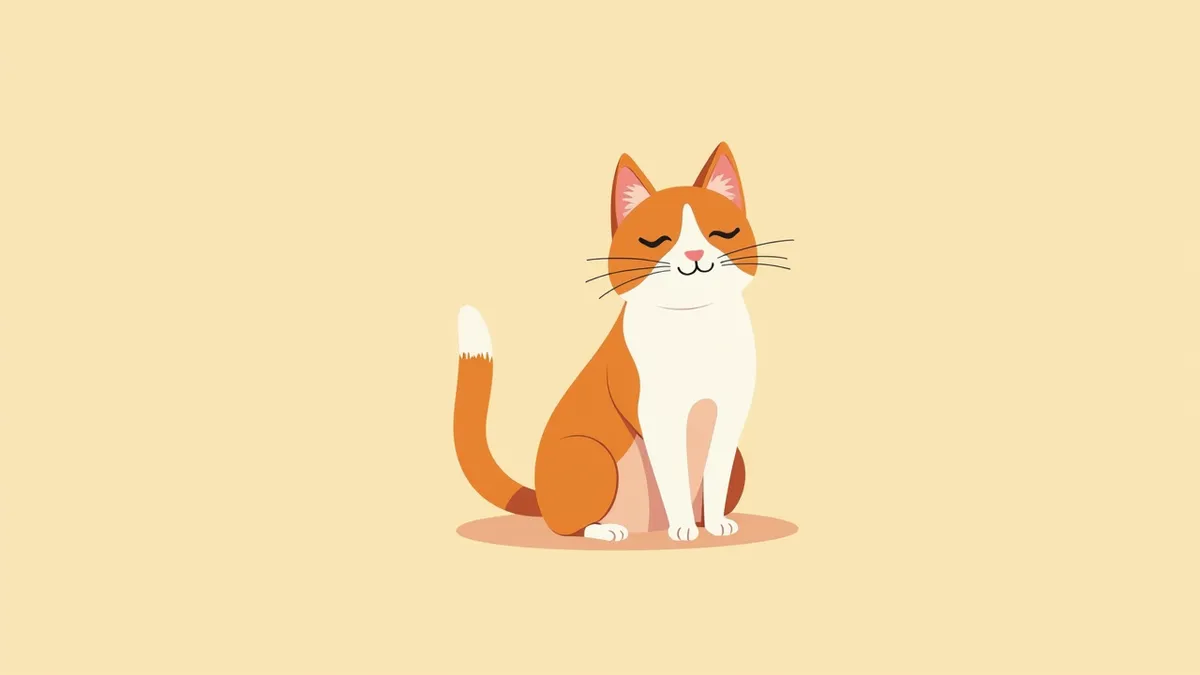
A cat with thinning belly fur due to excessive grooming
Excessive grooming in cats goes beyond normal self-cleaning behavior and involves repetitive licking or biting that leads to skin irritation, hair loss, and alopecia. While grooming itself is a normal feline behavior, its frequency and intensity can increase during periods of stress or emotional conflict, potentially developing into compulsive behavior. The real concern arises when a cat excessively licks one area, causing patchy hair loss on the belly, groin, inner thighs, sides, or front legs, or resulting in skin lesions and scabs. Causes are varied, including stress, allergies, parasites, and pain. Psychogenic alopecia is a diagnosis of exclusion, made only after ruling out all other medical causes, so identifying the underlying cause is essential for proper management.

Normal Grooming vs. Excessive Grooming — How to Tell the Difference
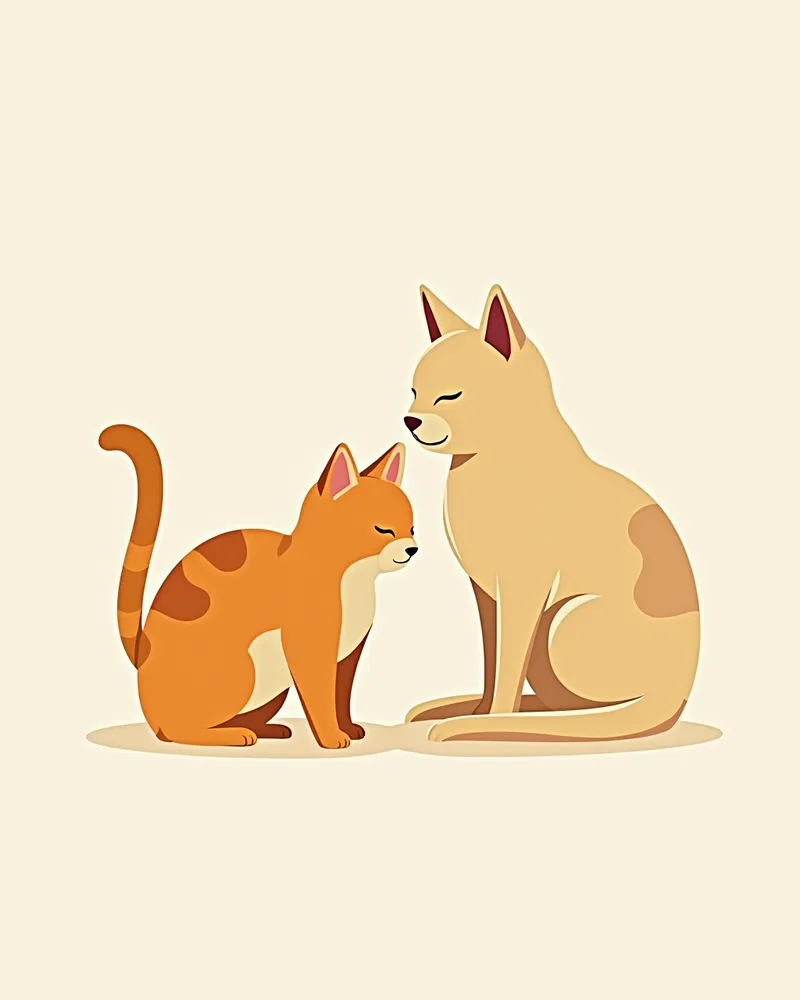
Normal grooming: Occurs naturally after meals or naps, keeping the skin clean and healthy.
Excessive grooming: Involves prolonged, focused licking of one area, leading to patchy hair loss or red, irritated skin.
What to check: Look for bald patches on the belly, inner thighs, or under the tail. If your pet only grooms excessively when left alone, it may be a sign of stress.
Comparison between a cat with normal grooming habits and a cat experiencing hair loss due to excessive grooming

4 Main Causes of Excessive Grooming

Stress and anxiety: Environmental changes such as moving, adding a new pet, or altering daily routines are common triggers for excessive grooming.
Allergies: Skin itching caused by food allergies, flea allergies, or environmental allergies like atopy leads to licking.
Parasites: Fleas, mites, and Demodex (follicle mites) irritate the skin, causing focused licking.
Pain and discomfort: Pain from conditions like osteoarthritis can alter grooming behavior or result in concentrated licking of specific areas.
Identifying the underlying cause is essential for proper management. Psychogenic alopecia is diagnosed only after ruling out other medical causes, so a veterinary examination should always come first.

Signs That Require an Immediate Visit to the Vet

If your pet develops skin wounds, scabs, swelling, or chafing, licks a specific area excessively for several days or more, or shows a simultaneous decrease in appetite and activity level, it is essential to rule out internal or dermatological causes. Excessive grooming is only diagnosed as psychogenic after all other medical causes have been excluded, so rather than trying to self-diagnose, it is safest to have your pet examined at a veterinary clinic.

Management Methods at a Glance — Choose Based on the Cause

ItemPheromone diffuserEnvironmental enrichmentAnti-anxiety supplementVeterinary prescription
Suitable causeStress/anxietyStress/boredomMild anxietyAllergies/parasites/pain
Time to onset of effect2–4 weeks1–4 weeks2–4 weeks2–8 weeks
Owner self-useTrueTrueConsultation recommendedFalse

Protective clothing and E-collars are used separately as immediate barriers to help skin wounds heal.

Recommended BEST 1 — Pheromone Diffuser (Effective for Stress-Induced Grooming)
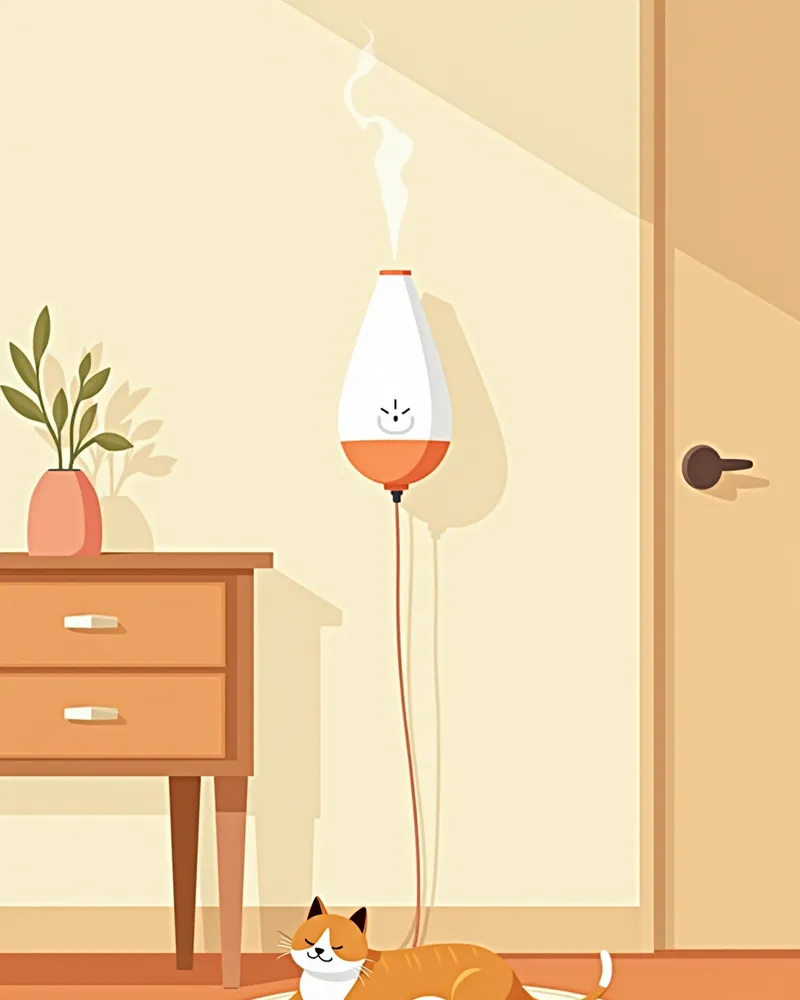
Cat calming pheromone products are synthetic versions of the facial pheromone (F3 fraction) that cats deposit when they rub their faces against objects. The F3 component is naturally released in areas where cats feel safe and comfortable, and studies have shown that synthetic versions (such as Feliway) can help reduce stress during environmental changes, travel, and veterinary visits. Plug-in diffusers provide continuous dispersion throughout the room.
Selection guidelines: Diffusers offer longer-lasting effects compared to sprays. Install the diffuser in the room where your cat spends most of its time, and monitor the refill schedule (approximately every four weeks). If you have multiple cats, consider installing separate diffusers in each room.
A cat calming pheromone diffuser installed in the living room

Recommended BEST 2 — Environmental Enrichment (Relieves Boredom and Anxiety, Most Cost-Effective)

Cats may overgroom to expend energy when they lack vertical spaces, hunting stimulation, or hiding spots.
Cat trees and shelves: Observing their environment from above helps reduce anxiety.
Wand toys: Two short play sessions of 5–10 minutes each day are essential for active engagement.
Hiding boxes and tunnels: Providing secure retreats reduces stress responses.
Puzzle feeders: These stimulate hunting instincts, helping to redirect excessive grooming.
This approach offers the best cost-effectiveness.

Recommended BEST 3 — Anti-Anxiety Nutritional Supplements (Adjunct Use for Mild Anxiety)
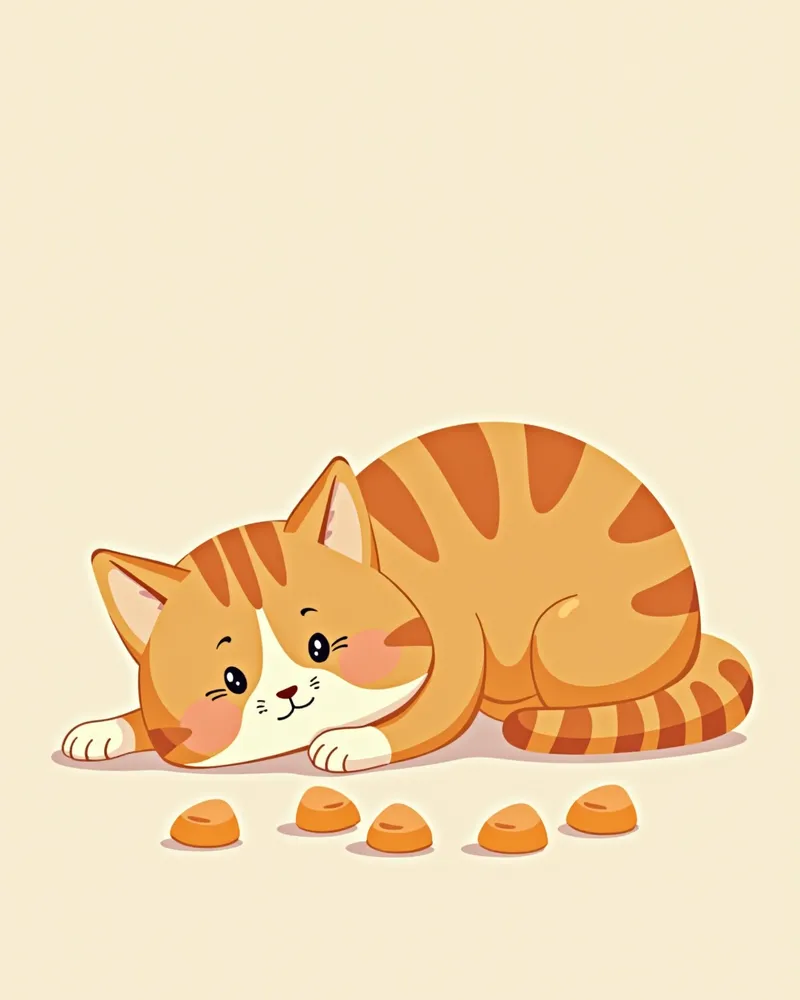
There are non-prescription nutritional supplements (nutraceuticals) available. Alpha-casozepine: Derived from milk protein (casein), this is a non-prescription supplement recommended by many veterinarians to help alleviate general and situational anxiety. However, under food regulations, its medical efficacy cannot be officially claimed. L-tryptophan, magnesium, etc.: These are sometimes used together to support calmness, but effectiveness can vary from pet to pet. Selection criteria: Ensure the product is specifically formulated for cats, and since these are only supportive aids, always consult your veterinarian before administering.
Example of a feline anti-anxiety nutritional supplement product

Recommended BEST 4 — Protective Suit and Elizabethan Collar (Aids Skin Wound Recovery)

If your pet already has skin wounds, you should prevent them from reaching the affected area by using a protective suit or an Elizabethan collar.
Soft Elizabethan collar: It causes less stress than a plastic collar. It is important to choose a size that prevents your pet from slipping out.
Cat-specific recovery suit: It covers hair loss areas on the belly and sides. Choose a breathable material.
A protective suit is only a temporary measure. If you rely solely on the suit without treating the underlying cause, the stress may manifest in other behaviors.

If Allergies or Parasites Are the Cause, Product Management Alone Is Not Enough

If your pet has a food allergy, a prescription diet with a restricted protein source is necessary. If fleas or mites are the cause, regular deworming is essential. These two causes cannot be resolved with pheromones or supplements. Always consult a veterinarian for an accurate diagnosis and follow a treatment plan tailored to the underlying cause.

Reviewed by a veterinarian

Dr. Tony — Punnawat Phongkittirak

Dr. Tony — Punnawat Phongkittirak

Veterinarian

A veterinarian who majored in veterinary medicine at Khon Kaen University, Thailand, and completed the IVSA program at North Carolina State University in the United States. Drawing on clinical experience at animal hospitals, he works in the pet healthcare field and is dedicated to building a digital care environment that connects pet parents with veterinarians.

Frequently Asked Questions

Why is my cat licking its belly so intensely?
The belly, groin, and inner thighs are common areas for psychogenic alopecia, and pets also tend to lick these areas first when they have abdominal pain, such as from bladder or gastrointestinal issues. If you notice hair loss on the belly, we recommend an internal medicine checkup.
How long should I use pheromone products before seeing results?
You’ll typically start to see changes after consistent use for a few weeks. We recommend using the diffuser type consistently for at least one month.
Are certain breeds more vulnerable?
It’s difficult to definitively determine breed-specific vulnerabilities based solely on the information provided. However, in most cases of psychogenic alopecia, environmental factors such as stress play a significant role, and the diagnosis is made only after ruling out other medical causes.
Are there any medications prescribed by veterinarians?
Prescription medications are available to help ease anxiety, but they must only be prescribed after a proper diagnosis. Never give your cat human anxiety medication without veterinary guidance, as doing so can be extremely dangerous.
How long does it take to fully recover?
It depends on the cause. Stress-related cases may take several weeks to months to improve after environmental adjustments. Food allergies typically require several months, including a 6- to 8-week elimination diet trial. Parasite-related cases tend to recover relatively quickly after deworming treatment.

Share

Related Guides

References

[1] Rodan, I. et al., A Professional's Guide to Feline Behaviour: Understanding, Improving and Resolving Problems, Elsevier, 2023

[2] Little, S.E. (ed.), The Cat: Clinical Medicine and Management, 2nd Edition, Elsevier, 2023

[3] Buffington, C.A.T., Pandora Syndrome in Cats: Diagnosis and Treatment, Today's Veterinary Practice, 2023

This information is based on veterinary literature and does not replace diagnosis or treatment. Please consult a veterinarian for specific health concerns.

Metapet Co., Ltd. | CEO: Park Sung-yong | Business Reg. No. 417-88-02562 | Seoul, South Korea | Customer Center

Vet-Selected: 7 Products to Ease Excessive Grooming in Cats | Meongsiljang