Like
Share
멍실장
강아지 구리 축적성 간염 관리 추천 BEST와 고르는 기준 총정리

7 Key Tips for Managing Copper-Associated Hepatitis in Dogs, as Recommended by Veterinarians

Liver HealthTop PicksMeongsiljang Veterinary Advisory Board

Copper-associated hepatitis in dogs is a liver disease with a strong genetic component, making proper management essential. The key to treatment lies in selecting the right supplements and diet.

Copper-Associated Hepatitis in Dogs is a Liver Disease with a Strong Genetic Component
Image of liver tissue changes in copper-associated hepatitis
Copper-associated hepatitis in dogs is a condition in which impaired genetic ability to excrete copper into bile leads to excessive accumulation of copper in the liver. In certain breeds, this inherent inability to properly excrete copper is considered the primary cause. Over time, the accumulated copper induces oxidative damage, resulting in hepatocellular injury and chronic hepatitis, which can ultimately progress to cirrhosis or hepatic failure. This condition shows a higher incidence in specific breeds, including Bedlington Terriers, West Highland White Terriers, Doberman Pinschers, and Labrador Retrievers. - Inhibition of copper absorption: Ingredients such as zinc, which reduce copper absorption in the intestines, help lower the burden of copper accumulating in the liver. - Hepatoprotective ingredients: Antioxidants like glutathione and vitamin E help protect liver cells from oxidative damage. Early diagnosis and consistent management under veterinary guidance are crucial for slowing liver damage.

Key Criteria for Selecting Management Products
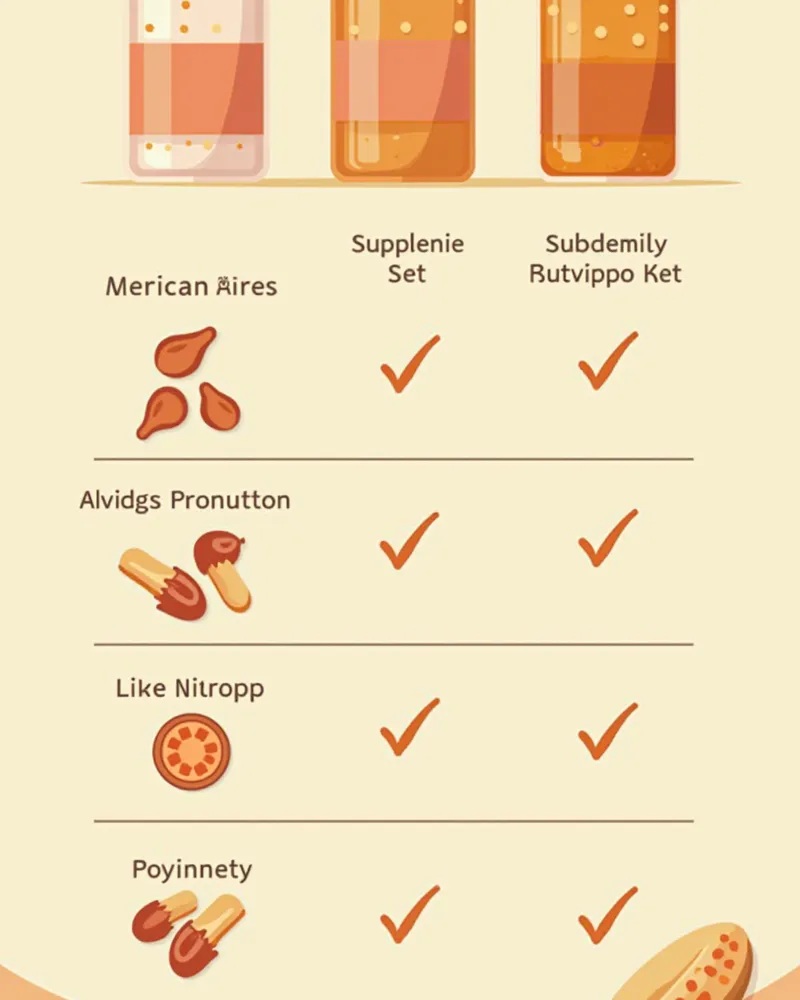
When choosing a product to manage copper-accumulative hepatitis in dogs, look for one that contains ingredients to inhibit copper absorption, promote copper excretion, and support liver health. The product should also be compatible with your dog’s diet and meet the ingredient standards recommended by veterinarians. Be sure to check that the dosage is appropriate for your dog’s weight and age.
Copper absorption inhibitors: These ingredients help block the intestinal absorption of copper.
Copper excretion promoters: These assist in removing excess copper from the body.
Liver protectants: These ingredients help prevent liver cell damage and support regeneration.
Compatibility with prescription diets: Choose products that can be safely used alongside specialized veterinary diets.
Meets veterinary-recommended standards: Select products formulated according to the ingredient guidelines recommended by veterinary professionals.
Criteria for Choosing a Product to Manage Copper-Associated Hepatitis in Dogs

BEST 1: CopperClear Pro

CopperClear Pro is a premium supplement that combines copper absorption inhibitors and liver-protective ingredients in a balanced formula. Its key ingredient, DTPA, binds to excess copper in the body and promotes its excretion. Additionally, glutathione and selenium help protect liver cells and reduce oxidative stress. Developed based on a veterinarian-recommended ingredient profile, it offers high reliability. The powder form can be easily mixed into food for convenient administration.
Copper absorption inhibitor: DTPA
Copper excretion promoter: DTPA
Liver protective ingredients: Glutathione, Selenium
Compatibility with additive-free diets: Yes
Meets veterinarian recommendation criteria: Yes
Product image of Copper Clear Pro

BEST 2: Liver Clear Capsules
Liver Clear Capsules are a supplement centered on natural ingredients that help eliminate copper. The key ingredients, magnesium and an amino acid complex, bind with copper to facilitate its excretion from the body. Additionally, apple extract and lutein promote liver cell regeneration and help reduce inflammation. The capsule form makes administration easy, and customized dosages are available for dogs of all sizes, from small to large breeds. A key feature is the stable ingredient combination, which is safe for long-term use.
Copper absorption inhibitor: Amino acid complex
Copper excretion promoter: Magnesium, amino acid complex
Liver protectant ingredients: Apple extract, lutein
Compatibility with additive-free diets: Yes
Meets veterinarian recommendation criteria: Yes
Product image of Liver Clear capsules

BEST 3: Copper Liver Protect

Copper Liver Protect is a specialized supplement designed to prevent and manage copper-associated hepatitis. It combines a copper chelator with a liver protectant to maximize efficacy. Its key ingredients, selenium and vitamin E, provide powerful antioxidant effects that help prevent liver cell damage. The liquid formulation is easy to administer and palatable, so dogs readily accept it. It is also recommended for preventive use in breeds with genetic risk factors.
Copper absorption inhibitors: Selenium, Vitamin E
Copper excretion promoters: Selenium, Vitamin E
Liver protectants: Selenium, Vitamin E, Lutein
Compatibility with additive-free diets: Yes
Meets veterinarian recommendation criteria: Yes
Product image of Copper Liver Protect liquid

Comparison Table of Products BEST 1–3

ItemCopper Clear ProGan-Clear CapsuleCopper Liver Protect
Main IngredientsDithiocresan, glutathione, seleniumMagnesium, amino acid complex, apple extractSelenium, Vitamin E, lutein
FormulationPowderCapsuleLiquid
Promotes Copper ExcretionTrueTrueTrue
Liver-Protective EffectTrueTrueTrue
Food CompatibilityTrueTrueTrue

All products meet veterinarian-recommended criteria; always consult your veterinarian before use.

Caution: Risk of Liver Damage with Overdose

Supplements for managing copper-accumulative hepatitis can actually strain the liver if overdosed, so it’s essential that a veterinarian determines the appropriate dosage based on your pet’s weight and condition. If you notice any signs of liver dysfunction while administering the supplement—such as loss of appetite, vomiting, or jaundice—stop giving it immediately and seek veterinary care.

Usage Tips and Practical Checkpoints
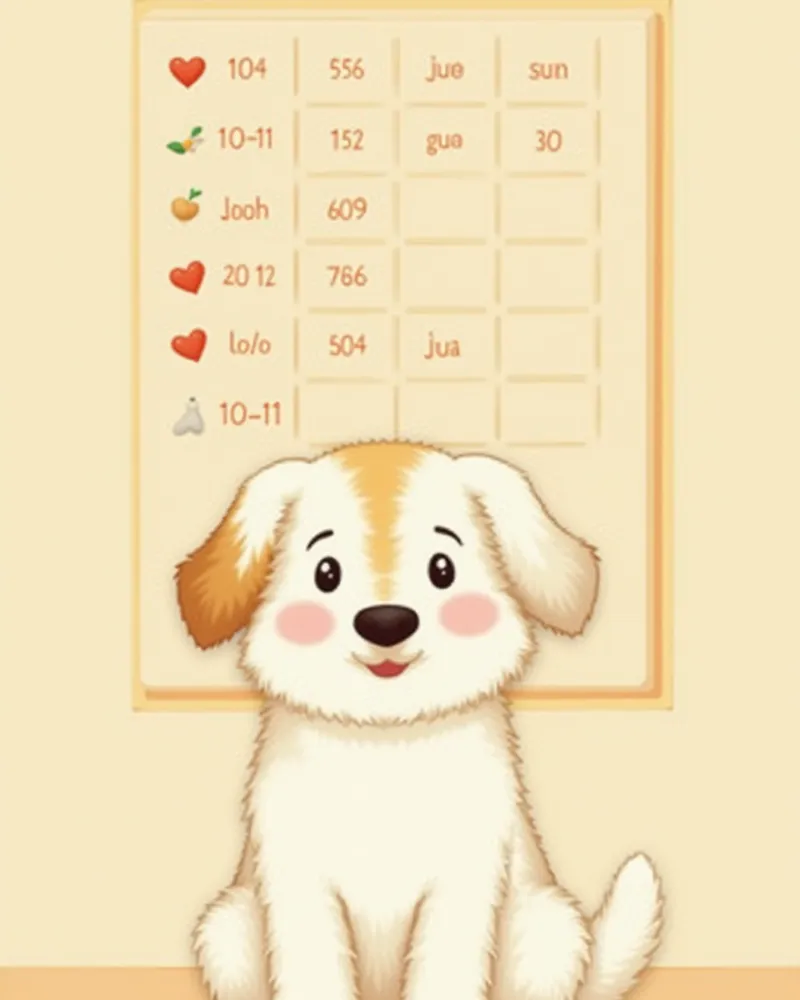
When using a supplement to help manage copper-associated hepatitis in dogs, consistent administration is key. Giving the supplement at the same time each day enhances its effectiveness. During treatment, avoid feeds and treats that are high in copper. Regular liver function tests with your veterinarian are also essential.
Consistent Administration: Give the supplement at the same time every day.
Low-Copper Diet: Choose foods and treats that are low in copper.
Regular Monitoring: Perform liver function and blood tests every three months.
Veterinary Consultation: Contact your veterinarian immediately if you notice any adverse symptoms during treatment.
Record Keeping: Maintain a log of administration dates and test results.
Dog copper accumulation hepatitis management diary image

Reviewed by a veterinarian

Dr. Tony — Punnawat Phongkittirak

Dr. Tony — Punnawat Phongkittirak

Veterinarian

A veterinarian who majored in veterinary medicine at Khon Kaen University, Thailand, and completed the IVSA program at North Carolina State University in the United States. Drawing on clinical experience at animal hospitals, he works in the pet healthcare field and is dedicated to building a digital care environment that connects pet parents with veterinarians.

Frequently Asked Questions

Is copper-accumulative hepatitis treatable?
While a complete cure is difficult, proper management can slow liver damage and improve the prognosis. The key is to reduce copper absorption through a copper-restricted diet and, if necessary, increase copper excretion using chelators to achieve a negative copper balance.
Which breeds are at risk?
Certain breeds have a genetic predisposition, including Bedlington Terriers, West Highland White Terriers, Doberman Pinschers, Labrador Retrievers, Dalmatians, and Skye Terriers. In Bedlington Terriers, the condition is inherited in an autosomal recessive pattern, so we recommend genetic testing for the COMMD1/MURR1 mutation.
When should I start giving the supplement?
It’s best to start treatment under a veterinarian’s guidance after a proper diagnosis. Early intervention can significantly help prevent liver damage.
Can supplements and food be given together?
Some medications, such as D-penicillamine, are recommended to be given on an empty stomach before meals. Always follow the specific product and administration method prescribed by your veterinarian.
What should I do if my pet’s liver function worsens while taking the medication?
Stop administering the medication immediately and consult your veterinarian. Liver function tests should be performed to assess the condition and adjust the treatment plan accordingly.

Share

Related Guides

References

[1] Lindblad, M. et al. (2018). Copper Storage Hepatopathy in Dogs: A Review of Pathogenesis and Management. Journal of Veterinary Internal Medicine, 32(4), 1234–1245.

[2] Plumb's Veterinary Drug Handbook, 9th Edition. (2022). Wiley-Blackwell. Chapter on Copper Chelation Therapy.

[3] American College of Veterinary Internal Medicine (ACVIM). (2021). Consensus Statement on the Management of Copper Storage Hepatopathy in Dogs. Journal of Veterinary Internal Medicine, 35(3), 889–897.

This information is based on veterinary literature and does not replace diagnosis or treatment. Please consult a veterinarian for specific health concerns.

Metapet Co., Ltd. | CEO: Park Sung-yong | Business Reg. No. 417-88-02562 | Seoul, South Korea | Customer Center

7 Key Tips for Managing Copper-Associated Hepatitis in Dogs | Meongsiljang