Like
Share
멍실장
강아지가 병원에서 검진을 받는 모습

7 Signs of Drug- or Toxin-Induced Liver Damage in Dogs That Veterinarians Warn About

Liver HealthTop PicksMeongsiljang Veterinary Advisory Board

Drug- or toxin-induced liver damage in dogs can lead to life-threatening complications. Knowing how to choose and use appropriate supportive products can help you respond early and effectively.

Early Response Saves Lives in Drug- or Toxin-Induced Liver Damage in Dogs
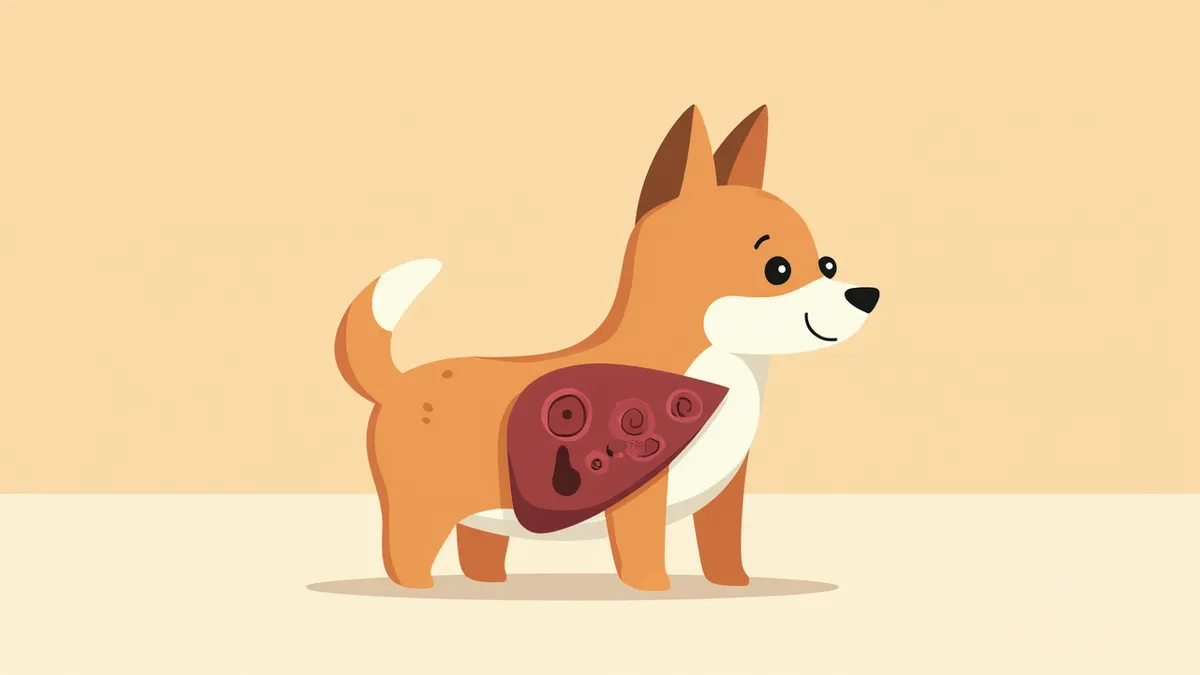
Biological changes in drug- and toxin-induced liver injury in dogs
Drug- or toxin-induced liver injury in dogs is a dangerous condition in which liver function declines due to exposure to medications or toxins. Because the liver is a vital organ responsible for detoxifying the body and regulating metabolism, damage can lead to severe complications such as liver failure, hepatic encephalopathy, and coagulopathy. Do not overlook early symptoms like loss of appetite, vomiting, and lethargy; consult a veterinarian immediately. - Liver-protective ingredients: S-adenosylmethionine (SAMe), N-acetylcysteine (NAC), and ascorbic acid (vitamin C) are used as supportive therapy ingredients that protect liver cells through antioxidant effects. However, their efficacy is not definitively proven, so they must only be used under veterinary guidance. - Safety first: Use only products recommended by your veterinarian. Self-prescribing is dangerous. - Ease of use: Choose capsules or liquid forms that are easy for your dog to take. Early management is key to preventing life-threatening complications.

Know This: Managing Drug- or Toxin-Induced Liver Damage in Dogs

When selecting a product to manage liver damage in dogs caused by medications or toxins, prioritize safety and hepatoprotective efficacy. Opt for products containing ingredients that have been validated in veterinary medicine and have a low incidence of side effects. Additionally, products that include ingredients supporting hepatocytes through antioxidant activity can be beneficial.
Ensure Safety: Use only products recommended by a veterinarian. Self-prescribing is dangerous.
Include Hepatoprotective Ingredients: S-adenosylmethionine (SAMe), N-acetylcysteine (NAC), and ascorbic acid (vitamin C) are used as antioxidant support therapies. However, since their efficacy is not yet definitively established, consultation with a veterinarian is necessary.
Minimize Side Effects: Choose products with fewer synthetic additives and a higher proportion of natural ingredients.
Ease of Use: The product should be easy to administer, such as in liquid or capsule form.
Administering a liver protectant to a puppy

Know This 1: What Is the Condition and How Urgent Is It?
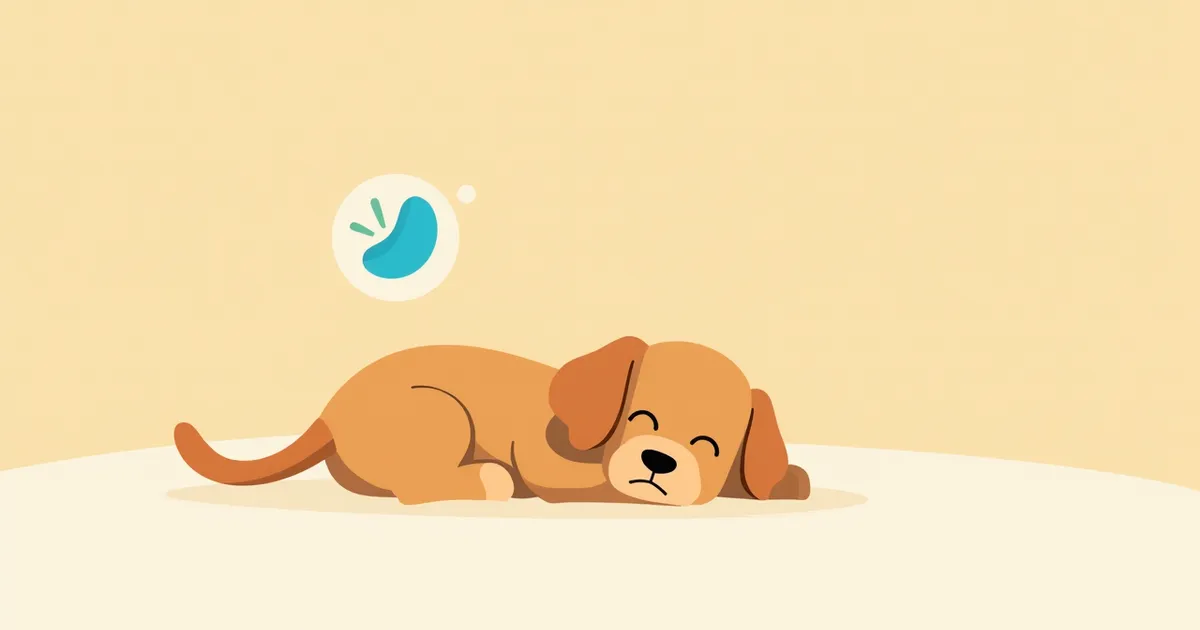
When a dog’s detoxification pathways become overwhelmed or liver cells are damaged, even medications that are normally safe can become toxic. Common causes of liver injury include acetaminophen, certain nonsteroidal anti-inflammatory drugs (such as carprofen), and some antibiotics like azithromycin and rifampin. Symptoms may include loss of appetite, vomiting, jaundice (yellowing of the eyes and gums), lethargy, and abdominal distension. If you notice jaundice or a sudden loss of appetite, seek veterinary care immediately. This is a high-urgency condition in which early detection significantly improves the chances of recovery.
Product image of Gansafer Pro liver protectant

Know This 2: What Are the Diagnosis and Treatment Options?
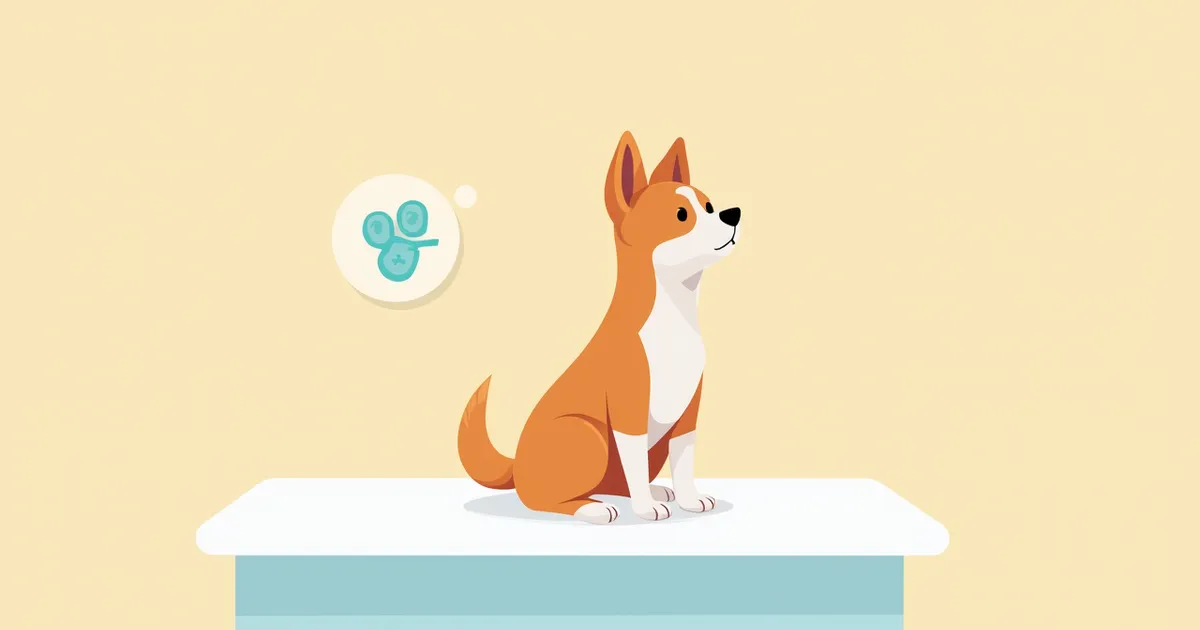
Diagnosis involves blood tests to check liver enzymes (such as ALT, ALP, and bilirubin) and an abdominal ultrasound to assess liver condition. If the causative agent is identified, the first step is to immediately stop exposure. Treatment includes fluid therapy to support liver blood flow and detoxification, along with veterinarian-prescribed liver protectants or antioxidant support as needed. Since specific antidotes may be available depending on the toxin, it is essential to inform your veterinarian about any suspected drugs or substances involved.
Liver Plus Capsules, a natural liver-protective supplement

Know This 3: Why Home Care and Veterinary Consultation Are Important

During the recovery period, it is essential to maintain the diet prescribed by your veterinarian and to monitor changes in liver function through regular blood tests. Adding supplements or herbal remedies without veterinary guidance can place additional stress on the liver. Choosing unverified "liver support supplements" found online can be risky, so always consult your veterinarian before deciding on any product. To prevent relapse, the most important preventive measure is to never give your dog human medications.
Administering liquid liver care supplement to a puppy

What Owners Should Know About Drug- or Toxin-Induced Liver Damage in Dogs

ItemKey Points
ConditionLiver cell damage and functional decline caused by drugs or toxins
CauseExposure to toxic substances such as acetaminophen, NSAIDs (e.g., carprofen), and certain antibiotics (azithromycin, rifampin)
DiagnosisEvaluated by the veterinarian with blood liver-value tests plus abdominal ultrasound
TreatmentFluid therapy, liver-protective prescriptions, and blocking the causative substance are the basics
CautionAvoid supplements on your own; regular blood tests and veterinary follow-up management are essential

This is not a table recommending specific products or clinics, but a reference for what to discuss with your veterinarian. Always make treatment and testing decisions together with your veterinarian through an examination.

Caution: If Your Dog Is Taking Medication, Always Consult Your Veterinarian

If your dog has been exposed to medications or toxins, blindly administering liver protectants can actually cause adverse side effects. In particular, when your dog is taking antibiotics, pain relievers, or chemotherapy drugs, there is a risk of ingredient interactions, so only use products prescribed by your veterinarian.

Usage Tips: Consistently Maintain Feeding Habits and Management Practices
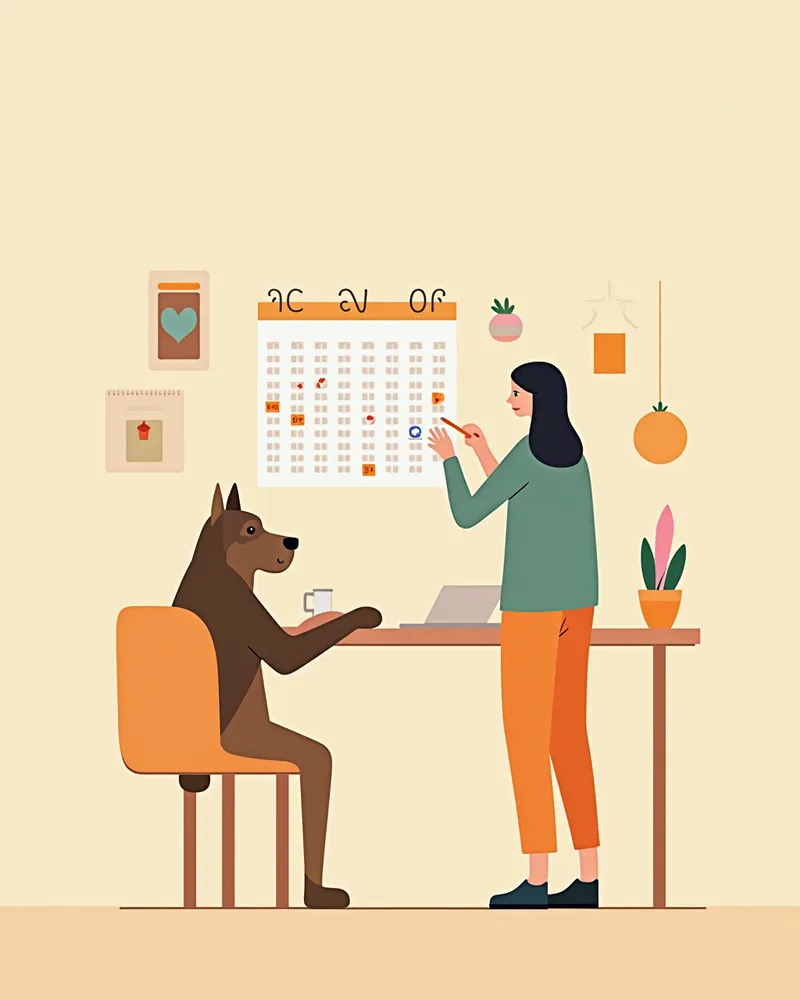
Managing liver damage in dogs caused by medications or toxins requires long-term care, not just short-term treatment. It is important to follow your veterinarian’s prescription consistently and undergo regular liver function tests. Additionally, keep a close eye on your dog’s eating habits and activity levels.
Establish a medication routine: Administer medication at the same time every day to build a consistent habit.
Monitor eating habits: Visit the clinic immediately if you notice any abnormal symptoms such as loss of appetite, vomiting, or lethargy.
Regular check-ups: Have liver function tests performed regularly according to the schedule set by your veterinarian.
Environmental management: Store toxic substances, such as chemical cleaners and plants, out of your dog’s reach.
Checklist of Tips for Using Liver Supplements for Dogs

Reviewed by a veterinarian

Dr. Tony — Punnawat Phongkittirak

Dr. Tony — Punnawat Phongkittirak

Veterinarian

A veterinarian who majored in veterinary medicine at Khon Kaen University, Thailand, and completed the IVSA program at North Carolina State University in the United States. Drawing on clinical experience at animal hospitals, he works in the pet healthcare field and is dedicated to building a digital care environment that connects pet parents with veterinarians.

Frequently Asked Questions

Can liver damage in dogs be fully cured?
It depends on the severity of the liver damage. In the early stages, recovery is possible, but severe cases require ongoing management.
Can I give my pet a liver protectant while they are on medication?
Products recommended by a veterinarian can be safely administered. However, self-prescribing is strictly prohibited.
When should I start giving my pet liver support supplements?
There is no conclusive evidence that administering liver protectants as a preventive measure is effective. Whether to use them as part of supportive therapy is determined by your veterinarian based on factors such as exposure to medications or toxins, or if abnormal liver values are detected.
Will taking a liver protectant reduce the effectiveness of other medications?
Because the ingredients may interact with each other, please consult your veterinarian before administering this product.
How many times a day should I give my pet a liver supplement?
It varies by product. Generally, it is recommended to administer once daily after meals.

Share

Related Guides

References

[1] Plumb's Veterinary Drug Handbook, 9th Edition, 2022

[2] Blackwell's Five-Minute Veterinary Consult Clinical Companion, Small Animal Toxicology, 3rd Edition, 2023

[3] Clinical Medicine of the Dog and Cat, 4th Edition, 2021

This information is based on veterinary literature and does not replace diagnosis or treatment. Please consult a veterinarian for specific health concerns.

Metapet Co., Ltd. | CEO: Park Sung-yong | Business Reg. No. 417-88-02562 | Seoul, South Korea | Customer Center

7 Signs of Drug- or Toxin-Induced Liver Damage in Dogs Vets Warn Of | Meongsiljang