
Like
Share
멍실장
강아지 간경변·섬유증 관리 추천 BEST와 고르는 기준 총정리

Top 7 Management Strategies for Canine Cirrhosis and Hepatic Fibrosis — A Complete Guide to Slowing Progression

Liver HealthTop PicksMeongsiljang Veterinary Advisory Board

Canine cirrhosis and hepatic fibrosis are chronic conditions that lead to impaired liver function, and proper management is key to improving both survival rates and quality of life. Nutritional support, medication, and lifestyle adjustments are essential.

Canine Cirrhosis and Hepatic Fibrosis Are Chronic Conditions Involving Liver Tissue Damage and Fibrosis

Microscopic image of fibrotic liver tissue seen in cirrhosis
Canine cirrhosis and hepatic fibrosis are chronic conditions in which repeated liver injury leads to the band-like accumulation of fibrous tissue, with regenerative nodules forming in between. As chronic hepatitis progresses, it can lead to bridging fibrosis, eventually resulting in cirrhosis. Because the liver has a large functional reserve, signs of dysfunction typically do not become apparent until more than 70% of functional hepatocytes are lost. Consequently, when damage becomes extensive and severe, it can progress to liver failure, significantly impairing overall bodily functions. Early detection, consistent management, dietary adjustments, and regular communication with your veterinarian are essential for maintaining your pet’s quality of life. To slow disease progression, it is crucial to identify and manage any underlying causes through consistent daily care.

The Key to Managing Canine Cirrhosis and Hepatic Fibrosis Is Regulating Nutrition, Medication, and Lifestyle Habits

Managing canine cirrhosis and hepatic fibrosis goes beyond simply administering medication; it requires a comprehensive approach that includes maintaining nutritional balance, minimizing the liver’s workload, and managing stress. In particular, the quality and quantity of protein must be adjusted according to the guidelines recommended by your veterinarian. Medications must be given strictly at the prescribed doses and times, and maintaining a consistent daily routine is also important. Collaboration with your veterinarian is essential to protect liver function. Consistent monitoring and adjustments are key to preventing the disease from worsening.
A scene where a veterinarian and a pet owner discuss a management plan for a dog with cirrhosis.

Top Management Strategy #1 for Canine Cirrhosis and Hepatic Fibrosis: Liver-Support Supplements

- Liver-support supplements: While ingredients like silymarin are commonly discussed as liver aids, the specific nutritional requirements for dogs with liver disease have not yet been clearly defined. Therefore, the type and dosage must always be determined in consultation with your veterinarian. - Copper management (for copper-accumulating liver disease): In breeds prone to copper accumulation, such as Bedlington Terriers, Doberman Pinschers, and Labrador Retrievers, reducing the copper burden with a low-copper, high-zinc diet and veterinarian-prescribed copper chelators can be helpful. - Protein management: If hepatic encephalopathy is not present, protein should not be excessively restricted. However, if encephalopathy is present, easily digestible plant-based or dairy proteins are often better tolerated than animal-based proteins. - Antioxidant support: While antioxidant supplements are discussed for reducing oxidative stress, their efficacy and dosage should not be determined arbitrarily; always follow your veterinarian’s guidance.
A bowl of dog food and a water dish placed alongside a liver-support supplement for dogs

Top Management Strategy #2 for Canine Cirrhosis and Hepatic Fibrosis: Specialized Diets That Reduce Liver Burden
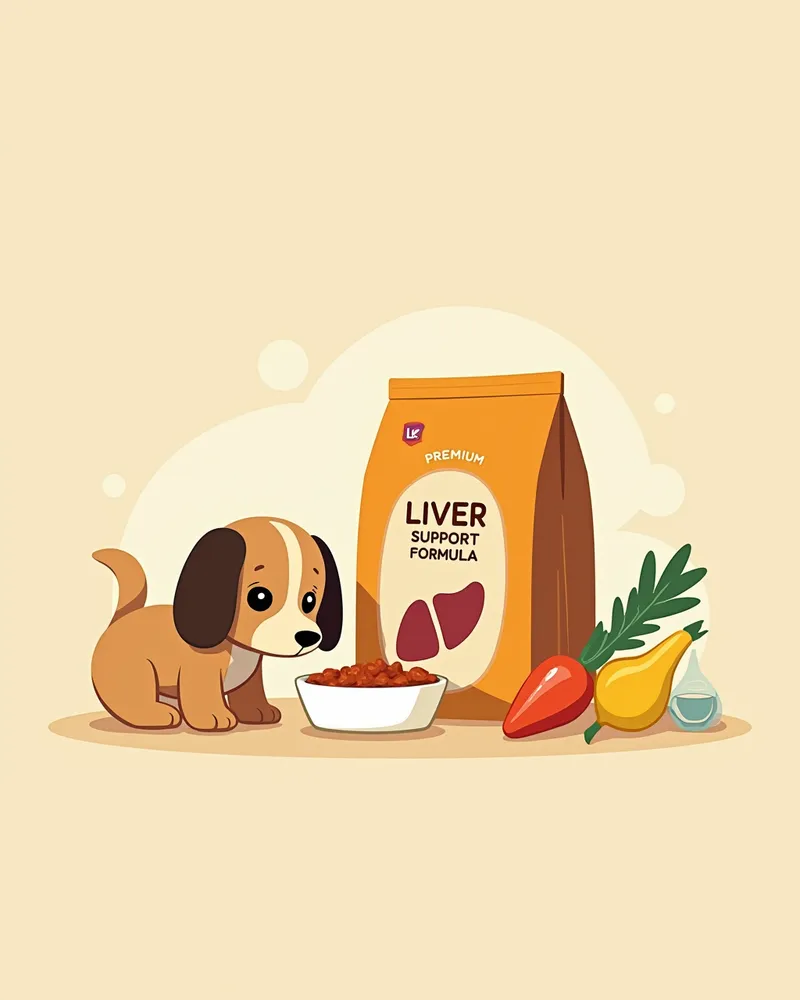
- High-quality, easily digestible protein: For dogs without hepatic encephalopathy, excessively restricting protein can be counterproductive, so providing an appropriate amount of high-quality protein is essential. In cases of hepatic encephalopathy, plant-based and dairy proteins are generally better tolerated than animal-based proteins. - Antioxidant inclusion: Antioxidants can help reduce oxidative stress, thereby easing the burden on the liver. - Copper and sodium management: If copper-accumulating liver disease is suspected, a low-copper, high-zinc diet is recommended. For dogs with ascites, dietary management should be combined with diuretics under veterinary supervision. - Consistent specialized diet: It is best to consistently maintain the diet recommended by your veterinarian. Frequent changes in food should be avoided to ensure stable and consistent dietary management.
A dog eating a special diet formulated for managing liver cirrhosis.

Top Management Strategy #3 for Canine Cirrhosis and Hepatic Fibrosis: Regular Check-ups and Monitoring

- Blood tests: These help detect early changes in liver enzyme levels, allowing for timely adjustments to the treatment plan. This is essential for monitoring liver function in real time. - Ultrasound examination: This provides a precise assessment of structural changes in the liver and the degree of fibrosis. Regular check-ups can help prevent complications. - Communication with your veterinarian: Based on the test results, your vet will adjust the treatment plan and review medication usage. To avoid missing early signs of worsening liver function, we recommend check-ups every 3 to 6 months.
A scene of regular check-ups for managing canine cirrhosis

Comparison of Top Strategies #1–3: Supplements, Diets, and Check-up Programs

ItemBEST 1 SupplementBEST 2 DietBEST 3 Checkup Program
Key IngredientsSilymarin, zinc (copper regulation), antioxidantsHigh-quality protein, antioxidants, low-copper/low-sodiumLiver enzyme test, ultrasound, blood test
Suitable BreedsAll breeds, including breeds at risk of copper accumulationAll breedsAll breeds
Main BenefitsLiver support, reduced oxidative stressReduced liver burden, maintained nutritional balanceEarly detection, adjustable treatment
Cost (per month)About $30About $20About $10

Costs are averages and may vary by veterinary clinic. Choose after consulting your veterinarian.

Caution: Acute Complications May Occur If Liver Function Deteriorates

When liver function is severely impaired, life-threatening complications such as hepatic encephalopathy, bleeding, and ascites can occur. If your pet suddenly becomes lethargic, vomits, appears disoriented, or develops abdominal distension, seek veterinary care immediately.

Tips for Managing Canine Cirrhosis and Hepatic Fibrosis: 5 Practices You Can Implement in Daily Life

- Regular check-ups: Monitor liver function with blood tests and ultrasounds every 3–6 months. - Proper dietary management: Consistently feed a veterinarian-recommended diet to reduce the burden on the liver. - Stress reduction: Minimize stress by providing a quiet environment and maintaining a consistent daily routine. - Medication adherence: Strictly follow the prescribed dosage and schedule without missing any doses. - Activity regulation: Avoid excessive exercise and maintain physical fitness with appropriate walks. Your consistent care and attention are the greatest support for your pet.
A scene showing daily care routines for managing canine cirrhosis

Reviewed by a veterinarian

Dr. Tony — Punnawat Phongkittirak

Dr. Tony — Punnawat Phongkittirak

Veterinarian

A veterinarian who majored in veterinary medicine at Khon Kaen University, Thailand, and completed the IVSA program at North Carolina State University in the United States. Drawing on clinical experience at animal hospitals, he works in the pet healthcare field and is dedicated to building a digital care environment that connects pet parents with veterinarians.

Frequently Asked Questions

Can canine cirrhosis be cured?
While a complete cure remains difficult at this time, identifying the underlying condition and managing it alongside appropriate supportive care can help stabilize symptoms and maintain your pet’s quality of life. Early detection and consistent management are key.
Can I give treats to a dog with liver cirrhosis?
Only give treats that are specifically recommended by your veterinarian for liver support. Regular treats often contain high levels of fat and salt, which can place an unnecessary burden on the liver.
Can dogs with cirrhosis go for walks?
Walking is fine, but avoid strenuous exercise and adjust to light walks based on your dog’s condition. Consult your veterinarian to determine the appropriate duration.
How should medication be administered to a dog with liver cirrhosis?
It’s important to follow the dosage and schedule prescribed by your veterinarian exactly. Do not stop or change the medication on your own, and always consult your vet if any adjustments are needed.
How should I feed a dog with liver cirrhosis?
Feed a veterinarian-recommended therapeutic diet, but avoid excessive protein restriction if hepatic encephalopathy is not present. Limit treats to liver-support products only, and maintain consistent meal times and portion sizes.

Share

Related Guides

References

[1] Hall-Fonte DL, Genter SA, McDonough SP et al. (2016) Hepatocutaneous syndrome in Shih Tzus: 31 cases (1996–2014). Journal of the American Veterinary Medical Association, 248(8), 802–813.

[2] Washabau RJ, Day MJ (2012) Canine and Feline Gastroenterology. Elsevier Saunders.

[3] Plumb's Veterinary Drug Handbook, 9th Edition. Wiley-Blackwell, 2022.

This information is based on veterinary literature and does not replace diagnosis or treatment. Please consult a veterinarian for specific health concerns.

Metapet Co., Ltd. | CEO: Park Sung-yong | Business Reg. No. 417-88-02562 | Seoul, South Korea | Customer Center

Canine Cirrhosis & Hepatic Fibrosis: 7 Ways to Slow Progression | Meongsiljang