Like
Share
멍실장
강아지 ALT·ALP 상승 원인 감별 관리 추천 BEST와 고르는 기준 총정리

Comprehensive Guide to Causes, Differential Diagnosis, and Management Recommendations for Elevated ALT and ALP in Dogs

Liver HealthTop PicksMeongsiljang Veterinary Advisory Board

Elevated ALT and ALP levels in dogs can be a sign of liver dysfunction. It’s important to accurately identify the underlying cause and provide appropriate care.

Elevated ALT and ALP in Dogs Are Important Signs of Liver Dysfunction

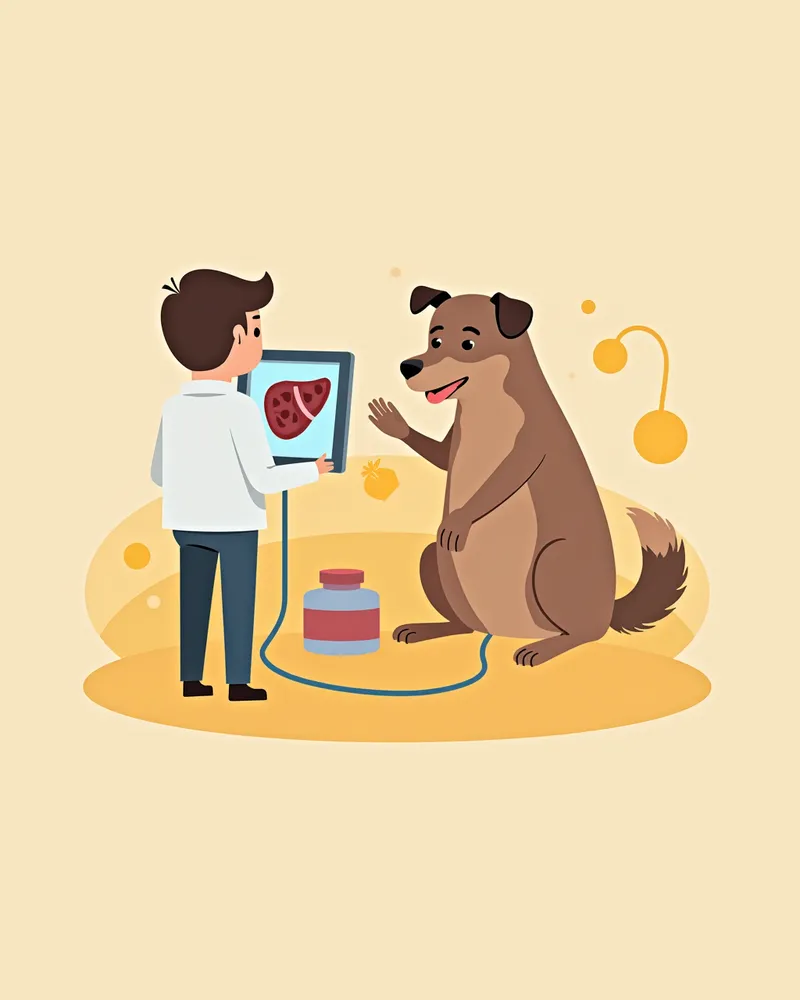
A veterinarian checking a dog for elevated liver enzyme levels
Elevated ALT and ALP levels in dogs can be important indicators of pathological processes such as hepatocyte damage or cholestasis. However, since these enzymes serve as markers reflecting the processes of "damage" or "biliary abnormalities" rather than specific diseases themselves, early detection and accurate identification of the underlying cause are key to effective treatment. ALT is generally recognized as a sensitive indicator of hepatocyte damage, while ALP is known to sensitively reflect cholestasis. In conditions like chronic hepatitis, where liver inflammation persists, hepatocytes may be lost and progress to fibrosis; therefore, it is advisable to consult a veterinarian if these levels rise. Recording details such as recent meals and medication use before your veterinary visit can assist in the diagnostic process.

Key Criteria for Accurately Identifying the Underlying Cause
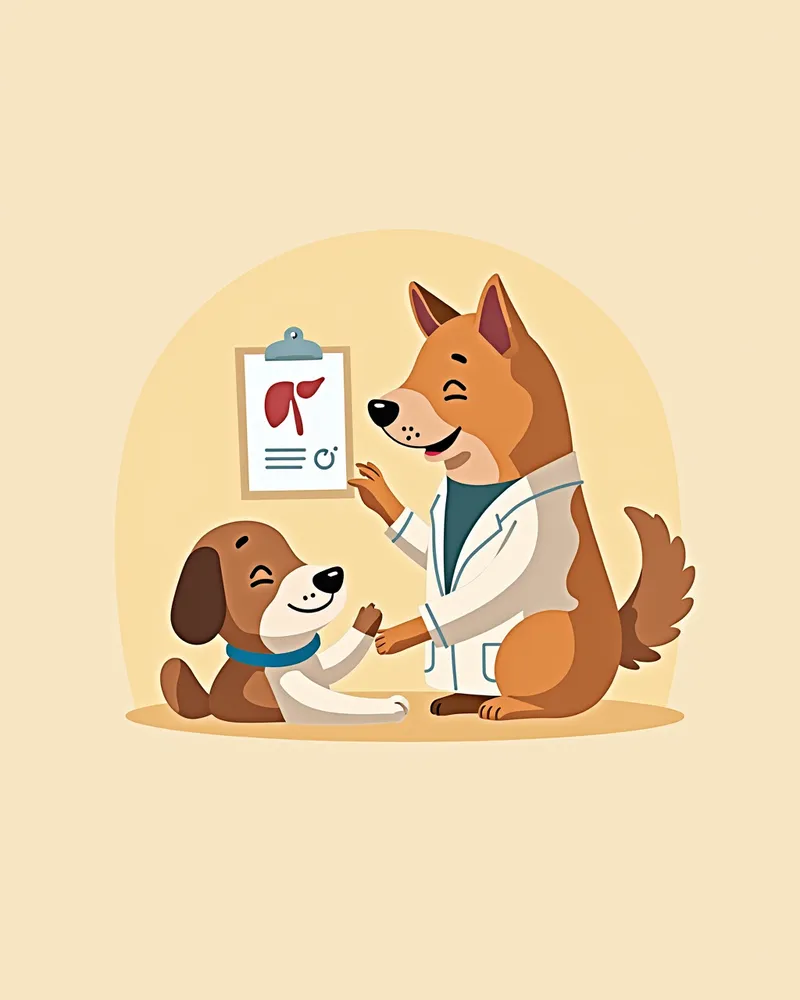
Elevated ALT and ALP levels can stem from various causes, including liver disease, biliary tract issues, medication side effects, and endocrine disorders. Your veterinarian will determine the underlying cause by comprehensively analyzing your pet’s environment, medical history, and additional test results. It’s essential to consider not just the numbers, but also clinical signs and lifestyle habits. This is especially true for senior dogs, who are more likely to have multiple concurrent conditions and thus require careful evaluation. Starting treatment without identifying the exact cause can sometimes worsen the condition. Therefore, a holistic assessment of your pet’s overall health is the most important step.
A veterinarian analyzing a puppy’s liver enzyme levels.

BEST 1: Liver Function Test-Specific Blood Test Panel
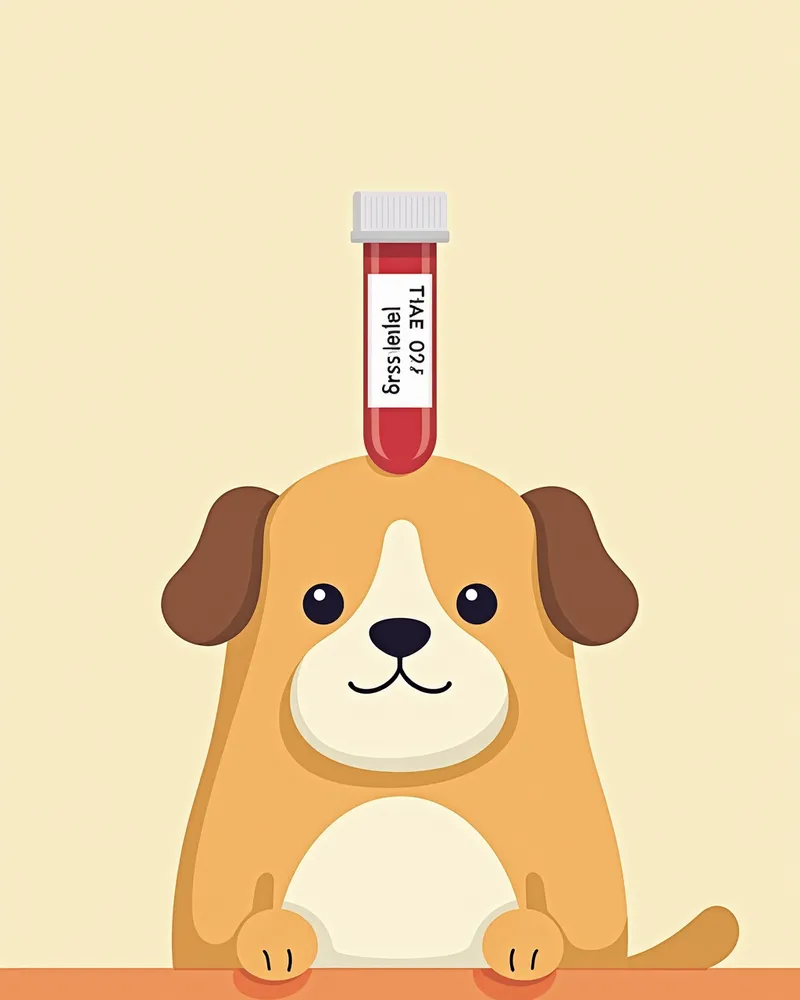
This test panel comprehensively measures liver enzymes such as ALT, ALP, GGT, and AST to help assess the extent and type of liver damage. It serves as the most effective initial step for early differential diagnosis of conditions like hepatomegaly, hepatitis, and biliary tract disorders. As a standard test recommended by veterinarians, it plays a key role in narrowing down potential causes. To ensure accurate results, please confirm whether fasting is required before the test and inform your veterinarian about any medications your pet is currently taking. This test is non-invasive and can be easily performed at most veterinary clinics.
Blood sample tube for liver function tests

BEST 2: Liver Ultrasound

After suspecting the cause through blood tests, an ultrasound is recommended to check for structural abnormalities in the liver. This allows for visual confirmation of conditions such as hepatomegaly, tumors, bile duct dilation, and vascular abnormalities. Ultrasound is non-invasive, causes minimal discomfort, and provides immediate results, thereby speeding up the diagnostic process. It is particularly effective for accurately identifying changes in liver mass and the location of lesions. The veterinarian can analyze the ultrasound images to make more specific inferences about the underlying cause. Additionally, it is useful for monitoring changes in the condition through regular follow-up examinations.
Ultrasound images of a dog's liver

BEST 3: Liver Biopsy (If Necessary)

When ultrasound alone cannot pinpoint the cause, a liver biopsy—taking a small tissue sample for pathological analysis—may be necessary. While it’s the most reliable method for an accurate diagnosis, it requires anesthesia and surgery, so potential risks must be carefully considered. A biopsy can precisely determine the type of hepatitis, whether a tumor is malignant, and the extent of fibrosis. Your veterinarian will assess your pet’s overall condition to decide if a biopsy is appropriate. Following the procedure, it’s crucial to closely follow post-biopsy care instructions and precautions to support a smooth recovery.
A veterinary pathologist analyzing a liver biopsy tissue sample.

Comparison of Testing Methods for BEST 1–3

ItemAccuracyCostBurden
Blood Test PackageMediumInexpensiveLow
Liver UltrasoundHighMediumMedium
Liver BiopsyVery highHighHigh

Accuracy refers to the likelihood of confirming the cause; burden includes anesthesia, pain, and recovery period

Caution: Elevated Liver Enzymes Require Immediate Veterinary Attention

Elevated ALT and ALP levels in dogs indicate a high likelihood of liver damage. This can be an emergency, especially if accompanied by loss of appetite, vomiting, or jaundice. Immediate veterinary attention is required.

Usage Tips and Management Points

After the examination, it’s essential to follow your veterinarian’s instructions for dietary management and medication. Avoid foods that put extra strain on the liver, such as fatty meats, organ meats, and fried foods. Regular exercise and stress management can support liver function recovery. Monitor any changes in your pet’s condition through regular check-ups. It’s also important to communicate with your veterinarian to adjust the treatment plan as needed. Healthy lifestyle habits are key to maintaining long-term liver health.
A puppy enjoying liver-supportive dog food.

Reviewed by a veterinarian

Dr. Tony — Punnawat Phongkittirak

Dr. Tony — Punnawat Phongkittirak

Veterinarian

A veterinarian who majored in veterinary medicine at Khon Kaen University, Thailand, and completed the IVSA program at North Carolina State University in the United States. Drawing on clinical experience at animal hospitals, he works in the pet healthcare field and is dedicated to building a digital care environment that connects pet parents with veterinarians.

Frequently Asked Questions

Is it okay if ALT and ALP levels are elevated even if there are no symptoms?
No. Liver damage or liver disease can progress even without symptoms. In fact, some dogs may appear healthy on the outside while their ALP levels continue to rise progressively. Early detection is crucial for effective treatment.
Can medications raise liver enzyme levels?
Yes. Certain medications, such as glucocorticoids (steroids) or anticonvulsants like phenobarbital, can elevate ALP or ALT levels. It is important to review any medications your pet is currently taking.
Can young puppies also have elevated ALT and ALP levels?
Yes. During the growth phase, ALP levels may temporarily and mildly increase due to the activity of osteoblasts (bone-forming cells) that produce bone-specific alkaline phosphatase (B-ALP). This can be normal, so a veterinarian should evaluate the situation.
Can elevated liver enzymes be treated?
Treatment is possible depending on the cause. For example, if the condition is drug-induced, it may resolve once the offending medication is discontinued.
Do I need to have it rechecked?
Regular follow-up tests are necessary as directed by your veterinarian. Liver enzyme levels can fluctuate over time, so these tests are essential for monitoring your pet’s condition and confirming the effectiveness of treatment.

Share

Related Guides

References

[1] Fundamentals of Veterinary Clinical Pathology, 3rd Edition, 2005

[2] Plumb's Veterinary Drug Handbook, 9th Edition, 2021

[3] Veterinary Internal Medicine: Diagnosis and Treatment, 8th Edition, 2020

This information is based on veterinary literature and does not replace diagnosis or treatment. Please consult a veterinarian for specific health concerns.

Metapet Co., Ltd. | CEO: Park Sung-yong | Business Reg. No. 417-88-02562 | Seoul, South Korea | Customer Center

Elevated ALT & ALP in Dogs: Causes, Diagnosis & Management Guide | Meongsiljang