Like
Share
멍실장
강아지 연간 구충 스케줄 관리 추천 BEST와 고르는 기준 총정리

The Ultimate Guide to Managing Your Dog’s Annual Deworming Schedule: Top Recommendations and Selection Criteria

Lifestyle & Age CareTop PicksMeongsiljang Veterinary Advisory Board

To keep your dog healthy, it’s important to systematically manage an annual deworming schedule. Choosing the right product and timing is key.

Managing Your Dog’s Annual Deworming Schedule Is the Foundation of Health
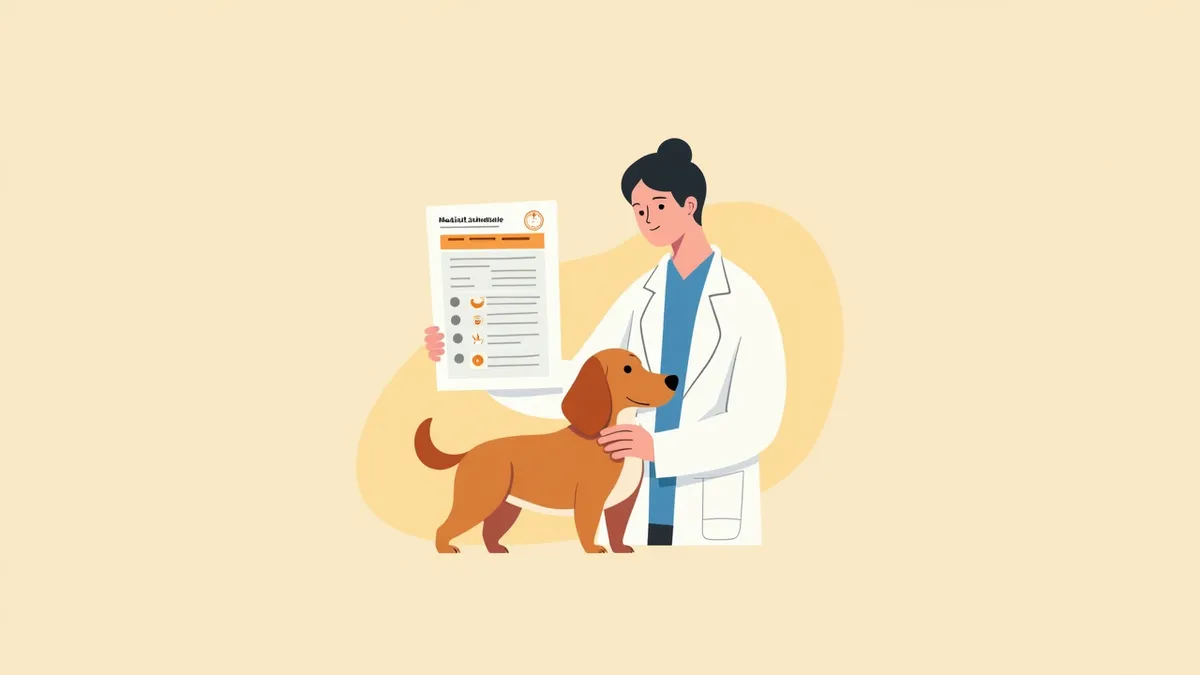
A veterinarian reviewing a puppy’s deworming schedule.
An annual deworming schedule is an essential preventive measure to safeguard your dog’s health. It plays a key role in protecting your dog from internal parasites (such as roundworms, hookworms, tapeworms, and whipworms) and external parasites (such as fleas and ticks). Without regular management, long-term health issues like diarrhea, weight loss, and nutritional deficiencies can arise. Tailored plans are especially important for puppies, senior dogs, and those who go outdoors frequently, taking into account their age, living environment, and risk of parasite exposure. The safest approach is to work with your veterinarian to create a schedule based on your dog’s weight, living conditions, and local parasite prevalence and exposure risks. Deworming is not just about prevention; it’s the first step in maintaining your dog’s overall health.

5 Key Criteria to Check When Choosing a Dewormer for Your Dog

When choosing a dewormer for your dog, it’s important to look beyond just effectiveness and carefully consider several key factors. - Spectrum of efficacy against parasites: Check whether the product targets internal or external parasites. Since each medication covers a different range of parasites, select one that matches your dog’s specific needs. - Administration method: Consider which form—such as tablets (pills or capsules), liquid, or topical spot-on—is most suitable for your dog. - Safety and side effects: Puppies and senior dogs can be more sensitive, so it’s essential to check for potential side effects. Certain breeds, such as Collies, may have different drug sensitivities, so extra caution is advised. - Ingredient and dosage appropriateness: It’s important to confirm that the dosage is accurate for your dog’s weight and that the active ingredients are appropriate for your pet. - Veterinary recommendation: Rather than administering dewormer monthly without fail, it’s most reliable to follow a veterinarian’s advice after diagnostic testing and risk assessment. - Cost-effectiveness: When considering long-term use, it’s also important to evaluate the product’s value in terms of cost versus efficacy.
Dog deworming tablets with various active ingredients

BEST 1: Protect Capsules (Simultaneous Prevention of Internal and External Parasites)
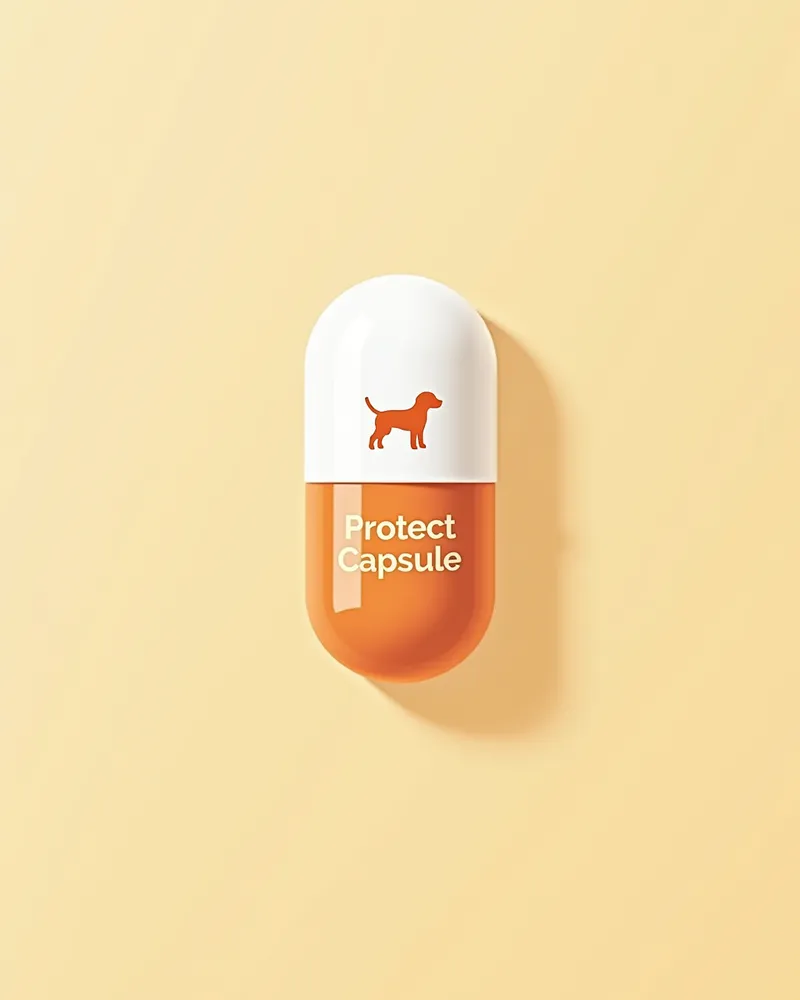
Protect Capsules are a combination dewormer effective against certain internal parasites (roundworms and hookworms) as well as external parasites (fleas and ticks). The onset and duration of its deworming effects may vary depending on the product label and your veterinarian’s recommendations. Dogs with frequent outdoor activity can expect reliable protection, and while side effects are uncommon, individual responses may vary. This product is easy to administer, so it’s best to give the correct dose based on your dog’s weight on a regular schedule. However, rather than administering it automatically every month, it’s safest to use it under your veterinarian’s guidance, based on test results and risk assessment.
Product image of Protect Capsules

BEST 2: Vetera Plus Liquid (Safe for Puppies and Senior Dogs)
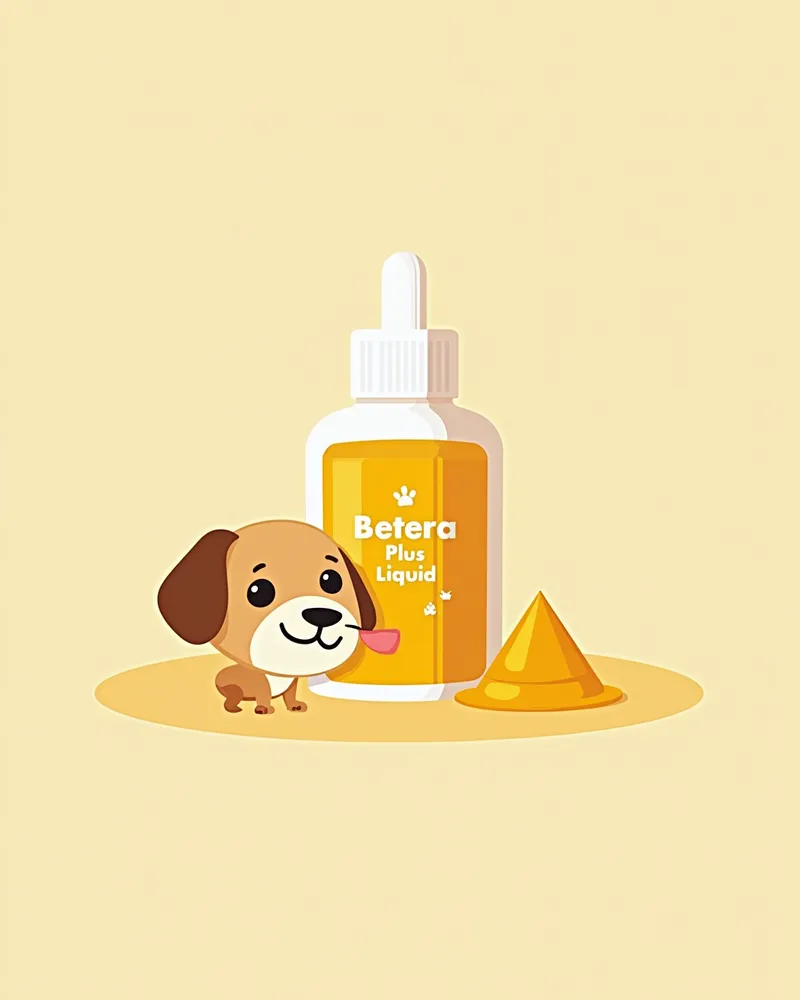
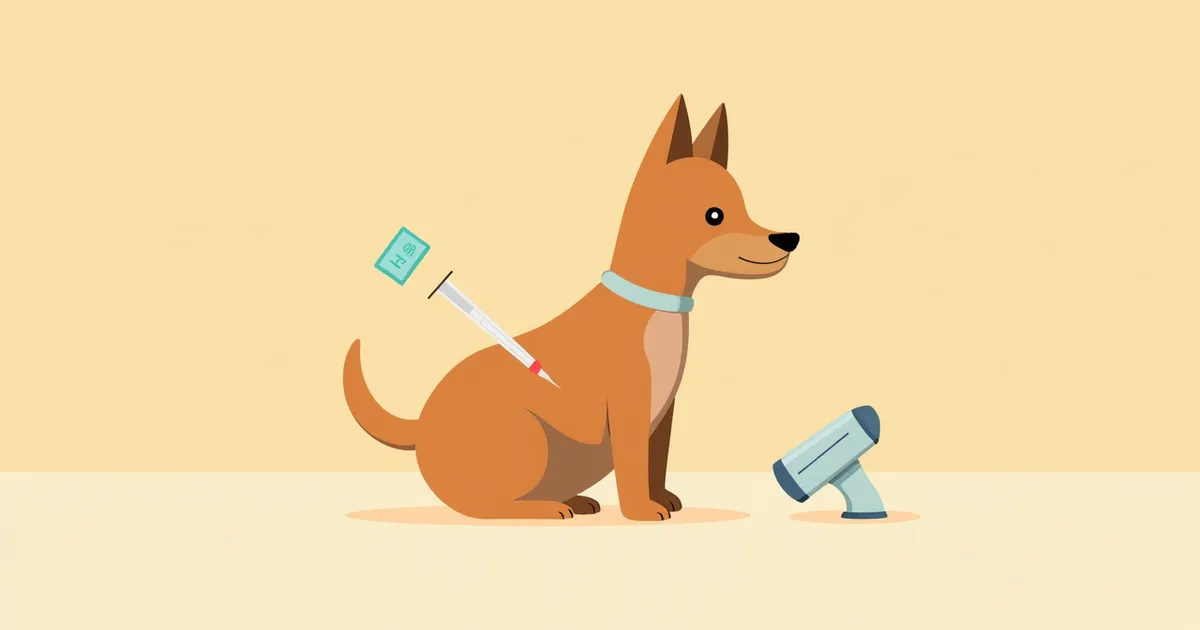
Vetera Plus Liquid is an oral solution administered by dropping the appropriate dose based on your dog’s weight. It is relatively gentle for puppies and senior dogs, and can be effectively used for dogs that refuse to take oral medications. It is especially suitable for long-haired breeds or cases where administration is challenging. The product helps prevent internal parasites and may also be effective against certain external parasites. The onset of action and duration of efficacy may vary depending on the product label and your veterinarian’s recommendations. For safety, always follow your veterinarian’s guidance. After administration, monitor your dog closely for a specified period and carefully manage fecal matter.
Vetera Plus liquid product and a scene of administering it to a dog

BEST 3: Capsule-free Tablets (Natural Ingredients, Minimized Side Effects)
Capsule-free tablets are dewormers formulated to minimize synthetic chemicals and include ingredients that support gut health, making them effective for preventing internal parasites. Some products contain probiotics to aid digestion, though this varies by formulation. For dogs with sensitive stomachs or known allergies, consult your veterinarian before use. Administer according to your dog’s weight, follow the recommended dosing schedule on the product label and your vet’s advice, and be aware that while side effects are rare, individual responses may vary. Even with long-term use, regular check-ups and veterinary supervision are recommended.
A capsule-free tablet product based on natural ingredients.

Comparison Table of Dewormers BEST 1–3

ItemParasite typeAdministration methodDuration of effect
Protect CapsuleInternal parasites (roundworms, hookworms), some external parasitesCapsule ingestionVaries per product label & veterinarian's recommendation
Vetera Plus LiquidMainly internal parasites, some external parasitesLiquid dropsVaries per product label & veterinarian's recommendation
Capsuleless TabletInternal parasitesTablet ingestionVaries per product label & veterinarian's recommendation

Administer all products at the dose recommended by your veterinarian according to body weight.

Caution: Overdosing on Deworming Medication Is Dangerous

Deworming medication should be administered at the correct dosage based on your pet’s body weight. Overdosing can cause side effects such as vomiting, diarrhea, and lethargy. Puppies and senior dogs are especially sensitive, so extra caution is needed. If you notice any adverse reactions within 24 hours of administration, consult your veterinarian immediately.

Tips for Using Deworming Medication and Practical Checkpoints

It’s best to administer deworming medication one hour after your dog has eaten. Giving it on an empty stomach can cause gastrointestinal irritation. For two hours after administration, limit your dog’s activity and allow them to rest in a quiet environment. Monitor your dog’s feces closely for 24 hours after dosing to check for expelled parasites. Deworming should be given regularly according to an annual schedule, so it’s helpful to mark the dates on a calendar to avoid missing any doses. Work with your veterinarian to establish a deworming schedule and adjust it as needed.
A calendar with the deworming schedule and a puppy

Reviewed by a veterinarian

Dr. Tony — Punnawat Phongkittirak

Dr. Tony — Punnawat Phongkittirak

Veterinarian

A veterinarian who majored in veterinary medicine at Khon Kaen University, Thailand, and completed the IVSA program at North Carolina State University in the United States. Drawing on clinical experience at animal hospitals, he works in the pet healthcare field and is dedicated to building a digital care environment that connects pet parents with veterinarians.

Frequently Asked Questions

Should I deworm my puppy every month?
The dosing schedule for deworming medication varies depending on the product’s active ingredients, duration of efficacy, your dog’s living environment, and level of exposure to risk. Some products are administered once a month, while others are given every two to three months. The appropriate interval should be determined based on your veterinarian’s assessment and the prevalence of parasites in your area. Rather than administering dewormer monthly without exception, it is advisable to conduct regular testing and risk assessments. Always check the product label and consult with your veterinarian.
What should I do if I see parasites in my pet’s stool after giving deworming medication?
It’s common to see parasites in your pet’s stool. Be sure to dispose of the feces promptly and wash your hands thoroughly. Additional doses are usually not necessary, but if the amount is large or symptoms persist, consult your veterinarian.
What should I do if my pet vomits after taking deworming medication?
Occasional vomiting may be a temporary reaction. However, if the vomiting becomes frequent or severe, contact your veterinarian immediately. It’s important to double-check the dosage, as side effects can occur with an overdose.
What should I do if my dog refuses to take deworming medication?
Liquid supplements can be mixed into your pet’s food or administered by dripping them directly. Capsules can also be hidden in food to make administration easier. It’s a good idea to consult with your veterinarian to adjust the method of administration or consider alternative product forms.
When should I start giving deworming medication?
The ideal time to begin deworming can vary depending on your puppy’s living environment and the level of exposure to parasites. Puppies are generally recommended to start regular deworming early on, with the exact timing determined through veterinary examination and assessment. For the safest approach, consult your veterinarian to determine the appropriate start date and deworming schedule.

Share

Related Guides

References

[1] American Veterinary Medical Association (AVMA). (2023). Guidelines for Canine Deworming and Parasite Prevention. Journal of the American Veterinary Medical Association, 262(5), 543–550.

[2] Plumb's Veterinary Drugs (15th ed.). (2022). Deworming Protocols for Dogs: Evidence-Based Recommendations. Wiley-Blackwell.

[3] World Small Animal Veterinary Association (WSAVA). (2021). WSAVA Guidelines for Parasite Control. WSAVA Global Congress Proceedings.

This information is based on veterinary literature and does not replace diagnosis or treatment. Please consult a veterinarian for specific health concerns.

Metapet Co., Ltd. | CEO: Park Sung-yong | Business Reg. No. 417-88-02562 | Seoul, South Korea | Customer Center

Best Annual Deworming Schedule for Dogs: How to Choose the Right Plan | Meongsiljang