Like
Share
멍실장
강아지 항문낭 관리 추천 BEST와 고르는 기준 총정리

The Best Anal Gland Care Recommendations for Dogs and Selection Criteria: A Complete Guide

Lifestyle & Age CareTop PicksMeongsiljang Veterinary Advisory Board

Your dog’s anal glands require regular care. Choosing the right management methods and products can help prevent pain and infection.

Regular Care Is Essential for Your Dog’s Anal Glands
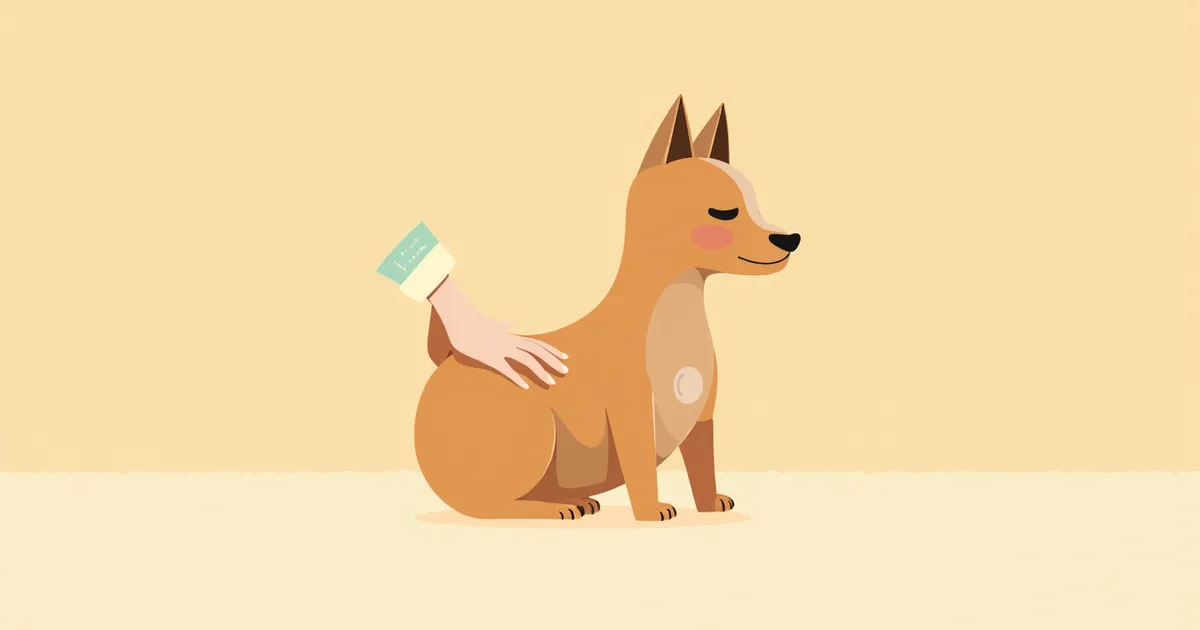
Regularly caring for your dog's anal gland area
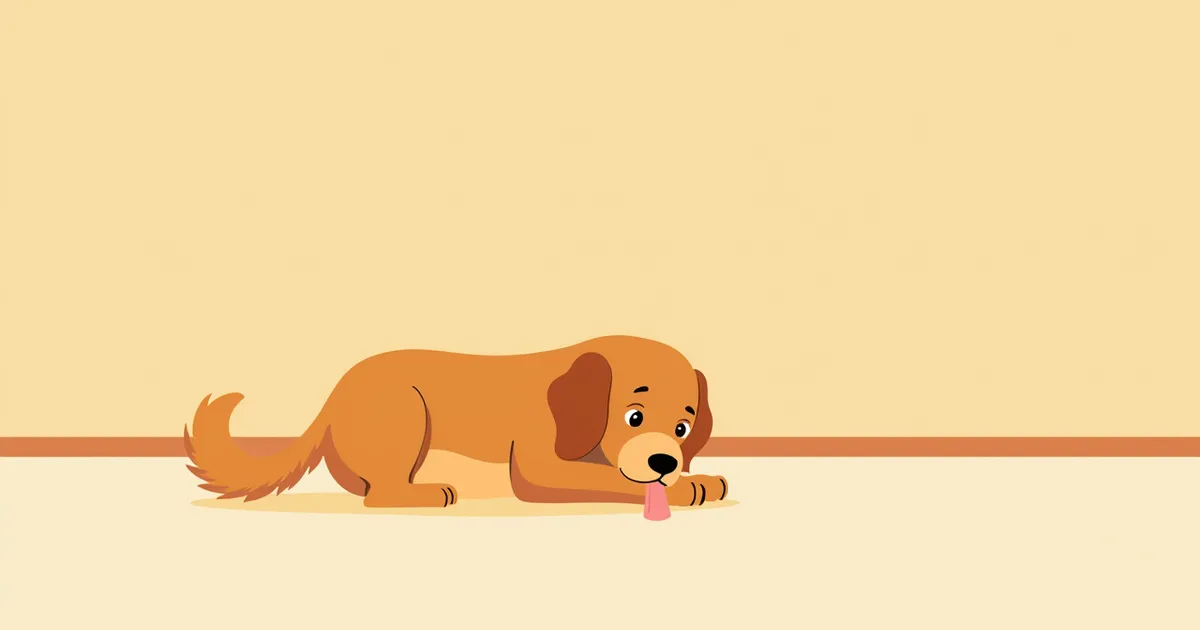
Your dog’s anal glands require regular care. These glands release a secretion during defecation, which helps dogs mark their territory and identify themselves through scent. The consistency of this secretion can vary depending on gastrointestinal health, and it may be influenced by the quality and firmness of the stool. In particular, soft stools can prevent the secretions from being expelled properly. When the secretions fail to drain normally and accumulate, the anal glands can become swollen and painful, potentially leading to inflammation (anal sacculitis) or infection. Anal gland disorders are more common in dogs than in cats, so neglecting timely care can cause pain and should be taken seriously. Management should be tailored to each dog’s individual health status under a veterinarian’s guidance. Neglect or improper care can lead to abscesses or chronic inflammation, making it essential to learn the correct care techniques. Consulting with your veterinarian is also highly recommended.

Criteria to Consider When Choosing an Anal Gland Care Method
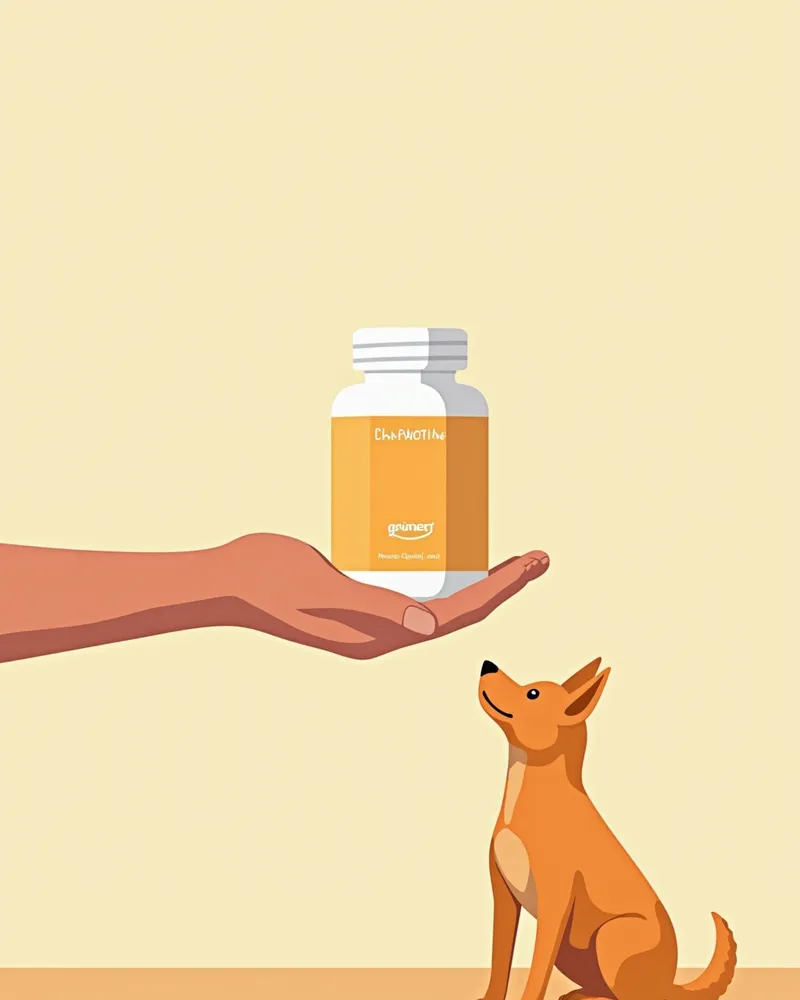
When choosing a method for anal gland care, safety and convenience should be your top priorities. It’s important to select gentle, low-irritation products that minimize stress for your dog. Look for items that are easy to use at home and simple to clean and store. Natural ingredients and the absence of synthetic additives are also key considerations. The core principle is to choose a method that you can sustain long-term, taking your dog’s care routine into account. For expression tools, we recommend those with soft tips and adjustable pressure. Consulting with your veterinarian before making a decision is always a good practice.
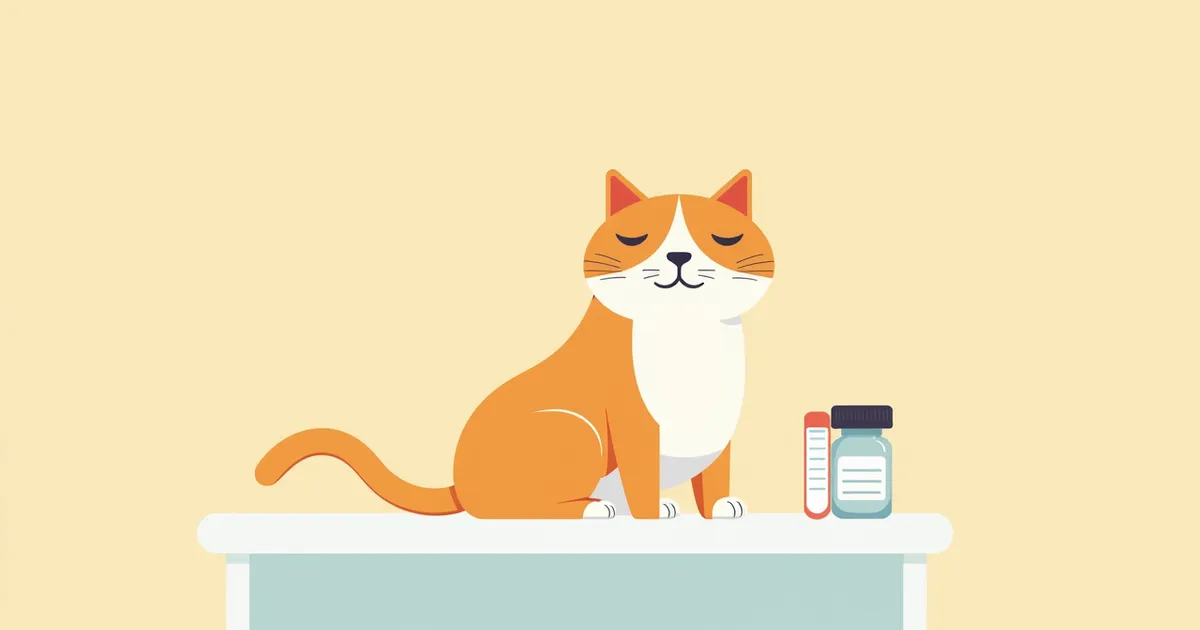
Holding a supplement for managing a dog's anal glands in hand

BEST 1: Natural Ingredient-Based Anal Gland Care Supplement
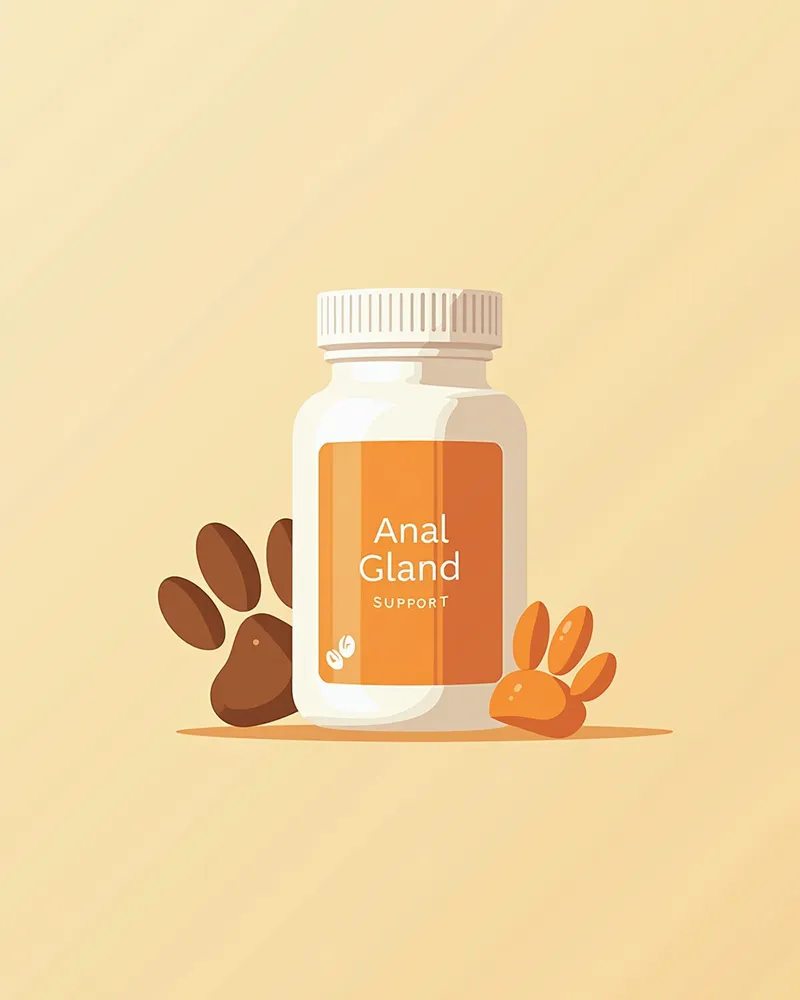
BEST 1 is a supplement designed to support anal gland health by promoting better digestive function. Its high-fiber ingredients can help improve stool consistency and facilitate the natural flow of anal gland secretions. It’s important to choose products that use ingredients which support a healthy gut environment and minimize stress on the digestive system. While long-term use may help prevent anal gland issues, results can vary significantly from dog to dog, and no supplement can guarantee effectiveness. Made with gentle, natural ingredients, it’s suitable even for sensitive dogs, but it’s always safest to consult your veterinarian before starting any new supplement. When selecting a product, carefully check the source and quality of the ingredients.
Natural ingredient anal gland supplement product

BEST 2: Anal Gland Expression Tool Set
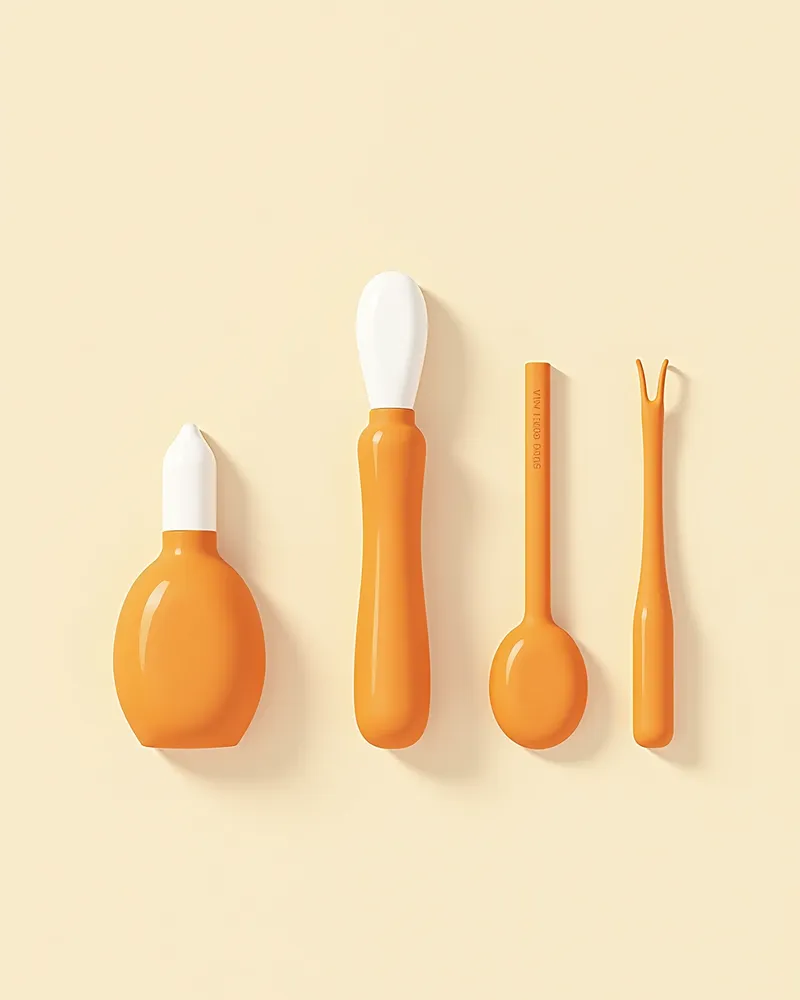
The BEST 2 is a tool set designed for anal gland expression. Its soft tips and appropriate pressure protect your dog’s sensitive area. Designed to minimize pain during expression and allow for precise application, it’s easy to use, making it accessible even for beginners. It’s also easy to clean, which helps maintain hygiene. The set includes a cleaning brush and a disinfecting spray for convenient hygiene management. However, pressure adjustment is not a clinically essential feature and can be considered a less critical factor. Regular use alongside proper hygiene care enhances its effectiveness.
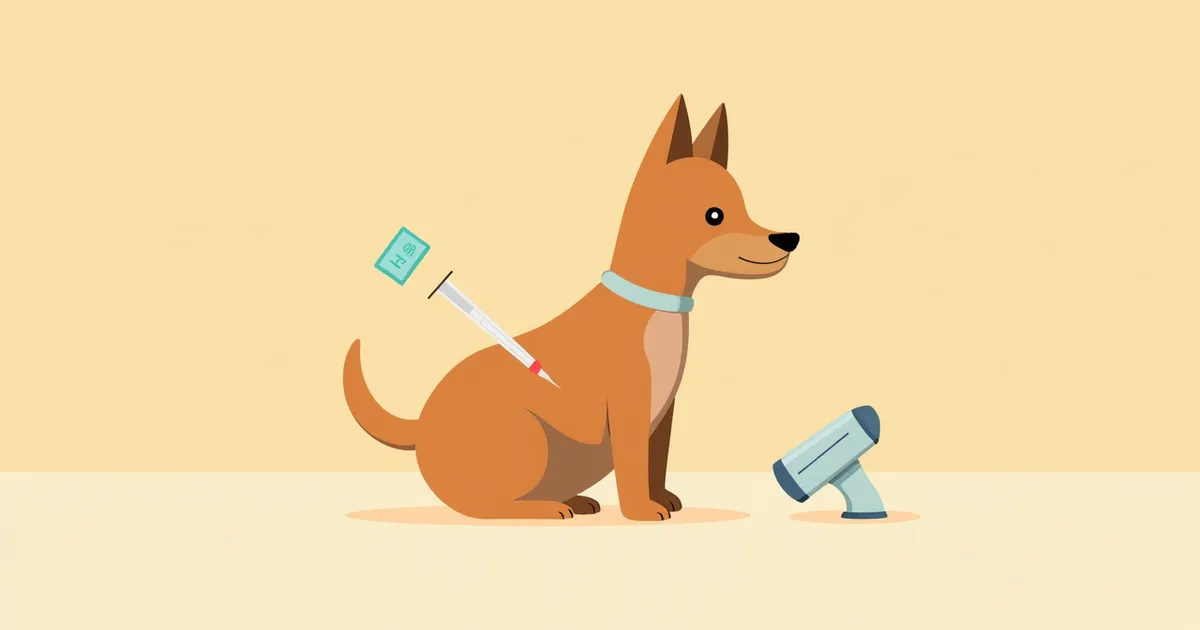
Home Anal Gland Expression Tool Kit

BEST 3: Specialized Diet for Anal Gland Care
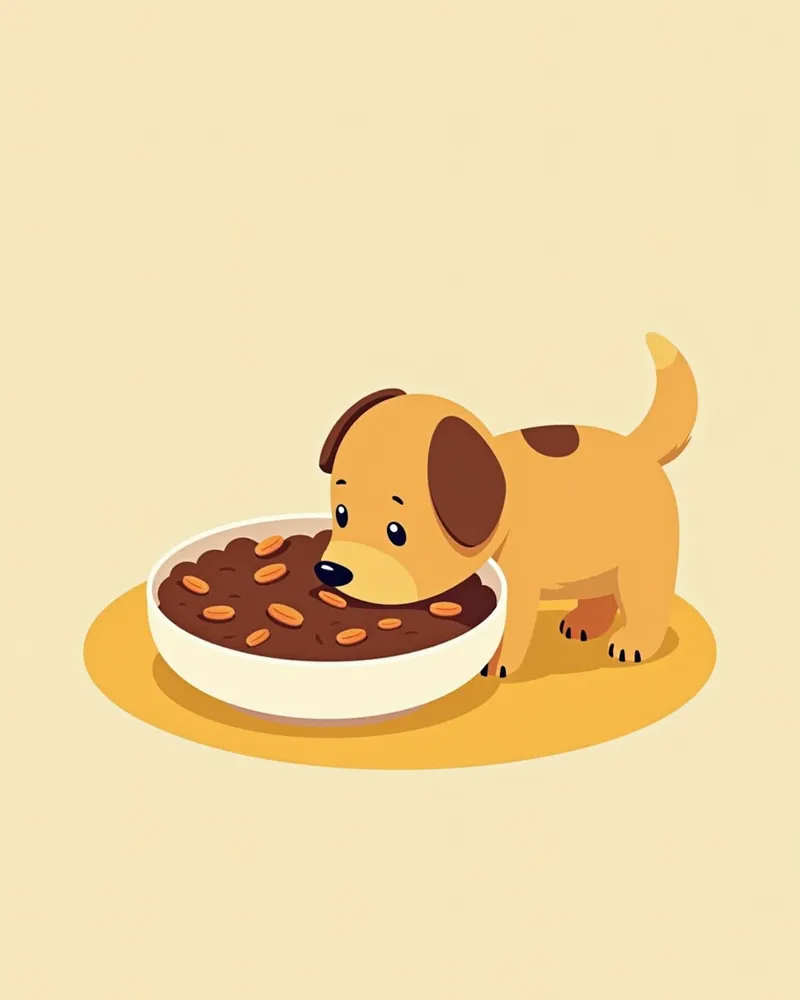
BEST 3 is a specialized diet formulated with anal gland health in mind. Its high fiber content can help improve stool quality, and firmer, more consistent stools may facilitate the natural expression of anal gland secretions. The formula uses highly digestible ingredients to support intestinal health and maintain optimal stool consistency, avoiding both loose and hard stools. However, it is important to note that a high-fiber diet does not guarantee the prevention of anal gland issues in all dogs, as individual responses can vary significantly. Carefully review the ingredient list and choose a product suited to your dog’s body type and activity level. Prioritizing veterinarian-recommended products is also a wise approach. If your dog experiences recurring stool issues, consult your veterinarian before making any dietary changes.
Special dog food for anal gland management

Comparison Table of BEST 1–3 Anal Gland Care Products

ItemNatural ingredient supplementExtraction tool setSpecial diet food
Main ingredientsFiber, probiotics, gut health support ingredientsSilicone tip, non-pressure-adjustable toolHigh fiber, easily digestible ingredients
Usage frequencyLong-term feeding, adjusted according to individual response1–2 times per week per the veterinarian's instructions depending on symptoms, or more often as neededLong-term feeding
AdvantagesMay help improve gut health, low irritationAllows precise-location extraction, easy to maintain hygieneHelps improve stool condition through dietary control (effect varies by individual)
DisadvantagesEffects vary greatly by individual, no guaranteed effectMay cause pain if used incorrectlyMay not suit the taste

For each product, consult your veterinarian about proper use according to your dog's weight and health condition.

Precautions for Anal Gland Care

Frequent, unnecessary expression of the anal sacs is not recommended, as the appropriate interval varies depending on each dog’s individual condition. If your dog has poor stool quality or recurring sac impaction, expression may be needed once a week, and in some cases, weekly sessions may be required for three to four weeks. If you notice pain, bleeding, or swelling around the anus, seek veterinary care immediately. Improper expression can lead to irritation, tissue damage, infection, or abscesses, so it is safest to have your veterinarian guide you through the process the first time.

5 Tips for Anal Gland Care

To effectively manage your dog’s anal glands, follow these tips. First, monitor the quality of their stool for any changes. Second, check the fiber content in their diet and adjust it as needed. Third, apply gentle pressure when expressing the glands. Fourth, closely observe your dog’s reaction after the procedure. Fifth, consult with your veterinarian regularly. Stick to a consistent expression schedule and avoid doing it too frequently. Always wash your hands before and after handling, and be sure to disinfect any tools used. If you notice any changes in your dog’s behavior, consider visiting the clinic immediately. Healthy management habits contribute to long-term well-being.
Checklist of Tips for Anal Gland Care

Reviewed by a veterinarian

Dr. Tony — Punnawat Phongkittirak

Dr. Tony — Punnawat Phongkittirak

Veterinarian

A veterinarian who majored in veterinary medicine at Khon Kaen University, Thailand, and completed the IVSA program at North Carolina State University in the United States. Drawing on clinical experience at animal hospitals, he works in the pet healthcare field and is dedicated to building a digital care environment that connects pet parents with veterinarians.

Frequently Asked Questions

How often should anal gland care be performed?
The frequency of anal gland expression should be determined by your veterinarian based on your dog’s individual condition. It is typically performed only when necessary; however, if your dog has poor stool consistency or experiences recurrent buildup of secretions, weekly expression may be needed for three to four weeks. Overly frequent expression of healthy anal glands is not recommended, so please consult your veterinarian to establish the appropriate schedule.
Can I squeeze it out at home?
While there are home-use tools available, it's safer to have your veterinarian guide you at first. Improper use can lead to infections.
Do anal gland management diets actually work?
High-fiber diets can help improve stool quality and facilitate the expulsion of anal sac secretions. However, the effectiveness of a high-fiber diet varies significantly among individual dogs and is not guaranteed for every dog. If your dog continues to have poor stool consistency, consult your veterinarian about dietary changes.
What should I do if my pet’s anal glands rupture?
You should go to the vet right away. Quick treatment is necessary to prevent infection or abscess formation.
What should I do if my dog reacts during anal gland care?
If your dog shows signs of anxiety or pain, stop immediately and consult your veterinarian. It’s important to respect your dog’s reactions.

Share

Related Guides

References

[1] BSAVA Manual of Canine and Feline Dermatology, 4th Ed, 2020

[2] The Veterinary Workbook of Small Animal Clinical Cases, Case 26, 2018

[3] Clinical Medicine of the Dog and Cat, 4th Ed, 2021

This information is based on veterinary literature and does not replace diagnosis or treatment. Please consult a veterinarian for specific health concerns.

Metapet Co., Ltd. | CEO: Park Sung-yong | Business Reg. No. 417-88-02562 | Seoul, South Korea | Customer Center

Best Anal Gland Care for Dogs: Top Recommendations and How to Choose | Meongsiljang