
Like
Share
멍실장
강아지 눈먼 개·고양이 관리 관리 추천 BEST와 고르는 기준 총정리

7 Essential Daily Care Tips for Happy Blind Dogs and Cats

Eye HealthTop PicksMeongsiljang Veterinary Advisory Board

Here’s a guide to selecting the best care methods and products for dogs and cats with vision loss, along with tips for adjusting their living environment and how owners can best support them.

Understanding and Environmental Adjustment Are Key to Caring for Blind Dogs and Cats

A blind dog navigating its familiar surroundings using scent and sound.
Dogs or cats with vision loss may experience issues with light reaching the retina or the transmission of visual information to the brain, leading to blindness. Various factors can contribute to this, including cataracts, glaucoma, retinal diseases, optic nerve disorders, and central nervous system conditions. Therefore, if vision loss is suspected, it is crucial to first consult a veterinarian for a comprehensive ophthalmic examination to determine the underlying cause. In daily care, the owner's understanding and consistent environmental adjustments play a significant role. Maintaining fixed positions for objects, aiding spatial awareness through sensory stimuli like sound and smell, and installing non-slip flooring are effective strategies. Since animals perceive the world through multiple senses, including smell and hearing, enriching their environment with familiar sounds, scents, and surfaces helps them explore and feel secure. In particular, keeping daily movement paths consistent aids in helping them remember their way around, while establishing habits of verbal communication or hand signals from the owner can enhance emotional stability. Adapting to life with vision loss in this manner can significantly improve the animal's quality of life.

5 Key Criteria for Choosing Care Products for Blind Dogs and Cats

Choosing the right product for a pet with vision impairment involves considering several factors, including owner convenience, pet safety, and ease of use. Be sure to review the following guidelines.
Stable mobility aids: Look for products with non-slip materials that help your pet maintain a secure footing.
Sound-based orientation devices: Products that emit warning tones or clicking sounds can help your pet navigate and locate objects.
Scent-based navigation tools: Aromatherapy products featuring familiar scents can effectively help your pet recognize their surroundings.
Consistent environment: Keep furniture arrangements unchanged to help your pet feel secure and confident.
Simple operation: Choose designs that are easy for owners to clean and replace.
A puppy wearing a non-slip Hurricane vest with a small paper tag attached, walking on a textured floor.

BEST 1: Safe Walking Aid (Hurricane Ease Non-Slip Harness)
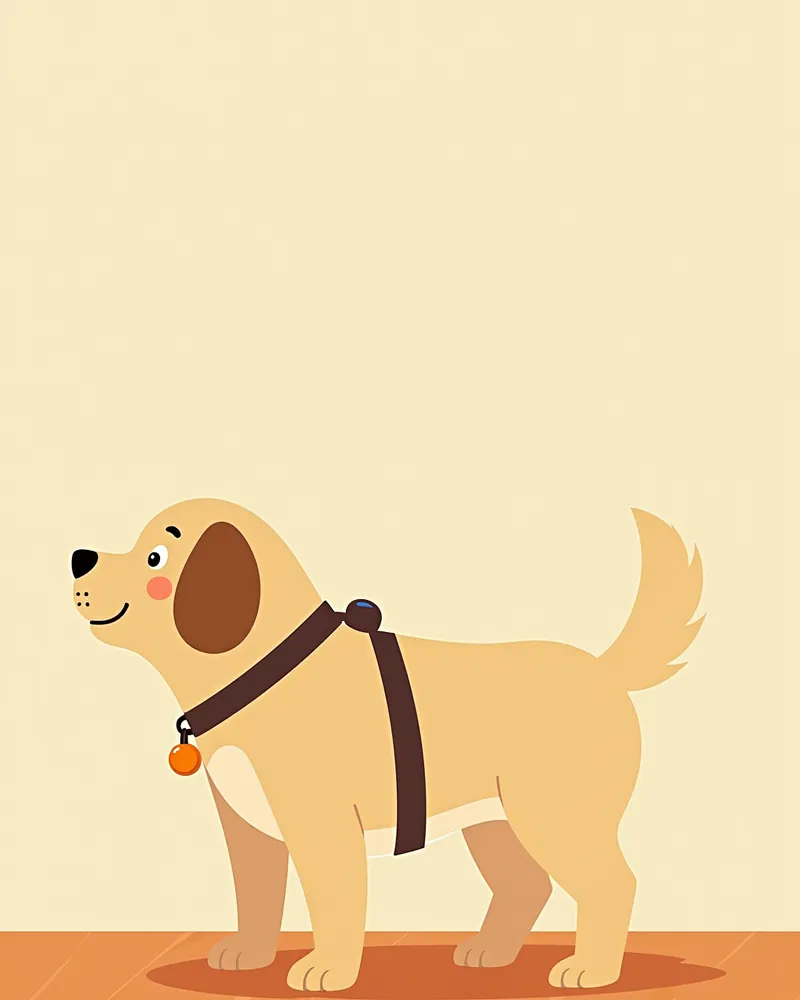
This product is made with a non-slip material to help your dog walk securely on the floor. Stable Walking Aid: It reduces anxiety and effectively minimizes the risk of falls when your dog moves around indoors. A small tag attached to the back of the Hurricane Ease allows you to easily check its position. Lightweight and comfortable, it can be worn all day without any burden. It performs exceptionally well on stairs and glass floors, supporting safe movement. This essential item ensures both your pet's independence and safety.
A puppy wearing a non-slip Hurricane vest and walking on a hardwood floor.

BEST 2: Sound-Based Location Alert (Sound Warning Pendant)

This device automatically emits an alert sound when your dog moves too far away from you. Sound-Based Location Alert: You can adjust the pitch and frequency to suit your dog’s hearing, making it easy for them to locate you and reducing anxiety during sudden movements. It’s rechargeable for long-lasting use and waterproof, so it’s safe for both indoor and outdoor use. This practical tool is especially helpful for tracking your pet indoors or ensuring their safety during walks, providing peace of mind for both you and your furry friend.
A sound-warning pendant hanging around a puppy’s neck glows softly in a dimly lit room.

BEST 3: Scent-Based Navigation Aid (Scent Navigation Stick)

This product helps dogs recognize their surroundings through familiar scents. Scent-Based Navigation Aid: By placing the scent stick in a specific area, your dog can follow the aroma to navigate. It’s especially effective for helping them remember key spots like their feeding or potty areas. Made with safe, natural ingredients, it’s reusable and allows you to adjust the scent intensity to suit your pet’s individual response. This practical tool enriches the daily lives of visually impaired pets.
A natural scent stick placed near your dog’s food bowl

Comparison Table for Products BEST 1–3: Function, Price, and Ease of Use

ItemKey FeaturesPrice (KRW)Ease of Use
BEST 1: Anti-Slip Waist CageAnti-slip, stable walking18,000High
BEST 2: Sound Alert PendantLocation notification, warning sound25,000Medium
BEST 3: Scent Navigation StickSmell-based navigation, place memory12,000High

Prices are based on average consumer prices as of 2024. Ease of use was evaluated comprehensively based on cleaning, replacement, and comfort of wear.

Caution: Elements to Absolutely Avoid When Selecting Products

When selecting care products for blind dogs and cats, avoid items that are too heavy or uncomfortable to wear. Strong odors or artificial fragrances can also overstimulate your pet’s sensitive senses. Look for products that are easy for you to handle, and steer clear of those that are difficult to clean or have a short lifespan.

5 Tips for Caring for Blind Dogs and Cats
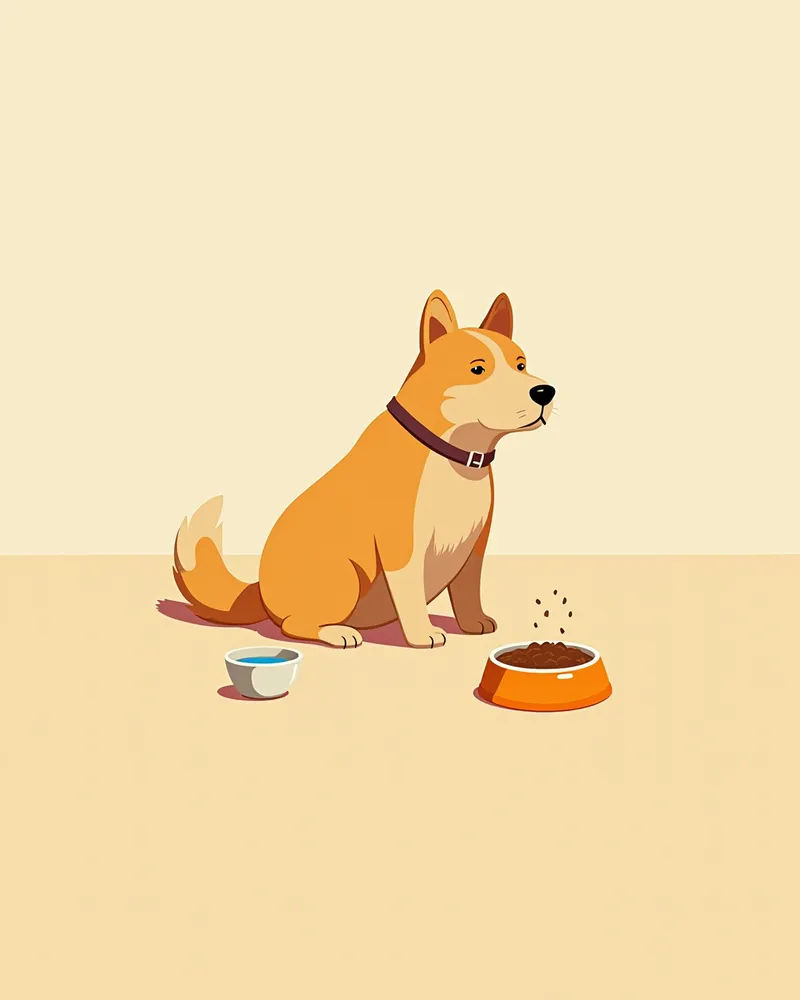
Living with a visually impaired pet can be made easier with a few simple tips. Small changes in your daily habits can significantly enhance your pet’s sense of security.
Guide with consistent sounds: Develop the habit of always using the same verbal cue or ringing a bell whenever you enter the room.
Keep furniture arrangements fixed: Avoid frequently rearranging furniture so your pet can maintain familiarity with their environment.
Keep food and water locations consistent: Always place meals and water bowls in the same spot.
Leave scent markers in used areas: Help your dog recognize spaces by allowing familiar scents to remain.
Choose user-friendly products: Opt for items that are easy for you to clean and replace.
A puppy sitting comfortably in a familiar environment

Reviewed by a veterinarian

Dr. Tony — Punnawat Phongkittirak

Dr. Tony — Punnawat Phongkittirak

Veterinarian

A veterinarian who majored in veterinary medicine at Khon Kaen University, Thailand, and completed the IVSA program at North Carolina State University in the United States. Drawing on clinical experience at animal hospitals, he works in the pet healthcare field and is dedicated to building a digital care environment that connects pet parents with veterinarians.

Frequently Asked Questions

Why might a blind dog suddenly start barking?
Because they rely heavily on their vision, they may become anxious when they can’t locate you or understand their surroundings. Getting into the habit of guiding them with your voice can be very helpful. However, if their vision has deteriorated suddenly, it could indicate an emergency such as acute blindness, so please seek veterinary care promptly.
How should I feed a blind dog?
Keep your pet’s feeding area in the same spot, and gently guide them there with a consistent sound each time you enter. Since smell plays a key role in how they perceive their environment, helping them recognize the location by scent can also be beneficial.
Why can’t a blind puppy go to the bathroom?
When the environment changes, familiar cues disappear, making it harder for your pet to find the right place to relieve itself. Keeping the litter box or potty area in a consistent location and leaving behind familiar scent markers can help guide them.
Can blind dogs be trained?
Yes, training that utilizes sensory inputs like sound and smell is certainly possible. Consistent practice and positive reinforcement are key.
Can a blind dog go outside?
It’s possible as long as the guardian accompanies the pet in a safe environment. Using familiar routes and sound cues can help make walks more stable and reassuring.

Share

Related Guides

References

[1] Esson DW, Calvaresi S. Clinical Atlas of Canine and Feline Ophthalmic Disease, 2nd Ed. Wiley, 2022.

[2] Gelatt KN, Samuelson DA. Congenital cataracts and microphthalmia in Miniature Schnauzers. J Am Vet Med Assoc, 1989.

[3] Glaze MB. Congenital and hereditary ocular abnormalities in cats. Clin Tech Small Anim Pract, 2005.

This information is based on veterinary literature and does not replace diagnosis or treatment. Please consult a veterinarian for specific health concerns.

Metapet Co., Ltd. | CEO: Park Sung-yong | Business Reg. No. 417-88-02562 | Seoul, South Korea | Customer Center

7 Daily Care Tips for Happy Blind Dogs and Cats | Meongsiljang