Like
Share
멍실장
강아지 당뇨 합병증(신경병증·백내장) 관리 추천 BEST와 고르는 기준 총정리

The Best Products and Selection Criteria for Managing Canine Diabetes Complications (Neuropathy and Cataracts)

EndocrineTop PicksMeongsiljang Veterinary Advisory Board

As your dog’s diabetes progresses, complications such as neuropathy and cataracts can develop. Choosing the right management products and methods is essential.

The Best Products and Selection Criteria for Managing Canine Diabetes Complications (Neuropathy and Cataracts)

Recommended products for managing diabetes complications in dogs
Among the complications of diabetes in dogs, neuropathy can lead to degenerative changes in the nerves if blood sugar is not well controlled, resulting in unstable gait and reduced coordination. Additionally, persistent hyperglycemia can cause cataracts in the lens, leading to vision loss, making early management crucial. - The foundation of management is blood sugar control: The key to slowing the progression of complications is not supplements, but insulin therapy, a low-glycemic-index diet (carbohydrates that are slowly absorbed), and regular blood glucose monitoring. Porcine insulin is primarily recommended for dogs. - Refer to an ophthalmologist for cataracts: If cataracts are suspected, it is advisable to have them evaluated by a veterinary ophthalmologist. The vision-improving effects of ingredients like lutein and zeaxanthin are not supported by veterinary textbooks, so consider such products only as supplementary and always consult your veterinarian to ensure safety and ease of administration. Proper blood sugar management can help slow the progression of complications.

Criteria for Selecting Products to Manage Canine Diabetes Complications
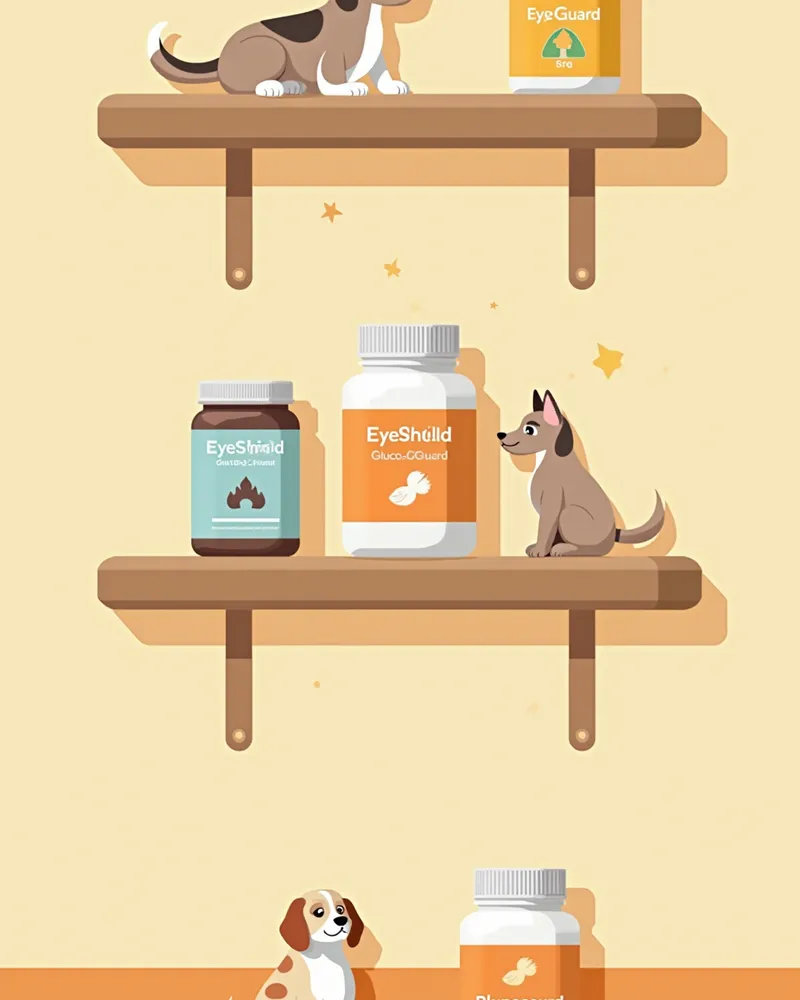
The most critical aspect of managing diabetic complications in dogs is not product selection, but rather blood glucose control through insulin therapy and diet. If you are considering supplementary products, evaluate their ingredients, stability, and ease of administration, and always consult your veterinarian for the safest approach. Remember that the efficacy of supplements in alleviating complications has not been established in veterinary textbooks.
Prioritize blood glucose control: Prevent postprandial blood sugar spikes with a low-glycemic-index diet and regulate blood glucose with insulin appropriate for dogs.
Regular blood glucose monitoring: Monitor your dog’s condition using blood glucose curves or continuous glucose monitoring.
Stable formulations: Powder or liquid forms are easier to administer and are generally well-accepted by dogs.
Consult your veterinarian: If complications are suspected, seek veterinary care rather than making self-diagnoses, and have cataracts evaluated by a veterinary ophthalmologist.
Comparison image of products for managing diabetic complications in dogs

BEST 1: Lutein + Vitamin B Complex (NeuroEye Pro)
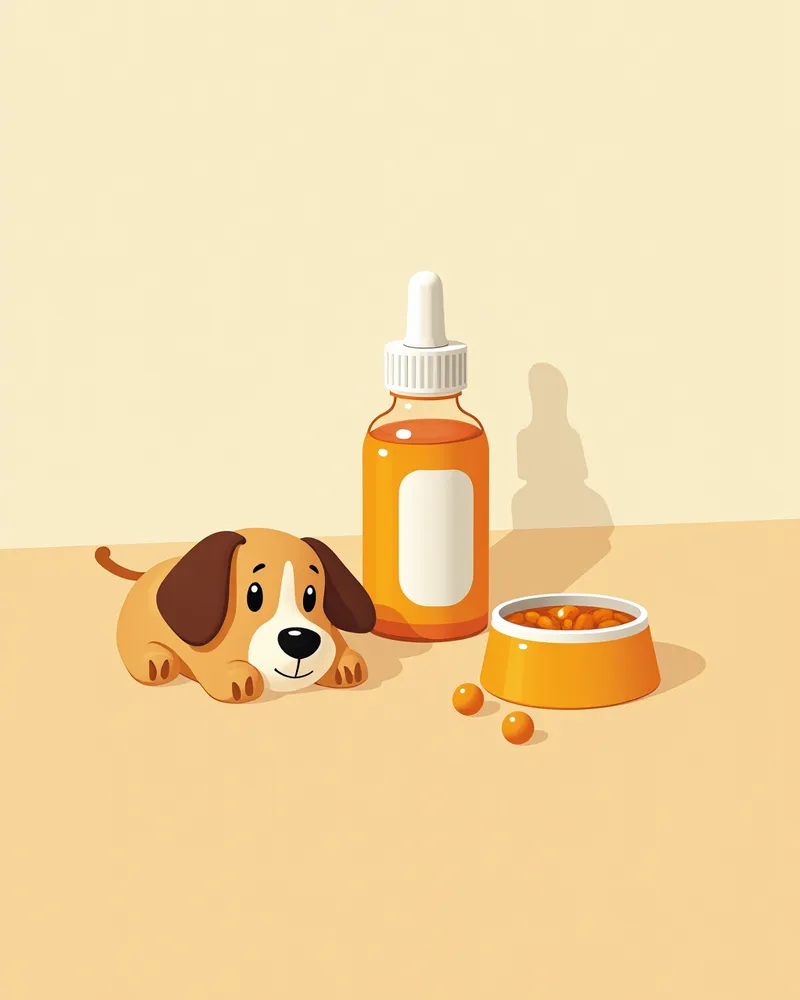
NeuroEye Pro is a combination supplement centered on lutein and B vitamins. However, since veterinary textbooks do not support the claim that these ingredients alleviate nerve damage or improve vision, this product cannot replace blood sugar management through insulin or diet. Its liquid formulation is palatable for dogs, making administration easy. Always consult your veterinarian before use.
Lutein: An antioxidant found in the retina, but there is no evidence confirming its effectiveness in improving vision in dogs.
Vitamins B1, B6, and B12: Ingredients generally known to be involved in nerve function.
Omega-3 fatty acids: Used as a supplementary ingredient.
Additive-free formula: Contains no preservatives or artificial flavors.
NeuroEye Pro product image

BEST 2: High-Concentration Omega-3 + Lutein Supplement (EyeShield Max)

EyeShield Max is a product that contains high concentrations of omega-3 fatty acids and lutein. However, since its effects in slowing the progression of cataracts or maintaining vision have not been confirmed in veterinary textbooks, it should only be used as a supplement. If you suspect your dog has cataracts, please consult a veterinary ophthalmologist first. The product is designed in capsule form for easy administration, making it convenient for dogs to consume. Even with long-term use, always consult your veterinarian.
Omega-3 Fatty Acids: A component used as a supplement.
Lutein: Known as an antioxidant found in the retina.
High-Concentration Formula: Designed for consumption of one capsule per day.
Additive-Free Process: Manufactured without heat treatment to minimize nutrient loss.
EyeShield Max product image

BEST 3: Nerve Protection + Blood Sugar Control Complex (GlucoseGuard Plus)
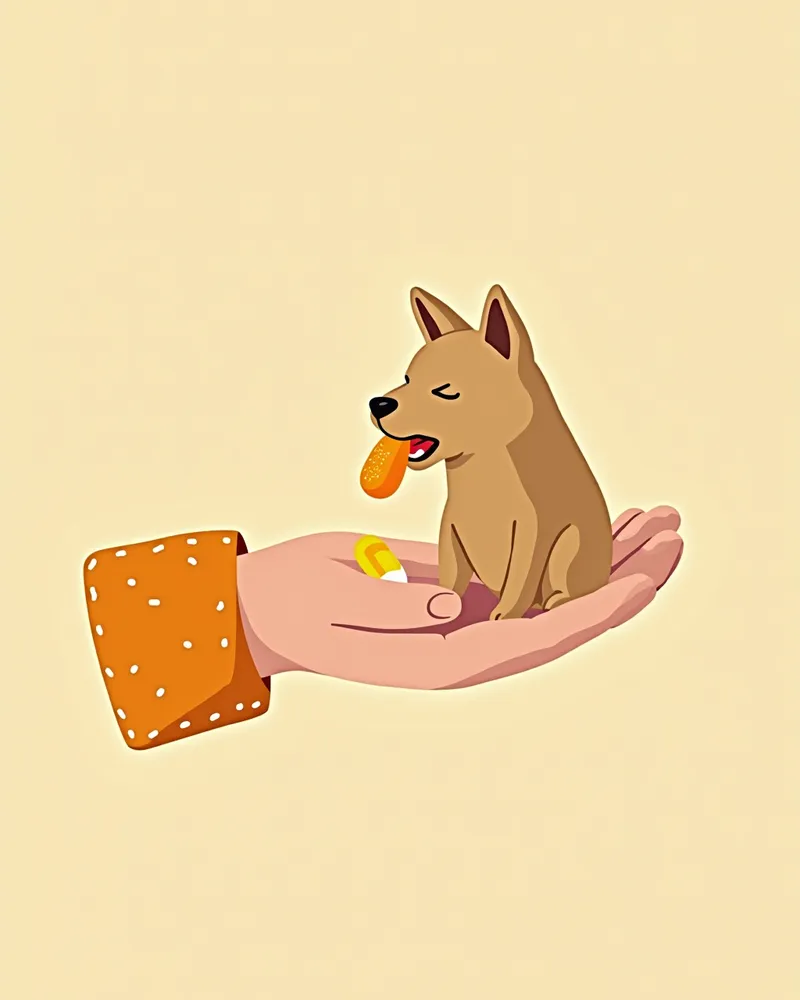
GlucoseGuard Plus is marketed as a combination product that supports both blood sugar control and nerve protection. However, veterinary textbooks do not support the claim that plant-based ingredients regulate blood sugar. The cornerstone of managing canine diabetes is insulin therapy combined with a low-glycemic-index diet. Since supplements cannot replace these treatments, please strictly follow your veterinarian’s guidance if you are managing diabetes in your dog. The capsule formulation makes administration easy.
Ingredients claimed to regulate blood sugar: The blood sugar-regulating effects of plant-based ingredients have not been proven.
Ingredients claimed to protect nerves: The nerve-protective effects of lutein and vitamin B complex have also not been confirmed.
Dietary supplement: It can be used alongside meals.
Capsule formulation: Easy to administer and generally well-accepted by dogs.
GlucoseGuard Plus product image

Comparison Table of Products BEST 1–3

ItemNeuroEye ProEyeShield MaxGlucoseGuard Plus
Main ingredientsLutein, B vitamins, Omega-3Lutein, Omega-3Lutein, B vitamins, plant-based ingredients (blood-sugar control effect unproven)
FormulationLiquidCapsuleCapsule
Daily dosage10ml1 capsule1 capsule
Additional advantagesEasy to administer, dogs eat it wellHighly concentrated, easy to administerCan be taken with meals

Supplements do not replace blood sugar control through insulin therapy and a low-glycemic-index diet. The complication-relieving and blood-sugar-controlling effects of the ingredients are not proven by veterinary textbooks, so be sure to consult a veterinarian and have cataracts evaluated by an ophthalmology specialist. Adjust the dosage to your dog's weight and condition.

Precautions and Contraindications

Products for managing diabetic complications in dogs should be used under veterinary guidance. To avoid side effects from overdosing, always follow the recommended dosage. Since interactions may occur with other medications your dog is currently taking, please inform your veterinarian.

Usage Tips and Management Points

When using a product to manage diabetic complications in dogs, it’s best to administer it at consistent times each day. Giving it with meals can improve absorption. After administration, monitor your dog for any adverse reactions, and stop use immediately if you notice symptoms such as vomiting, diarrhea, or loss of appetite. Regular veterinary check-ups are also essential to monitor your dog’s condition.
Consistent timing: Administer at the same time every morning and evening.
With meals: This enhances absorption.
Monitor for reactions: Discontinue use if you observe vomiting, diarrhea, decreased appetite, or other abnormal signs.
Regular check-ups: Monitor your dog’s condition through blood tests and ophthalmologic exams.
Tips for managing diabetes complications in dogs

Reviewed by a veterinarian

Dr. Tony — Punnawat Phongkittirak

Dr. Tony — Punnawat Phongkittirak

Veterinarian

A veterinarian who majored in veterinary medicine at Khon Kaen University, Thailand, and completed the IVSA program at North Carolina State University in the United States. Drawing on clinical experience at animal hospitals, he works in the pet healthcare field and is dedicated to building a digital care environment that connects pet parents with veterinarians.

Frequently Asked Questions

When should I start giving my dog a supplement to manage diabetes complications?
The cornerstone of managing diabetic complications is not supplements, but rather blood sugar control through insulin therapy and a low-glycemic-index diet, along with regular blood glucose monitoring. If neuropathy or cataracts are suspected, consult your veterinarian first (an ophthalmologist for cataracts) and discuss whether adjunctive supplements are appropriate.
Is it okay to give the product twice a day?
While it may be possible as long as you do not exceed the recommended dosage, it is always safest to consult your veterinarian first. Remember that established treatments, such as insulin therapy, should remain the primary course of action, and supplements are not intended to replace them.
Will taking the product completely eliminate the complications?
Supplements alone won’t completely resolve complications. Since nerve and lens damage that has already occurred is difficult to fully reverse, early management through blood sugar control and slowing disease progression are key.
Is it safe to take this product alongside other medications?
If your pet is currently taking other medications, especially insulin, there may be drug interactions. Please be sure to inform your veterinarian.
My pet had a side effect after taking the product. What should I do?
Stop giving the medication immediately and contact your veterinarian. If your pet develops vomiting, diarrhea, or a decreased appetite, a veterinary visit is necessary. Symptoms such as lethargy or seizures may indicate hypoglycemia and could constitute a medical emergency.

Share

Related Guides

References

[1] The Dog Care Handbook, Things I Wish My Vet Had Told Me, 2023

[2] Notes on Canine Internal Medicine, 4th Ed, 2021

[3] Clinical Medicine of the Dog and Cat, 4th Ed, 2020

This information is based on veterinary literature and does not replace diagnosis or treatment. Please consult a veterinarian for specific health concerns.

Metapet Co., Ltd. | CEO: Park Sung-yong | Business Reg. No. 417-88-02562 | Seoul, South Korea | Customer Center

Managing Canine Diabetes Complications: Neuropathy & Cataracts | Meongsiljang