Like
Share
멍실장
고양이 스트레스 유발 방광염 관리 관리 추천 BEST와 고르는 기준 총정리

Top Picks and Key Criteria for Managing Feline Stress-Induced Cystitis

UrinaryTop PicksMeongsiljang Veterinary Advisory Board

Feline stress-induced cystitis is a bladder condition triggered by environmental changes or anxiety. Here’s a guide to help you choose effective management products and care strategies.

Environment and Lifestyle Habits Are Key to Managing Feline Stress-Induced Cystitis
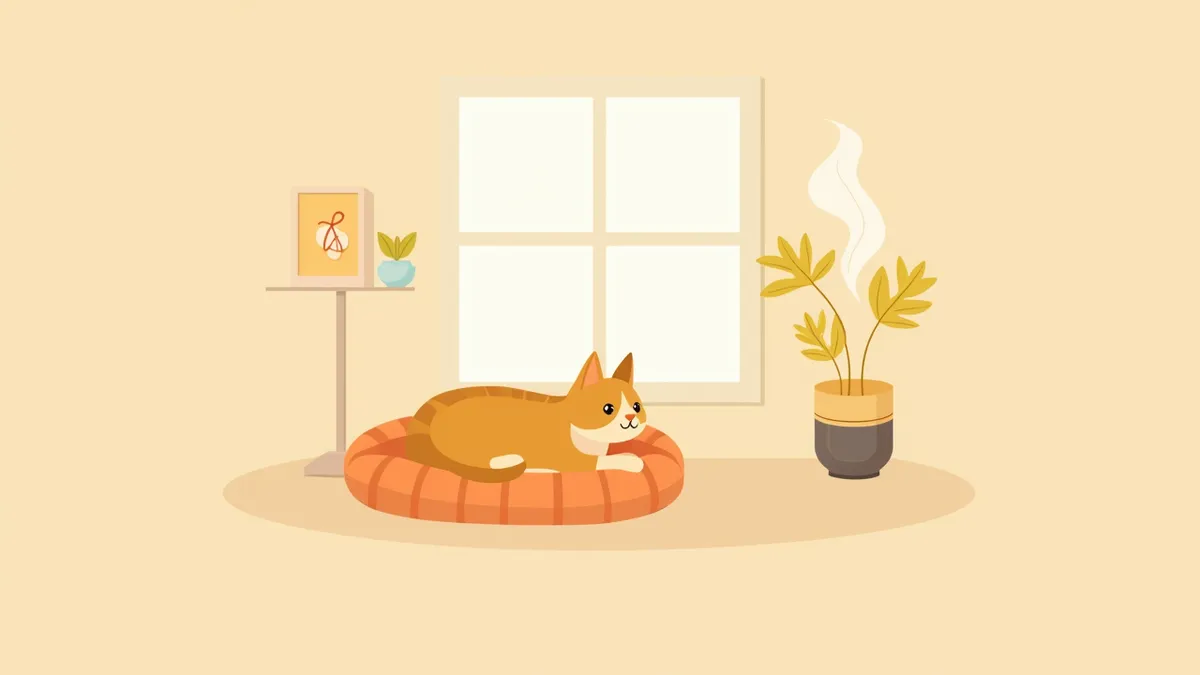
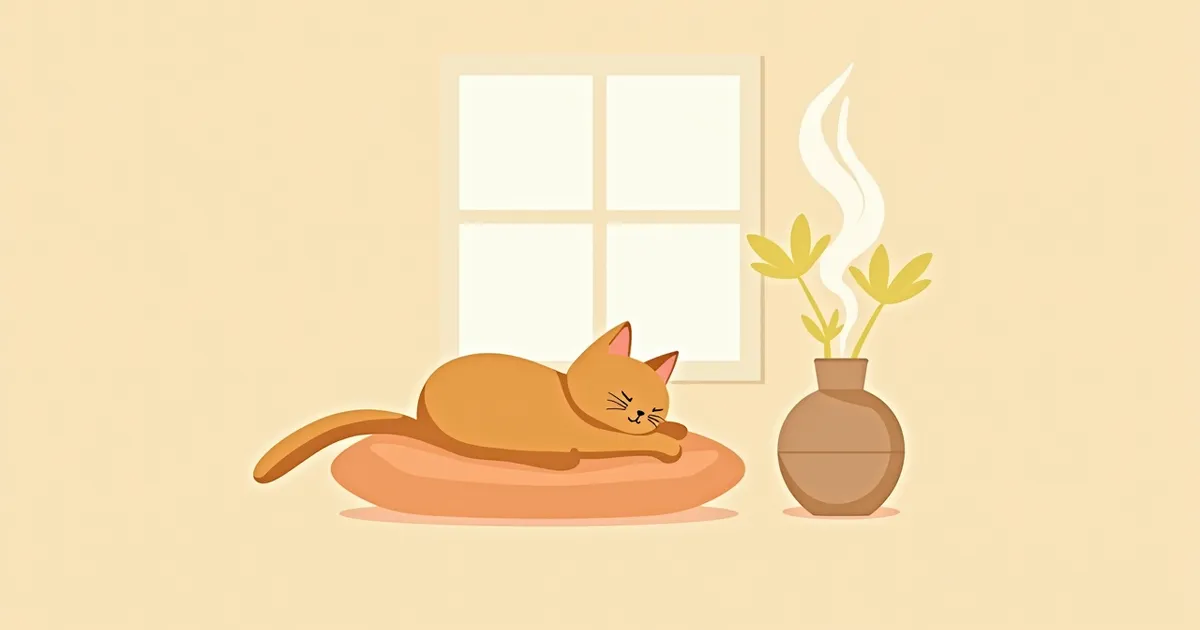
An image of a cozy resting spot for a cat, with a pillow and a pheromone diffuser placed by the window.
Feline stress-induced cystitis is a condition in which the bladder becomes inflamed due to environmental changes or anxiety. Stress can affect the bladder through neurological responses in cats. To manage this condition effectively, it is essential to adjust the environment and improve daily habits.
Environmental stability: Provide a stable environment where your cat feels secure in its own space.
Use of pheromones: Pheromone products containing the F3 component can help reduce anxiety.
Increased water intake: Encourage frequent water consumption by providing interactive water bowls or fountains.
Litter box care: Maintain a clean and quiet litter box area.
Comprehensive management of these factors can positively influence the symptoms of stress-related cystitis.

Selection Criteria: 4 Key Factors for Feline Stress-Induced Cystitis Management Products
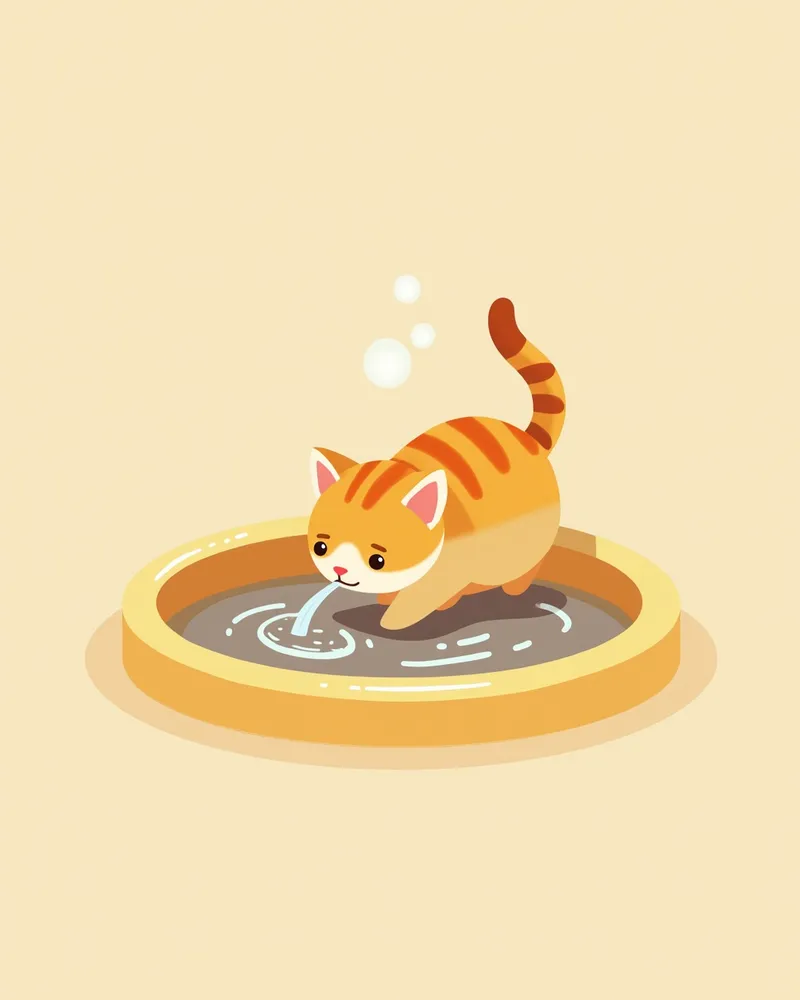
When choosing a product to manage feline stress-induced cystitis, be sure to check these four key criteria.
Pheromone ingredients: Products containing the F3 component are effective at promoting a sense of calm.
Features that encourage water intake: Bowls or water fountain products designed to encourage frequent drinking are recommended.
Safe ingredients: Always verify that the product does not contain any ingredients harmful to cats.
Ease of use: Diffusers should be convenient to operate with electricity, while sprays should allow for easy application.
By selecting a product based on these criteria, you can provide tailored care that addresses your cat's stress and bladder health.
An image of a cat drinking water from a fountain-style water bowl

BEST 1: FELIWAY Classic Diffuser – Pheromone Product Optimized for Stress Relief
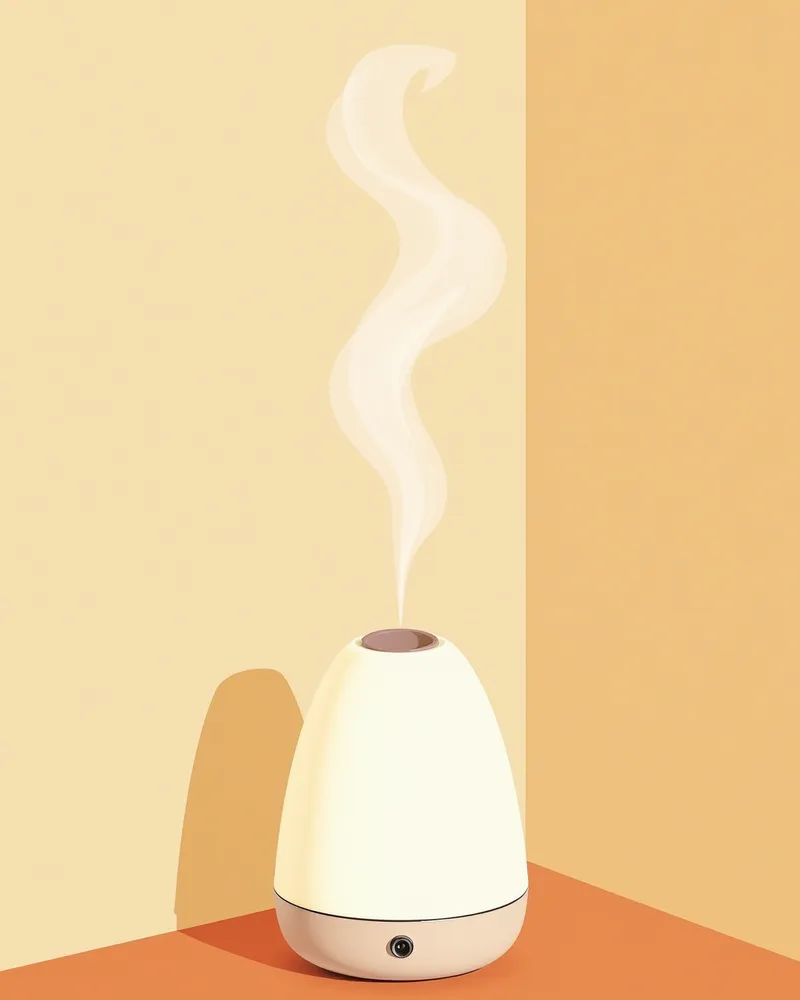
The FELIWAY Classic diffuser contains a synthetic version of the natural facial pheromone (F3) that cats produce. This pheromone helps cats feel secure, which can reduce stress-related anxiety behaviors. It is especially effective in situations involving environmental changes or multi-cat households.
Benefits: Continuous pheromone release, convenient plug-in operation, and safe ingredients.
How to use: Use one diffuser per 1–2 m² of space, and turn it on 20 minutes before introducing the cat.
Precautions: Prevent direct contact between the cat and the pheromone liquid. The product is designed to disperse pheromones into the environment, not to be applied directly to the cat.
This product can be part of a management strategy for stress-related cystitis, with studies suggesting it may help alleviate symptoms. However, there is currently insufficient evidence to definitively claim that it reduces the recurrence rate of cystitis. Since the ideal treatment for recurrent cystitis remains unclear, pheromone therapy is best used in combination with other approaches, such as environmental enrichment and ensuring adequate hydration.
An image of an electric diffuser emitting a soft white light, placed in a quiet room.

BEST 2: PetSafe Spring Water Pump – Flowing Water Bowl That Stimulates Water Intake
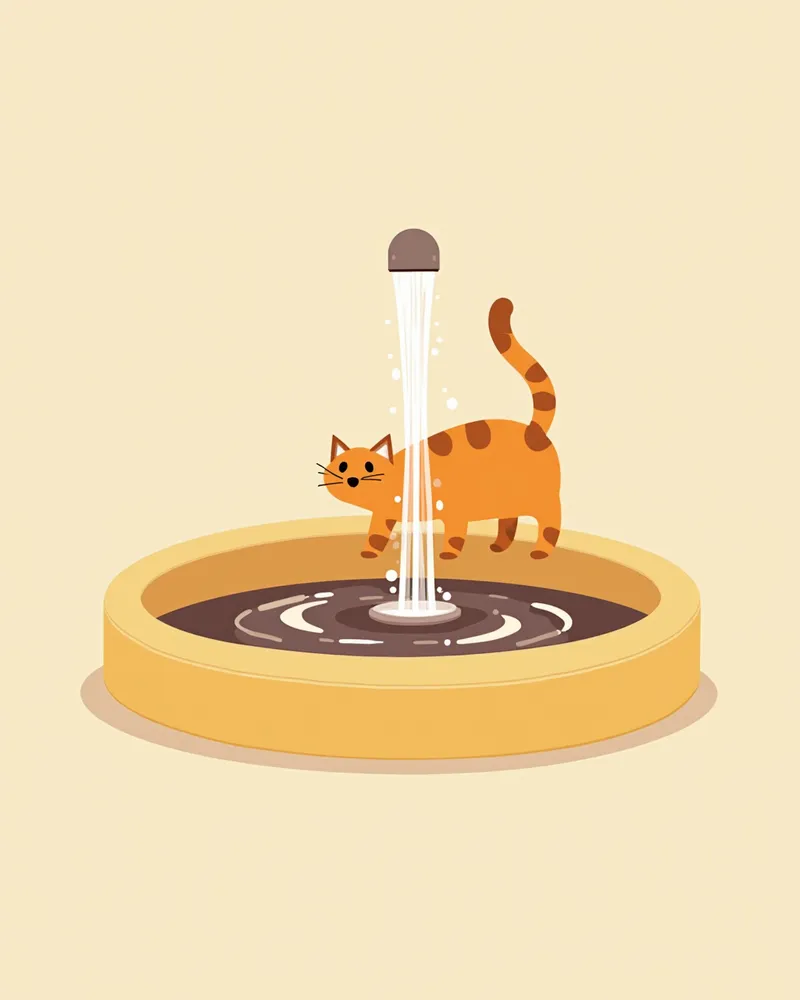
The PetSafe Spring Water Pump features a continuous-flow design that encourages cats to drink more frequently. The sound and movement of flowing water stimulate their natural instincts, helping to increase hydration.
Benefits: The water stays fresh and constantly moving, with the appealing sound and motion that many cats enjoy.
How to use: Simply fill the bowl with water and plug it in for automatic operation.
Maintenance: Change the water every 2–3 days and replace the filter once a month.
Adequate hydration is widely recognized as the most critical factor in managing stress-induced cystitis (feline idiopathic cystitis). While this product can help naturally encourage water intake, individual cats may have varying preferences for fountain-style drinkers. The key is to discover the drinking method your cat prefers and ensure consistent access to fresh water.
An image of a cat drinking water from a fountain-style water bowl

BEST 3: Zesty Paws Cat Pheromone Spray – Portable Option for Immediate Use
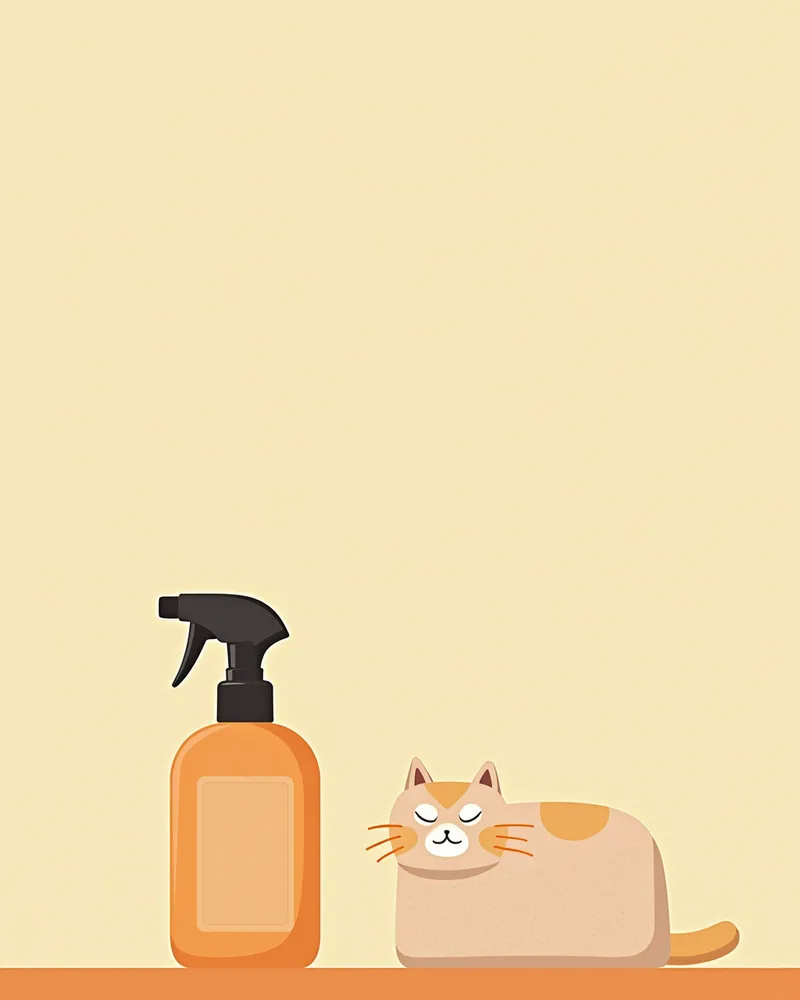
Zesty Paws Pheromone Spray is a portable product that can be used immediately when your cat is feeling anxious. It helps reduce stress during environmental changes or before and after vet visits.
Benefits: Lightweight and easy to carry, fast-acting, and suitable for use in various locations.
How to Use: Spray 3–5 times into the environment, ideally 10–20 minutes before use.
Precautions: Do not spray directly on your cat’s head or body. Use only in the environment.
This product contains the F3 pheromone component, which can quickly provide a sense of calm when your cat is anxious. It is especially useful during travel or moving.
An image showing a spray bottle with a cat-shaped label placed next to a carrier.

Comparison of BEST 1–3 Products: Guide to Choosing Pheromones, Flowing Water, and Sprays

ItemFELIWAY Classic DiffuserPetSafe Water Fountain BowlZesty Paws Spray
Key IngredientsF3 pheromoneWater flow stimulationF3 pheromone
Method of UseElectric diffuserAutomatic water pumpSpray application
Effect DurationSustained (2–4 weeks)Sustained (24 hours)Immediate (10–30 minutes)
PortabilityLowMediumHigh
Recommended SituationsMulti-cat households, environmental changesCats with insufficient water intakeBefore and after moving or vet visits

Each product helps manage stress-induced cystitis, but combined use may be effective depending on the situation.

Caution: Veterinary Visit Is Essential If Feline Cystitis Recurs

To get the most out of your product when managing feline stress-induced cystitis, keep these tips in mind. Use diffusers and sprays together: You can diffuse pheromones throughout the environment and supplement with targeted spraying in specific areas. However, be cautious not to overuse, as excessive application can cause sensory irritation. Clean water bowls regularly: Change the water and wash the bowls every 2–3 days. Monitor your cat’s response: Keep a record of any behavioral changes in your cat after using the product. Adjust for environmental changes: Have pheromone products ready in advance for stressful events like moving or introducing a new cat. If cystitis symptoms persist or recur, don’t rely solely on pheromones and environmental management. Be sure to visit your veterinarian for diagnostic tests, such as urinalysis, to rule out other underlying causes like infections, bladder stones, or tumors. Feline idiopathic cystitis is a diagnosis of exclusion, meaning it is only confirmed after all other potential causes have been ruled out.

Usage Tips: How to Effectively Utilize Products

To get the most out of your product when managing feline stress-induced cystitis, follow these tips:
Use diffusers and sprays together: Disperse pheromones throughout the environment with a diffuser, and apply spray to specific areas for targeted relief.
Clean water bowls regularly: Change the water and clean the bowls every 2–3 days.
Monitor your cat’s response: Keep track of any changes in your cat’s behavior after using the product.
Adjust during environmental changes: Prepare pheromone products in advance for stressful events like moving or introducing a new cat.
Following these tips will help you maximize the effectiveness of the product.
An image of a notebook recording a cat’s meals, water intake, and behavior.

Reviewed by a veterinarian

Dr. Tony — Punnawat Phongkittirak

Dr. Tony — Punnawat Phongkittirak

Veterinarian

A veterinarian who majored in veterinary medicine at Khon Kaen University, Thailand, and completed the IVSA program at North Carolina State University in the United States. Drawing on clinical experience at animal hospitals, he works in the pet healthcare field and is dedicated to building a digital care environment that connects pet parents with veterinarians.

Frequently Asked Questions

Is feline cystitis caused solely by stress?
Not exactly. While stress is a significant contributing factor, it often works in combination with other causes such as bacterial infections, urinary stones, and genetic predispositions common in purebred dogs. Managing stress can certainly help, but it’s essential to identify the underlying cause and consult your veterinarian for an accurate diagnosis.
When can I expect to see results from using a pheromone product?
The time it takes for effects to appear varies from cat to cat. Pheromones and environmental improvements often lead to gradual behavioral changes over time, so it’s important to use them consistently for a while while observing your cat’s response.
Do cats like water fountain feeders?
Many cats are drawn to the sound and movement of flowing water, but preferences vary from cat to cat. Since adequate hydration is essential for bladder health, it’s a good idea to try different types of water bowls to find the one that encourages your cat to drink more.
Is it safe to use the spray frequently?
Limit use to once or twice a day. Overuse can overstimulate your cat's senses.
Is it safe to use this product together with other products?
You can use the diffuser and spray together. However, excessive use may cause sensory overstimulation, so it's important to maintain an appropriate frequency.

Share

Related Guides

References

[1] Frank, D. et al. (1999) Efficacy of synthetic feline facial pheromone in reducing urine marking in cats. Journal of Feline Medicine and Surgery, 1(1), 23–30.

[2] Mills, D. S. & White, S. (2000) The use of synthetic pheromones in the management of feline stress-related disorders. Veterinary Clinics of North America: Small Animal Practice, 30(5), 1037–1052.

[3] Parker, M. et al. (2017) Environmental enrichment and pheromone therapy in multi-cat households: A randomized controlled trial. Applied Animal Behaviour Science, 195, 1–10.

This information is based on veterinary literature and does not replace diagnosis or treatment. Please consult a veterinarian for specific health concerns.

Metapet Co., Ltd. | CEO: Park Sung-yong | Business Reg. No. 417-88-02562 | Seoul, South Korea | Customer Center

Feline Stress-Induced Cystitis: Top Picks & Criteria | Meongsiljang