Like
Share
멍실장
고양이 간 농양 관리 추천 BEST와 고르는 기준 총정리

7 Emergency Signs and Management Tips for Feline Liver Abscesses Recommended by Veterinarians

Liver HealthTop PicksMeongsiljang Veterinary Advisory Board

Feline liver abscesses are infectious lesions, making early diagnosis and proper management crucial. We’ve outlined the key criteria for selecting effective management products and our top three recommendations.

Feline Hepatic Abscesses Are Infectious Liver Lesions
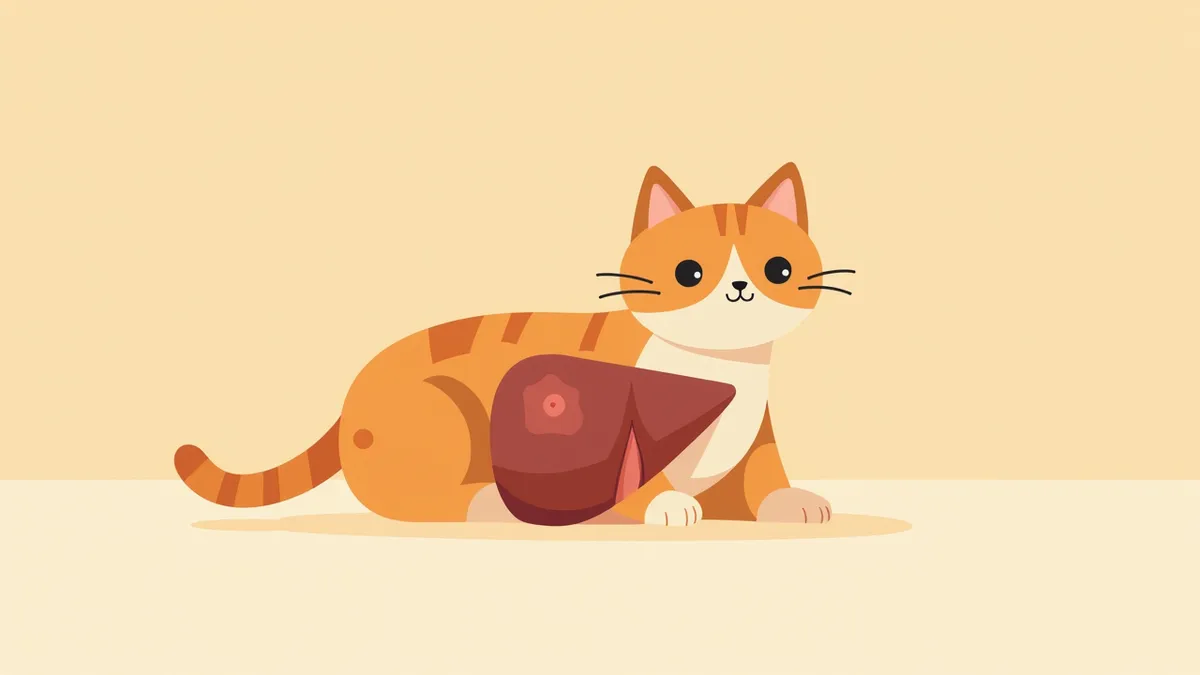
Appearance of a feline liver abscess as seen on medical imaging
A feline hepatic abscess is a lesion in which pus accumulates within the liver tissue due to infection or other causes. In cats, abscesses commonly arise from penetrating injuries such as bites or trauma, followed by subsequent infection, and this condition always requires treatment. Diagnosis typically involves confirming the lesion via ultrasound and evaluating blood tests, including liver enzymes, with a definitive diagnosis established through liver biopsy. Treatment fundamentally consists of draining the abscess and administering systemic antibiotics; when indicated, adding hepatoprotective agents can aid recovery. - Antibiotics: These suppress bacterial infection and are used in conjunction with drainage procedures to manage the infection. - Hepatoprotective ingredients: Textbook-recognized components such as SAMe, N-acetylcysteine, ursodeoxycholic acid, and vitamin E help protect hepatocytes and provide antioxidant support. Regular check-ups and strict adherence to medication under veterinary guidance are key to successful treatment.

There Are 4 Key Criteria for Selection
When selecting a supplement to support the management of a feline liver abscess, be sure to verify the presence of proven hepatoprotective ingredients, compatibility with concurrent antibiotic therapy, antioxidant content, and ease of administration. Since no supplement can treat a liver abscess on its own, it is safest to use it alongside the veterinarian-prescribed antibiotic and drainage treatments.
Compatibility with antibiotics: Infection management centers on veterinarian-prescribed antibiotics, and supplements cannot replace them.
Hepatoprotective ingredients: Look for products containing ingredients recognized by veterinary textbooks, such as S-adenosylmethionine (SAMe), N-acetylcysteine, and ursodeoxycholic acid (UDCA).
Antioxidant ingredients: Antioxidants like vitamin E are used as adjunctive therapy in cases of cholestasis and inflammatory liver disease.
Ease of administration: The product should be easy to administer, ideally in liquid or capsule form.
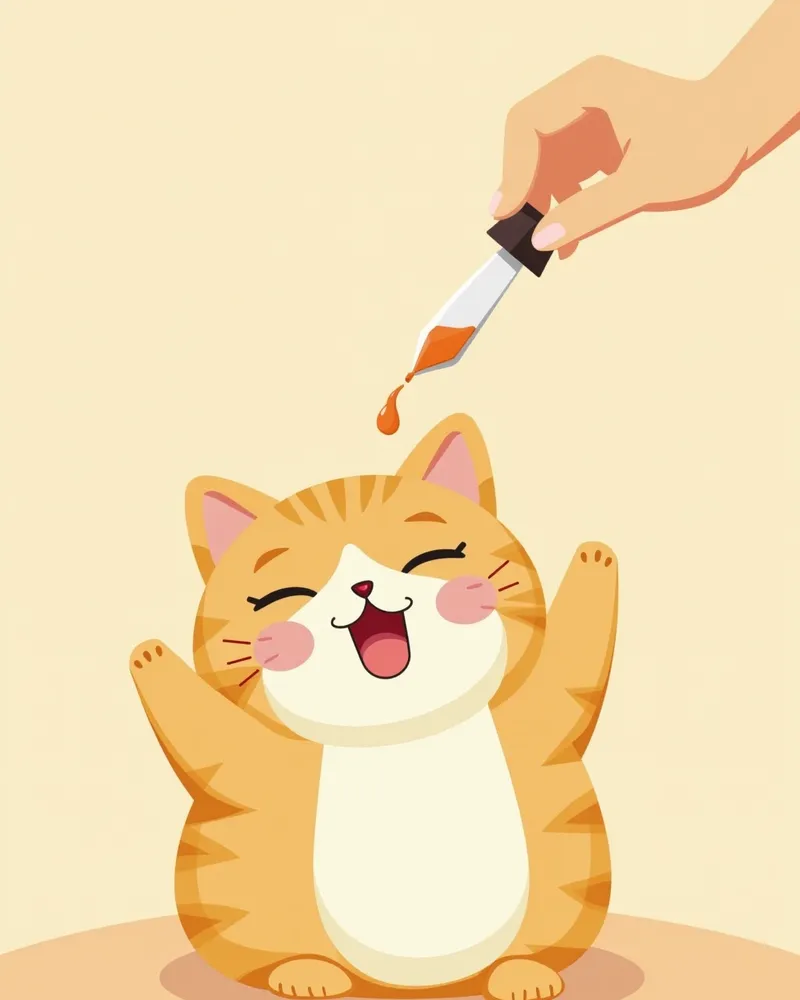
A cat taking liquid supplements from a dropper

BEST 1: Hepatoprotective Protein Capsule
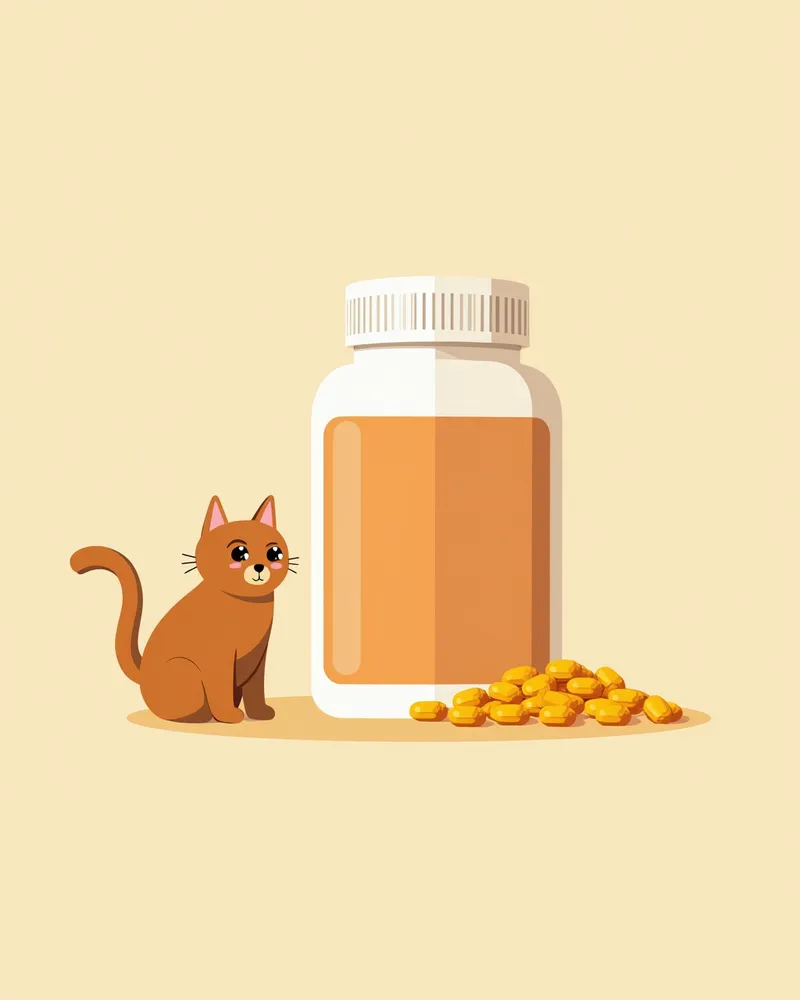
This product is a capsule supplement designed to support feline liver health, with SAMe as its key ingredient. SAMe acts as a precursor to glutathione, providing antioxidant effects and helping to stabilize hepatocyte membranes. The capsule form makes it relatively easy to administer to cats. However, please remember that this is strictly a supplement and cannot replace veterinary treatments such as antibiotics or abscess drainage.
SAMe Content: 100 mg/capsule (Recommended dosage: 20 mg/kg of body weight, once daily)
Key Ingredients: S-adenosylmethionine, Vitamin E
Supportive Benefits: Helps protect hepatocytes through antioxidant activity
An image showing a cat liver protection capsule product alongside a cat.

BEST 2: Liquid Supplement for Liver Abscesses
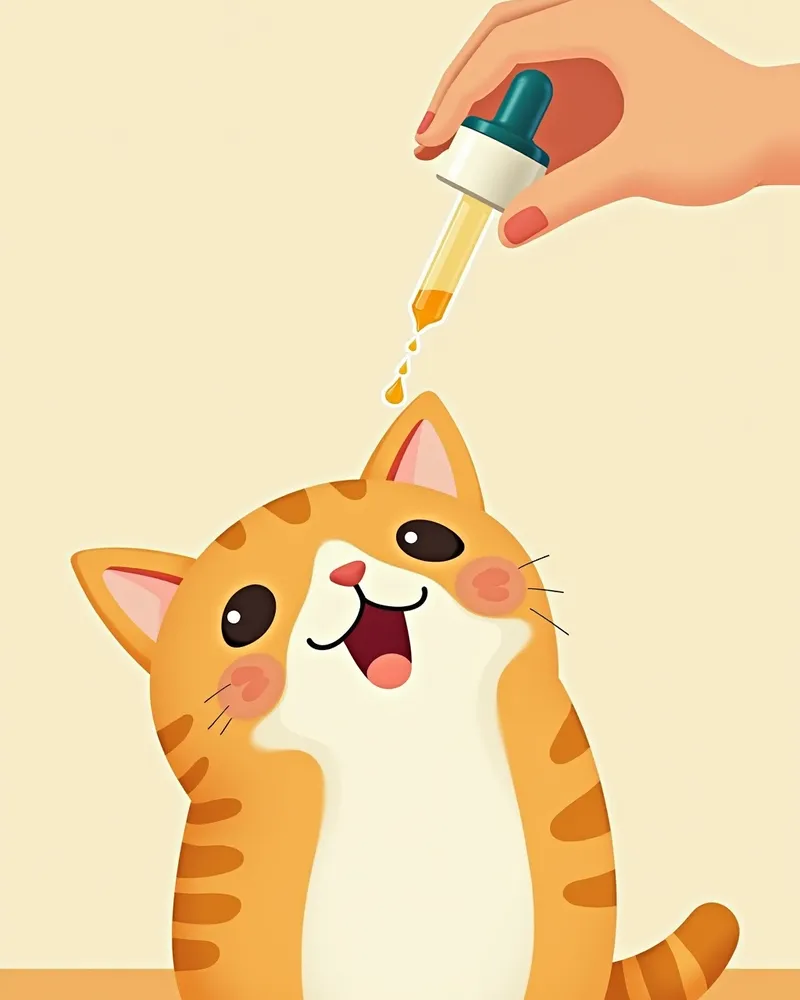
This product is formulated as a liquid, making it easy for cats to consume. It can be used as a supplement alongside veterinarian-prescribed antibiotics. The main ingredients include SAMe and vitamin E, which help protect liver cells through their antioxidant properties and are recognized in veterinary textbooks. However, this product does not treat infections on its own, so it must always be used in conjunction with veterinary care.
Dosage: 60 mL (30-day supply)
Main Ingredients: S-adenosylmethionine, Vitamin E
Administration Method: Once daily, administer 1 mL by dripping into the mouth
Dropping liquid supplements into a cat's mouth using a dropper

BEST 3: Complex Liver Health Capsule Supplement
This is a complex capsule that combines various liver-protective ingredients in a balanced way. It contains textbook-recognized ingredients such as SAMe, N-acetylcysteine, and vitamin E. These ingredients help with glutathione synthesis and antioxidant activity, contributing to the protection of liver cells. The capsule size is small and soft, making it easy for cats to consume. Since this is a supplement, it must always be used in conjunction with a veterinarian's antibiotic and abscess treatment.
Ingredient Combination: SAMe + N-acetylcysteine + Vitamin E
Function: Antioxidant, liver cell protection support
Additional Benefits: The capsule is small, making it easy for cats to swallow.
A cat's paw resting on top of a small capsule.

Comparison Table of Products BEST 1–3

ItemBEST 1 CapsuleBEST 2 LiquidBEST 3 Combination Capsule
Main IngredientsSAMe, vitamin ESAMe, vitamin ESAMe, N-acetylcysteine, vitamin E
FormCapsuleLiquidCapsule
Daily Dosage1 capsule1mL1 capsule
Additional EffectsAntioxidant and hepatocyte protection supportLiver protection support, liquid absorptionAntioxidant and hepatocyte protection support

All products are supplements and should be used concurrently with prescribed treatments such as the veterinarian's drainage and systemic antibiotics. The dosage needs to be adjusted according to the cat's weight and condition.

Caution: Overdosing Increases Liver Burden

It’s safer to follow your veterinarian’s recommended dosage for liver-support supplements rather than giving extra on your own. For example, the typical dose of SAMe is 20 mg per kilogram of body weight, given orally once a day. The right amount can vary depending on the product and your cat’s condition, so always consult your vet to determine the proper dosage.

Usage Tips: Timing and Administration Method Are Important
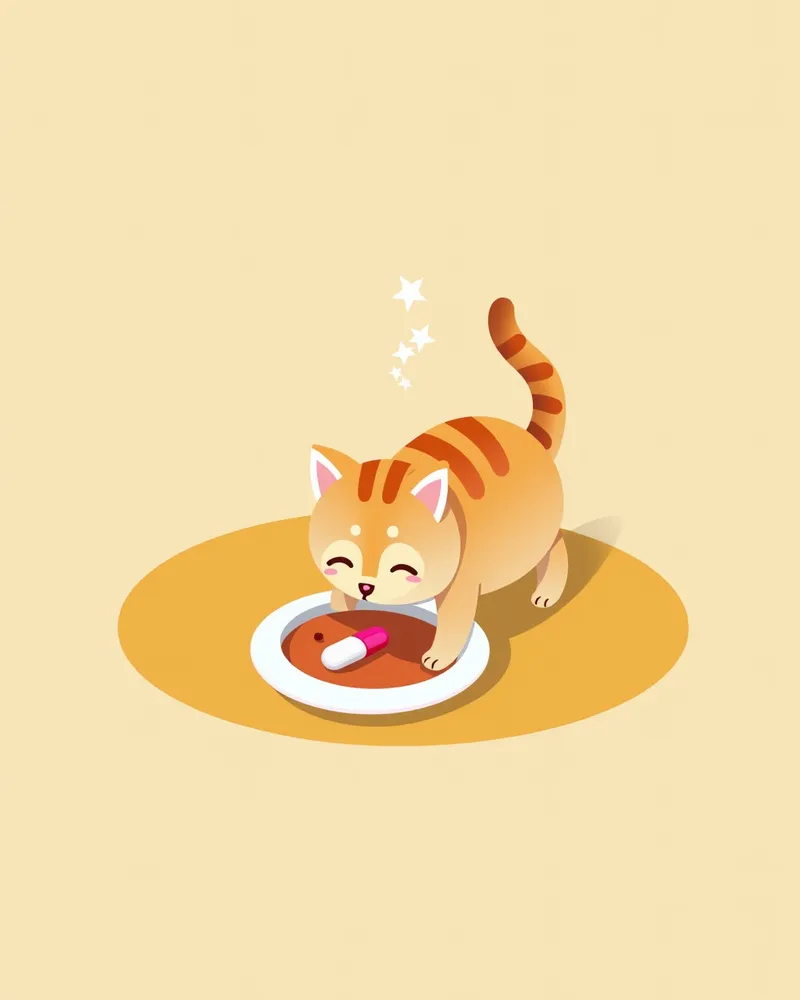
The way you administer liver-support supplements depends on their ingredients. For enteric-coated products like SAMe, crushing or breaking the capsule reduces bioavailability, so it’s best to give them whole, typically on an empty stomach. If you’re concerned about stomach irritation with other formulations, they can sometimes be given with meals—always check the product instructions. Liquid supplements often taste and smell better when refrigerated, which can make them more appealing to cats. If your cat has trouble swallowing capsules, you can mix the contents into food such as meat or fish. For best results, administer the supplement once daily at the same time. Since ingredients vary by product, consult your veterinarian to determine the safest dosing method for your pet.
A cat eating a capsule mixed into its food

Reviewed by a veterinarian

Dr. Tony — Punnawat Phongkittirak

Dr. Tony — Punnawat Phongkittirak

Veterinarian

A veterinarian who majored in veterinary medicine at Khon Kaen University, Thailand, and completed the IVSA program at North Carolina State University in the United States. Drawing on clinical experience at animal hospitals, he works in the pet healthcare field and is dedicated to building a digital care environment that connects pet parents with veterinarians.

Frequently Asked Questions

When should I start giving my pet the liver abscess management product?
Antibiotics and pus-drainage treatments prescribed by a veterinarian should be the foundation of care, and supplements should only be started after consulting with your vet. Supplements do not replace antibiotic treatment.
Is it safe to give a liver abscess supplement to my pet for a long time?
It’s important to give the medication consistently as directed by your veterinarian throughout the treatment period. The duration of treatment will be determined by your vet based on your cat’s condition.
What should I do if my pet doesn’t like the taste of the liquid product?
Storing it in the refrigerator before use may improve its palatability. You can mix it into your cat's food or offer it alongside their favorite treats to encourage consumption.
Is the capsule too large for your cat to swallow?
Choose a small capsule or mix it into your pet’s food. You can also ask your veterinarian for a personalized product recommendation.
Is it safe to take this with antibiotics?
Yes, you can generally use the prescribed antibiotics alongside supportive supplements. However, since certain enteric-coated products like SAMe have specific administration guidelines, please consult your veterinarian for the correct timing and method of administration.

Share

Related Guides

References

[1] National Research Council (NRC). (2006). Nutrient Requirements of Dogs and Cats. Washington, DC: National Academies Press.

[2] Plumb's Veterinary Drug Handbook, 9th ed. (2022). Wiley-Blackwell.

[3] Applied Veterinary Clinical Nutrition, 2nd Ed. (2019). Elsevier.

This information is based on veterinary literature and does not replace diagnosis or treatment. Please consult a veterinarian for specific health concerns.

Metapet Co., Ltd. | CEO: Park Sung-yong | Business Reg. No. 417-88-02562 | Seoul, South Korea | Customer Center

7 Emergency Signs of Feline Liver Abscess & Vet Care Tips | Meongsiljang