Like
Share
멍실장
고양이 구강 통증 신호 관리 추천 BEST와 고르는 기준 총정리

7 Warning Signs of Oral Pain in Cats and Management Tips Recommended by Veterinarians

Oral HealthTop PicksMeongsiljang Veterinary Advisory Board

Detecting oral pain in cats can be challenging in its early stages, but recognizing the right signs and choosing appropriate care products can help alleviate discomfort and prevent disease progression. This article covers everything from identifying warning signs to criteria for selecting the right products.

Early Detection is Key to Recognizing Signs of Oral Pain in Cats

A cat with its mouth open, revealing residual dental matter
Cats are masters at hiding oral pain, making it difficult to spot from the outside. Warning signs may include a decreased appetite, dropping food while eating, difficulty swallowing, chewing on only one side, avoiding food altogether, bleeding in the mouth, or bad breath. These symptoms are commonly associated with oral diseases such as periodontal disease, stomatitis, and resorptive lesions. Because cats rarely show obvious signs of pain, discomfort may manifest only through subtle changes, such as altered ear position or tension around the eyes. Therefore, it is important to briefly check your cat’s mouth and monitor their eating habits daily. If you suspect an oral issue, a veterinarian will perform an oral examination and, if necessary, use sedation and blood tests to determine the underlying cause. Early detection leads to easier treatment and helps reduce complications. Early recognition: Identifying pain in its initial stages makes treatment significantly more manageable.

Selection Criteria: Choose Based on Pain Relief and Safety

When choosing an oral pain management product for your cat, prioritize ingredient safety, ease of use, and whether it is recommended by veterinarians. - Non-toxic ingredients: Products that come into direct contact with the teeth must be non-toxic and safe for cats. - Taste and texture: A natural flavor and gentle texture are essential to ensure your cat accepts the product without resistance. - Veterinarian-recommended products: Products with proven efficacy and safety offer higher reliability. - Ease of use: Choose a format—such as spray, gel, or capsule—that suits your cat’s temperament. - Suitability for long-term use: Ideal products have minimal side effects and remain safe for consistent, ongoing use.
A cat in charge of oral care products

BEST 1: Petrium Gel for Dental Health Care

This product is a gel applied directly to the surface of the teeth. However, please remember that applying the product alone does not treat oral diseases; dental and gum conditions require a veterinary oral examination and professional dental treatment. - Key Ingredients: Glucosamine and chondroitin are ingredients primarily used for joint health. There is no evidence in veterinary textbooks supporting their effectiveness in recovering oral tissues, so it is best not to rely on them too heavily. - Taste and Usability: Products containing flavors that cats enjoy may be less likely to be rejected when mixed with food. - Safety: Verify that products applied inside the mouth are non-toxic and low-irritant. If you suspect pain, consult a veterinarian first. - Veterinary Consultation: Oral pain often involves significant inflammation. When necessary, a veterinarian may prescribe anti-inflammatory and analgesic medications, such as NSAIDs, to manage the pain. - Usage: Follow the recommended usage instructions in the product manual. If symptoms persist, be sure to visit a veterinary clinic.
A cat enjoying fish-flavored gel treats

BEST 2: Laser Technology Oral Care Spray
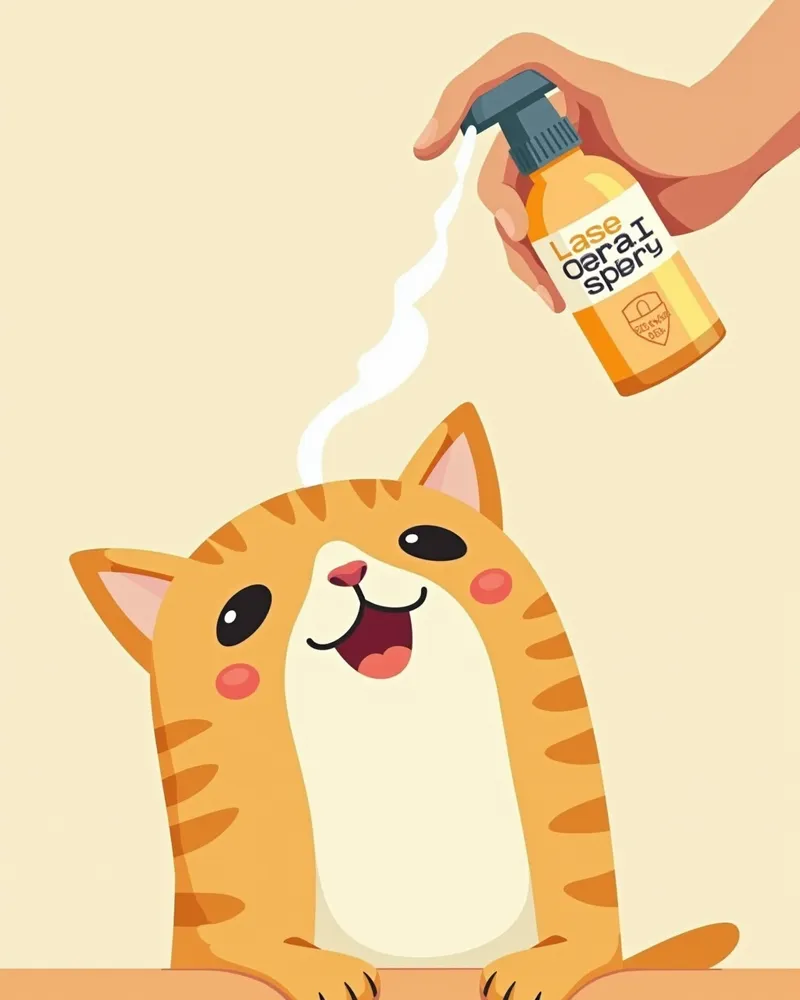
This spray is designed for direct application into a cat’s mouth, allowing for relatively easy use without the need to open the mouth wide. - Key Ingredients: The anti-inflammatory and antibacterial effects of essential oil components, such as tea tree oil and lavender oil, have not been proven in veterinary textbooks. In fact, they may irritate cats, so be sure to consult your veterinarian before use. - Odor Concerns: Bad breath (halitosis) can be a sign of oral diseases, such as food debris on the teeth or gum inflammation. It is more important to identify the underlying cause than to simply mask the odor with fragrance. - Ease of Use: The ability to apply the product without opening the mouth wide is a significant advantage. - Safety: Verify that the product is low-irritant. If signs of irritation appear, such as drooling or food refusal, discontinue use immediately. - Usage Instructions: Follow the product instructions, but seek veterinary care if symptoms persist.
Spraying a mist into a cat’s mouth

BEST 3: Natural Ingredient Dental Cleaner Capsules

This capsule is designed to be given with your cat’s meals. Please keep in mind, however, that a supplement alone cannot resolve dental plaque or oral diseases. - Key Ingredients: The claim that magnesium and calcium strengthen teeth is not supported by veterinary textbooks, so it is best not to place excessive expectations on this effect. The inclusion of naturally derived flavorings may help reduce pickiness. - Safety: Even if synthetic additives are minimal, it is safest to consult your veterinarian before long-term use. - Convenience: It is relatively easy to use, as you simply mix it into your cat’s food. - Efficacy: Regular dental checkups and care are essential for maintaining oral health; supplements should be viewed strictly as an adjunctive aid. - Usage: Follow the recommended dosage on the product label, and visit a veterinary clinic if any symptoms appear.
Dental cleaner capsules to be taken with meals

Comparison Table of BEST 1–3 Products

ItemFormMain IngredientsEase of Use
BEST 1: Petrium GelGelGlucosamine, ChondroitinVery High
BEST 2: Laser SpraySprayTea Tree Oil, Lavender OilHigh
BEST 3: Natural CapsuleCapsuleMagnesium, CalciumModerate

Ease of use is evaluated based on the cat's response and the method of application

Caution: Side Effects May Occur with Overuse

Using too much oral care product can cause diarrhea or mouth irritation. Sprays and gels, in particular, may dry out the mouth if overused, so always follow the recommended amount on the label. If your cat refuses food or licks its mouth more often than usual, stop using the product right away and consult your veterinarian.

Usage Tips: Consistent Care Along with Daily Observation

Oral care products require long-term habits rather than short-term effects. You should develop the habit of checking your pet's mouth for 1-2 minutes every morning or evening and using the product regularly. - Food refusal: If your cat stops eating or has difficulty swallowing, immediate veterinary attention is necessary. - Changes in breath odor: If the smell becomes stronger or unusual, it may be a sign of pain. - Behavioral changes: If your pet shows signs of being startled or avoiding interaction, there is a high possibility of oral pain. - Early detection: Recognizing pain early makes treatment much easier and helps prevent complications.
A cat looking at oral care tools

Reviewed by a veterinarian

Dr. Tony — Punnawat Phongkittirak

Dr. Tony — Punnawat Phongkittirak

Veterinarian

A veterinarian who majored in veterinary medicine at Khon Kaen University, Thailand, and completed the IVSA program at North Carolina State University in the United States. Drawing on clinical experience at animal hospitals, he works in the pet healthcare field and is dedicated to building a digital care environment that connects pet parents with veterinarians.

Frequently Asked Questions

If a cat refuses to open its mouth, could it be experiencing oral pain?
Yes, if your pet refuses to open its mouth or has difficulty swallowing food, it could be a sign of oral pain. In particular, if your pet flinches or steps back when you try to open its mouth, immediate veterinary attention is necessary.
Is it safe to use oral care products every day?
It varies depending on the product. Most products are recommended for use once or twice daily, and overuse can lead to side effects. Be sure to check the product instructions and follow the recommended dosage.
What tests should be done if oral pain is suspected?
The veterinarian will directly examine the inside of the mouth and, if necessary, use X-rays or blood tests to check for tooth root inflammation, gum disease, or systemic conditions. Early diagnosis is crucial for effective treatment.
My cat has bad breath. What could be causing it?
Bad breath can be caused by food debris stuck on the teeth, gum inflammation, oral ulcers, or gastrointestinal issues. Dental disease is one of the most common causes. A visit to the vet is necessary for early treatment.
Can oral care products be mixed with food?
Yes, most products can be mixed with food. Gels and capsules, in particular, are easily accepted by cats when given with their meals. However, be sure to follow the recommended dosage on the product label.

Share

Related Guides

References

[1] The Cat, Clinical Medicine and Management, 2nd Edition. Elsevier, 2019.

[2] Feline Emergency and Critical Care Medicine, 2nd Ed. Wiley-Blackwell, 2020.

[3] American Veterinary Dental College (AVDC). Guidelines for Feline Oral Health Care. 2021.

This information is based on veterinary literature and does not replace diagnosis or treatment. Please consult a veterinarian for specific health concerns.

Metapet Co., Ltd. | CEO: Park Sung-yong | Business Reg. No. 417-88-02562 | Seoul, South Korea | Customer Center

7 Warning Signs of Cat Mouth Pain Vets Warn About + Care Tips | Meongsiljang