Like
Share
멍실장
고양이 치아 흡수성 병변(FORLs) 관리 추천 BEST와 고르는 기준 총정리

7 Best Cat FORL Management Products Recommended by Veterinarians

Oral HealthTop PicksMeongsiljang Veterinary Advisory Board

Feline odontoclastic resorptive lesions (FORLs) are a common oral condition in cats, making early detection and proper management essential. Here’s a guide to treatment options and how to choose the right care products.

Feline Odontoclastic Resorptive Lesions (FORLs) Are an Oral Condition in Which Teeth Gradually Dissolve
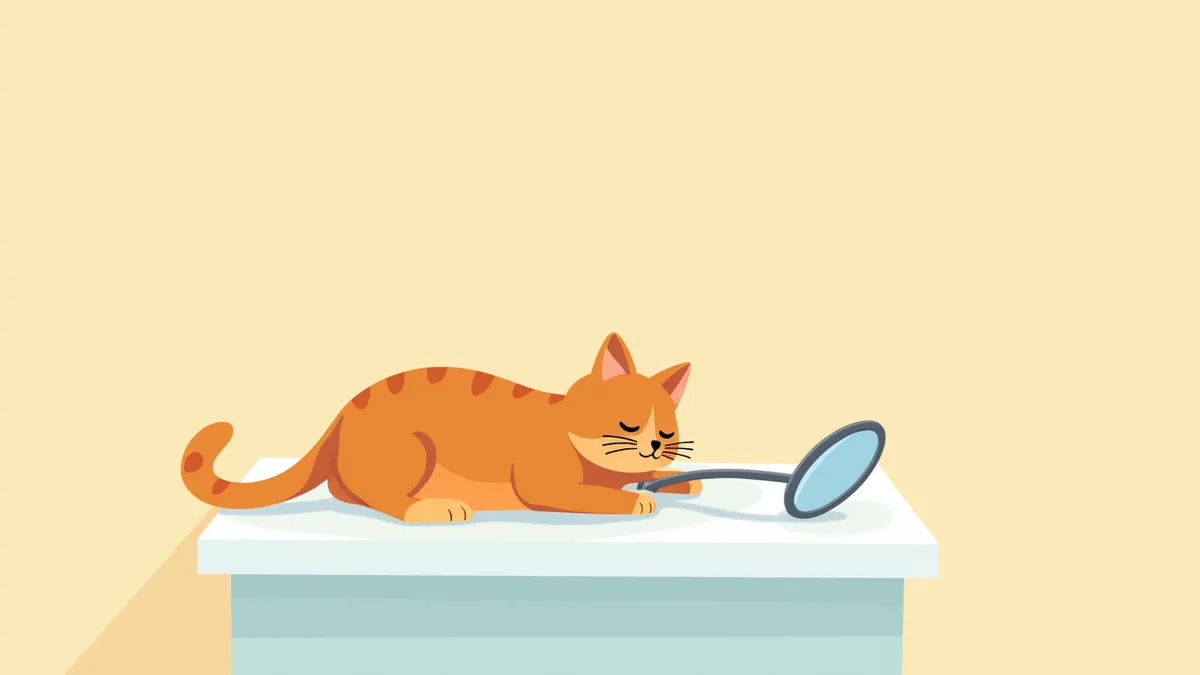
A veterinarian examining a cat's teeth.
Feline odontoclastic resorptive lesions (FORLs) are a condition in which the hard tissues of the teeth (cementum, dentin, and enamel) are gradually destroyed and absorbed, often starting in the cementum on the surface of the tooth root. In the early stages, there are typically no obvious symptoms, making it easy for pet owners to overlook the problem. Even teeth that appear healthy on the outside may be undergoing internal resorption, which can cause pain. If your cat shows signs of difficulty eating, chews on only one side, drools, or frequently drops food, early veterinary examination is essential. Regular oral check-ups and collaboration with your veterinarian are key to effective management. The earlier the condition is detected, the easier it is to manage pain and provide treatment, so careful observation is crucial.

Key Facts: Managing Feline Odontoclastic Resorptive Lesions (FORLs)

When choosing a product to manage feline odontoclastic resorptive lesions (FORLs), it’s important to have a clear therapeutic goal. For example, your main objectives might be pain relief, reducing inflammation, or protecting the teeth. Safety is also crucial, and selecting a form that your cat tolerates well—such as liquid, powder, or capsules—is key. Products recommended by a veterinarian are particularly reassuring, as their ingredients and dosages are appropriately balanced. Gradually introducing the product while monitoring your cat’s response can also be an effective approach. Always consult with a professional before starting any new product.
Cat dental care products in liquid, powder, and capsule forms

Key Facts 1: What Is the Condition and What Are the Symptoms?

Feline odontoclastic resorptive lesions (FORLs) are a progressive condition in which tooth tissue is destroyed and absorbed. The exact cause remains unknown, and the condition is commonly seen in middle-aged and older cats. Because early stages often show few or no symptoms, diagnosis is frequently delayed. As the disease progresses, signs may include red, inflamed gums, bleeding around the teeth, discomfort while chewing or chewing on only one side, drooling, decreased appetite, and frequent pawing at the mouth. Although the pain can be significant, cats have an instinct to hide discomfort, making it difficult for owners to notice the problem.
What are the symptoms and signs of this condition?

Key Facts 2: Diagnosis and Treatment Options
FORLs are difficult to assess accurately through visual examination alone, making dental radiographs (intraoral X-rays) essential for diagnosis. The veterinarian determines the treatment plan based on the location and stage of the lesions. Currently, there are no medications that can halt or reverse FORLs. While pain management or anti-inflammatory treatments may be used temporarily to alleviate symptoms, the definitive treatment is extraction of the affected teeth. Depending on the stage of the lesion, either full extraction or crown amputation may be performed, with the appropriate method selected based on the veterinarian’s diagnostic findings.
What are the diagnosis and treatment options? Please refer to the related guide image.

Key Facts 3: Management, Precautions, and the Importance of Veterinary Consultation
Feline odontoclastic resorptive lesions (FORLs) can start in one tooth and spread to others, or affect multiple teeth at once, making regular dental check-ups essential. Even after tooth extraction, new lesions may develop, so routine oral examinations—including dental radiographs—are recommended. Following surgery, provide soft food and maintain good oral hygiene as directed by your veterinarian. Claims found online that certain supplements or home remedies can treat FORLs lack scientific validation, so always consult your veterinarian before making any decisions. Diagnosis and treatment plans must be determined by a licensed veterinarian.
Proper care and precautions are important, and consulting with a veterinarian is essential. Refer to the related guide image.

What Pet Owners Should Know About Feline Odontoclastic Resorptive Lesions (FORLs)

ItemKey Points
ConditionA progressive oral disease in which tooth tissue is gradually destroyed and resorbed
SymptomsGum redness, drooling, difficulty chewing, decreased appetite, hiding pain
DiagnosisIntraoral dental radiography to confirm the location and stage of lesions
TreatmentExtraction of affected teeth (full extraction or crown amputation); no medication therapy
ManagementRegular oral check-ups, providing soft food after surgery, maintaining veterinary consultation

This is not a table recommending specific products or clinics, but rather a reference for criteria when consulting your veterinarian. Always make treatment and diagnostic decisions together with your veterinarian through an examination.

Caution: Odontoclastic Resorptive Lesions Can Cause Severe Pain

Feline odontoclastic resorptive lesions (FORLs) are a condition in which a cat’s teeth gradually dissolve, and they can be quite painful. If your cat has trouble eating, refuses to open its mouth, or licks its face more often than usual, consult your veterinarian right away. Early treatment is essential.

Usage Tips: Gradually Acclimate Your Cat by Observing Its Response
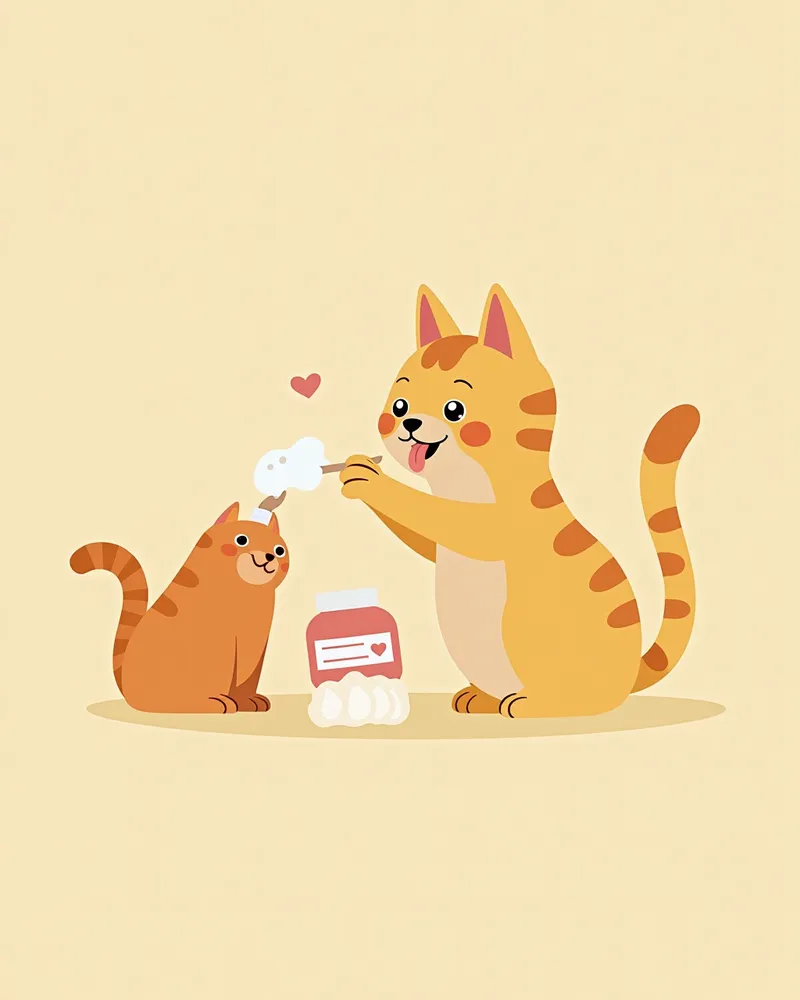
Cats may react differently when introduced to a new product. Start by offering a small amount or gently applying toothpaste to a toothbrush. Gradually increase the usage while observing your cat’s response. Be especially cautious not to force the process if your cat is in pain. Working with your veterinarian to create a management plan is the safest and most effective approach. If any adverse reactions occur after using the product, stop immediately and consult your vet.
A cat tasting toothpaste

Reviewed by a veterinarian

Dr. Tony — Punnawat Phongkittirak

Dr. Tony — Punnawat Phongkittirak

Veterinarian

A veterinarian who majored in veterinary medicine at Khon Kaen University, Thailand, and completed the IVSA program at North Carolina State University in the United States. Drawing on clinical experience at animal hospitals, he works in the pet healthcare field and is dedicated to building a digital care environment that connects pet parents with veterinarians.

Frequently Asked Questions

Can FORLs be treated?
There is currently no medication that can halt or reverse the progression of FORLs. The definitive treatment is extraction of the affected teeth (either complete extraction or crown amputation). Early detection and treatment can reduce pain and improve quality of life.
My cat won’t eat toothpaste. What should I do?
Start by applying only a small amount of toothpaste to the toothbrush. You can also choose a product with a pleasant flavor or use a supplement recommended by your veterinarian.
Which cats are more commonly affected by FORLs?
The likelihood of developing this condition increases with age, making it more commonly seen in middle-aged and senior cats. It’s difficult to definitively say that certain breeds are more prone to it, so if you have an older cat, regular dental check-ups are recommended.
Should I use the oral rinse every day?
The frequency of use varies depending on the product and your cat’s condition, so there is no one-size-fits-all standard. Rather than deciding on a schedule arbitrarily, please follow your veterinarian’s instructions. Also, keep in mind that FORLs themselves are not treated with cleaning solutions.
Is it safe to give supplements to my pet long-term?
Based on current evidence, it’s difficult to say that supplements can prevent or treat FORLs. The safety of long-term use also varies by product, so it’s not possible to make a blanket recommendation. Always consult your veterinarian to determine whether your pet should take a supplement and what the appropriate dosage should be.

Share

Related Guides

References

[1] Bellows J. Feline Dentistry – Oral Assessment, Treatment, and Preventative Care. 1st ed. Ames: Wiley-Blackwell; 2010.

[2] Thatcher CD, Hand MS, Remillard RL. Small animal clinical nutrition: an iterative process. In: Hand MS, Thatcher CD, Remillard RL, eds. Small Animal Clinical Nutrition. 5th ed. Topeka: Mark; 2010.

[3] Anderson JG, Harvey CE, Flax B. Clinical and radiographic evaluation of external odontoclastic resorptive lesions in cats (abstract). J Vet Intern Med. 1993;7:134.

This information is based on veterinary literature and does not replace diagnosis or treatment. Please consult a veterinarian for specific health concerns.

Metapet Co., Ltd. | CEO: Park Sung-yong | Business Reg. No. 417-88-02562 | Seoul, South Korea | Customer Center

7 Best Vet-Recommended Care Products for Cat FORLs | Meongsiljang