Like
Share
멍실장
고양이 구강 세정 제품 비교 관리 추천 BEST와 고르는 기준 총정리

Top 7 Cat Oral Hygiene Products Selected by Veterinarians — How to Choose Based on Ingredients and Efficacy

Oral HealthTop PicksMeongsiljang Veterinary Advisory Board

Oral health is key to preventing dental disease in cats. We’ve outlined the criteria for choosing effective cleaning products and our top three recommendations.

Why Are Cat Oral Hygiene Products Essential?

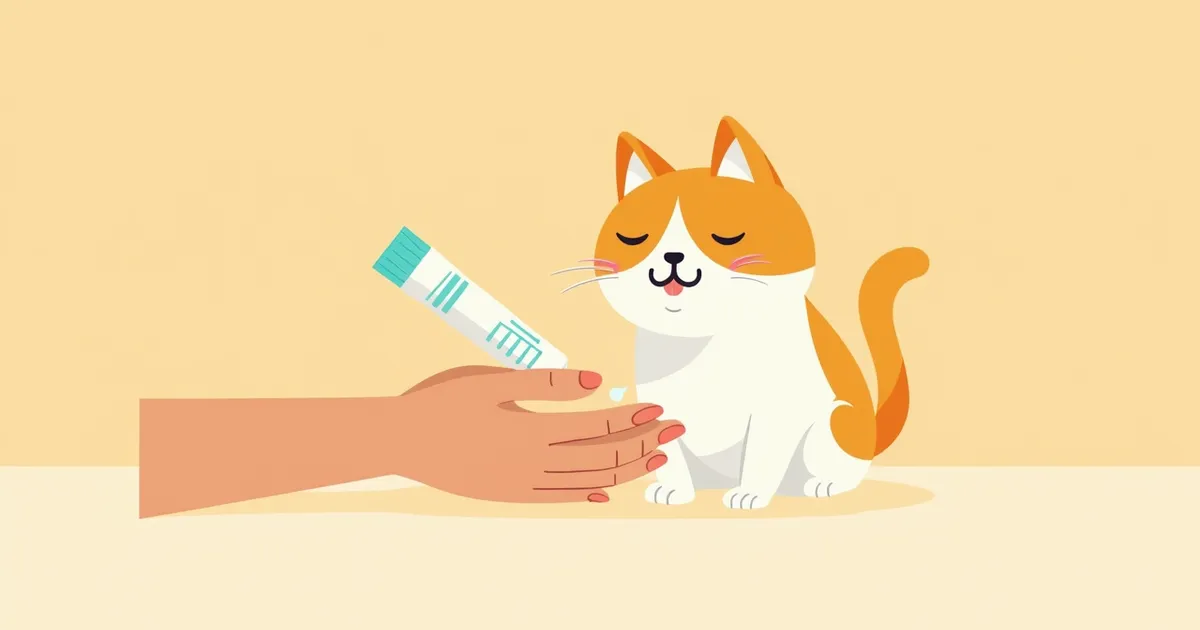
A cat having toothpaste applied to its teeth with a finger brush.
Cat oral hygiene products and at-home dental care play a crucial role in preventing plaque and gum disease (gingivitis). According to veterinary textbooks, proper at-home dental care can prevent or even reverse oral issues like gingivitis, which is why incorporating oral care into your cat’s daily routine is highly recommended. The frequency and severity of feline oral diseases tend to increase with age. Tooth resorption lesions (TR) affect approximately 25–75% of cats, depending on the studied population, and the risk of both periodontal disease and TR rises as cats get older. This pain can diminish quality of life and lead to decreased appetite and weight loss. Therefore, the key to daily care lies in selecting appropriate products, using them consistently, and scheduling regular veterinary check-ups.

Selection Criteria: Choose Safe and Effective Products
When choosing an oral hygiene product for your cat, ingredient safety and the product’s ability to control plaque and tartar are the most important factors. First, make sure the product is explicitly labeled as safe for cats. For example, some chlorhexidine-based oral rinses are specifically marked for use in both dogs and cats. You should also verify that the product effectively reduces plaque on the tooth surface through mechanical and chemical action. According to veterinary textbooks, proper at-home oral care can help prevent or even reverse gingivitis. To ensure you’re selecting a product with proven plaque and tartar control, refer to the list of products approved by the Veterinary Oral Health Council (VOHC, vohc.org). Finally, consider your cat’s preferences; a product that causes minimal rejection and can be used consistently will be more effective.
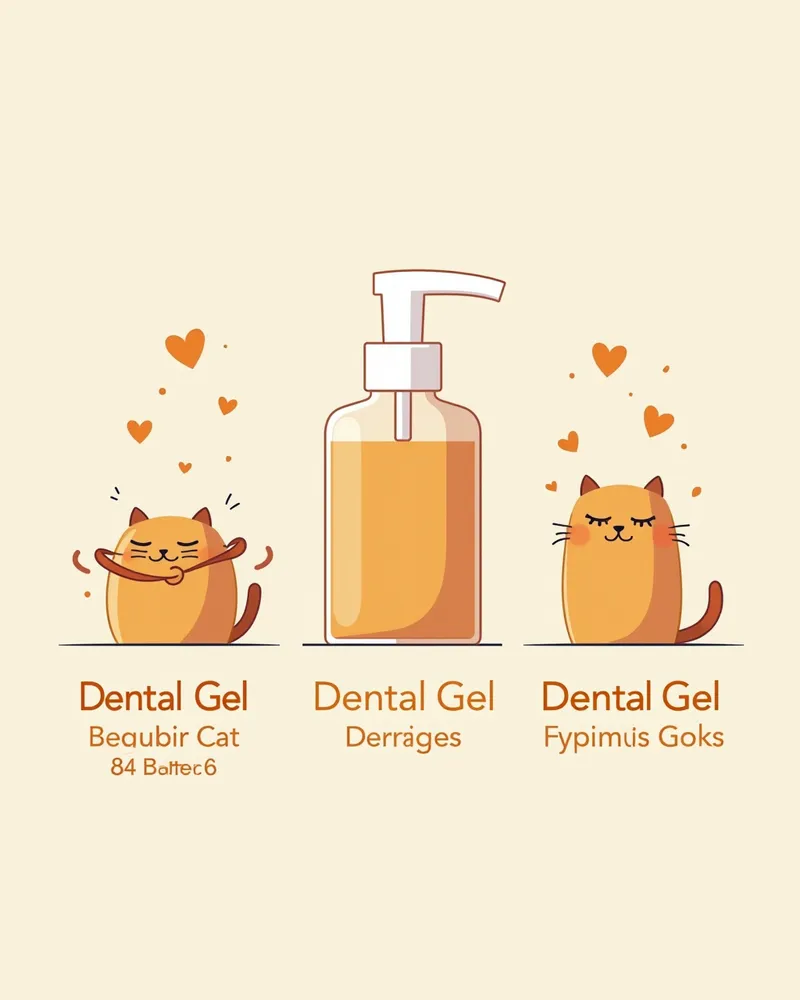
Comparison image of three cat dental cleaners

BEST 1: Premium Dental Cleaning Gel (Chlorhexidine-Based)
This product contains chlorhexidine as its main active ingredient. According to veterinary drug references, chlorhexidine is a biguanide-based antiseptic with a broad-spectrum antibacterial effect, demonstrating effective bactericidal activity against a variety of bacteria. Chlorhexidine 0.12% oral rinses are available in formulations specifically labeled for dogs and cats, and are used for at-home oral care. The gel format makes it easy to apply to the tooth surface with a finger brush, offering convenient use. However, chlorhexidine may exhibit resistance against certain Gram-negative bacteria, and its duration of efficacy and application method can vary by product, so it is best to follow the product label and your veterinarian’s instructions. Based on its potent antibacterial properties, this ingredient can be utilized for plaque control at home; please adhere to the dosage guidelines recommended by your veterinarian.
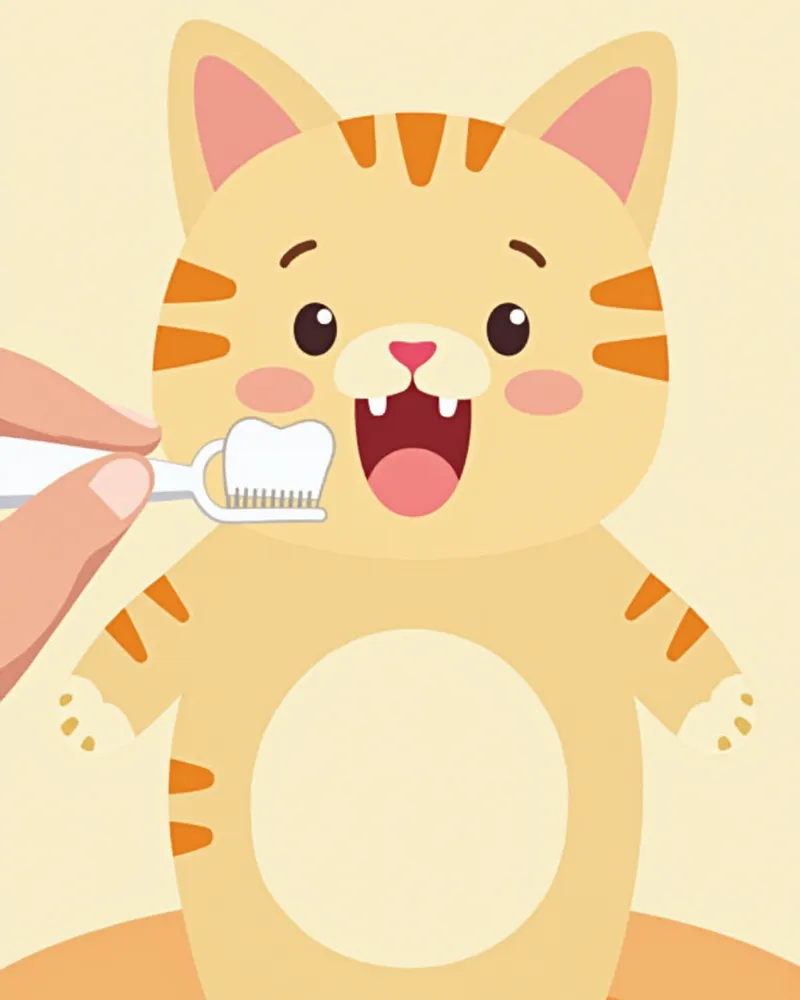
A cat’s teeth coated with a chlorhexidine-based gel.

BEST 2: Natural Ingredient Dental Cleaning Spray (Excluding Garlic and Flavorings)
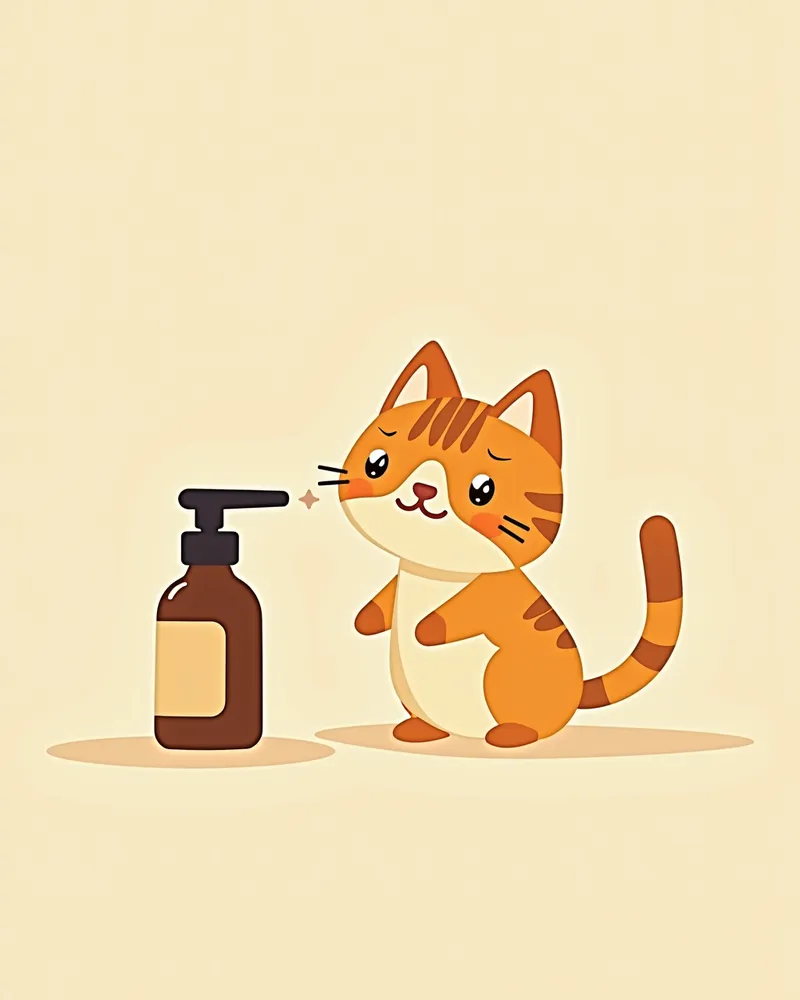
This product is a spray that claims to use “natural ingredients.” Its label lists plant extracts and tooth-protecting agents as key components. However, according to veterinary textbooks, there is no data supporting the claim that natural ingredients or natural diets are better for oral health. In other words, the “natural” label alone does not guarantee greater safety or efficacy. In fact, some plant-based ingredients, such as tea tree oil, can irritate cats or cause adverse effects, so it’s important to consult your veterinarian before use. While the spray format may make application convenient, plaque-control effectiveness can vary between products. To verify whether a product is truly effective, check for VOHC (vohc.org) approval and carefully review ingredient safety.
A cat sniffing a bottle of natural-ingredient dental cleansing spray.

BEST 3: Dental Cleaning Capsules (Taken with Food)

This product comes in capsule form to be taken with food, making it relatively convenient to use. Regarding oral health through diet, veterinary textbooks cite studies linking dry food consumption to better oral health in both kittens and adult cats, but there is no evidence that a raw diet is superior for oral health. Additionally, foods, treats, and products that meet established standards for mechanically and chemically controlling plaque and tartar—such as those with VOHC approval—can help maintain oral hygiene. While mixing it into food allows your cat to self-administer, reducing the burden of care, the effects are not immediate, so consistent use is necessary. Introduce this as part of daily care tailored to your cat’s eating habits, but for the safest approach, combine it with regular veterinary check-ups and dental care.
A cat eating food mixed with capsules

Comparison Table of Products BEST 1–3

ItemPremium gelNatural sprayCapsule type
Main ingredientsChlorhexidineTea tree oil, lemongrassTooth-protecting ingredients
Duration of effectCheck product labelCheck product labelCheck product label
Ease of useFinger brush requiredSpray applicationMixed with food
Cat palatabilityModerateHighVery high
Possible side effectsRequires attention to dosage and veterinary consultationA 'natural' label does not guarantee safetyVeterinary consultation recommended

The duration of effect and safety are difficult to conclude based on the cited veterinary textbook evidence alone. Confirm through VOHC (vohc.org) certification and veterinary consultation whether a product's plaque/tartar control effect is verified, and do not assume that a 'natural' label alone makes a product safer or more effective.

Caution: Watch for Side Effects from Overuse

All oral hygiene products, including those based on chlorhexidine, should be used according to the product label and the dosage recommended by your veterinarian. It’s important to stick to the proper amount, as swallowing too much of the product at once can cause discomfort in cats. Even products labeled as “natural” aren’t necessarily safer, and certain plant-based ingredients like tea tree oil can irritate cats. Choosing the wrong product may lead to rejection or adverse reactions, so always start with a small amount to test your cat’s response, and consult your veterinarian immediately if any issues arise.

Usage Tips: How to Help Your Cat Accept the Product Easily
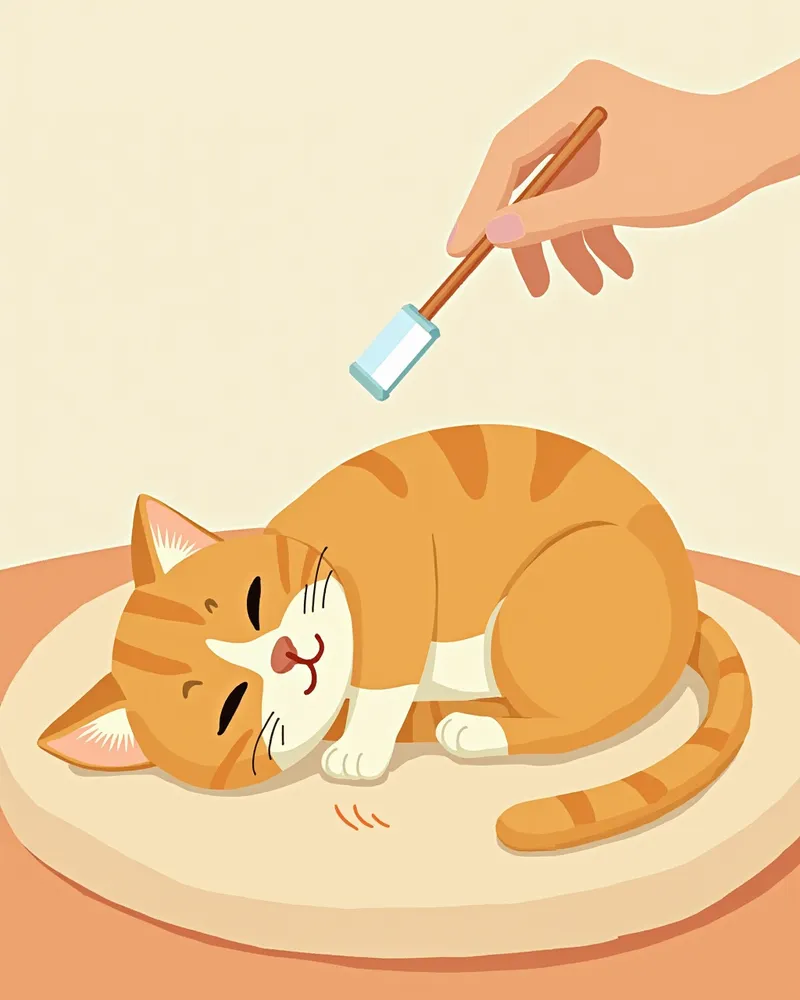
To help your cat accept oral rinses, start with a small amount and mix it into their food. For gel products, gently rub them onto the teeth using a finger brush. Sprays work best when lightly misted near the cat’s nose. It’s also important to use these products during times when your cat is relaxed. With consistent, routine use, your cat will gradually become accustomed to them. For the safest approach, consult your veterinarian to choose the right product and method tailored to your cat’s specific needs.
A cat calmly having dental cleanser applied to its teeth.

Reviewed by a veterinarian

Dr. Tony — Punnawat Phongkittirak

Dr. Tony — Punnawat Phongkittirak

Veterinarian

A veterinarian who majored in veterinary medicine at Khon Kaen University, Thailand, and completed the IVSA program at North Carolina State University in the United States. Drawing on clinical experience at animal hospitals, he works in the pet healthcare field and is dedicated to building a digital care environment that connects pet parents with veterinarians.

Frequently Asked Questions

How many times a day should I use the oral rinse?
Veterinary textbooks recommend daily at-home oral care, such as brushing your pet’s teeth. Since the recommended frequency may vary depending on the product, please follow the instructions on the packaging and consult your veterinarian for personalized guidance.
Is it dangerous if a cat ingests a cleaning agent?
When used as directed on the product label, small amounts ingested are generally not a concern. However, swallowing large quantities at once may cause discomfort. Always follow the recommended usage guidelines, and consult your veterinarian if you have any concerns.
Can kittens use this too?
The best time to start oral care for a young cat depends on its dental development stage and individual condition, so it’s best to consult with your veterinarian to determine the right timing. Begin with small amounts and observe your cat’s response.
Is an oral rinse alone sufficient?
Mouthwash is an important adjunct, but veterinary textbooks emphasize the need for daily home care (brushing) along with regular professional cleanings and checkups. Combining these with everyday care enhances their effectiveness.
Are natural ingredient products safer?
Just because a product is labeled "natural" doesn't mean it's safer or more effective. According to veterinary textbooks, there is no evidence that raw or natural products are better for oral health. Consult your veterinarian to choose a product with proven efficacy that suits your cat's condition.

Share

Related Guides

References

[1] BSAVA Manual of Canine and Feline Dermatology, 4th Ed, 2023

[2] Applied Veterinary Clinical Nutrition, 2nd Ed, 2021

[3] The Cat, Clinical Medicine and Management, 2nd Edition, 2020

This information is based on veterinary literature and does not replace diagnosis or treatment. Please consult a veterinarian for specific health concerns.

Metapet Co., Ltd. | CEO: Park Sung-yong | Business Reg. No. 417-88-02562 | Seoul, South Korea | Customer Center

Top 7 Cat Oral Hygiene Products: Ingredients & Efficacy | Meongsiljang