

7 Treatment and Management Strategies for Canine Fibrosarcoma Recurrence Recommended by Veterinarians
Canine fibrosarcoma is a malignant tumor that can be difficult to treat, and early diagnosis along with appropriate oncologic care are key factors in determining survival rates. The most important step is working closely with your veterinarian to develop a personalized treatment plan.
What Is Canine Fibrosarcoma Oncology?

Key Points: Managing Fibrosarcoma

Key Point 1: What Kind of Tumor Is Fibrosarcoma?

Key Point 2: Wide Excision Is Key to Treatment
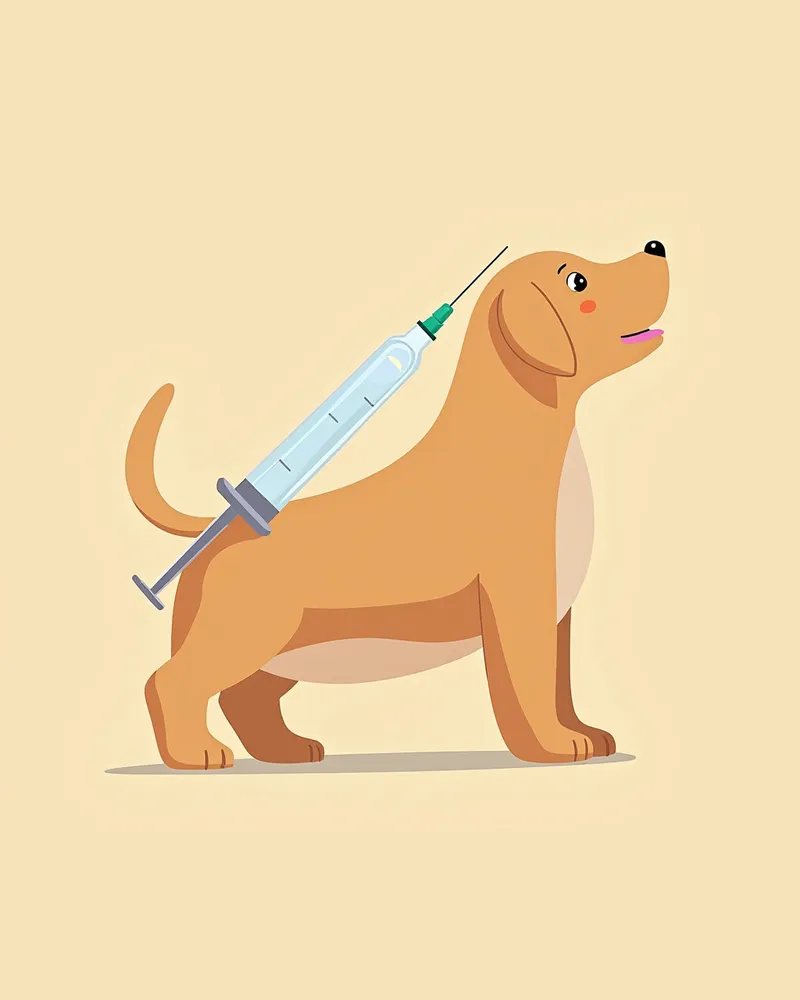
Key Point 3: Monitoring, Prevention, and Professional Consultation

Key Facts About Fibrosarcoma
| Item | Key Points |
|---|---|
| Condition | Malignant connective tissue tumor, invasive growth with frequent recurrence |
| Canine Characteristics | May present as injection-site sarcoma (FISS) (see a vet if a lump persists for several weeks or more) |
| Treatment | Wide excision with ample margins, margin confirmation + possible combination with radiation/chemotherapy |
| Prevention | Consult your vet regarding recommendations on canine vaccination sites and types |
| Management | Monitor for recurrence, avoid relying on unproven supplements, consult an oncology specialist |
This is not a table recommending specific products or hospitals, but a reference for consulting with your veterinarian. Treatment and testing decisions must always be made together with your veterinarian through an examination.
Caution: Early Diagnosis Determines Survival Rates
Canine fibrosarcoma often starts as a small, painless lump that owners may easily overlook. If you feel a firm, immobile mass, or if a lump at an injection site persists for more than a few weeks or gradually grows, seek veterinary care immediately.
Care Tips: Owner Management Points During Treatment

Reviewed by a veterinarian

Dr. Tony — Punnawat Phongkittirak
VeterinarianA veterinarian who majored in veterinary medicine at Khon Kaen University, Thailand, and completed the IVSA program at North Carolina State University in the United States. Drawing on clinical experience at animal hospitals, he works in the pet healthcare field and is dedicated to building a digital care environment that connects pet parents with veterinarians.
Reviewed 2026-06-07
Frequently Asked Questions
Can canine fibrosarcoma be cured?
Is radiation therapy always necessary after surgery?
When is chemotherapy used?
My puppy has no appetite during treatment. What should I do?
Can it be treated again if it recurs?
Share
Related Guides

Comprehensive Guide to Recommended Hospice Care and Quality of Life Management for Cats with Tumors

7 Factors Determining Prognosis and Life Expectancy in Dogs with Tumors, According to Veterinarians

7 Key Management Points for Canine Transitional Cell Carcinoma (Bladder Cancer) Recommended by Veterinarians — From Symptoms to Care

Top 5 Prescription Cat Foods for Liver Disease — Diets for Fatty Liver and Hepatitis Recovery

Top 5 Dog SAMe Liver Supplements Recommended by Veterinarians

Top 5 Cranberry Urinary Supplements for Dogs — Preventing Cystitis

Top 5 Kidney Supplements for Dogs — Omega-3 vs. Azodyl Comparison

Top 5 Cat Stairs and Cat Tower Ramps for Senior Cats — Reducing Joint Stress

Veterinarian-Recommended Top 5 UC-II Collagen Joint Supplements for Dogs

Top 5 Orthopedic Dog Beds Recommended by Veterinarians — Comparing Memory Foam for Joint Strain
References
[1] Chu, M.L., et al. (2020). Comparison of surgical margins and recurrence rates in canine fibrosarcomas. Veterinary Pathology, 41(4), 307–318.
[2] Phelps, M.E., et al. (2011). Radical excision outcomes in 91 dogs with fibrosarcoma. Veterinary Surgery, 40(5), 543–551.
[3] Seitz, S.E., et al. (1995). Evaluation of marking materials for cutaneous surgical margins. American Journal of Veterinary Research, 56(6), 826–833.