Like
Share
멍실장
고양이 부정맥(심방세동) 관리 추천 BEST와 고르는 기준 총정리

7 Key Tips for Managing Feline Atrial Fibrillation Arrhythmia, Selected by Veterinarians

HeartTop PicksMeongsiljang Veterinary Advisory Board

Feline arrhythmia (atrial fibrillation) is a condition characterized by irregular heartbeats, making early detection and proper management essential. The key is to work with your veterinarian to choose a tailored management plan.

What is Feline Arrhythmia (Atrial Fibrillation)?
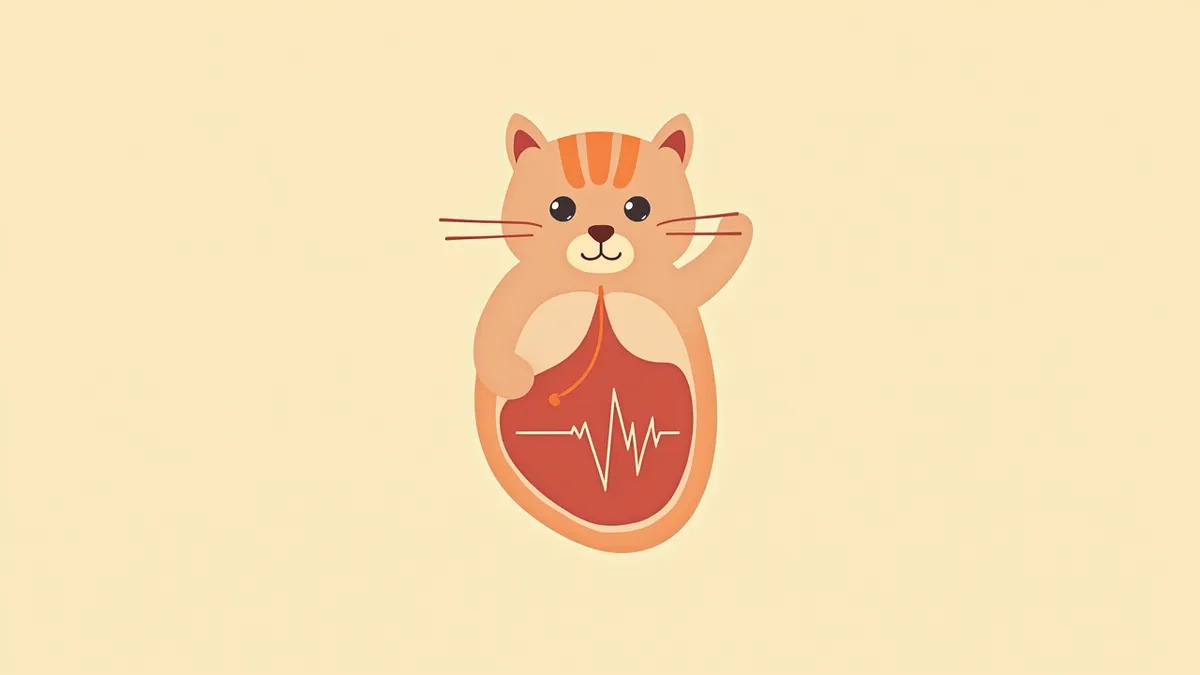
Diagram of a cat's heart structure during atrial fibrillation
Feline atrial fibrillation is a type of arrhythmia in which the heart’s atria quiver irregularly and rapidly, preventing efficient blood flow. In cats, it often occurs alongside underlying heart (myocardial) conditions such as hypertrophic cardiomyopathy, and if the heart fails to pump properly, it can lead to congestive heart failure. Early detection and ongoing management are crucial for this condition. Because cats tend to mask their symptoms, regular veterinary check-ups are essential. When atrial fibrillation develops, the heart rate becomes rapid and irregular, potentially causing symptoms such as lethargy, difficulty breathing, rapid respiration, and exercise intolerance. The key is to work with your veterinarian to diagnose the condition through advanced tests like electrocardiograms (ECG) and echocardiograms, and to establish a management plan tailored to the underlying disease and the cat’s specific condition. Early detection and consistent care play a vital role in helping your cat maintain a stable and comfortable life.

Note: Managing Feline Arrhythmia (Atrial Fibrillation)

Feline arrhythmia (atrial fibrillation) is not a condition that can be "treated" with supplements or products alone; it requires management centered on a veterinarian’s diagnosis and prescription. Therefore, before considering any supplement, please review the following four criteria and always consult your veterinarian to ensure safe use.
Veterinary consultation comes first: Atrial fibrillation is diagnosed via electrocardiogram and managed with medications that regulate heart rate and rhythm, so no product can replace prescribed treatment.
Choose evidence-based products: Products with clearly labeled ingredients and dosages, without exaggerated claims, are more reliable.
Cat-friendly formulations: Forms such as powders, gels, or liquids that cats can consume without stress are preferable.
Free from additives and preservatives: Products with minimal artificial colors and preservatives place less burden on your cat. However, always remember that no supplement can replace prescribed medication.
A cat enjoying a heart-healthy treat.

Note 1: What is Atrial Fibrillation and How Urgent Is It?

Atrial fibrillation is a type of arrhythmia in which the heart’s atria beat rapidly and irregularly, disrupting the electrical signals sent to the ventricles. Although relatively uncommon in cats, it can impair the heart’s ability to pump blood efficiently, leading to reduced cardiac output. Common signs include lethargy, difficulty breathing, rapid breathing, exercise intolerance, and fainting. This condition is more likely to occur in cats with underlying heart disease. If symptoms appear suddenly or your cat seems to be struggling to breathe, seek veterinary care immediately.
What is atrial fibrillation, and how urgent is it? Related guide image

Note 2: How Is It Diagnosed and What Are the Treatment Options?
Atrial fibrillation is diagnosed using an electrocardiogram (ECG). Additional tests, such as chest radiographs, echocardiography (heart ultrasound), and blood work, are performed to evaluate underlying causes and cardiac function. Treatment focuses on addressing the underlying disease and controlling the heart rate. Depending on the veterinarian’s assessment, prescribed medications may be used to lower the heart rate or support cardiac function. Anticoagulant therapy may also be administered if there is a risk of blood clots. The specific medications and dosages must always be determined by a veterinarian based on the diagnostic results.
How is the diagnosis made, and what treatment options are available?

Note 3: Home Care and Precautions for Owners

Never stop or adjust the prescribed medication without veterinary guidance. Regular follow-up electrocardiograms and echocardiograms are essential, so be sure to keep all scheduled recheck appointments. Provide a calm, stable environment to minimize stress and avoid strenuous activity. Seek emergency care immediately if you notice a sudden increase in respiratory rate, open-mouth breathing, or pale or bluish gums. Do not use any supplements or natural remedies found online without first consulting your veterinarian, as this can be dangerous.
Guidance image on home care and precautions for pet owners

Feline Arrhythmia (Atrial Fibrillation): What Owners Should Know

ItemKey Points
ConditionAn arrhythmia in which the atria quiver irregularly, reducing blood circulation efficiency
SymptomsLethargy, difficulty breathing, exercise intolerance, possible fainting
DiagnosisConfirmed by electrocardiogram (ECG), echocardiography, and blood tests
TreatmentHeart-rate control medications, with anticoagulant therapy if needed
CautionDo not discontinue medication arbitrarily; seek emergency care immediately if breathing is abnormal

This is not a table recommending specific products or hospitals, but a reference for consulting your veterinarian. Treatment and testing decisions must always be made together with a veterinarian through examination.

Caution: Serious Side Effects May Occur with Overdose

Heart medications, particularly drugs like digoxin, have a narrow therapeutic index in cats, meaning that exceeding the prescribed dose can paradoxically worsen heart rhythm irregularities or cause side effects such as vomiting and decreased appetite. Therefore, the specific medication and dosage must be determined by a veterinarian based on the cat’s weight and test results, and owners should never adjust the dose on their own. If any abnormal symptoms such as vomiting, loss of appetite, or lethargy occur during treatment, stop administering the medication immediately and visit the clinic.

Usage Tips: 3 Key Principles for Managing Feline Arrhythmia

To effectively manage your cat’s arrhythmia, it’s important to follow these three key guidelines. These tips offer practical, everyday advice that you can easily implement.
Regular follow-up examinations: Schedule follow-up heart ultrasounds and electrocardiograms (ECGs) according to your veterinarian’s recommended timeline—typically every 6 to 12 months, or more frequently if your cat’s condition is unstable.
Minimize stress: Provide a quiet, stable living environment and avoid sudden loud noises or other stressful stimuli.
Diet and weight management: Stick to the diet plan recommended by your veterinarian and avoid obesity or excessive treats. Do not make any dietary changes or use supplements without first consulting your veterinarian.
A cat resting comfortably in a quiet environment

Reviewed by a veterinarian

Dr. Tony — Punnawat Phongkittirak

Dr. Tony — Punnawat Phongkittirak

Veterinarian

A veterinarian who majored in veterinary medicine at Khon Kaen University, Thailand, and completed the IVSA program at North Carolina State University in the United States. Drawing on clinical experience at animal hospitals, he works in the pet healthcare field and is dedicated to building a digital care environment that connects pet parents with veterinarians.

Frequently Asked Questions

Can feline arrhythmia (atrial fibrillation) be cured?
Atrial fibrillation is a condition that is difficult to cure completely, so the main goals are managing symptoms and controlling heart rate and rhythm. In cats, it often occurs alongside underlying heart diseases such as hypertrophic cardiomyopathy, making ongoing management with your veterinarian essential.
Can I give my pet supplements more than once a day?
Always follow your veterinarian’s prescribed dosage and frequency for medications and supplements. Some heart medications have a narrow safety margin, so exceeding the recommended dose can strain the heart—never adjust the amount on your own.
Are treat-based products less effective?
Treat-style supplements may be convenient to administer, but no supplement can cure atrial fibrillation itself. Atrial fibrillation is a condition that must be managed with prescription medications from a veterinarian, so always consult your vet before deciding whether to use any supplement or which type to choose.
How often should I have my pet’s heart checked?
The frequency of check-ups varies depending on your pet’s condition, but generally, it’s recommended to have follow-up cardiac ultrasounds every 6 to 12 months, or more frequently if their condition is unstable. Your veterinarian will determine the exact schedule.
What should I do if my cat refuses to take supplements?
Instead of forcing your pet to take it, try mixing it into their food or offering it alongside a favorite treat. Please remember that supplements are meant to support, not replace, prescribed treatments, so always consult your veterinarian before changing the form or stopping use.

Share

Related Guides

References

[1] The Cat, Clinical Medicine and Management, 2nd Edition, 2023, Elsevier

[2] Feline Emergency and Critical Care Medicine, 2nd Ed, 2022, Wiley-Blackwell

[3] Small Animal Critical Care Medicine, 3rd Ed, 2021, Elsevier

This information is based on veterinary literature and does not replace diagnosis or treatment. Please consult a veterinarian for specific health concerns.

Metapet Co., Ltd. | CEO: Park Sung-yong | Business Reg. No. 417-88-02562 | Seoul, South Korea | Customer Center

7 Vet Tips for Managing Feline Atrial Fibrillation | Meongsiljang