Like
Share
멍실장
고양이 ACE 억제제 심장 관리 추천 BEST와 고르는 기준 총정리

7 Key Points for Managing Feline Heart Disease with ACE Inhibitors, as Recommended by Veterinarians

HeartTop PicksMeongsiljang Veterinary Advisory Board

Here’s how to effectively choose ACE inhibitor products for managing feline heart disease, along with our top three recommendations. Always use under veterinary guidance for safety.

What Is ACE Inhibitor Therapy for Feline Heart Management?

A cat looking at its heart through a stethoscope
ACE inhibitor therapy is a cornerstone treatment for managing heart disease in cats caused by impaired cardiac function or high blood pressure. - Effectiveness: ACE inhibitors block the production of angiotensin II, helping to relax blood vessels, lower blood pressure, and reduce the workload on the heart. - Safety: While used under veterinary diagnosis and prescription, side effects such as low blood pressure, gastrointestinal upset, or decreased kidney function may occur, making regular check-ups and monitoring essential. - Ease of Administration: Available in various forms, including capsules, liquids, and tablets, allowing selection based on your cat’s specific condition. - Long-term Use: Suitable for managing chronic heart disease, with the ability to be administered continuously over time. - Individualized Prescribing: Dosage is adjusted according to weight, health status, and medical history. Always use under the guidance of a veterinarian.

5 Criteria for Choosing an ACE Inhibitor

Choosing the right ACE inhibitor for your cat requires considering several factors. Here’s what you need to know for effective management:
Effectiveness: The medication should contain ingredients proven to improve heart function and regulate blood pressure.
Safety: Opt for products with minimal side effects and dosages specifically formulated for a cat’s body size.
Ease of Administration: Choose a form that’s easy to administer, such as capsules or liquid formulations.
Kidney Function Considerations: If your cat has kidney disease or proteinuria, prioritize ingredients like benazepril, which have been shown to slow the progression of kidney dysfunction.
Veterinarian Recommendations: Select ingredients that are commonly used in clinical practice and have received positive evaluations.
A veterinarian smiling while holding a bottle of heart medication for cats.

BEST 1: Benazepril Capsules

Benazepril capsules are an ACE inhibitor widely used to manage heart disease and hypertension in cats. - Efficacy: By inhibiting the production of angiotensin II, it helps relax blood vessels, lowering blood pressure and reducing the workload on the heart. One study showed that systolic blood pressure dropped below 160 mmHg after 14 days of administration. - Safety: While generally well-tolerated, it can cause hypotension, gastrointestinal upset, or changes in kidney function. Therefore, dosage adjustments and monitoring based on the cat’s weight and condition are essential. - Ease of Administration: The capsule form makes dosing simple, and its absorption is minimally affected by food, allowing it to be given with or without meals. - Suitability for Long-Term Management: It is used for managing chronic heart disease and should be administered consistently under veterinary guidance. - Renal Protective Effects: It is often chosen when kidney disease is present, as it may help slow the decline of kidney function, particularly in cats with proteinuria.
A 1 mg benazepril capsule placed on a white background

BEST 2: Enalapril Oral Solution

Enalapril liquid is an ACE inhibitor medication formulated in a liquid form, making it easier to administer to cats that have difficulty swallowing pills. - Effectiveness: It inhibits the production of angiotensin II, helping to relax blood vessels and reduce the burden on the heart and lower blood pressure. - Safety: It is relatively safe when used at the dosage prescribed by a veterinarian, but monitoring is necessary as it may cause hypotension, gastrointestinal disturbances, or changes in kidney function. - Ease of Administration: The liquid form makes it easy to give to cats that reject pills, and it is typically administered every 12 to 24 hours. - Long-term Use: It can be used for managing chronic heart disease and should be taken consistently under veterinary guidance. - Individualized Prescribing: The veterinarian adjusts the dosage based on the cat’s weight, kidney function, and overall health status.
Enalapril liquid inside a syringe

BEST 3: Telmisartan Tablets

Telmisartan tablets are not ACE inhibitors but rather angiotensin receptor blockers, yet they demonstrate excellent efficacy in improving heart function and regulating blood pressure. - Effectiveness: They help reduce the burden on the heart and inhibit hypertrophy of the heart muscle. - Safety: They have minimal impact on kidney function in cats and show stable responses even with long-term use. - Ease of Administration: Once-daily dosing reduces administration frequency, making it easier for owners to manage. - Suitability for Long-Term Management: They can be used safely in cats with concurrent chronic kidney disease. - Minimized Side Effects: Side effects are generally rare, and stable therapeutic outcomes can be expected when used under veterinary guidance.
A 10mg telmisartan tablet placed on a white background

Comparison Table of Products BEST 1–3

ItemBenazepril CapsuleEnalapril LiquidTelmisartan Tablet
Main ingredientBenazeprilEnalaprilTelmisartan
FormCapsuleLiquidTablet
Dosing frequencyEvery 12–24 hoursEvery 12–24 hoursEvery 12 hours initially (14 days), then once daily
Recommended casesReduced cardiac function, hypertensionCats that have difficulty taking capsulesChronic kidney disease with proteinuria
Likelihood of side effectsLowLowModerate

All products must be used under veterinary prescription, and if abnormal symptoms appear during use, visit the hospital immediately.

Precautions and Contraindications

ACE inhibitors can affect your cat’s kidney function, so a kidney function test is essential before starting treatment. If you notice sudden low blood pressure, vomiting, or loss of appetite, stop the medication immediately and consult your veterinarian.

Usage Tips and Management Points
Here are some tips for using ACE inhibitors effectively:
Regular check-ups: While your pet is on the medication, periodic blood tests and blood pressure measurements are necessary to monitor kidney function and blood pressure.
Consistent timing: For best results, administer the medication at the same time each day.
Food independence: Benazepril has a bioavailability of approximately 40% and is minimally affected by food, so it can be given regardless of meals. However, since this can vary by medication, always follow your veterinarian’s guidance.
Proper storage: Store the medication in a cool place, away from moisture and direct sunlight.
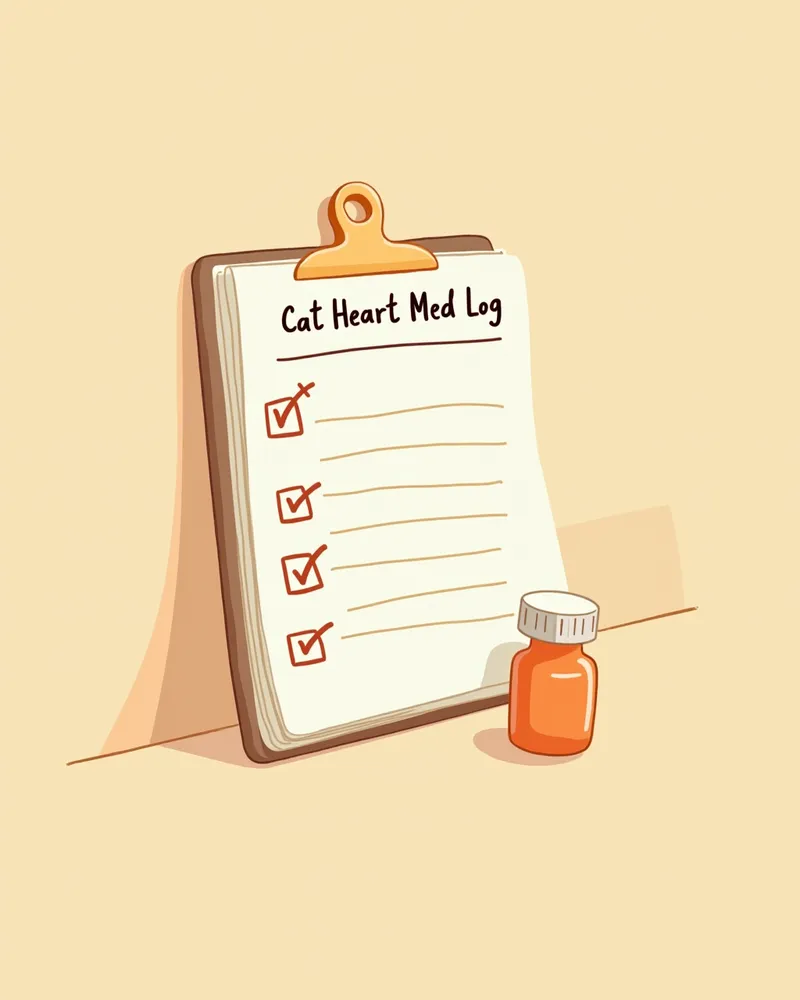
Record keeping: It’s helpful to keep track of doses using a logbook or a mobile app.
A cat’s heart medication log and pill bottle sitting side by side.

Reviewed by a veterinarian

Dr. Tony — Punnawat Phongkittirak

Dr. Tony — Punnawat Phongkittirak

Veterinarian

A veterinarian who majored in veterinary medicine at Khon Kaen University, Thailand, and completed the IVSA program at North Carolina State University in the United States. Drawing on clinical experience at animal hospitals, he works in the pet healthcare field and is dedicated to building a digital care environment that connects pet parents with veterinarians.

Frequently Asked Questions

Are ACE inhibitors always safe for cats?
Not all cats are safe to use this medication. If kidney function is poor, side effects may occur, so testing before administration is essential.
Will the symptoms return if I stop the medication?
Yes, heart disease requires ongoing management. Suddenly stopping the medication can cause a rapid spike in blood pressure.
What should I do if my cat won’t take liquid medication?
Consult your veterinarian about switching to a different formulation of the medication or mixing it with food.
If you forget to give the medication twice a day, what should you do?
Avoid giving your pet two doses at once. If you miss a dose, simply give the next one at the regular scheduled time, and consider setting an alarm to help you stay on track going forward.
Can ACE inhibitors be taken with other medications?
This medication may interact with other drugs, so be sure to inform your veterinarian.

Share

Related Guides

References

[1] Clinical Medicine of the Dog and Cat, 4th Ed. (2023). Chapter 8: Cardiovascular Diseases in Cats.

[2] Handbook of Veterinary Pharmacology. (2022). Section 3: Anti-hypertensive Drugs in Feline Patients.

[3] Feline Emergency and Critical Care Medicine, 2nd Ed. (2021). Chapter 7: Management of Hypertension and Heart Failure.

This information is based on veterinary literature and does not replace diagnosis or treatment. Please consult a veterinarian for specific health concerns.

Metapet Co., Ltd. | CEO: Park Sung-yong | Business Reg. No. 417-88-02562 | Seoul, South Korea | Customer Center

7 Vet Tips for Feline Heart Care with ACE Inhibitors | Meongsiljang