Like
Share
멍실장
강아지 곡물 프리 사료와 DCM 논란 관리 추천 BEST와 고르는 기준 총정리

7 Key Points on the Grain-Free Dog Food and DCM Controversy Explained by a Vet — How to Choose Safely

HeartTop PicksMeongsiljang Veterinary Advisory Board

As concerns grow over the link between grain-free dog food and DCM, it has become more important than ever to know how to choose safe, balanced dog food. In this article, we’ve outlined the key criteria for selecting a quality diet, along with our top three vet-approved picks.

What Is the Grain-Free Dog Food and DCM Controversy?
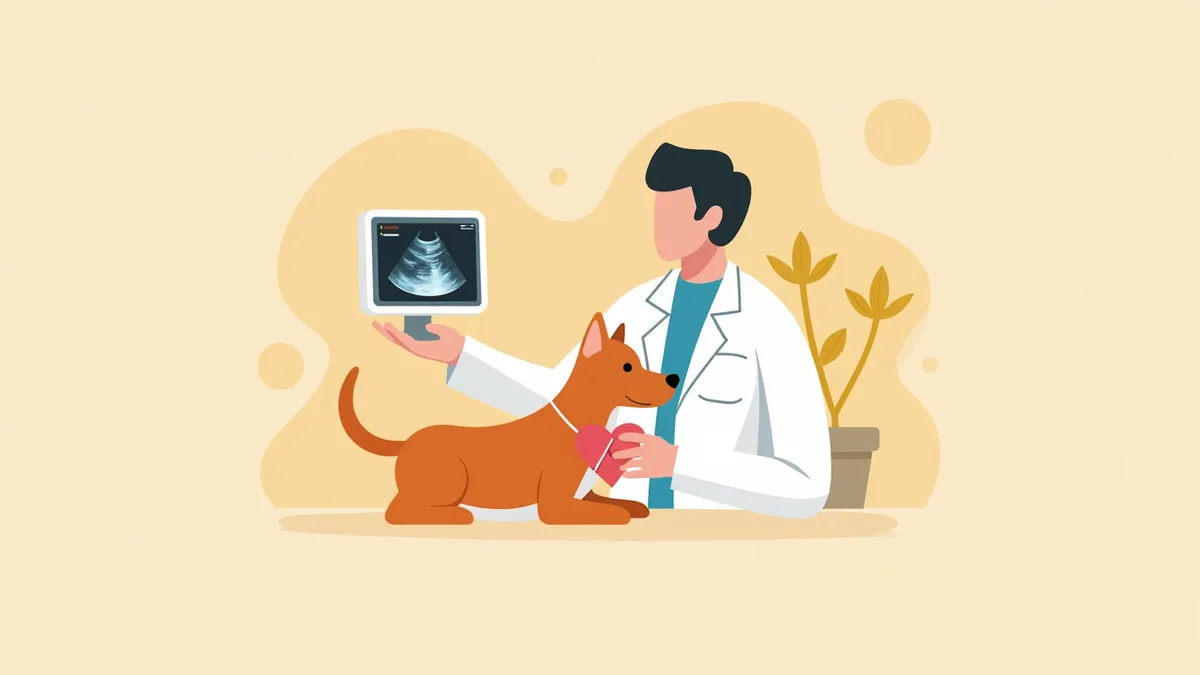
A veterinarian diagnosing DCM using an echocardiogram
The debate surrounding grain-free dog food and dilated cardiomyopathy (DCM) is a heart disease-related issue that has recently drawn significant attention in the veterinary community. In 2018, the U.S. Food and Drug Administration (FDA) announced a potential link between grain-free diets containing high levels of legumes such as potatoes, peas, and lentils, and secondary dilated cardiomyopathy (DCM). However, a direct causal relationship between consuming these diets and nutritional DCM has not yet been proven, and investigations are ongoing to determine whether these ingredients may be contributing factors. Indeed, DCM has been reported in some dogs fed grain-free diets, and in some cases, heart ultrasound findings improved after switching to a different diet. This phenomenon has become a matter of significant concern for both veterinarians and pet owners.

Key Criteria for Choosing Grain-Free Dog Food
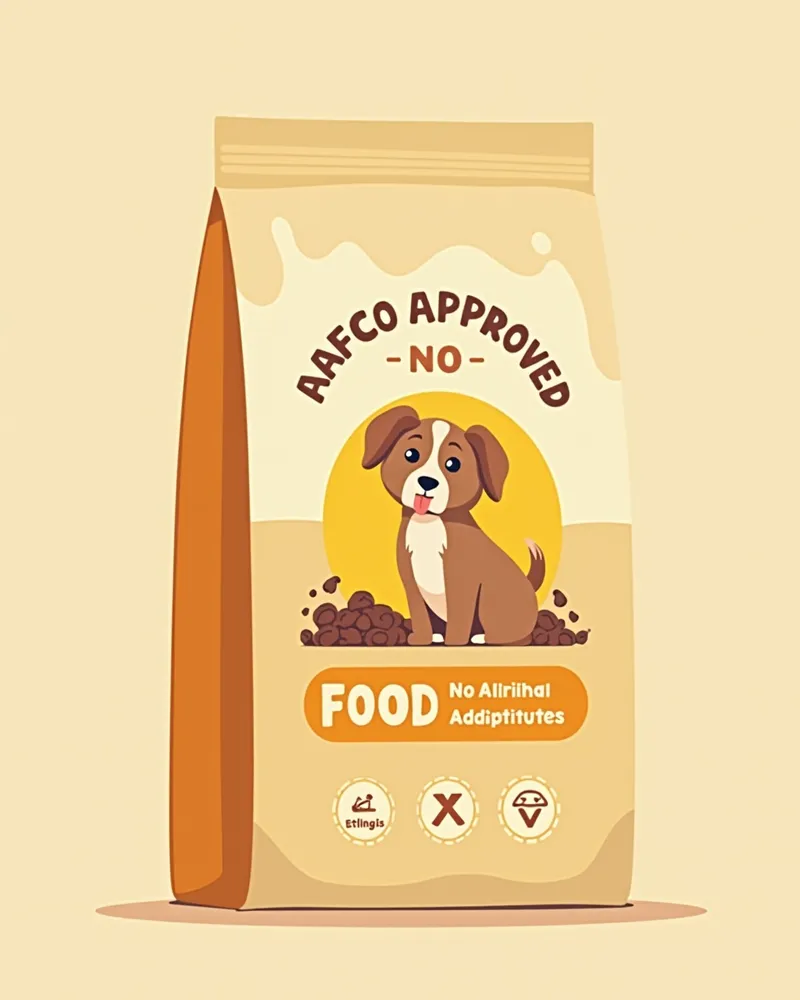
When choosing a grain-free diet for your dog, it’s important to look beyond just the “grain-free” label and carefully evaluate the overall nutritional balance and ingredient sources. A safe diet should meet AAFCO standards and use scientifically backed ingredient combinations. In particular, it’s advisable to select products that do not contain excessively high levels of legumes such as potatoes, peas, and lentils, which have been associated with dilated cardiomyopathy (DCM). However, since this association has not yet been definitively proven, it is also important to choose brands that are recommended by veterinarians or have been thoroughly validated. Additionally, diets primarily based on lamb or rice, or those that are low in protein and high in fiber, may reduce taurine bioavailability, so you should also consider the protein level and digestibility of the food.
AAFCO-certified grain-free pet food label

BEST 1: Premium Grain-Free Heart Health Dog Food

This grain-free formula is designed to minimize ingredients that have been linked to dilated cardiomyopathy (DCM). The primary protein sources are chicken breast and chicken meal, while legumes such as potatoes, peas, and lentils are not used as main ingredients. It includes taurine, an amino acid often discussed in DCM-related nutritional studies, and is formulated with consideration for optimal protein levels and digestibility. However, please note that no single ingredient can guarantee heart health, and the taurine content listed on the label does not directly determine blood taurine levels. This product aims to provide balanced nutrition for long-term feeding, so be sure to follow the recommended serving sizes based on your dog’s weight.
A Golden Retriever enjoying premium grain-free food.

BEST 2: Science-Based Grain-Free Dog Food (Heart-Specific)

This grain-free formula is marketed as being developed with heart health in mind, emphasizing a nutrient profile that reduces the proportion of legumes (such as potatoes, peas, and lentils) which have been linked to dilated cardiomyopathy (DCM). Chicken is the primary ingredient, and the formula focuses on nutrients like taurine and L-carnitine, which are often discussed in DCM research. However, since there is no established direct evidence that grain-free diets prevent DCM, it is more accurate to view this food as providing balanced nutrition rather than as a preventive measure. The formula is designed for easy digestion and includes probiotics to support a healthy gut environment.
A veterinarian holding a grain-free, heart-specific pet food

BEST 3: Natural Ingredient-Focused Grain-Free Dog Food

This food is formulated primarily with natural and organic ingredients, aiming for balanced nutrition without artificial additives. While it uses a variety of plant-based ingredients instead of grains, the proportion of legumes such as potatoes, peas, and lentils—linked to potential DCM risk—has been reduced. It includes taurine, which is relevant to heart health management based on nutritional DCM research, and features a soft kibble size designed with protein levels and digestibility in mind. However, since definitive evidence linking specific minerals or fatty acids to heart disease prevention is limited, it’s best to evaluate the food from the perspective of overall nutritional balance. This product is designed to maintain stable nutrition even with long-term feeding.
A glass jar filled with natural, organic, grain-free pet food

Comparison Table of BEST 1–3 Grain-Free Dog Foods

ItemBEST 1 (Heart-specific)BEST 2 (Science-based)BEST 3 (Natural ingredients)
Main proteinChicken breast, chicken mealChicken, tomato extractChicken, rhubarb, tomato
Taurine contentHighVery highHigh
Presence of DCM-related ingredientsNoneNoneNone
Contains probioticsYesYesYes
Price range (per 1kg)About $30About $40About $30

All products meet AAFCO standards, are grain-free, and contain no artificial additives.

Caution: Key Points to Check When Selecting Grain-Free Dog Food

When choosing a grain-free diet for your dog, it’s important to look beyond just the absence of grains and ensure the food provides adequate overall nutritional balance, including key nutrients like taurine that have been studied in relation to dilated cardiomyopathy (DCM). Grain-free diets high in legumes such as potatoes, peas, and lentils have been associated with an increased risk of secondary DCM, so it’s wise to carefully consider products with high proportions of these ingredients. However, a direct causal link has not yet been definitively proven. Therefore, always consult your veterinarian before switching or selecting a new diet. If your dog shows signs of impaired systolic function or other abnormalities, the safest approach is to have a follow-up cardiac ultrasound performed three to six months after changing their diet.

Tips for Transitioning Dog Food and Management Methods

When switching your dog to a grain-free diet, it’s best to transition gradually over 7 to 10 days. Start with a mix of 70% old food and 30% new food for the first three days, then slowly adjust the ratio. During the transition, carefully monitor your dog’s stool, activity level, and appetite. If any unusual symptoms appear within two weeks of the switch, consult your veterinarian immediately. It’s also important to regularly check the ingredient list on the food label and work with your vet to assess your dog’s nutritional status.
Notes for pet owners transitioning their pets to a new food

Reviewed by a veterinarian

Dr. Tony — Punnawat Phongkittirak

Dr. Tony — Punnawat Phongkittirak

Veterinarian

A veterinarian who majored in veterinary medicine at Khon Kaen University, Thailand, and completed the IVSA program at North Carolina State University in the United States. Drawing on clinical experience at animal hospitals, he works in the pet healthcare field and is dedicated to building a digital care environment that connects pet parents with veterinarians.

Frequently Asked Questions

Does grain-free food always cause DCM?
No, a direct causal link between grain-free diets and dilated cardiomyopathy (DCM) has not yet been proven. However, DCM has been reported in some dogs fed diets high in legumes such as potatoes, peas, and lentils, and there are cases where symptoms improved after switching to a different food. While taurine deficiency is not the cause of DCM in all dogs, it may play a role in certain breeds or with specific diets, so it is important to carefully review the ingredients and nutritional balance.
Will my dog’s heart be healthier if I feed it a grain-free diet?
Grain-free diets are not guaranteed to be better for heart health. Cardiac well-being depends on a range of factors, including overall nutritional balance, taurine content, and digestibility. While a well-formulated grain-free diet may support heart health in some dogs, this does not apply to all breeds or individual cases.
What criteria do veterinarians use to recommend grain-free pet food?
Veterinarians comprehensively evaluate whether a product meets AAFCO standards, its taurine and omega-3 content, the presence of ingredients linked to dilated cardiomyopathy (DCM), inclusion of probiotics, and digestibility. They also recommend products tailored to the dog’s weight, age, and activity level.
Are natural diets or homemade pet foods safe?
Home-cooked or homemade diets can lack proper nutritional balance, potentially leading to taurine deficiency or other nutrient shortages. Always consult your veterinarian and use scientifically validated recipes. In general, commercial pet foods are safer and more nutritionally balanced.
What should I do if my pet develops abnormal bowel movements after switching to a new food?
If you notice any changes in your pet’s bowel movements within 3 to 5 days after switching food, slow down the transition or go back to the previous food. If the issue persists for an extended period, consult your veterinarian. Keeping a record of your pet’s bowel movements during the transition can be helpful.

Share

Related Guides

References

This information is based on veterinary literature and does not replace diagnosis or treatment. Please consult a veterinarian for specific health concerns.

Metapet Co., Ltd. | CEO: Park Sung-yong | Business Reg. No. 417-88-02562 | Seoul, South Korea | Customer Center

Grain-Free Dog Food & DCM: A Vet's 7 Tips to Choose Safely | Meongsiljang