Like
Share
멍실장
고양이 세균성 폐렴 관리 추천 BEST와 고르는 기준 총정리

Top Recommended Management Products for Feline Bacterial Pneumonia and Selection Criteria

RespiratoryTop PicksMeongsiljang Veterinary Advisory Board

Bacterial pneumonia in cats requires prompt diagnosis and appropriate treatment. It is essential to select tailored management products under the guidance of a veterinarian.

What Is Feline Bacterial Pneumonia?
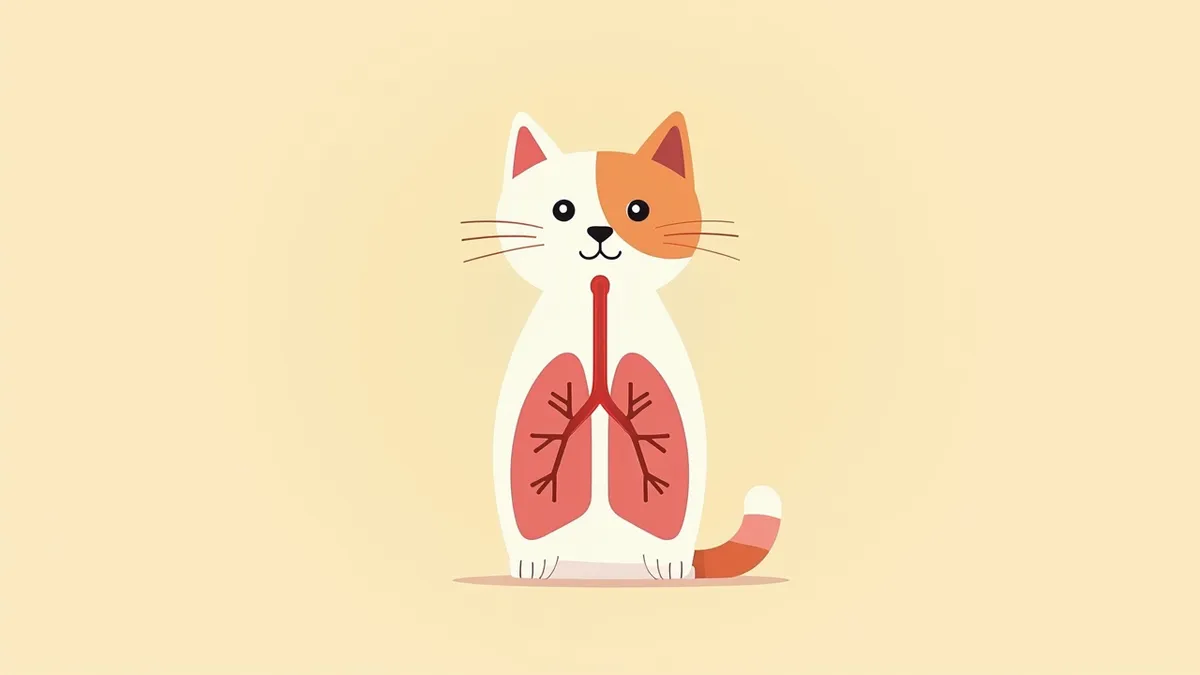
Anatomical diagram of a cat’s lungs and trachea, with inflamed areas highlighted
Feline bacterial pneumonia is an acute respiratory disease caused by bacterial invasion and subsequent inflammation of the lungs. The primary causative agents include Pasteurella spp., Mycoplasma felis, and Bordetella bronchiseptica. It often occurs as a secondary infection following viral infections (such as FHV-1 or FCV) or other pathogens. This condition is particularly common in kittens under 10 weeks of age and in cats with compromised immune systems. - Symptoms: Signs include coughing, difficulty breathing, lethargy, loss of appetite, and fever. While symptoms may appear mild initially, the condition can deteriorate rapidly. - Risk Factors: Risk is higher in kittens, immunocompromised cats, and those with a history of upper respiratory tract diseases (such as FHV-1 or FCV). Testing for feline leukemia virus (FeLV) and feline immunodeficiency virus (FIV) is also recommended to assess risk. - Diagnosis: Confirmation is achieved through chest X-rays, blood tests, and bacterial culture of bronchoalveolar lavage fluid. Early detection and appropriate antibiotic therapy significantly improve survival rates.

Key Points: Managing Feline Bacterial Pneumonia
When selecting a management product for bacterial pneumonia in cats, it is essential to verify its antibacterial efficacy, immune-boosting effects, and potential for minimizing side effects. The ingredients and administration methods recommended by your veterinarian are also crucial.
Antibiotic Ingredients: The product should contain targeted antibiotics tailored to the specific causative bacteria. Oral or intravenous administration is common.
Immune-Modulating Ingredients: Consider supplements that help prevent immune suppression and support recovery.
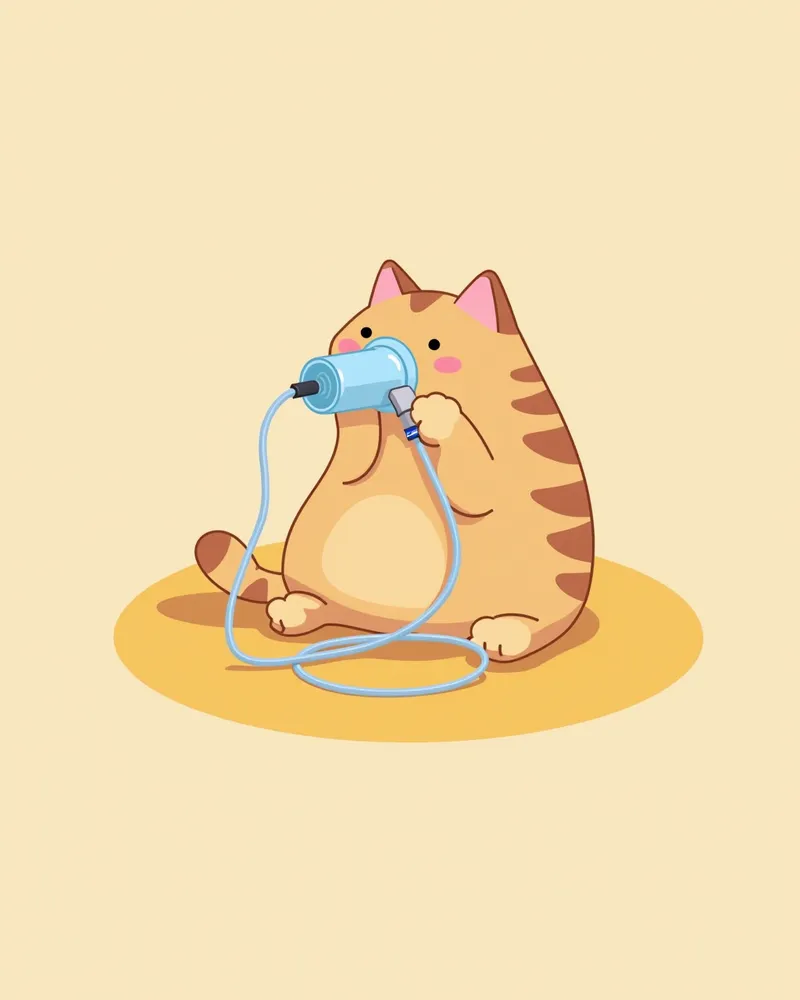
Inhalation Administration: While efficacy has been studied in certain cases, this is not a standard daily treatment and should never be used without veterinary guidance.
Safe Supplements: Opt for products containing ingredients that place minimal stress on the liver and kidneys.
Veterinarian-Recommended Products: Choose products with clinically proven efficacy.
The cat is undergoing nebulizer therapy.

Key Point 1: Symptoms and Urgency of Bacterial Pneumonia

Bacterial pneumonia in cats is a condition in which bacteria infect the lung tissue and cause inflammation. Common signs include rapid breathing, coughing, fever, loss of appetite, and lethargy. If your cat is breathing with its mouth open or its gums appear pale or bluish-purple, these are warning signs of inadequate oxygen supply. If you notice any of these symptoms, seek veterinary care immediately. In particular, difficulty breathing can worsen rapidly and should be treated as an emergency.
An informative image detailing the symptoms and urgency associated with bacterial pneumonia.

Key Point 2: Diagnosis and Treatment Options

Diagnosing bacterial pneumonia relies primarily on chest X-rays to identify changes in lung opacity, alongside blood tests to assess inflammation levels and overall health. Culturing bronchoalveolar lavage fluid helps pinpoint the specific causative bacteria, enabling more targeted antibiotic selection. Treatment centers on antibiotics prescribed by your veterinarian. In severe cases requiring hospitalization, intravenous antibiotics are administered alongside oxygen therapy, fluid therapy, and airway secretion management. The choice of antibiotic and duration of treatment are determined by your veterinarian based on the causative organism and your cat’s condition. Even if oral antibiotics appear effective early in treatment, do not discontinue them prematurely; complete the full course as prescribed. Since there is no fixed treatment duration, your veterinarian will determine when to stop therapy based on follow-up examination results.
An informational image about diagnosis and treatment options

Key Point 3: Home Care and Adherence to Veterinarian Instructions

During treatment, it’s important to provide your cat with a warm, quiet environment where they can rest comfortably. Administer the prescribed antibiotics exactly as directed by your veterinarian for the full course, even if symptoms appear to improve. Stopping medication prematurely can lead to antibiotic resistance or increase the risk of relapse. Schedule regular follow-up visits to monitor recovery, and contact your clinic immediately if you notice a decline in appetite or breathing. Always consult your veterinarian to determine the appropriate diagnosis, prescription, and treatment plan.
Guidelines for home care and following your veterinarian’s instructions

What Pet Owners Should Know About Feline Bacterial Pneumonia

ItemKey points
SymptomsRapid breathing, cough, fever, lethargy, decreased appetite
CausesBacterial infections such as Pasteurella spp., Mycoplasma felis, Bordetella bronchiseptica (including secondary infections)
DiagnosisChest X-ray, blood test, bronchial lavage fluid culture
TreatmentVeterinarian-prescribed antibiotics (injectables during hospitalization), combined oxygen and fluids in severe cases, taken for the period set by the veterinarian and adjusted through follow-up examination
CautionDo not discontinue medication arbitrarily; visit immediately if breathing worsens

This is not a table recommending specific products or hospitals, but criteria to reference when consulting a veterinarian. Always make treatment and testing decisions together with a veterinarian through examination.

Caution: Do Not Overdose on Antibiotics

Antibiotics must be used strictly according to your veterinarian’s prescription and dosage. Incorrect or unsupervised use can lead to side effects such as vomiting and diarrhea, as well as the risk of antibiotic-resistant bacteria. Do not self-diagnose or administer antibiotics without veterinary guidance.

Usage Tips: Effective Management Methods

Managing bacterial pneumonia in cats goes beyond simply administering medication; environmental control and daily care are equally crucial.
Air purification: Use an air purifier to reduce dust and allergens.
Humidity control: Maintain a humidity level of 40–60% to minimize airway irritation.
Rest area: Provide a quiet, warm space to support recovery and reduce stress.
Appetite management: Coughing or difficulty breathing may suppress appetite, so offer strongly scented food to encourage eating.
Regular check-ups: Continue regular consultations with your veterinarian even after recovery. Do not stop antibiotics arbitrarily once symptoms disappear; complete the full course prescribed by your vet. The duration of treatment varies depending on the cat’s condition, so your veterinarian will determine when to end therapy based on follow-up examinations.
A quiet environment for your cat’s recovery, including an air purifier and humidifier

Reviewed by a veterinarian

Dr. Tony — Punnawat Phongkittirak

Dr. Tony — Punnawat Phongkittirak

Veterinarian

A veterinarian who majored in veterinary medicine at Khon Kaen University, Thailand, and completed the IVSA program at North Carolina State University in the United States. Drawing on clinical experience at animal hospitals, he works in the pet healthcare field and is dedicated to building a digital care environment that connects pet parents with veterinarians.

Frequently Asked Questions

Can bacterial pneumonia in cats be treated?
Yes, with early diagnosis and appropriate antibiotic treatment, most cats make a full recovery. However, cats may respond more slowly to antibiotics than dogs, so it’s important to follow your veterinarian’s guidance and continue treatment consistently. Even if symptoms improve, do not stop the medication on your own—complete the full course as prescribed and have your vet confirm when it’s safe to discontinue treatment at a follow-up visit.
Is home treatment alone sufficient?
No. Bacterial pneumonia in cats is a serious condition that requires veterinary diagnosis and treatment. Home care should only be used as a supportive measure.
Should I continue giving supplements even after recovery?
The effectiveness of supplements has not been clearly proven in textbooks, and the most important factors for recovery are appropriate antibiotic treatment and supportive care such as rest and nutrition. Whether to use supplements and their necessity vary depending on individual conditions, so please consult with your veterinarian.
Can an air purifier help?
Yes, an air purifier can help by reducing dust, pollen, and fine particulate matter, which in turn lessens respiratory irritation. However, it’s important to note that an air purifier doesn’t replace medical treatment, and bacterial pneumonia always requires antibiotic therapy from a veterinarian.
Should I continue giving the medication even if the coughing has stopped?
Yes, even if the symptoms disappear, do not stop the medication on your own; it must be taken for the full duration prescribed by your veterinarian. Stopping treatment based on your own judgment can lead to the development of antibiotic-resistant bacteria or a relapse of the condition. There is no fixed formula for the length of treatment, so your veterinarian will determine when to discontinue the medication during a follow-up visit.

Share

Related Guides

References

[1] The Cat, Clinical Medicine and Management, 2nd Edition, 2020

[2] Textbook of Respiratory Disease in Dogs and Cats, 2018

[3] Small Animal Critical Care Medicine, 3rd Ed, 2021

This information is based on veterinary literature and does not replace diagnosis or treatment. Please consult a veterinarian for specific health concerns.

Metapet Co., Ltd. | CEO: Park Sung-yong | Business Reg. No. 417-88-02562 | Seoul, South Korea | Customer Center

Cat Bacterial Pneumonia Care: Top Products & Criteria | Meongsiljang