Like
Share
멍실장
고양이 흡인성 폐렴 관리 추천 BEST와 고르는 기준 총정리

Top Recommended Products and Selection Criteria for Managing Feline Aspiration Pneumonia

RespiratoryTop PicksMeongsiljang Veterinary Advisory Board

Feline aspiration pneumonia is a condition in which food or saliva enters the airway and causes inflammation in the lungs. Proper care and product selection are key to treatment and recovery.

What is Feline Aspiration Pneumonia?

Visualizing how to prevent food from accidentally entering the airway and lungs
Feline aspiration pneumonia is a condition in which food, saliva, or stomach contents are accidentally inhaled into the airways, causing inflammation or infection in the lungs. Unlike in humans or dogs, the incidence and clinical presentation of this condition in cats are not well documented and are considered relatively rare. The risk increases when swallowing function or airway protective reflexes are impaired. - Risk factors for aspiration: Impaired swallowing function and weakened airway protective reflexes (such as the gag reflex) may contribute to the condition. It can also occur in cats experiencing vomiting or those under anesthesia or unconsciousness. - Importance of early detection: Symptoms may include coughing, rapid breathing, and difficulty breathing. Cats may also develop hypothermia (low body temperature), making prompt veterinary evaluation essential. - Treatment options: Treatment typically involves empiric antibiotic therapy and monitoring through imaging and blood tests. Recovery time varies depending on the severity of symptoms. In severe cases, lung damage may occur, so close monitoring is crucial. - Preventive approach: Maintaining stable eating habits, ensuring a hygienic environment, and managing risks of vomiting or reflux can help prevent aspiration. Early intervention is key.

Selection Criteria: Key Elements of Products for Managing Aspiration Pneumonia
Aspiration pneumonia in cats is a condition that can cause inflammation and infection in the lungs, so when selecting supportive products, it’s important to remember first that they do not replace veterinary treatment. The following points are provided as reference guidelines.
Viscosity control and meal assistance: These products are described as helping prevent food or saliva from going down all at once, but their effectiveness in preventing aspiration has not been proven.
Ingredients labeled for cough relief: Coughing is a common symptom of lower respiratory tract diseases, so if the cough is severe, veterinary care should take priority over using a product.
Ingredients labeled for airway protection: Even if a product claims to support the airway mucosa, textbook-based evidence is limited.
Nutritional supplement ingredients: During recovery, a gastrointestinal-friendly diet that is easy to digest may be considered.
Design to prevent aspiration: Check whether the food form or feeding method is designed to encourage slower eating.
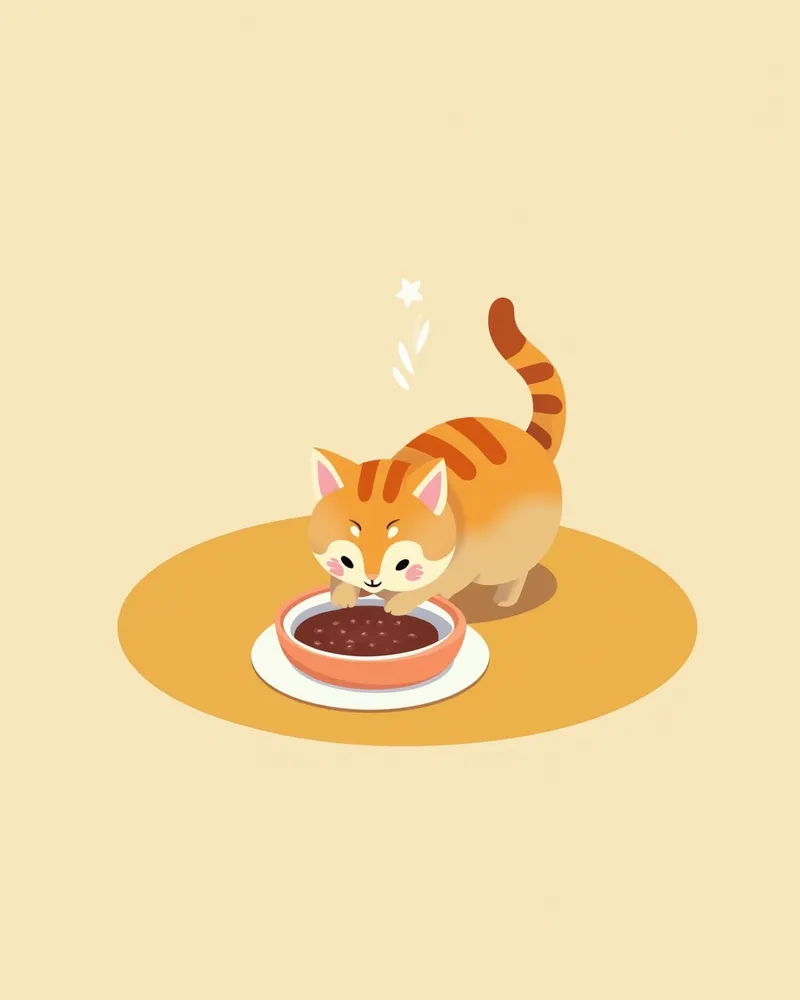
Specialized feeding bowls designed to reduce the risk of aspiration

BEST 1: Protect Capsules, a Nutritional Supplement to Prevent Aspiration
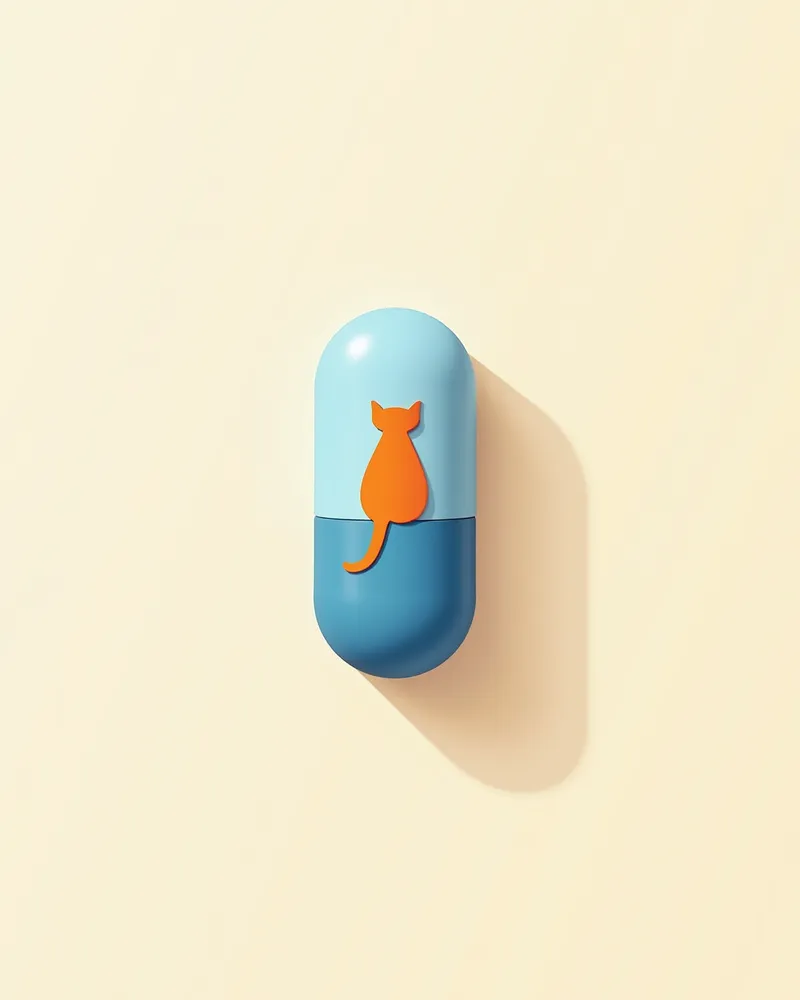
This product is marketed as containing ingredients that support airway protection and nutritional supplementation, but its efficacy in recovering from aspiration pneumonia is not established in veterinary textbooks. - Functional Ingredients: Even if labeled as aiding lung tissue recovery or maintaining immunity, the cornerstone of actual treatment remains the veterinarian’s antibiotic prescription and monitoring. - Capsule Form: Cats commonly retain dry-swallowed capsules in their esophagus for over 30 seconds, and sometimes longer. Therefore, administer capsules with a small amount of water or food to prevent esophageal lodging, and follow your veterinarian’s guidance, as the recommended dosage varies by body weight. - Precautions During Use: If adverse reactions such as coughing, vomiting, or decreased appetite occur during administration, stop use immediately and consult your veterinarian.
Capsule-form nutritional supplement designed to prevent aspiration

BEST 2: Airway Protection Liquid Herb Mix

Although this liquid product is marketed as being made from natural ingredients, there is no textbook evidence confirming that it maintains airway mucosal function or reduces inflammation. - Anti-inflammatory claims: In cases of aspiration pneumonia, steroids and non-steroidal anti-inflammatory drugs are generally not recommended. Therefore, rather than relying on ingredients that claim to reduce inflammation, professional veterinary treatment should be the priority. - Natural ingredient blends: Even natural ingredients can elicit different reactions depending on a cat’s individual constitution, so it is difficult to definitively claim they have fewer side effects. - Administration method: Administer the product at the labeled dosage (e.g., 2 ml per day) by mixing it with water or your cat’s food. However, if your cat’s condition worsens or vomiting occurs during use, stop administration immediately and consult your veterinarian.
Airway Protection Liquid Herb Mix Product

BEST 3: Aspiration Prevention Meal Bowl Set

This is a specially designed bowl set that prevents food from being consumed too quickly, helping to reduce the risk of aspiration by encouraging cats to eat at a slower pace. - Controls eating speed: The low-profile design and built-in obstacles naturally slow down food intake. - Tailored for senior cats: Designed with safety in mind for cats with diminished swallowing ability. - Easy hygiene maintenance: Made from easy-to-clean materials with a detachable structure to help maintain long-term hygiene. - Improves eating habits: Developing a slower eating habit can help reduce the risk of aspiration in the long term. - Available in various sizes: Choose the size that best fits your cat’s body size and food intake.
Aspiration Prevention Feeding Bowl Set

Comparison Table of BEST 1–3 Products

ItemBEST 1 CapsuleBEST 2 LiquidBEST 3 Bowl set
Main ingredientsFunctional nutrients, ingredients labeled for airway protectionIngredients labeled as anti-inflammatory, natural blendDesigned to control eating speed
Administration method1 capsule/day (with water or food, recommended amount based on body weight)Liquid 2ml/dayUsed during meals
Aspiration prevention effectDirect preventive effect not provenDirect preventive effect not provenMay help control eating speed
Additional benefitsClaims nutritional supplementationNatural ingredients, but safety is hard to guaranteeEasy hygiene management

Products do not replace veterinary treatment. Consult a veterinarian before administration, and the dosage needs to be adjusted according to body weight and condition.

Caution: Always Consult Your Veterinarian Before Use

Aspiration pneumonia can lead to severe lung damage. Always consult your veterinarian before using this product. If your pet has severe coughing or difficulty breathing, seek veterinary care immediately.

Usage Tips: Effective Management Methods

To get the most out of this product, follow these tips. Consistent care makes a big difference in recovery.
Manage meal times: Allow at least 10–15 minutes for each meal so your cat doesn’t eat too quickly.
Maintain hygiene: Wash and disinfect bowls and dosing tools daily.
Monitor for reactions: If you notice coughing, vomiting, loss of appetite, or other unusual signs after administration, stop use immediately.
Keep records: Logging doses and symptom changes can be very helpful during vet consultations.
Adjust the environment: Reduce airway irritation by using an air purifier and removing irritants like cigarette smoke or perfumes.
Example of an Aspiration Pneumonia Management Log

Reviewed by a veterinarian

Dr. Tony — Punnawat Phongkittirak

Dr. Tony — Punnawat Phongkittirak

Veterinarian

A veterinarian who majored in veterinary medicine at Khon Kaen University, Thailand, and completed the IVSA program at North Carolina State University in the United States. Drawing on clinical experience at animal hospitals, he works in the pet healthcare field and is dedicated to building a digital care environment that connects pet parents with veterinarians.

Frequently Asked Questions

Is aspiration pneumonia common in cats?
Aspiration pneumonia is relatively rare in cats and remains poorly documented in clinical literature. However, the risk increases in cats with impaired swallowing function or weakened airway protective reflexes.
Can I give my pet this product multiple times a day?
The recommended dosage varies by product. Please follow the dosage and frequency prescribed by your veterinarian, as overdosing can cause side effects.
Are natural-ingredient products safe?
Even natural ingredients can affect cats differently depending on their individual constitution. When using a product for the first time, start with a small amount and carefully monitor for any adverse reactions.
Can the food bowl alone have an effect?
While bowls designed to slow down eating can help reduce the risk of aspiration, it's best to use them alongside veterinary treatment.
How long does it take to recover?
The recovery timeline varies depending on symptom severity and how promptly treatment begins, ranging from a few days to several weeks. Ongoing monitoring under veterinary guidance is essential.

Share

Related Guides

References

[1] Plumb's Veterinary Drug Handbook, 9th Edition, 2022. Wiley-Blackwell.

[2] Canine and Feline Respiratory Medicine, 3rd Edition, 2020. Elsevier.

[3] Clinical Medicine of the Dog and Cat, 4th Edition, 2021. Elsevier.

This information is based on veterinary literature and does not replace diagnosis or treatment. Please consult a veterinarian for specific health concerns.

Metapet Co., Ltd. | CEO: Park Sung-yong | Business Reg. No. 417-88-02562 | Seoul, South Korea | Customer Center

Cat Aspiration Pneumonia Care: Top 3 Products & Criteria | Meongsiljang